
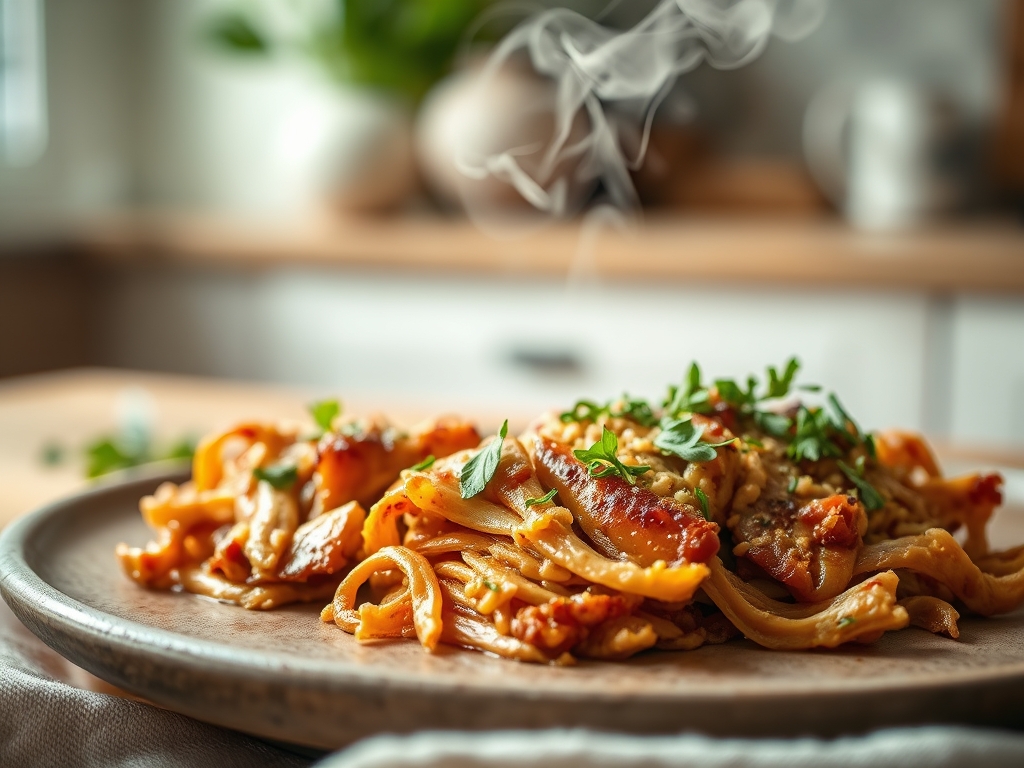
Imagine the sound of two forks shredding through succulent, steam-kissed protein. The aroma of smoked paprika and toasted garlic fills your kitchen; it is the olfactory equivalent of a warm hug. When you master easy pulled chicken recipes, you unlock a culinary superpower that bridges the gap between a frantic Tuesday night and a gourmet weekend spread. We are moving beyond the dry, stringy poultry of your past. Instead, we are focusing on the cellular level of moisture retention and the glorious alchemy of the Maillard reaction. This is not just about feeding people; it is about engineering the perfect bite. Whether you are piling it onto a toasted brioche bun or folding it into a crisp corn tortilla, the goal is a texture that is both tender and structurally sound. We are going to dive into the physics of heat transfer and the chemistry of acid-balancing to ensure your meal prep is the envy of the office. Grab your apron; we have some serious flavor to build.
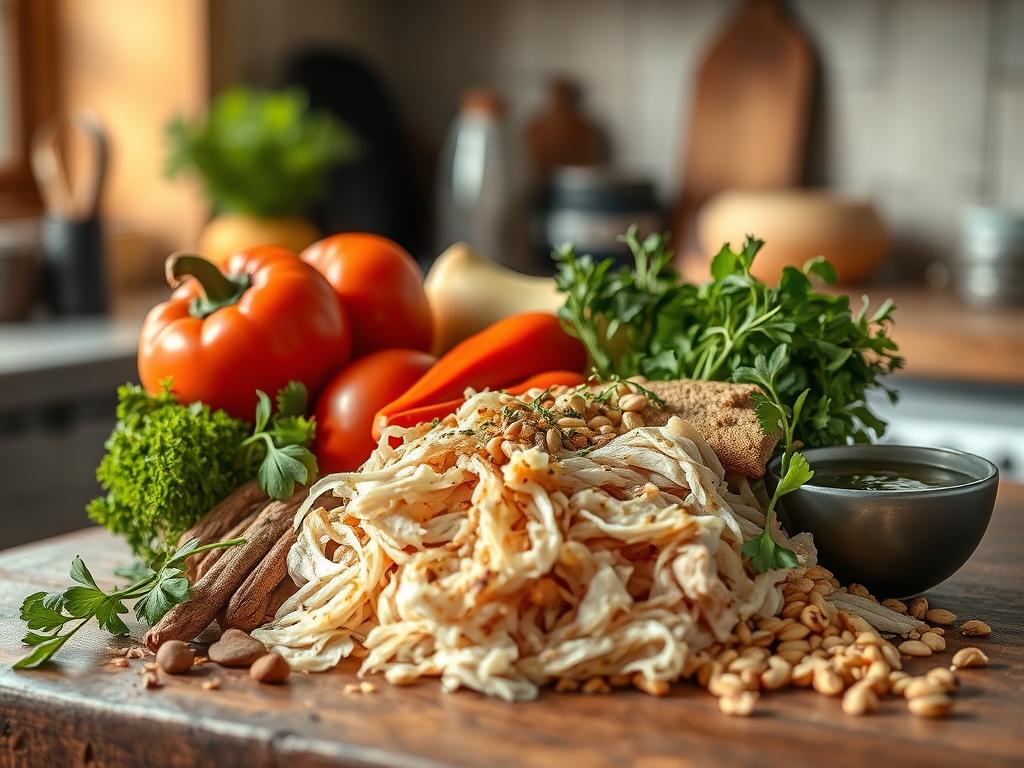
The Gathers:
To execute these easy pulled chicken recipes with precision, your mise-en-place must be impeccable. Start with five pounds of boneless, skinless thighs. While breasts are popular, thighs contain higher levels of myoglobin and connective tissue, which transform into gelatin during the cooking process. You will need a high-quality kosher salt for osmotic moisture retention and a piquant blend of aromatics: smoked paprika, onion powder, and dried oregano.
For your liquid base, choose a low-sodium chicken bone broth. This provides a viscous mouthfeel due to the collagen content. You will also need an acid, such as apple cider vinegar or lime juice, to brighten the heavy fats. Professional tools are non-negotiable here. Ensure you have a heavy-bottomed skillet or a Dutch oven for even heat distribution, a digital scale for precise seasoning ratios, and a microplane for grating fresh garlic into a fine paste that integrates seamlessly into the sauce.
Smart Substitutions: If you are avoiding nightshades, swap paprika for ground cumin and turmeric to maintain a deep, earthy profile. For a low-sodium approach, utilize coconut aminos to provide that essential umami depth without the salt spike. If you lack a Dutch oven, a high-quality stainless steel saucier works beautifully for smaller batches, allowing for better whisking of the emulsified juices.
The Clock
Efficiency in the kitchen is about mastering the Chef's Flow. This is the art of overlapping tasks so that no second is wasted. Total active prep time for these easy pulled chicken recipes is exactly 15 minutes. The cooking phase varies by method: 20 minutes in a pressure cooker, 45 minutes in a heavy-bottomed skillet, or 4 hours in a slow cooker.
The secret to the "Flow" is prepping your aromatics while the pan preheats. Never wait for a cold pan. By the time your chicken is seasoned, your oil should be shimmering at its smoke point. While the chicken braises, you should be cleaning your station and preparing your storage containers. This ensures that when the timer dings, you are ready for the shredding phase without a mountain of dishes looming over you.
The Masterclass
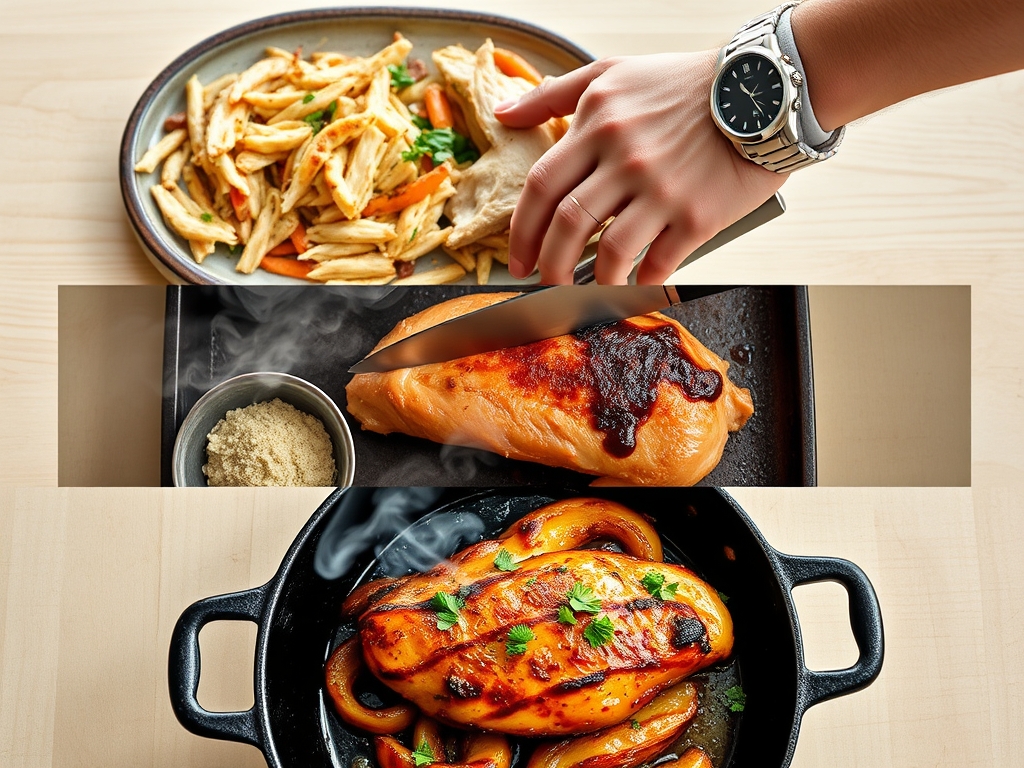
1. The Sear and Fond Development
Place your seasoned chicken into a hot heavy-bottomed skillet with a high-smoke-point oil like avocado oil. Do not crowd the pan. You are looking for a deep, golden-brown crust.
Pro Tip: This is the Maillard reaction in action. By browning the exterior, you create complex new flavor compounds that cannot be achieved through boiling alone. This adds a savory "meatiness" to the final dish.
2. Deglazing the Flavor
Once the chicken is browned, remove it and add a splash of broth or white wine. Use a bench scraper or wooden spoon to lift the brown bits (the fond) from the bottom of the pan.
Pro Tip: Deglazing captures the concentrated proteins stuck to the pan. This creates a pan sauce base that ensures every strand of chicken is coated in high-intensity flavor rather than just water.
3. The Low and Slow Braise
Return the chicken to the pot and submerge it halfway in your liquid. Cover tightly. The goal is to maintain a gentle simmer, not a rolling boil, which can toughen the muscle fibers.
Pro Tip: Cooking at a lower temperature allows the collagen to denature into gelatin slowly. If the heat is too high, the muscle fibers contract violently, squeezing out all the moisture and leaving the meat dry.
4. The Rest and Carryover
Once the internal temperature reaches 165 degrees Fahrenheit on a digital thermometer, remove the chicken from the heat but keep it covered for ten minutes.
Pro Tip: This utilizes thermal carryover. Resting allows the internal pressure to stabilize, meaning the juices stay inside the meat when you start shredding rather than spilling out onto the cutting board.
5. The Mechanical Shred
Use two large tongs or a stand mixer with the paddle attachment on low speed to break the meat into consistent, bite-sized shards.
Pro Tip: Shredding while the meat is warm (but not hot) takes advantage of the softened fat. Using a stand mixer is a "hack" that uses mechanical shear to create a uniform texture in seconds.
6. The Emulsion Finish
Return the shredded meat to the reduced cooking liquid. Toss vigorously to ensure every piece is coated.
Pro Tip: This final step creates a stable emulsion between the rendered fats and the flavorful broth. It ensures that your easy pulled chicken recipes stay moist even after being refrigerated.
The Deep Dive
From a nutritional standpoint, pulled chicken is a powerhouse. A standard 4-ounce serving provides roughly 25 grams of protein with varying fat content depending on your choice of white or dark meat. For those following a Keto lifestyle, increase the fat by stirring in a tablespoon of grass-fed butter at the end. For a Vegan swap, use young green jackfruit; its fibrous texture mimics chicken perfectly when braised in the same aromatics.
The Fix-It:
- Too Dry? Your liquid evaporated too fast. Add a splash of warm broth and a teaspoon of olive oil to re-emulsify the fibers.
- Too Bland? You likely missed the "acid" component. Add a squeeze of lemon or a dash of hot sauce to cut through the fat.
- Rubbery Texture? This happens if the chicken was boiled too aggressively. Next time, use a saucier to maintain a more controlled, low-intensity simmer.
Meal Prep Science: To maintain "day-one" quality, store your chicken in its own juices. When reheating, use a microwave-safe dish covered with a damp paper towel. This creates a mini-steam chamber, preventing the evaporative cooling that typically dries out leftover poultry.
The Wrap-Up
Mastering easy pulled chicken recipes is about more than just following a list of steps; it is about understanding how heat and moisture interact to create something spectacular. You now have the technical knowledge to sear, braise, and shred like a professional chef. Whether you are using a microplane to infuse fresh aromatics or a digital scale to perfect your spice ratios, you are elevating a simple ingredient into a versatile masterpiece. Go forth, experiment with different flavor profiles, and remember that the secret is always in the science of the sear.
The Kitchen Table
Can I use frozen chicken for these recipes?
Yes, but you must increase the cook time by 50 percent. Use a digital thermometer to ensure the internal temperature reaches 165 degrees Fahrenheit. This prevents the "rubbery" texture associated with unevenly thawed proteins.
How long does pulled chicken stay fresh?
When stored in an airtight container with its cooking juices, it lasts four days in the refrigerator. For longer storage, freeze it in vacuum-sealed bags to prevent freezer burn and maintain the integrity of the muscle fibers.
What is the best way to shred chicken quickly?
Place warm, cooked chicken in a stand mixer with the paddle attachment. Turn it to low for 30 seconds. This mechanical method provides a perfectly uniform shred without the manual labor of using handheld forks.
Why is my pulled chicken always stringy?
Stringiness usually results from overcooking or using only chicken breasts. Switch to chicken thighs for a higher fat and collagen content. This creates a "melt-in-your-mouth" texture rather than a tough, fibrous one.