
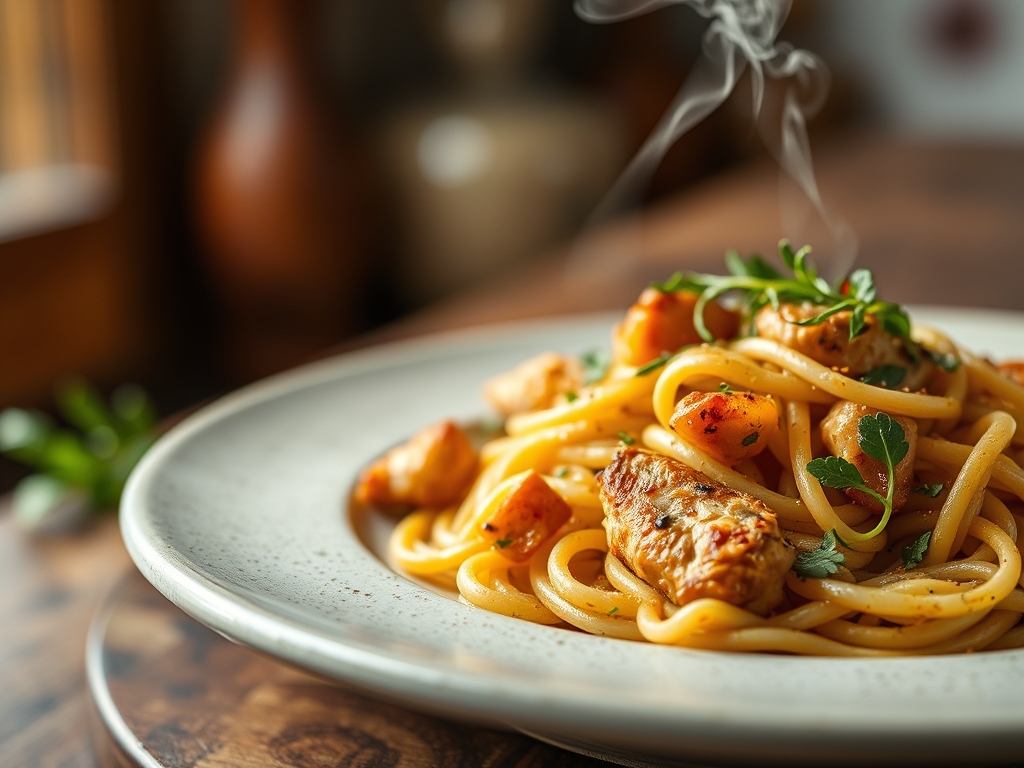
Picture the steam rising from a heavy-bottomed skillet; it carries the scent of toasted garlic and caramelized protein that instantly triggers a Pavlovian response. Finding good pasta and chicken recipes is about more than just tossing poultry into boiling water. It is a masterclass in texture and temperature management that transforms humble pantry staples into a five-star experience.
We have all been there; staring at a package of chicken breasts and a box of penne, wondering how to bridge the gap between "sustenance" and "spectacular." The secret lies in the molecular dance between the starch in your pasta water and the Maillard reaction on your chicken. When you learn to manipulate these variables, you stop following instructions and start commanding the kitchen. We are diving deep into the mechanics of the perfect sear, the emulsification of silky sauces, and the precise timing required to ensure your pasta hits the plate with a defiant bite. Whether you are hosting a dinner party or just treating yourself after a long day, these techniques will redefine your culinary baseline.
The Gathers:
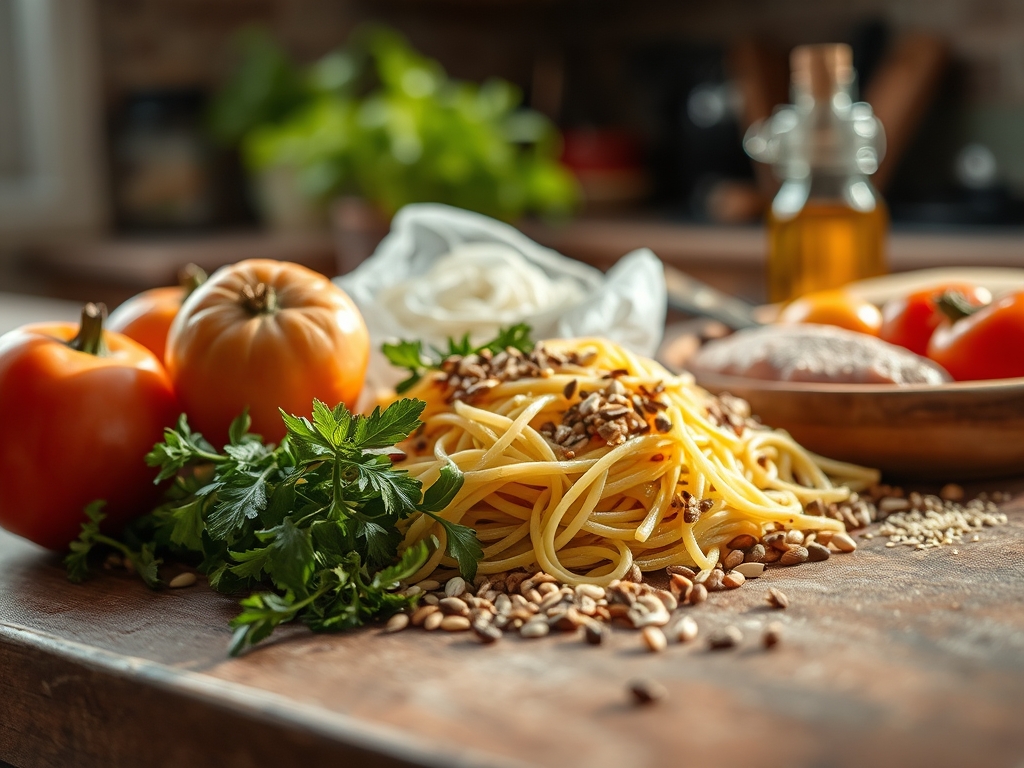
Before the heat touches the pan, we must respect the mise-en-place. For these good pasta and chicken recipes, your ingredient list is a blueprint of chemical potential. We start with high-protein pasta (look for "bronze-cut" on the label) because the rough surface area is essential for sauce adhesion. Your chicken should be air-dried in the refrigerator for at least two hours to ensure the skin or surface is devoid of moisture; this allows for immediate browning rather than steaming.
You will need high-quality fats: unsalted European-style butter for its lower water content and extra virgin olive oil for its piquant polyphenols. Aromatics are non-negotiable. Fresh garlic must be sliced with a razor-sharp knife to avoid bruising the cells, which can lead to a bitter, oxidized flavor. Use a microplane to zest organic lemons, releasing the volatile oils trapped in the flavedo.
Smart Substitutions:
If you are out of heavy cream, do not reach for milk. Instead, use a ladle of starchy pasta water and a knob of cold butter to create a mounting (monter au beurre) effect. For a brighter acidity profile, swap white wine for a splash of dry vermouth; it offers a more complex botanical backbone that cuts through the richness of the poultry fat.
The Clock
Efficiency in the kitchen is governed by the "Chef's Flow." This is the psychological and physical state where tasks overlap perfectly to prevent overcooking. Total active prep time for these dishes is roughly 20 minutes, with a cook time of 15 minutes.
The flow dictates that you start your pasta water first. Water has a high specific heat capacity and takes the longest to reach a kinetic boil. While the water heats, you execute your knife work. The chicken enters the skillet exactly four minutes after the pasta hits the water. This synchronization ensures that the chicken finishes resting just as the pasta reaches al dente, allowing you to finish the noodles directly in the sauce without them becoming mushy.
The Masterclass
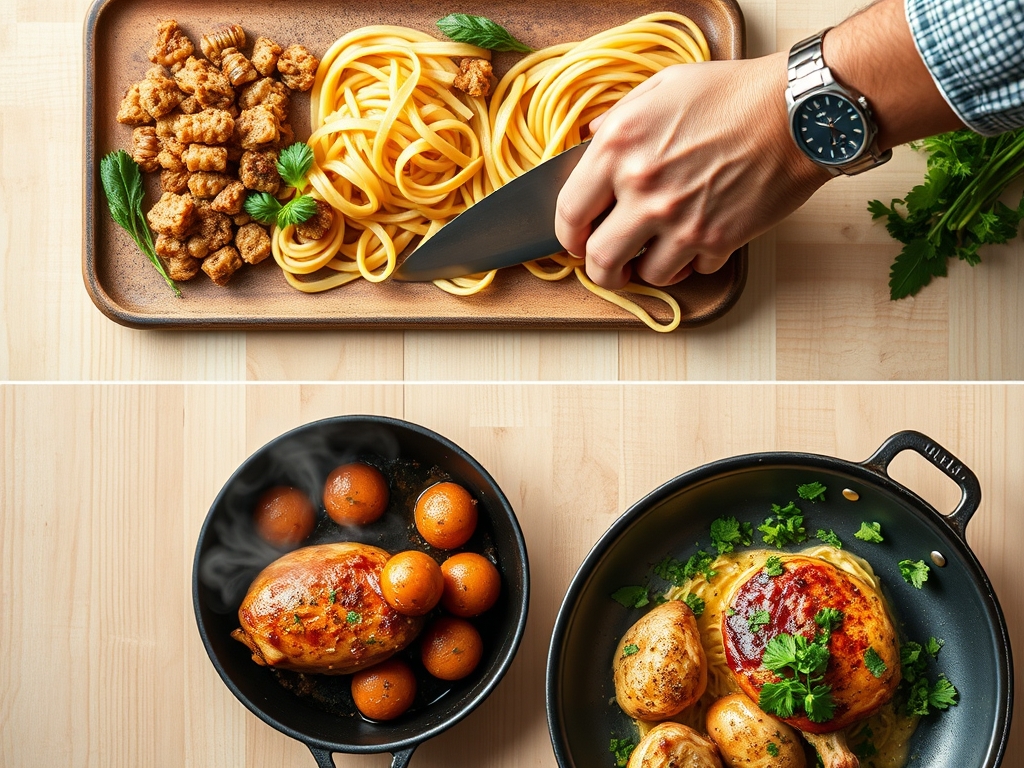
1. The Maillard Execution
Pat your chicken dry with paper towels and season aggressively with kosher salt. Heat your heavy-bottomed skillet until the oil shimmers but does not smoke. Place the chicken in the pan and leave it alone.
Pro Tip: This is the science of enzymatic browning. Moving the meat too early prevents the amino acids and reducing sugars from bonding, which creates that savory crust. Use stainless steel for the best fond development.
2. The Starch Extraction
Boil your pasta in water that is "salty like the sea." Do not add oil to the water; it coats the pasta and prevents the sauce from sticking. Drain the pasta two minutes before the package directions suggest.
Pro Tip: This allows for starch gelatinization to finish inside the sauce. The pasta will absorb the flavorful liquids instead of just plain water, deepening the flavor profile of the entire dish.
3. Deglazing the Fond
Once the chicken is removed to rest, you will see brown bits stuck to the pan. This is "fond," the concentrated essence of flavor. Pour in your liquid (wine, stock, or lemon juice) and use a wooden spoon or bench scraper to lift those bits.
Pro Tip: This is solvent extraction. The alcohol or acid dissolves the flavorful compounds that are not water-soluble, integrating them into a viscous, rich base for your sauce.
4. The Emulsification Phase
Add your aromatics to the deglazed liquid, then stir in a splash of pasta water. Whisk in cold butter or cream over low heat until the sauce coats the back of a spoon.
Pro Tip: This creates a stable emulsion. The starches in the pasta water act as a bridge between the fats and the liquids, preventing the sauce from breaking into an oily mess.
5. The Rest and Integration
Slice your chicken against the grain and toss the pasta into the sauce. Add a handful of freshly grated Parmigiano-Reggiano and toss vigorously to aerate the mixture.
Pro Tip: Thermal carryover will continue to cook the chicken even after it leaves the pan. By resting the meat for five minutes, the muscle fibers relax and reabsorb juices, ensuring every bite is succulent.
The Deep Dive
Understanding the "why" behind your food makes you a better cook. Nutritionally, these recipes provide a balanced profile of complex carbohydrates and lean proteins. A standard serving contains approximately 35g of protein and 50g of carbohydrates, making it an excellent recovery meal.
Dietary Swaps:
For a Vegan version, swap chicken for roasted oyster mushrooms (which mimic the meaty texture) and use nutritional yeast and cashew cream for the sauce. Keto followers should utilize zoodles or palmini noodles, focusing on a high-fat butter sauce. Gluten-Free diners should opt for corn or quinoa-based pastas, though you may need to add a pinch of cornstarch to your sauce to compensate for the lack of wheat starch.
The Fix-It:
- The Sauce is Broken: If the oil is separating, whisk in a tablespoon of boiling pasta water and a squeeze of lemon juice to re-emulsify.
- Dry Chicken: If you overshot the temperature, slice it very thin and toss it directly into the sauce for two minutes to hydrate the fibers.
- Gummy Pasta: This usually means the pot was too small. Next time, use more water to keep the starch concentration lower during the initial boil.
Meal Prep:
When reheating, do not use the microwave on high power. The intense radiation vibrates water molecules too fast, toughening the chicken. Instead, use a skillet with a splash of water or milk. This creates a small steam chamber that restores the viscous quality of the sauce without drying out the protein.
The Wrap-Up
Mastering good pasta and chicken recipes is a rite of passage for any home cook. It is the perfect intersection of chemistry and comfort. By focusing on the sear, the starch, and the soul of the ingredients, you turn a Tuesday night dinner into a culinary event. Grab your tongs, heat that skillet, and let the aroma of success fill your kitchen. You have the tools and the knowledge; now go create something delicious.
The Kitchen Table
How do I keep chicken from getting rubbery in pasta?
Always slice the chicken against the grain and avoid overcooking. Use a digital thermometer to pull the chicken at 160 degrees Fahrenheit. The internal temperature will reach the safe 165 mark during the resting phase via thermal carryover.
Why is my pasta sauce always watery?
You likely missed the emulsification step. Always reserve a cup of starchy pasta water before draining. Adding this liquid back into the fat and simmering allows the starches to bind the oil and water into a thick, glossy coating.
Can I use chicken thighs instead of breasts?
Absolutely. Thighs contain more connective tissue and fat, making them more forgiving and flavorful. They require a slightly longer sear to render the fat, but they stay juicy even if they spend an extra minute in the pan.
What is the best pasta shape for chicken?
Rigatoni or Penne are ideal because their hollow centers and exterior ridges trap the sauce and small pieces of chicken. If using a creamy sauce, fettuccine is the classic choice for its high surface area.