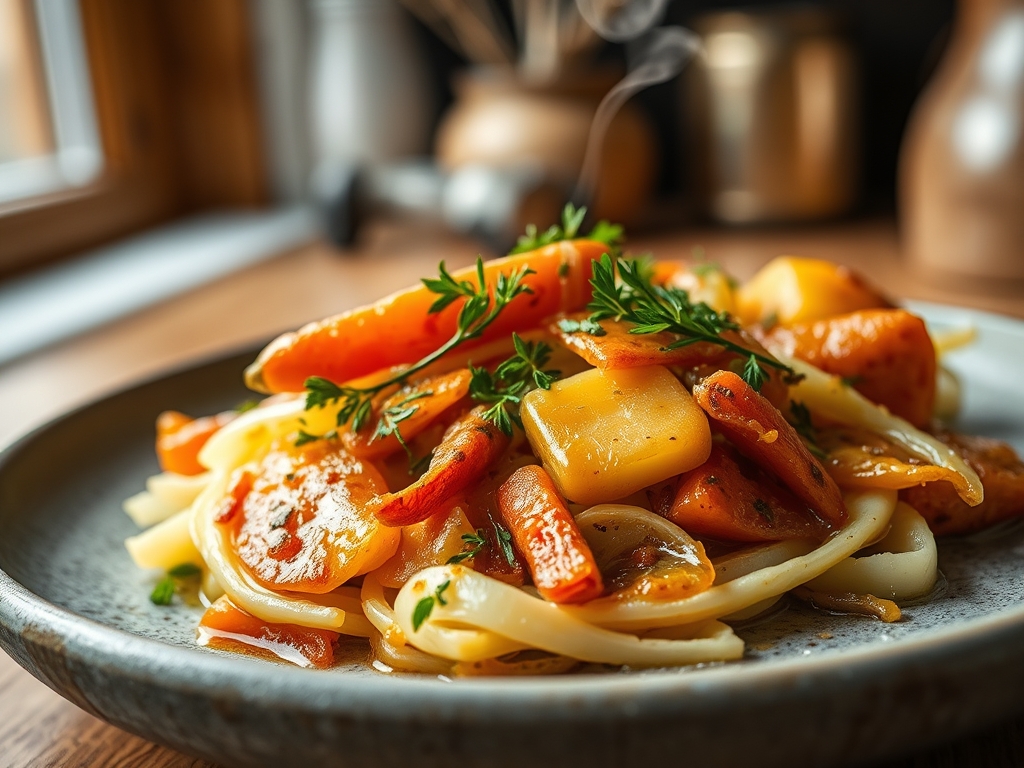
Picture the steam rising from a heavy bottomed Dutch oven as the scent of toasted caraway and sweet allium fills your kitchen. We are diving into the ultimate comfort trio with these cabbage carrot and potato recipes; a collection of one pot wonders that prove humble root vegetables are the secret to high performance, low effort nutrition.
The magic of these three ingredients lies in their structural integrity. Unlike delicate greens that wilt into nothingness, the fibrous cell walls of cabbage and the dense starch of potatoes can withstand the prolonged heat of a braise or the intense sear of a sauté. We are not just making dinner; we are engineering a balance of textures where the natural sugars in the carrots caramelize into a deep amber glaze while the cabbage softens into a buttery, melt in your mouth finish. This is the intersection of rustic charm and culinary precision.
Whether you are looking for a vibrant turmeric infused stir fry or a hearty, bone broth based stew, these recipes rely on a single vessel to minimize cleanup and maximize flavor extraction. By the time we are done, you will understand why this specific combination has been a staple across global cuisines for centuries. It is affordable, nutrient dense, and scientifically satisfying.
The Gathers:
To achieve professional results, your mise en place must be precise. Start with a heavy bottomed skillet or a cast iron pot; these vessels offer superior heat retention, ensuring your potatoes develop a crisp exterior rather than just steaming. You will need a sharp chef's knife and a bench scraper to move your heaps of shredded cabbage efficiently.
The Trio:
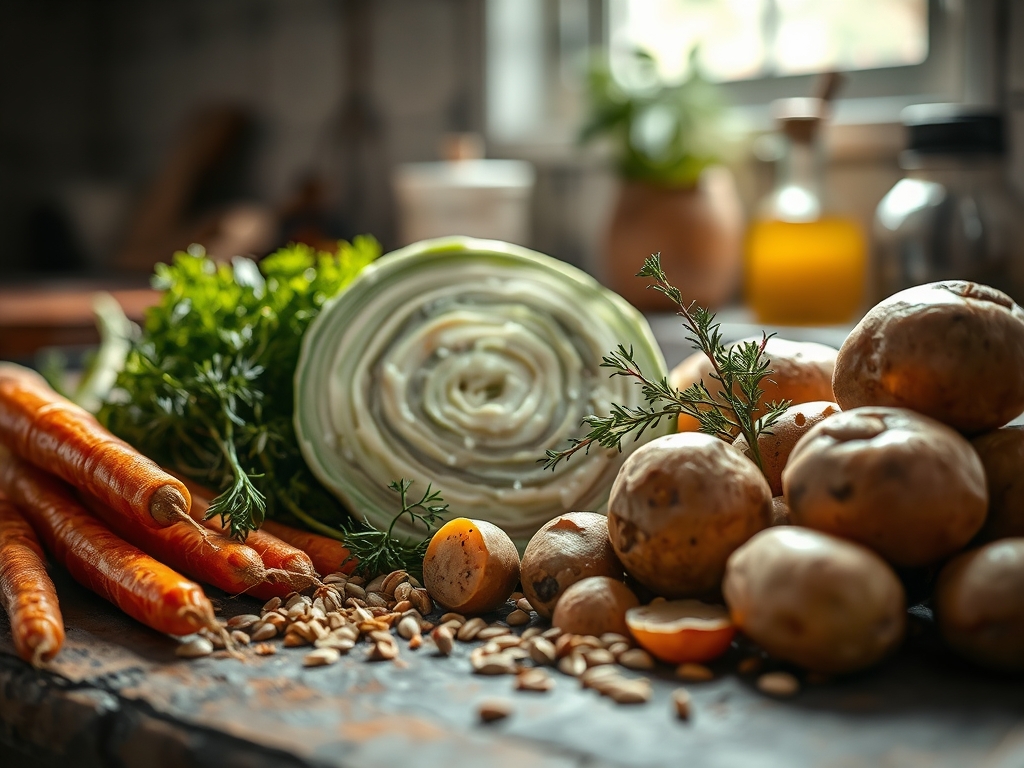
- Cabbage: Look for heavy, tightly packed heads. Green cabbage offers a classic crunch, while Savoy cabbage provides a delicate, crinkled texture that traps sauces beautifully.
- Carrots: Opt for medium sized carrots with the greens still attached. These are often sweeter and less woody than the jumbo bags. Use a microplane if you want to zest the ginger or garlic that often accompanies these dishes.
- Potatoes: For one pot meals, waxy varieties like Yukon Gold or Red Bliss are king. They hold their shape through the cooking process, whereas starchy Russets may disintegrate into a mash.
Smart Substitutions:
If you are out of green cabbage, purple cabbage adds a stunning (though slightly more piquant) visual. No carrots? Parsnips offer a spicy, earthy alternative. If you need a lower glycemic option, swap half the potatoes for cauliflower florets; just be sure to add them later in the process to avoid overcooking.
The Clock
Efficiency in the kitchen is about Chef's Flow. This is the art of sequencing tasks so that the longest cooking items hit the heat first. For most cabbage carrot and potato recipes, your active prep time is roughly 15 minutes, with a total cook time of 30 to 45 minutes.
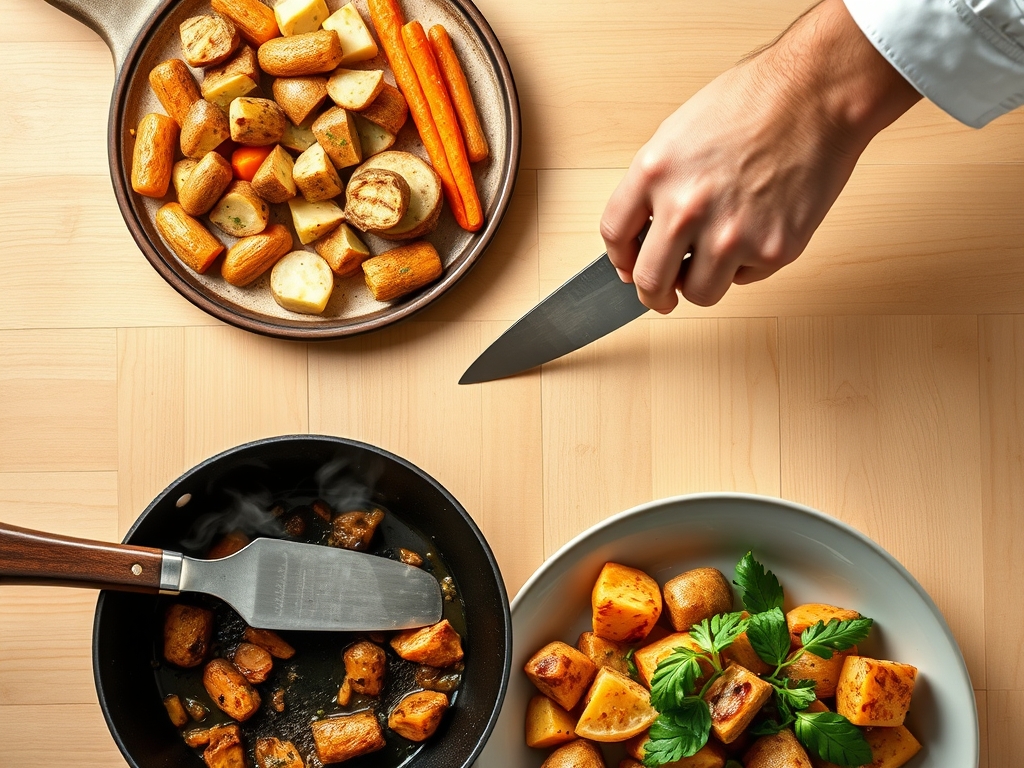
Start by dicing your potatoes into uniform half inch cubes. Because they are the densest ingredient, they require the most thermal energy to soften. While the potatoes begin their Maillard reaction in the pot, you can shred the cabbage and julienne the carrots. This staggered approach ensures that by the time the cabbage has reached its peak sweetness, the potatoes are fork tender. Using a digital scale to weigh your ingredients can also ensure consistency, especially when balancing the ratio of liquid to solids in a braise.
The Masterclass
1. The Sear and Render
Begin by heating a tablespoon of high smoke point oil or rendering the fat from a protein like pancetta. Add your cubed potatoes in a single layer. Do not crowd the pan; crowding lowers the surface temperature and leads to steaming rather than browning.
Pro Tip: This stage utilizes the Maillard reaction, where amino acids and reducing sugars rearrange to create hundreds of flavor compounds. If you move the potatoes too early, you lose that golden crust.
2. The Aromatic Infusion
Once the potatoes show color, add your carrots and aromatics like onions or leeks. Use tongs to toss the vegetables, ensuring every surface is coated in the rendered fat. This is when you add dry spices like smoked paprika or cumin.
Pro Tip: Fat is a flavor carrier. Many aromatic compounds in spices are fat soluble, meaning they need to be toasted in oil to fully infuse the dish with their essence.
3. The Cabbage Collapse
Add the shredded cabbage in batches. It will look like too much at first, but cabbage is approximately 90 percent water. As the heat breaks down the cellulose, the volume will decrease by half.
Pro Tip: This is called hygroscopic reduction. The salt you add now will draw moisture out of the cabbage, helping it soften while concentrating its natural sugars.
4. The Deglaze
As a brown film (the fond) forms on the bottom of your pot, pour in a splash of vegetable stock, apple cider vinegar, or white wine. Use a wooden spoon to scrape up those bits.
Pro Tip: Deglazing releases the concentrated sugars and proteins stuck to the pan, incorporating them back into a viscous sauce that coats the vegetables.
5. The Gentle Simmer
Cover the pot and reduce the heat to low. This allows the potatoes to finish cooking through conductive heat while the cabbage absorbs the seasoned liquid.
Pro Tip: This stage relies on thermal carryover. Even after you turn off the burner, the internal heat of the vegetables will continue to soften the fibers for several minutes.
The Deep Dive
Macro Nutrition:
This trio is a powerhouse. Cabbage is loaded with Vitamin K and C, while carrots provide a massive hit of Beta Carotene. Potatoes are not just "carbs"; they are a significant source of potassium and Vitamin B6. One serving typically clocks in under 300 calories but offers high satiety due to the fiber content.
Dietary Swaps:
- Vegan: Use coconut aminos or nutritional yeast for a boost of umami.
- Keto: Replace potatoes with radishes; when cooked, radishes lose their bite and take on a texture remarkably similar to a boiled potato.
- Gluten-Free: Naturally GF, but ensure your vegetable stock is certified.
The Fix-It:
- Too Mushy: You likely added too much liquid. Remove the lid and increase the heat to evaporate the excess moisture and slightly crisp the edges.
- Bland: It needs acid. A squeeze of lemon or a teaspoon of dijon mustard will brighten the earthy notes.
- Burnt Bottom: Do not stir the burnt bits in! Transfer the top layers to a clean saucier and finish cooking there.
Meal Prep Science:
These dishes actually taste better on day two. As the mixture cools, the starches in the potatoes undergo retrogradation, making them firmer. When reheating, add a tablespoon of water to aerate the steam and prevent the cabbage from becoming leathery.
The Wrap-Up
Mastering cabbage carrot and potato recipes is like having a culinary superpower. You are taking three of the most affordable, shelf stable ingredients in the grocery store and transforming them into a sophisticated, nutrient dense feast. From the crunch of a perfectly seared potato to the silky sweetness of braised carrots, this is home cooking at its most intelligent. Now, grab your favorite heavy pot and get glowing!
The Kitchen Table
Can I use a slow cooker for these recipes?
Yes, but add the cabbage during the last hour. Prolonged high heat can cause cabbage to release sulfurous compounds, resulting in a bitter taste and mushy texture. Potatoes and carrots should go in first.
How do I keep the cabbage from smelling?
The "cabbage smell" comes from overcooking. To prevent this, cook the cabbage quickly over high heat or briefly in a braise. Adding an acidic element like vinegar or lemon juice also neutralizes these odors.
What is the best way to cut the vegetables for even cooking?
Cut potatoes into small half inch cubes and carrots into thin coins. Shred the cabbage into ribbons. This surface area ratio ensures the potatoes soften at the same rate the cabbage caramelizes.
Can I freeze these one pot meals?
Potatoes can become grainy when frozen and thawed due to their water content. If you plan to freeze, undercook the potatoes slightly so they maintain better structural integrity during the reheating process.