
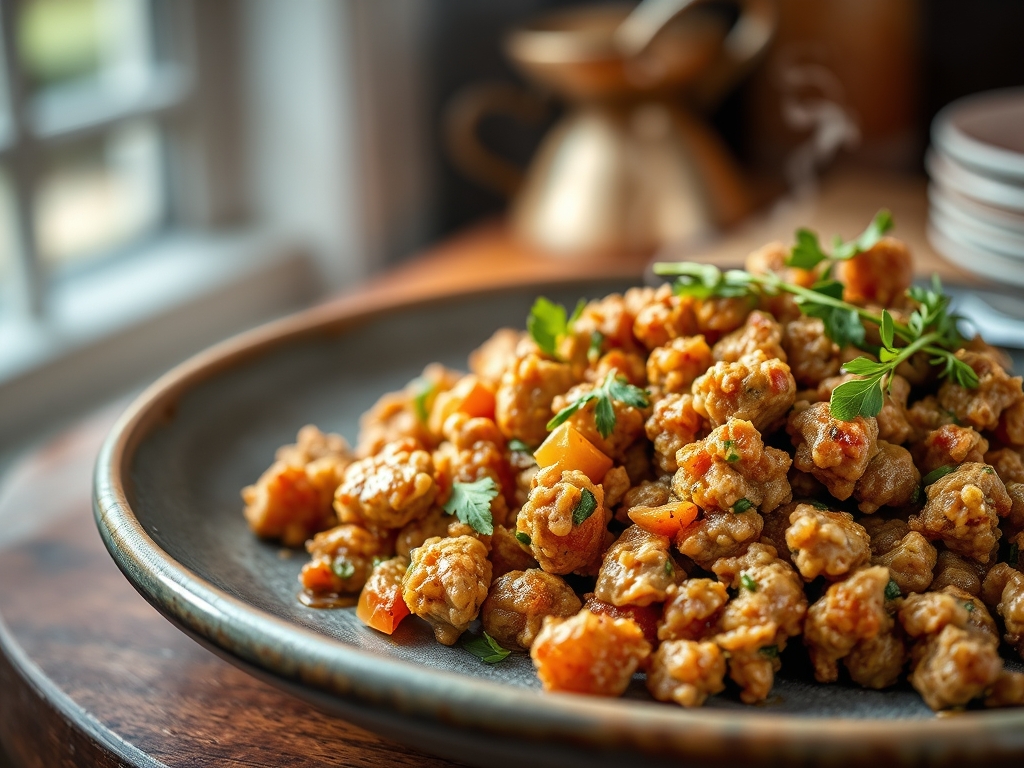
Imagine a sizzle that starts low and rhythmic before blooming into a golden, savory aroma that fills every corner of your kitchen. That is the magic of working with a lean protein that acts like a blank canvas. Finding versatile ground chicken recipes for dinner is the ultimate hack for the busy, flavor obsessed home cook who refuses to settle for bland.
The beauty of ground chicken lies in its incredible ability to absorb aromatics. Unlike beef, which often dominates a dish with its heavy fat profile, chicken provides a clean slate for bold spices and delicate herbs alike. Whether we are talking about a piquant Thai basil stir fry or a silky, citrus infused meatball, the secret is all in the technique. We are going to transform this humble ingredient into six distinct, restaurant quality meals that will make you forget you ever doubted the power of poultry. Pull up a stool and grab your favorite heavy bottomed skillet; we are about to turn your weeknight routine into a culinary masterclass.
The Gathers:
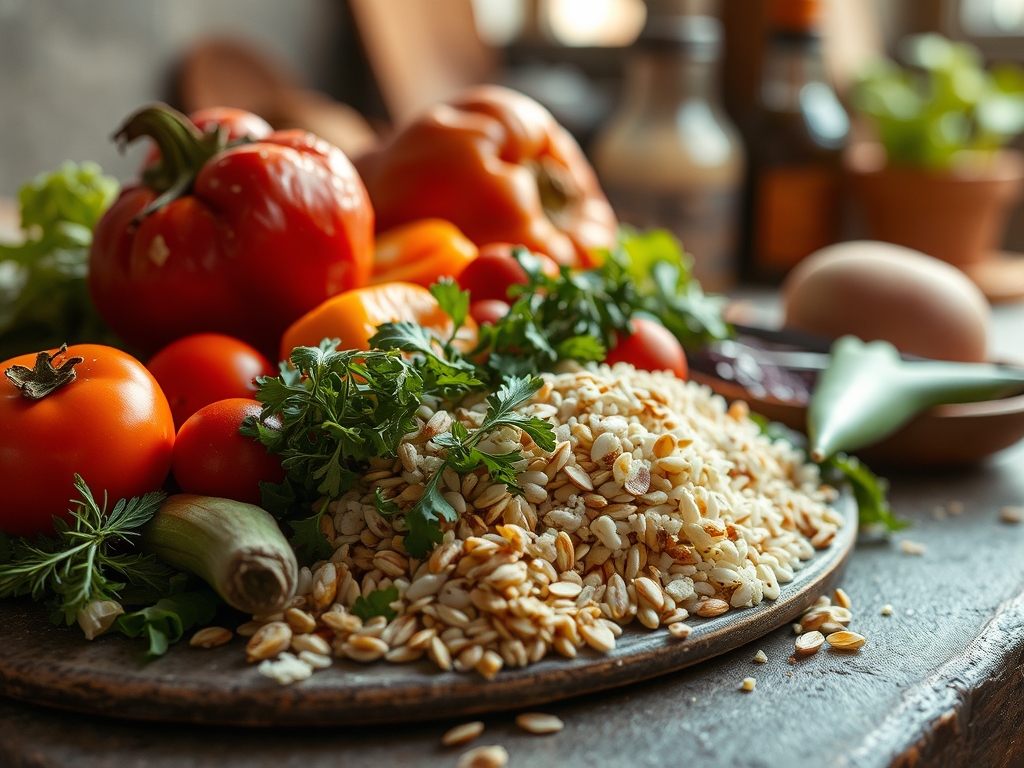
Before we ignite the burners, we must respect the mise en place. Ground chicken has a higher moisture content than other meats, meaning our "gathers" must balance hydration with structure. You will want a mix of lean breast meat for protein density and thigh meat for essential lipids that ensure a juicy mouthfeel.
Our flavor foundation starts with the "Holy Trinity" of aromatics: finely minced garlic, ginger, and shallots. Use a microplane to grate your aromatics into a paste; this increases the surface area, allowing the essential oils to infuse the meat more deeply. For structural integrity, especially in meatballs or burgers, we use panko breadcrumbs or almond flour. These act as "moisture anchors," trapping the juices before they can evaporate during the cooking process.
Smart Substitutions:
If you are looking to lower the glycemic index, swap breadcrumbs for finely processed cauliflower rice. It mimics the texture while adding a hidden serving of brassica vegetables. For a hit of umami without the sodium, reach for liquid aminos or a dash of fish sauce. The glutamates in fish sauce act as a flavor multiplier, making the chicken taste "meatier" without adding a fishy profile.
The Clock
Efficiency in the kitchen is about "Chef's Flow," the art of overlapping tasks to minimize downtime. For these ground chicken recipes for dinner, you are looking at a 15 minute prep window and a 20 minute cook time.
Start by prepping your cold ingredients first. While the meat is tempering on the counter (never cook meat straight from the fridge if you want an even sear), use your bench scraper to organize your chopped veggies. The total active time is roughly 35 minutes. By the time your saucier has reduced the glaze to a viscous honey like consistency, your chicken should be hitting its perfect internal temperature. This synchronized timing ensures that the protein remains succulent rather than rubbery.
The Masterclass
1. The Sear and Fond Development
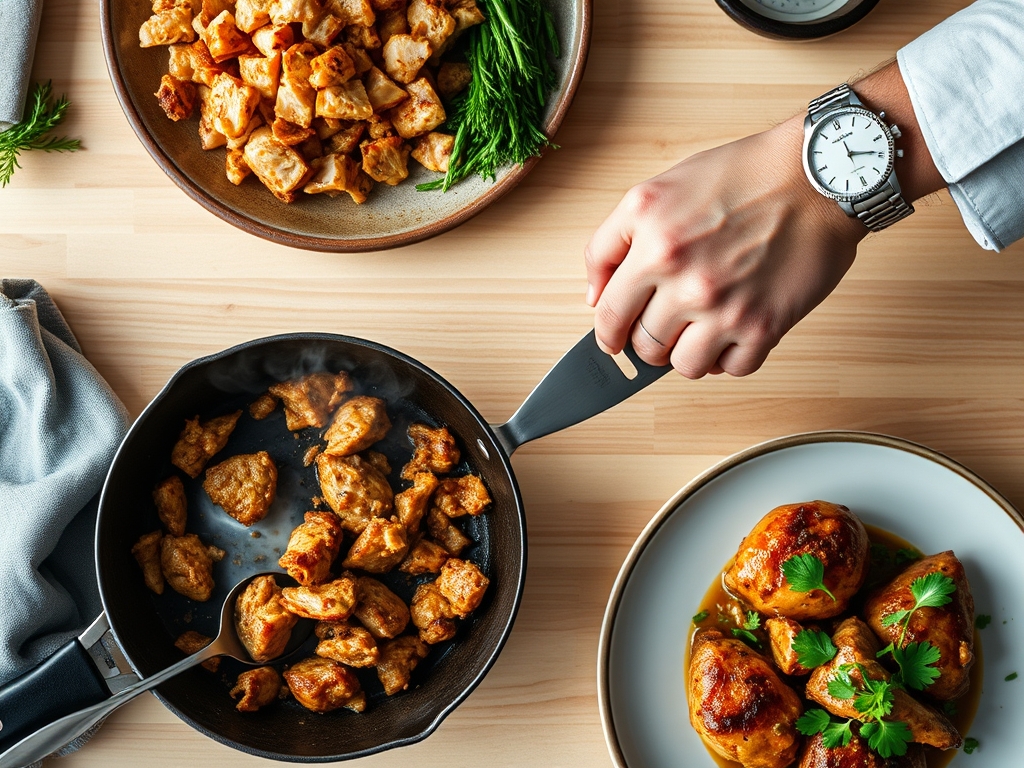
Place your heavy bottomed skillet over medium high heat and add a high smoke point oil like avocado oil. Once the oil shimmers, add the chicken in a flat layer. Do not stir immediately. You want to trigger the Maillard reaction, a chemical reaction between amino acids and reducing sugars that creates that iconic brown crust.
Pro Tip: This is called enzymatic browning. If you crowd the pan, the moisture will steam the meat instead of searing it. Work in batches to ensure a crisp texture.
2. Deglazing the Flavor
Once the meat is browned, you will notice brown bits stuck to the bottom of the pan. This is "fond," and it is culinary gold. Pour in a splash of dry white wine or chicken stock and use a wooden spoon to scrape those bits up. This process, known as deglazing, incorporates all that concentrated protein flavor back into your sauce.
Pro Tip: The alcohol in wine acts as a solvent, extracting flavor molecules that water alone cannot reach, resulting in a more complex sauce.
3. Emulsifying the Sauce
Lower the heat and add your liquid components, such as coconut milk or a soy ginger reduction. Use a whisk to vigorously combine the fats and liquids. You are looking to create a stable emulsion where the sauce coats the back of a spoon without separating.
Pro Tip: Adding a cold pat of butter at the very end (mounting with butter) creates a glossy finish and adds a velvety texture to the palate.
4. Thermal Management
Ground chicken is safe to eat at 165 degrees Fahrenheit. However, if you pull it off the heat at exactly 165, it will continue to cook and become dry. Use a digital scale or a meat thermometer to track the progress.
Pro Tip: Pull the meat at 160 degrees. Thermal carryover will raise the internal temperature the final five degrees while the meat rests, preserving the delicate cell structure.
The Deep Dive
When we look at the macro nutrition, ground chicken is a powerhouse. A standard 4 ounce serving provides roughly 25 grams of protein with significantly less saturated fat than beef. This makes it a staple for those tracking lean muscle gains or heart health.
Dietary Swaps:
For my Keto friends, ditch the honey glazes and use monk fruit sweetener or extra virgin olive oil to boost healthy fats. If you are Gluten Free, tamari is your best friend for that savory punch. For a Vegan twist, you can actually follow these exact flavor profiles using crumbled extra firm tofu or tempeh; just be sure to press the moisture out first.
The Fix-It: Common Pitfalls
- The Meat is Dry: You likely overmixed it. Overworking the meat develops too much protein bonding, leading to a tough texture. Fold your ingredients gently.
- The Meat is Bland: Chicken needs more salt than you think. Season the meat directly before it hits the pan to ensure the salt penetrates the fibers.
- The Sauce is Watery: Create a slurry using one teaspoon of cornstarch and one tablespoon of cold water. Stir it into the simmering sauce to tighten the molecular bonds.
Meal Prep Science:
To maintain "day one" quality, reheat your chicken with a tablespoon of water or broth. Cover it tightly. This creates a steam chamber that rehydrates the protein fibers, preventing that "leftover" rubbery texture.
The Wrap-Up
There you have it! Mastering ground chicken recipes for dinner is less about following a rigid script and more about understanding the chemistry of heat and flavor. You now have the tools to sear, deglaze, and emulsify like a pro. Whether you are tossing these crumbles into a vibrant Mediterranean bowl or stacking them into a spicy ginger burger, remember that you are the architect of the meal. Go forth, use your tongs with confidence, and make something delicious tonight!
The Kitchen Table
How do I keep ground chicken from sticking to the pan?
Ensure your skillet is fully preheated before adding oil. Use a high smoke point oil and wait for it to shimmer. This creates a hydrophobic barrier between the protein and the metal surface, preventing sticking.
Can I freeze cooked ground chicken meals?
Yes, cooked ground chicken freezes beautifully for up to three months. Allow the dish to cool completely before sealing in an airtight container to prevent ice crystal formation and freezer burn, which ruins the texture.
Is ground chicken healthier than ground beef?
Generally, yes. Ground chicken is lower in calories and saturated fats while offering similar protein levels. It is an excellent choice for heart healthy diets, provided you use lean breast and thigh blends without added fillers.
Why does my ground chicken look grey?
Grey meat usually results from steaming rather than searing. This happens when the pan is overcrowded or not hot enough. To get a golden brown color, cook in small batches and let the moisture evaporate quickly.