
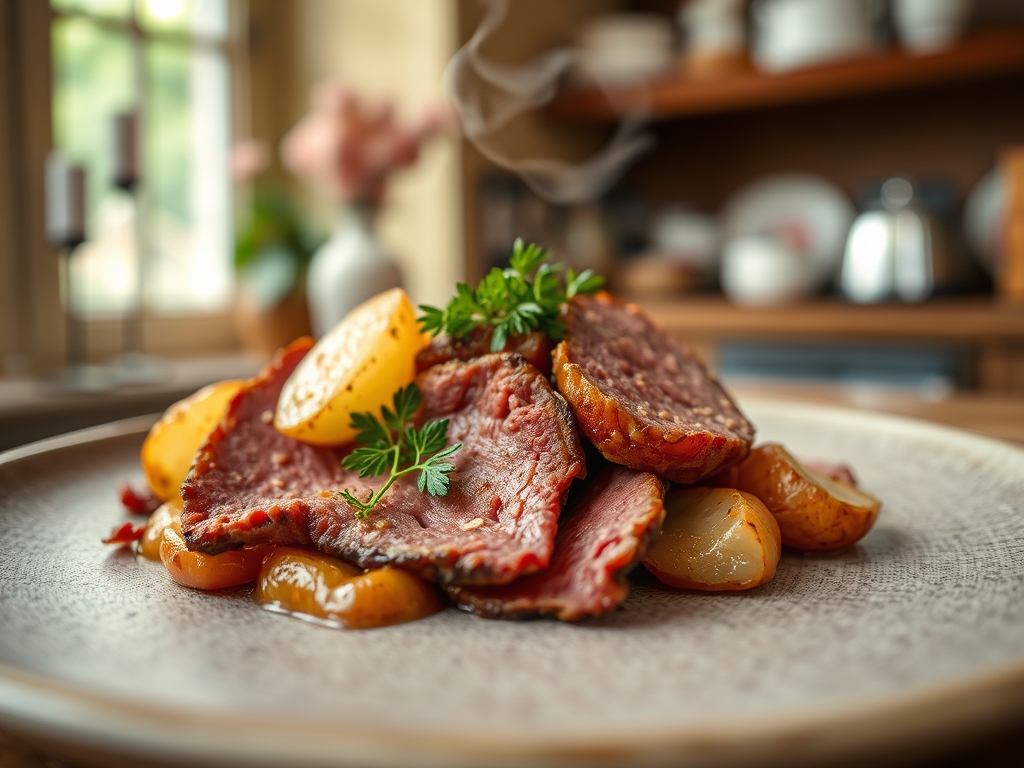
Imagine the scent of salt-cured brisket hitting a screaming hot cast iron surface; it is a fragrance that bridges the gap between heritage and high-end comfort. When you master corned beef and potato recipes, you are not just making dinner; you are conducting a symphony of starch and sodium. The magic lies in the contrast between the piquant, spice-rubbed beef and the creamy, earthy profile of a perfectly cooked tuber.
Whether you are staring at a pile of leftover brisket or starting fresh with a raw flat-cut, the chemistry of these two ingredients is undeniable. Potatoes act as a molecular sponge, absorbing the rendered fats and concentrated brines that escape the beef during the cooking process. This creates a flavor profile that is deeply savory and incredibly satisfying. We are going to explore eight ways to elevate this humble pairing into something truly gourmet, focusing on the technical nuances that separate a soggy hash from a crispy, golden masterpiece.
In this guide, we will dive into the physics of the Maillard reaction and the importance of starch management. You will learn how to manipulate textures using professional techniques like parboiling and cold-fat rendering. By the time we are finished, your kitchen will smell like a high-end bistro, and you will have the technical confidence to improvise with these staples whenever the craving strikes.
The Gathers:
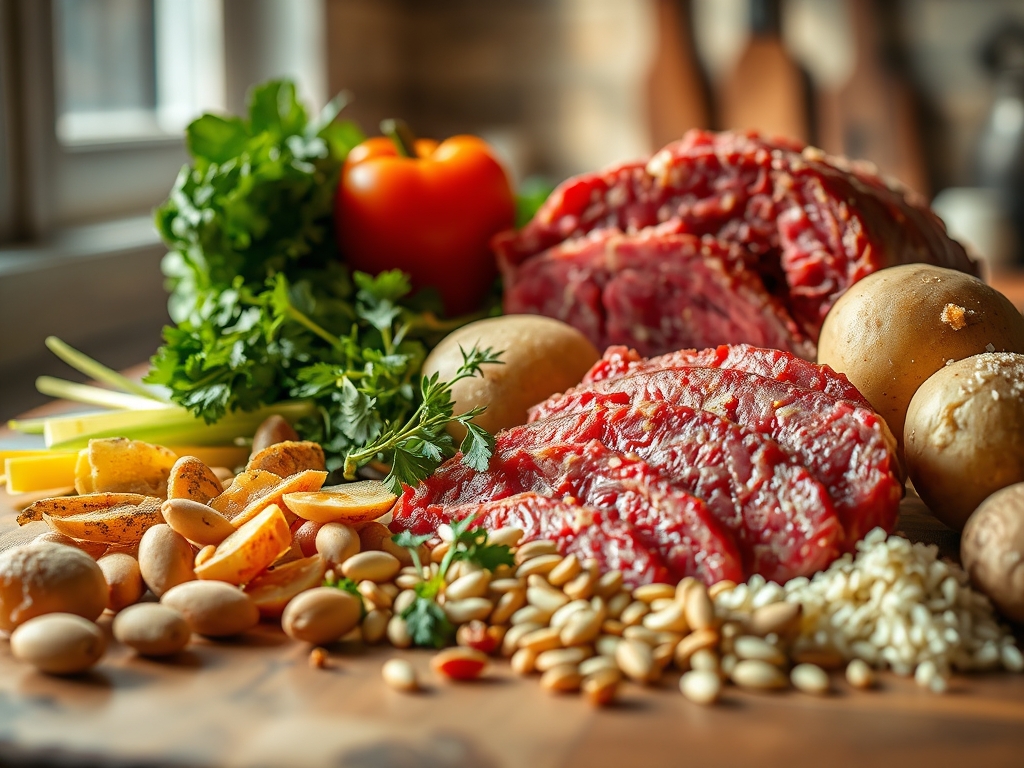
To execute these corned beef and potato recipes with precision, your mise-en-place must be impeccable. Start with your protein. If using pre-cooked corned beef, ensure it is chilled; cold fat is easier to dice into uniform cubes using a sharp chef knife. For the potatoes, reach for high-starch varieties like Russets for maximum crispiness, or waxy Yukon Golds if you desire a buttery, intact dice that holds its shape during a long simmer in a saucier.
Your aromatics should include yellow onions for their high sugar content (essential for caramelization) and fresh garlic. Do not forget the "supporting cast" of acids and heat. A splash of apple cider vinegar or a dollop of Dijon mustard provides a piquant counterpoint to the heavy fats. For tools, have your heavy-bottomed skillet ready to ensure even heat distribution, and keep a digital scale nearby to balance your meat-to-potato ratio. A 1:1 ratio by weight is the gold standard for a balanced bite.
Smart Substitutions:
If you are looking to lighten the profile, swap half of the potatoes for diced celery root or parsnips. These root vegetables offer a similar density but bring a nutty, herbaceous complexity to the dish. If corned beef is unavailable, high-quality pastrami is a brilliant substitute; it offers a similar brine profile with an added smoky crust that enhances the overall depth of the recipes.
The Clock
Efficiency in the kitchen is about "Chef's Flow," which is the art of overlapping tasks to minimize downtime. For most corned beef and potato recipes, you are looking at a 15-minute prep window and a 30 to 45-minute cook time. The secret to speed is the "Parallel Path" method. While your potatoes are parboiling in salted water to soften their exterior starches, you should be dicing your beef and onions.
By the time the potatoes are drained and slightly steam-dried, your skillet should already be preheating with a thin film of neutral oil. This ensures that the moment the ingredients touch the pan, the searing process begins immediately. Total active time is usually under an hour, making these dishes perfect for a high-energy weeknight meal or a sophisticated weekend brunch.
The Masterclass
1. The Parboil and Rough-Up
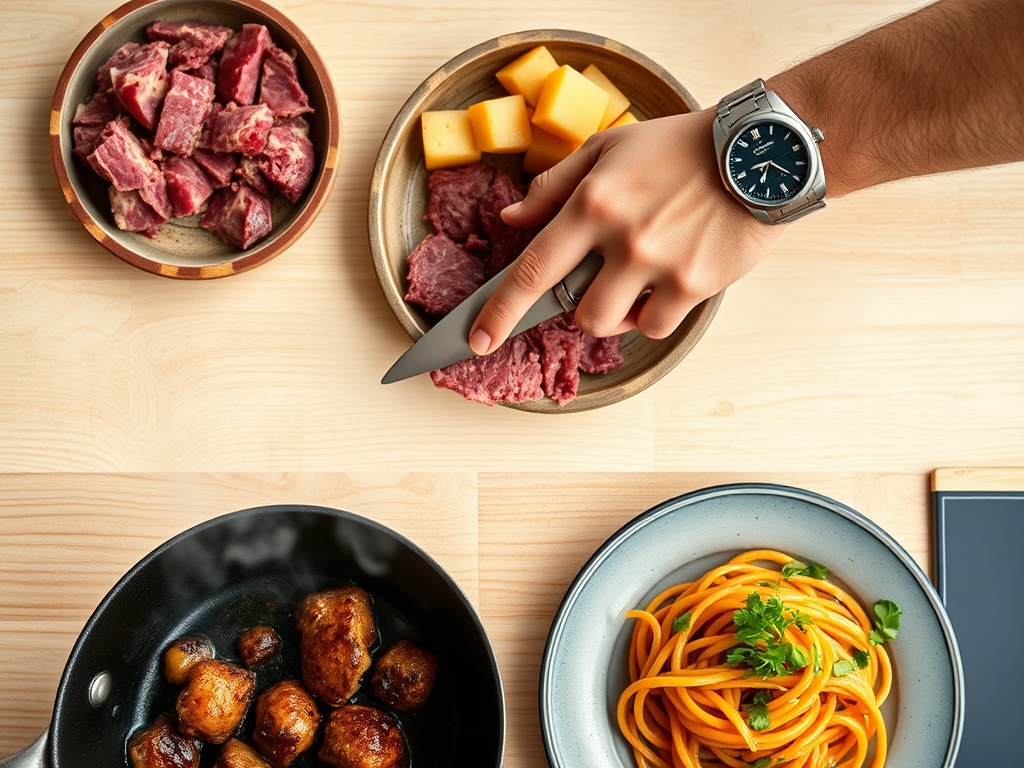
Place your diced potatoes in cold, salted water and bring to a boil. Cook until the edges are just tender but the center remains firm. Drain them and give the colander a vigorous shake to roughen the surface.
Pro Tip: This "roughing" increases the surface area of the potato. When these jagged edges hit hot oil, they undergo dehydration synthesis, creating a much thicker, crunchier crust than a smooth-cut potato ever could.
2. Rendering the Fat
Place your diced corned beef into a cold, heavy-bottomed skillet and turn the heat to medium. Use tongs to move the pieces around as the fat begins to liquefy and render.
Pro Tip: Starting with a cold pan allows the intramuscular fat to melt slowly before the exterior of the meat overcooks. This rendered fat becomes the primary cooking medium for your vegetables, infusing the entire dish with beefy richness.
3. The Sauté of Aromatics
Once the beef is browned, use a slotted spoon to remove it, leaving the fat behind. Add your onions and peppers. Sauté until they are translucent and have picked up the "fond" (the brown bits) from the bottom of the pan.
Pro Tip: This process is called deglazing via moisture release. The water from the onions dissolves the caramelized proteins on the pan surface, incorporating that deep flavor back into the base of your dish.
4. The Golden Sear
Add your parboiled potatoes into the skillet with the rendered fat. Spread them in a single layer and resist the urge to stir for at least five minutes. You want to hear a consistent sizzle.
Pro Tip: This is the Maillard reaction in action. By leaving the potatoes undisturbed, you allow the amino acids and reducing sugars to reorganize into hundreds of different flavor compounds and a deep brown color.
5. The Reintegration
Add the beef back into the pan along with your spices (thyme, black pepper, and perhaps a pinch of cayenne). Toss everything together using a bench scraper or spatula to ensure even distribution without mashing the potatoes.
Pro Tip: This final toss allows for thermal carryover. The residual heat from the potatoes gently warms the beef back to serving temperature without toughening the protein fibers.
6. The Acidic Brightening
Just before serving, stir in a teaspoon of vinegar or a squeeze of fresh lemon juice. Garnish with chopped parsley or chives for a pop of color and freshness.
Pro Tip: Fat and salt can mute the palate over time. Adding a high-acid component at the end "wakes up" the taste buds by balancing the pH of the dish, making every bite taste as vibrant as the first.
The Deep Dive
From a nutritional perspective, corned beef and potato recipes are powerhouses of protein and complex carbohydrates. A standard serving provides roughly 25g of protein and a significant dose of potassium from the potatoes. To make this Keto-friendly, replace the potatoes with roasted cauliflower florets. For a Vegan version, use "corned" seitan and Yukon Gold potatoes sautéed in avocado oil.
The Fix-It:
- Soggy Potatoes: Usually caused by overcrowding the pan. Fix it by removing half the ingredients and searing in batches to allow steam to escape.
- Too Salty: Corned beef is naturally high in sodium. Fix it by adding more unsalted potatoes or a dollop of unsweetened sour cream to dilute the salt concentration.
- Tough Meat: This happens if the beef is boiled too hard. Fix it by adding a splash of beef stock and covering the pan for three minutes to "steam-soften" the fibers.
Meal Prep: To maintain "day-one" quality, store the beef and potatoes in an airtight container. When reheating, avoid the microwave, which turns potatoes "rubbery" due to starch retrogradation. Instead, use a toaster oven or a dry skillet to re-crisp the exterior.
The Wrap-Up
Mastering corned beef and potato recipes is a rite of passage for any home cook looking to blend scientific precision with soulful flavors. By focusing on the texture of your tubers and the rendering of your beef fats, you transform basic ingredients into a culinary event. Remember; the secret is in the sear and the patience to let the Maillard reaction do its work. Now, grab your skillet and go create something legendary!
The Kitchen Table
Why are my potatoes sticking to the pan?
Potatoes stick when the starch has not yet formed a dehydrated crust. Ensure your oil is shimmering hot before adding them and wait for the Maillard reaction to naturally release the potato from the surface before flipping.
Can I use canned corned beef for these recipes?
Yes, but the texture is much softer. To succeed, chill the can first so you can slice it into clean cubes. Fry the beef separately until crispy before folding it into your cooked potatoes to prevent it from disintegrating.
What is the best potato for corned beef hash?
Yukon Golds are the professional choice. They contain a medium starch content that allows for a crispy exterior while maintaining a creamy, "buttery" interior that does not crumble as easily as a Russet when tossed in a skillet.
How do I store leftovers without them getting mushy?
Cool the dish completely before sealing it in a glass container. This prevents steam from trapped moisture softening the crust. Reheat in a hot, dry skillet or an air fryer at 350F to restore the original crunch.