
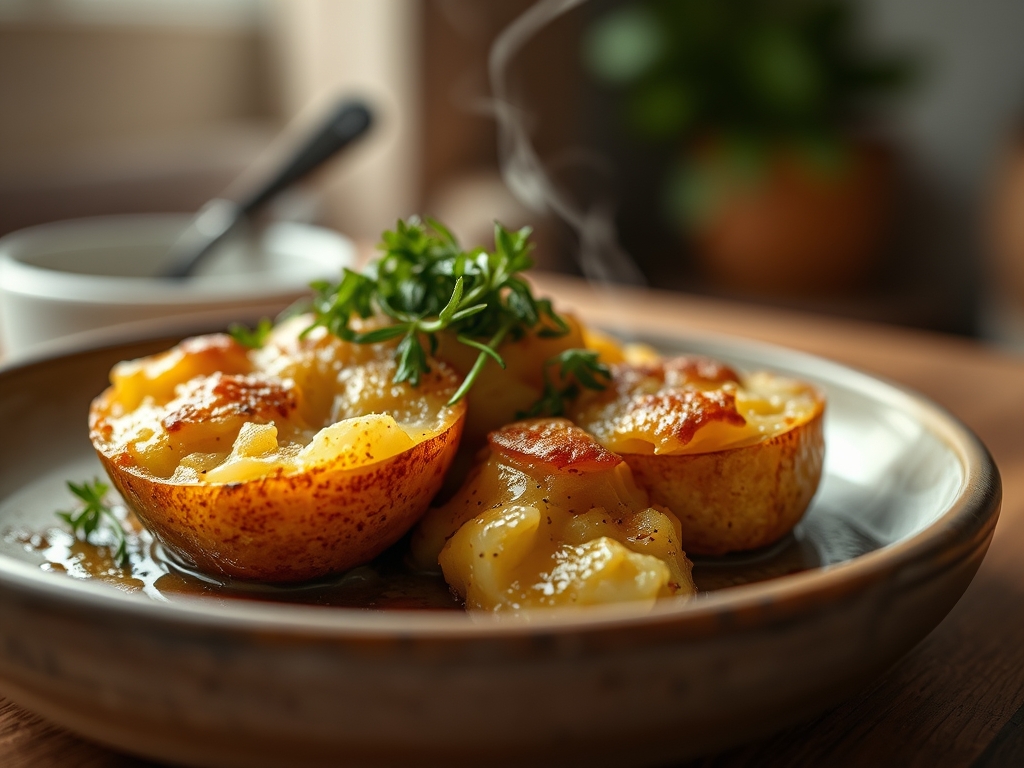
Picture a kitchen at dusk where the air carries a heavy, velvet scent of bubbling Gruyere and toasted nutmeg. There is a specific kind of magic in slow cooker au gratin potato recipes that transforms a humble tuber into a shimmering, stratified masterpiece of dairy and starch. While traditional oven methods often result in charred edges and a dry center, the gentle, omnidirectional heat of a slow cooker creates a custard-like interior that is impossible to replicate elsewhere. We are moving beyond the watery, gray side dishes of the past. Today, we are engineering a side dish that demands center stage. By leveraging the low and slow thermal profile of your ceramic insert, we allow the starches to gelatinize perfectly without breaking the delicate emulsion of the sauce. This is not just a meal; it is a lesson in molecular comfort. We are going to harness the power of time to create a dish that is deeply savory, piquant, and structurally sound enough to hold its own next to a prime rib or a simple roasted chicken.
The Gathers:
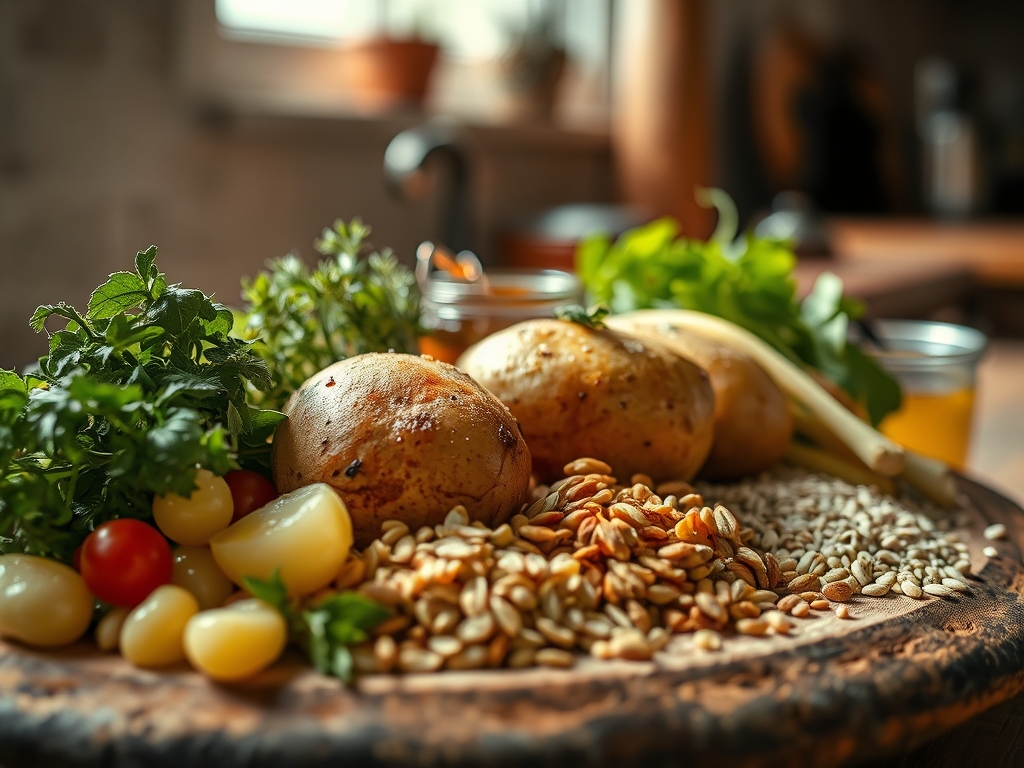
Before we engage the heating element, we must curate our mise en place with the precision of a chemist. The foundation of all superior slow cooker au gratin potato recipes starts with the potato selection. Reach for Yukon Golds. Their medium starch content provides a natural creaminess while maintaining structural integrity. You will need a digital scale to ensure you have exactly three pounds of tubers. For the liquid gold, we use a blend of heavy cream and whole milk to achieve a specific viscous mouthfeel.
Our cheese profile requires a balance of meltability and sharp flavor. Use a microplane to finely grate a combination of aged sharp cheddar and a nutty Comte or Gruyere. Finely grated cheese incorporates into the sauce more readily than thick shreds, preventing an oily separation. You will also need fresh thyme, three cloves of garlic, and a pinch of freshly grated nutmeg to infuse the cream.
Smart Substitutions: If you are avoiding dairy, a high fat coconut milk combined with nutritional yeast can mimic the richness, though the flavor profile will shift toward the tropical. For a lighter version, swap half the heavy cream for a rich chicken bone broth to add depth without the caloric density of pure fat.
The Clock:
The "Chef's Flow" for this dish is remarkably efficient. Prep time requires approximately 20 minutes of focused labor, primarily centered on slicing and whisking. Once the slow cooker is toggled to "Low," you have a four to five hour window of passive cooking. If you are in a rush, the "High" setting will yield results in about two and a half hours, though the edges may caramelize more aggressively. Always allow for a 20 minute "resting" phase after the timer expires. This allows the starches to reabsorb the residual liquid, ensuring your slices do not slide apart upon serving.
The Masterclass:
1. The Precision Slice
Using a sharp mandoline or a steady chef's knife, slice your potatoes into uniform 1/8 inch rounds. Consistency is the primary variable in even cooking. As you slice, keep the potatoes in a bowl of cold water to prevent enzymatic browning, which occurs when polyphenol oxidase reacts with oxygen.
Pro Tip: Uniform thickness ensures that every slice reaches the same internal temperature simultaneously, preventing the "crunchy center" syndrome common in unevenly prepped dishes.
2. The Aromatic Infusion
In a saucier or small heavy-bottomed skillet, gently warm your cream, milk, smashed garlic, and thyme over low heat. Do not let it boil. You are looking to infuse the fats with the essential oils of the aromatics.
Pro Tip: Warming the liquid before adding it to the slow cooker kickstarts the thermal process, reducing the time the potatoes spend in the "danger zone" where bacteria can multiply.
3. The Structural Layering
Grease your slow cooker insert generously with softened butter. Layer the potatoes in a shingled pattern, seasoning every two layers with a pinch of kosher salt and cracked black pepper. This ensures flavor penetrates every level of the dish.
Pro Tip: Shingling creates small pockets for the sauce to pool, which encourages the gelatinization of starches, acting as a natural binder for the final structure.
4. The Emulsion Pour
Whisk a tablespoon of flour or cornstarch into your warm cream mixture to create a light slurry. Pour this over the potatoes until they are nearly submerged. Use a bench scraper or a flat spatula to gently press down on the potatoes, ensuring no dry pockets remain.
Pro Tip: The addition of a small amount of starch stabilizes the dairy emulsion, preventing the sauce from "breaking" or curdling during the long cooking cycle.
5. The Cheese Integration
Reserve half of your grated cheese for the final hour of cooking. Adding all the cheese at the beginning can lead to an overly oily surface. Sprinkle the first half over the middle layer of potatoes to create an internal cheese "web."
Pro Tip: This staggered addition maintains the integrity of the milk proteins, ensuring a smooth, gooey texture rather than a rubbery cap.
6. The Thermal Finish
Cover the slow cooker with a clean kitchen towel before placing the lid on top. This absorbs excess steam and prevents condensation from dripping back onto the potatoes, which would dilute the sauce.
Pro Tip: Controlling moisture levels prevents the dish from becoming "soupy" and encourages a more concentrated, savory flavor profile.
The Deep Dive:
From a macro perspective, this dish is a powerhouse of carbohydrates and fats. A standard serving provides approximately 320 calories, with a significant dose of potassium from the skins and calcium from the dairy. For those on specific diets, the Keto version involves swapping potatoes for sliced cauliflower or daikon radish. Vegan adaptations require a cashew-based cream and a high quality vegan butter.
The Fix-It:
- Curdled Sauce: This usually happens if the heat was too high. To fix, stir in a splash of cold heavy cream at the end to re-emulsify the fats.
- Hard Potatoes: If the timer is up and they are still firm, your slices were likely too thick. Increase heat to "High" and add 30 minutes.
- Too Much Liquid: If it looks like a soup, remove the lid and cook on "High" for the last 45 minutes to aerate and evaporate excess moisture.
Meal Prep: To reheat, do not use a microwave if possible. Place leftovers in a small oven-safe dish with a tablespoon of milk and cover with foil. Heat at 350 degrees Fahrenheit to maintain that "day-one" creamy texture without the fats separating.
The Wrap-Up:
Mastering slow cooker au gratin potato recipes is about understanding the intersection of patience and chemistry. By controlling the starch release and stabilizing your dairy emulsion, you create a side dish that is far more than the sum of its parts. This method allows you to reclaim your evening while the slow cooker does the heavy lifting. The result is a decadent, golden, and perfectly seasoned masterpiece that will have your guests asking for the "secret" ingredient. The secret, of course, is you.
The Kitchen Table:
Which potatoes are best for slow cooking?
Yukon Gold potatoes are the superior choice. They possess a naturally buttery texture and a medium starch content that holds its shape during long cooking cycles without becoming grainy or falling apart like Russets often do.
Why did my au gratin sauce curdle?
Sauces typically curdle due to high heat or high acidity. In a slow cooker, the dairy can break if it reaches a boil. Using heavy cream instead of low-fat milk provides more stability against heat-induced protein clumping.
Can I put raw potatoes in the slow cooker?
Absolutely. Raw potatoes are the standard for this dish. However, slicing them thinly and uniformly is vital. Pre-soaking them in cold water to remove excess surface starch also helps prevent the sauce from becoming overly gummy.
How do I get a crispy top in a slow cooker?
Slow cookers trap moisture, so they cannot crisp. To achieve a golden crust, transfer the ceramic insert to a 425 degree oven for 10 minutes at the end, or use a handheld kitchen torch to caramelize the cheese.