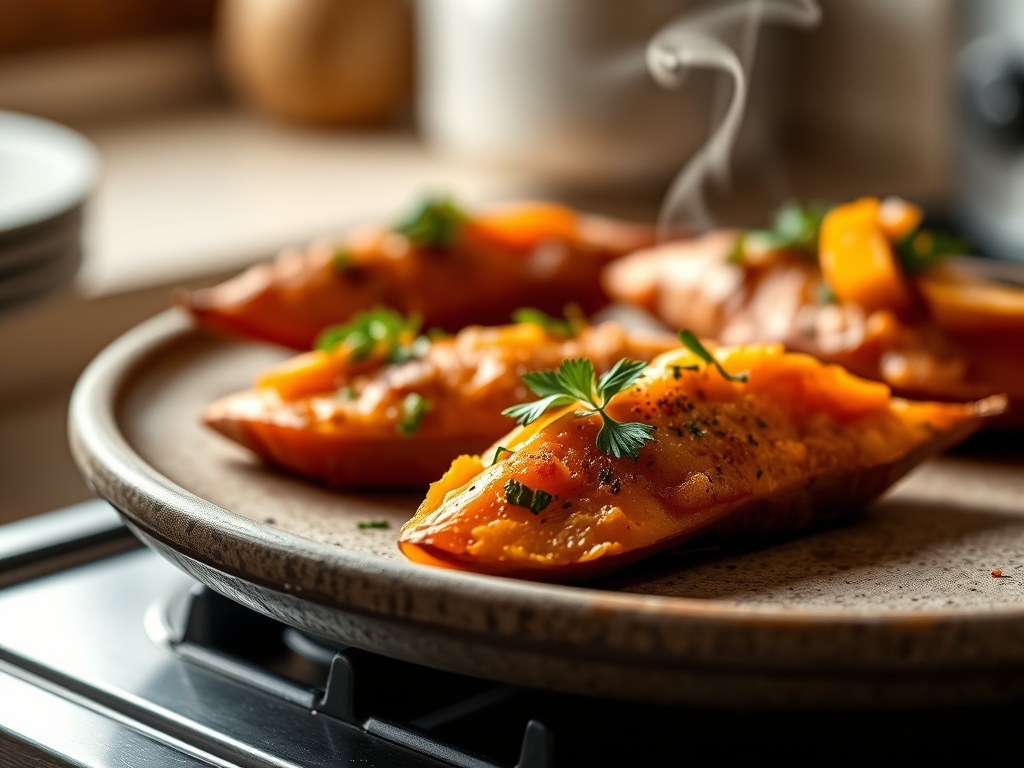
Imagine the scent of caramelizing sugars hitting a hot surface; it is that distinct, earthy perfume that signals comfort is coming. When you are starving but want something sophisticated, mastering sweet potato recipes on stove top is your ultimate culinary superpower. We are moving past the era of waiting sixty minutes for a soggy oven tuber. We are talking about high-heat searing, velvety purees, and crispy medallions that take less time than a single episode of a sitcom. This is about harnessing the power of the skillet to transform a humble root into a five-star side dish.
The magic lies in the stovetop's ability to provide direct thermal contact. While an oven relies on ambient air, your heavy-bottomed skillet uses conduction to trigger the Maillard reaction almost instantly. This chemical marriage between amino acids and reducing sugars creates that savory, toasted crust we crave. I have spent years perfecting these six lightning-fast hacks because, frankly, life is too short for bland vegetables. We are going to manipulate starch structures and play with acidity to unlock flavors you didn't know a tuber could possess. Grab your apron; we are about to turn your kitchen into a high-speed flavor laboratory.
The Gathers:
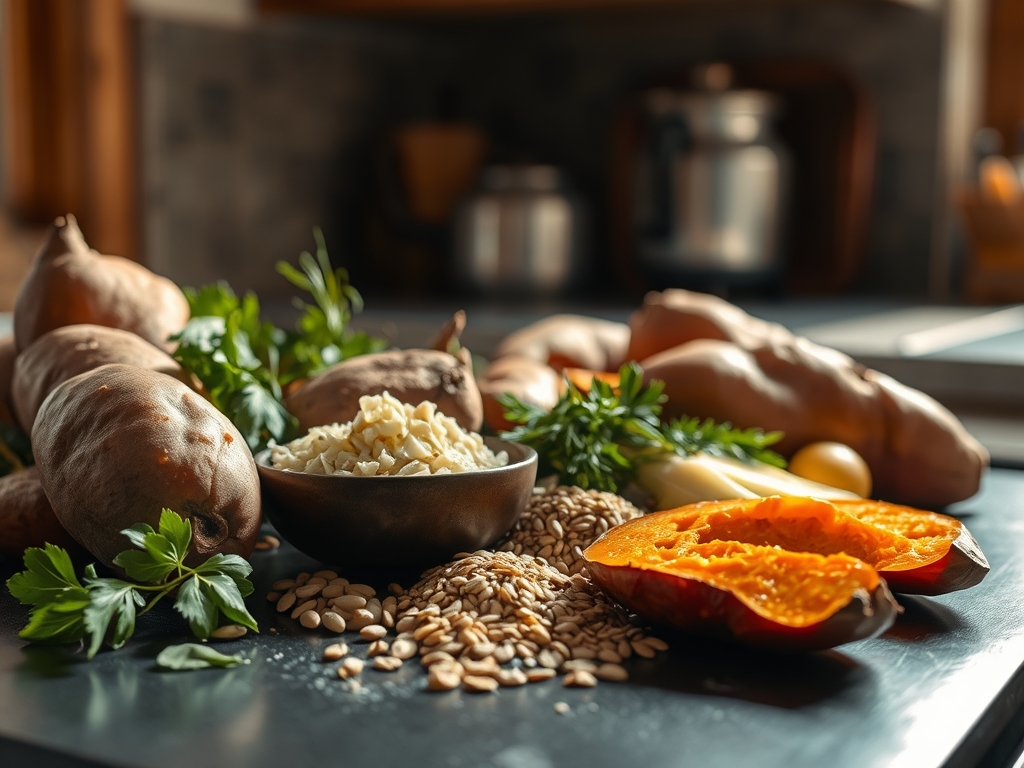
To execute these sweet potato recipes on stove top with precision, your mise-en-place must be impeccable. Start with the star of the show: firm, unblemished Garnet or Jewel sweet potatoes. These varieties have a high moisture content which is essential for achieving a viscous interior while the exterior crisps. You will need a high-smoke-point fat like avocado oil or clarified butter (ghee) to prevent acrid flavors during high-heat searing.
Gather your aromatics: fresh thyme, rosemary, and garlic cloves. We are not just tossing them in; we are going to infuse the fat to create a flavor base. Have a coarse sea salt and a pepper mill ready. For a "Smart Substitution," if you are out of fresh herbs, a pinch of smoked paprika or ground cumin can provide a piquant depth. If you want to cut the sugar profile, swap a portion of the sweet potato for parsnips; they share a similar density but offer a peppery, herbal counterpoint. Finally, keep a bottle of apple cider vinegar or a fresh lemon nearby. A splash of acid at the end of cooking will deglaze the pan and brighten the heavy starches.
The Clock:
Efficiency is the hallmark of a professional kitchen. This is what I call "Chef's Flow." Total active prep time for these hacks is exactly ten minutes. If you use a sharp mandoline or a well-honed chef's knife, you can reduce your vegetable breakdown to under five minutes. The actual cooking time across these methods ranges from eight to fifteen minutes.
The secret to the "Flow" is multitasking. While your skillet preheats on medium-high, you are slicing. By the time the first wisps of vapor rise from the oil, your first batch is ready to hit the pan. We are eliminating the "dead time" usually associated with roasting. Because we are using smaller geometries (cubes, ribbons, or thin discs), the surface-area-to-volume ratio is optimized for rapid heat penetration. You are not just cooking; you are engineering a faster path to dinner.
The Masterclass:
1. The Flash-Sear Medallion
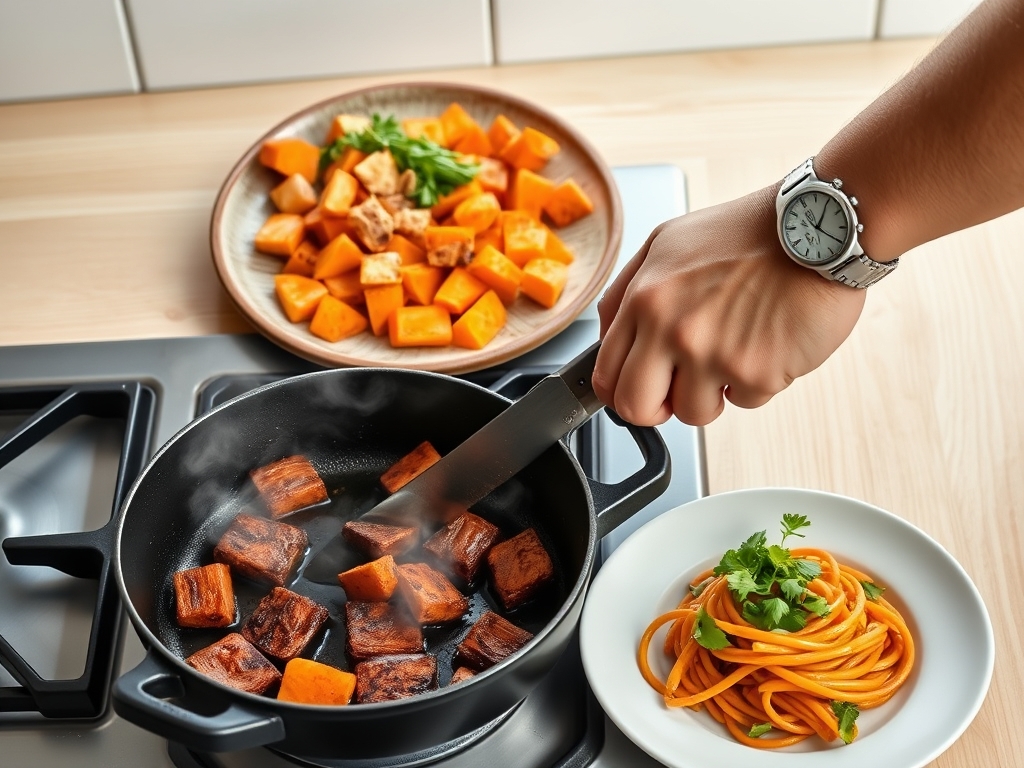
Slice your potatoes into quarter-inch rounds. Heat two tablespoons of oil in a cast-iron skillet until it shimmers. Lay the discs in a single layer, ensuring they do not overlap. Sear for four minutes per side until a dark amber crust forms.
Pro Tip: This relies on thermal conductivity. If you crowd the pan, the moisture escaping the potatoes will create steam, preventing the crust from forming. Use tongs to flip each piece individually to maintain consistent contact.
2. The Ten-Minute Smashed Hash
Dice the potato into tiny half-inch cubes. Toss them into a hot saucier with a splash of water and cover for three minutes to steam-soften. Remove the lid, add butter, and use a heavy spatula to press them down, frying until the edges are jagged and gold.
Pro Tip: This technique utilizes gelatinization. The brief steam period breaks down the starch granules so the interior stays fluffy while the high-fat fry creates a "shatter-crisp" exterior.
3. The Savory Stovetop Ribbon
Use a vegetable peeler to create long, thin ribbons. Flash-fry these in a shallow pool of oil for only ninety seconds. Drain on a wire rack and dust with salt immediately.
Pro Tip: Because the surface area is so high, enzymatic browning happens almost instantly. Constant movement with a spider strainer ensures they don't clump into a greasy mass.
4. The Deglazed Sweet-and-Sour Sauté
Sauté wedges until browned, then pour in a mixture of honey and balsamic vinegar. Stir rapidly as the liquid reduces into a thick, glossy lacquer that coats every piece.
Pro Tip: This is a lesson in viscosity. As the water evaporates from the vinegar, the sugars concentrate. Be careful of "carryover cooking" where the residual heat continues to darken the glaze after you turn off the flame.
5. The Infused Garlic Butter Mash
Boil small chunks in a shallow pan of salted water until tender (about eight minutes). Drain, then return to the hot pan with garlic-infused butter and use a microplane to zest in fresh ginger.
Pro Tip: Use a whisk to aerate the mash. Incorporating air pockets makes the dense starch feel lighter on the palate, a trick used by high-end bistros to make sides feel more luxurious.
6. The Skillet "Baked" Potato
Slice a medium potato in half lengthwise. Place it cut-side down in a lidded pan with a tablespoon of oil and two tablespoons of water. Cook on medium for twelve minutes.
Pro Tip: The lid creates a micro-steaming environment. The water cooks the center while the oil fries the face-down surface, giving you the texture of a roasted potato in a fraction of the time.
The Deep Dive:
From a nutritional standpoint, sweet potatoes are a powerhouse of Beta-Carotene and fiber. One medium potato provides over 400 percent of your daily Vitamin A needs. Because we are using healthy fats like avocado oil on the stove, we are actually increasing the bioavailability of these fat-soluble vitamins.
For dietary swaps, these sweet potato recipes on stove top are naturally gluten-free. To make them Vegan, simply use coconut oil or a high-quality vegan butter. If you are following a Keto-adjacent lifestyle, keep the portions small and pair them with high-protein anchors to mitigate the glycemic load.
"The Fix-It" section: If your potatoes are sticking, your pan wasn't hot enough before adding the fat. If they are burnt on the outside but raw inside, your flame is too high; lower the heat and add a teaspoon of water to create steam. If they are mushy, you likely used too much oil or crowded the pan.
For meal prep, reheating is a science. Avoid the microwave, which turns starches gummy. Instead, toss your leftovers back into a dry, hot skillet for three minutes. This re-activates the fats and restores that "day-one" crunch.
The Wrap-Up:
You are now officially armed with the technical skills to dominate the stovetop. No more waiting on the oven or settling for mediocre sides. These hacks prove that with a little chemistry and the right tools, you can create gourmet results in the time it takes to set the table. Go ahead and experiment with different spice profiles or fats. Your kitchen is your playground, and the sweet potato is your most versatile toy. Now, get that skillet screaming hot and show those tubers who is boss!
The Kitchen Table:
Can I use white potatoes for these recipes?
Yes, but white potatoes have less sugar and more starch. You may need slightly more oil and a longer cook time to achieve the same level of caramelization found in sweet potato recipes on stove top.
What is the best pan for stovetop sweet potatoes?
A heavy-bottomed cast-iron skillet or a stainless steel tri-ply pan is best. These materials hold heat consistently, which is vital for the Maillard reaction and preventing "hot spots" that cause burning.
How do I stop the potatoes from turning brown after cutting?
This is caused by oxidation. To prevent it, place your cut pieces in a bowl of cold water with a squeeze of lemon juice. Pat them completely dry before they hit the hot oil.
Is it necessary to peel the sweet potatoes first?
Not at all. The skin contains significant fiber and nutrients. As long as you scrub them well with a vegetable brush, the skin adds a pleasant, rustic texture to your stovetop dishes.