
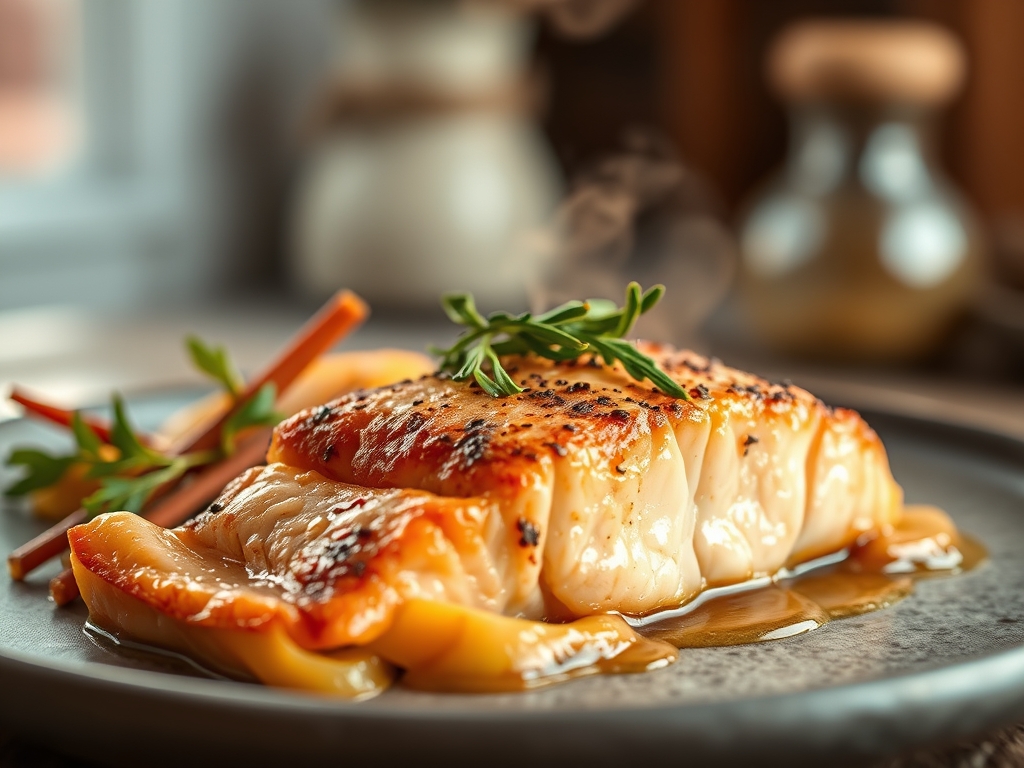
Picture this: you just walked through the door after a day that felt like a marathon, and the refrigerator is a desert of condiments and wilted greens. You have a bag of ice-cold fillets in the freezer, but you assume a gourmet meal is hours away. Think again. Mastering easy frozen salmon recipes is the ultimate culinary power move for the busy professional who refuses to sacrifice flavor for convenience. We are bypassing the sluggish overnight thaw and heading straight for the oven. By leveraging the physics of thermal conductivity, we can transform a solid block of protein into a flaky, butter-soft masterpiece in under twenty minutes. It is not just about survival; it is about utilizing the unique moisture retention of frozen fish to achieve a level of succulence that fresh fillets often lose during high-heat searing. We are going to use science to turn "ice-cold" into "chef-standard" with zero stress and maximum impact.
The Gathers:
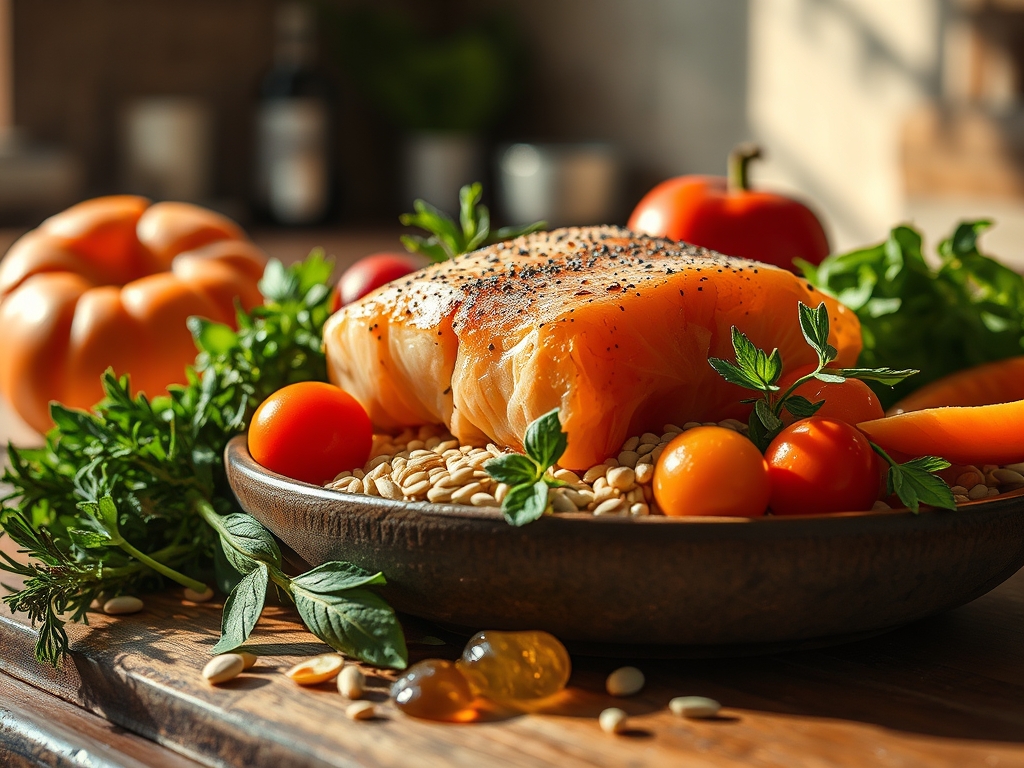
To execute these hacks, your mise-en-place must be precise. Gather four to six frozen salmon fillets, preferably vacuum-sealed to prevent freezer burn. You will need a viscous fat source like extra virgin olive oil or clarified butter to facilitate heat transfer. For the flavor profile, reach for a microplane to zest fresh lemons and grate pungent garlic. The aromatics are the soul of this dish; think fresh dill, cracked peppercorns, and a high-quality sea salt to trigger osmosis and season the flesh deeply.
Smart Substitutions: If you lack fresh citrus, a splash of white wine or verjus provides that essential piquant acidity. No butter? Use a high-smoke-point avocado oil to ensure the skin (if present) can render its fat without burning. If you are avoiding sodium, use a heavy hand with smoked paprika or toasted cumin to provide a savory depth that mimics the "umami" of salt.
The Clock
Efficiency is the byproduct of a "Chef's Flow." Total preparation time is a mere five minutes, as we are skipping the thawing phase entirely. The cooking duration sits between 16 and 22 minutes depending on the thickness of your fillets. Use this time strategically. While the salmon is in the oven, you have a fifteen-minute window to aerate a light couscous or whisk together a vibrant vinaigrette in a saucier. This synchronized timing ensures that every component of your meal hits the table at the perfect temperature.
The Masterclass
1. The Initial Thermal Shock
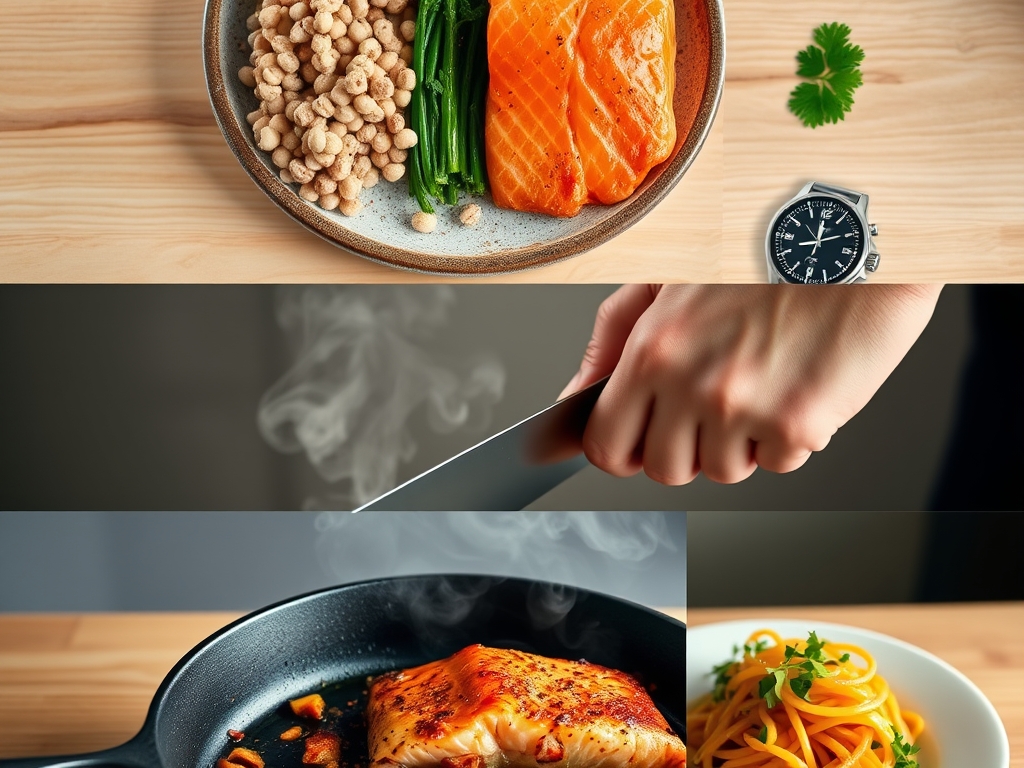
Place your frozen fillets directly onto a parchment-lined baking sheet. Do not season yet; the ice crystals on the surface will prevent oil and spices from adhering. Slide them into a preheated 425 degree Fahrenheit oven for four minutes. This initial blast of heat evaporates surface frost.
Pro Tip: This is known as sublimation. By turning the surface ice directly into vapor, you create a dry exterior that allows the oil to eventually bond with the protein rather than sliding off in a puddle of water.
2. The Oil Barrier and Infusion
Remove the tray and use tongs to brush each fillet with a generous coating of oil. Now, apply your dry rub or salt. The heat has softened the outer millimeter of the fish, allowing the seasonings to "stick" and begin the process of flavor infusion.
Pro Tip: Fat acts as a thermal bridge. It carries the heat of the oven into the cold center of the fish more efficiently than air alone, ensuring an even cook from edge to center.
3. The Steam Enclosure
Cover the baking sheet tightly with a layer of heavy-duty aluminum foil. Return to the oven for eight to ten minutes. This creates a pressurized steam environment where the salmon cooks in its own juices, preventing the edges from drying out while the center is still frozen.
Pro Tip: This technique utilizes latent heat. The steam trapped under the foil maintains a constant temperature, gently poaching the fish and preventing the albumin (that white protein) from leaking out excessively.
4. The Final Maillard Finish
Remove the foil for the final five minutes of cooking. If you have a heavy-bottomed skillet, you can even transfer them briefly to the stovetop to crisp the skin. This is the moment to add your delicate herbs or a honey-glaze.
Pro Tip: The Maillard Reaction occurs when sugars and amino acids react under high heat. By uncovering the fish at the end, you allow surface moisture to evaporate, which triggers browning and creates complex, savory flavor compounds.
5. The Carryover Rest
Once a digital scale or thermometer registers an internal temperature of 125 degrees Fahrenheit, remove the fish from the oven. Transfer the fillets to a warm plate and let them rest for three minutes before serving.
Pro Tip: Thermal carryover means the internal temperature will continue to rise by 5 to 7 degrees after removal. Resting allows the muscle fibers to relax and reabsorb juices, ensuring a flakey rather than fibrous texture.
The Deep Dive
Macro Nutrition: Salmon is a nutritional powerhouse, offering approximately 25 grams of protein per 4-ounce serving. It is rich in Omega-3 fatty acids, specifically EPA and DHA, which are vital for cognitive function.
Dietary Swaps: For a Keto version, double the butter and serve over sautéed spinach. For a Vegan alternative, this cooking method works surprisingly well with thick slabs of cauliflower or extra-firm tofu, though cooking times will vary. All spices and oils mentioned are naturally Gluten-Free.
The Fix-It:
- White Gunk (Albumin): If too much appears, your oven is too hot. Lower the temp by 25 degrees next time.
- Soggy Skin: Ensure you use the "Final Finish" step without foil to allow moisture to escape.
- Frozen Center: If the middle is still icy, your foil seal was likely loose. Ensure a tight wrap to trap the steam.
Meal Prep Science: To reheat, avoid the microwave. Use a low-heat oven (275 degrees) with a splash of water in the pan. This re-introduces moisture and prevents the fats from becoming oxidized and "fishy" in flavor.
The Wrap-Up
Mastering easy frozen salmon recipes is about reclaiming your time without compromising your standards. By understanding the interaction between ice, steam, and fat, you turn a frozen staple into a restaurant-quality dinner. No more panicking at 6:00 PM; you have the tools, the science, and the flavor profiles to dominate your kitchen every single night of the week.
The Kitchen Table
Can you cook salmon from frozen without thawing?
Yes. Cooking from frozen preserves moisture and prevents the fish from becoming mushy. Use a two-stage process: a brief bake to remove frost, followed by a covered steam-bake to ensure the center reaches the proper internal temperature safely and quickly.
What is the best temperature for baking frozen salmon?
A high temperature of 425 degrees Fahrenheit is ideal. This intense heat is necessary to move the fish through the "danger zone" quickly and to facilitate the evaporation of surface moisture, which allows for better seasoning adhesion and texture.
How do I prevent salmon from smelling "fishy"?
Freshness is key, but for frozen fish, acidity is your best friend. Use a microplane to add fresh lemon zest or a splash of vinegar before the final bake. This neutralizes the amines responsible for that pungent, undesirable aroma.
How do I know when frozen salmon is finished cooking?
The most reliable method is using a digital thermometer to check for an internal temperature of 130 to 135 degrees Fahrenheit. Visually, the flesh should change from translucent to opaque and flake easily when pressured with a fork.