
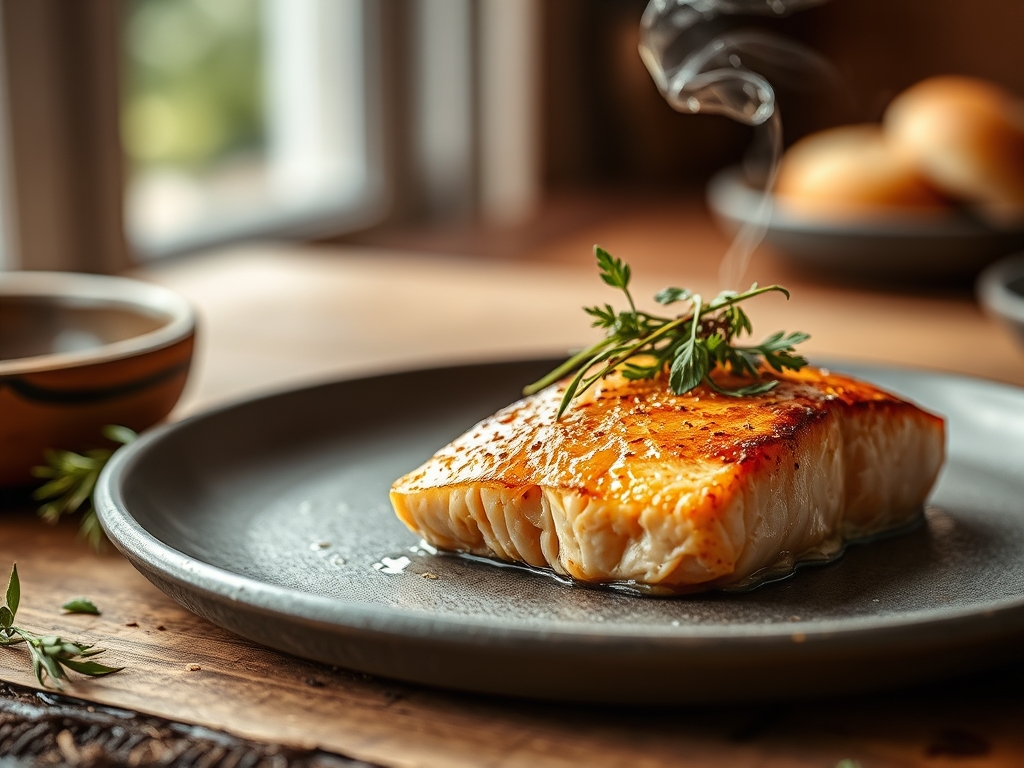
Picture a slab of fish so vibrant it mimics a sunset over the Pacific. The skin is crackling like parchment paper; the flesh is a buttery, translucent orange that flakes at the mere suggestion of a fork. While many home cooks default to Atlantic varieties, the true insiders know that steelhead salmon recipes offer a superior, leaner profile with a sophisticated mineral finish. This is not just a meal; it is a masterclass in texture and temperature management. We are moving beyond basic pan-searing into the realm of professional execution. By understanding the molecular structure of these cold-water proteins, you can transform a simple weeknight dinner into a high-end bistro experience. Whether you are aiming for a citrus-infused glaze or a simple salt-crust finish, the secret lies in the precision of your heat and the quality of your fat. Let us dive into the alchemy of the perfect sear.
The Gathers:
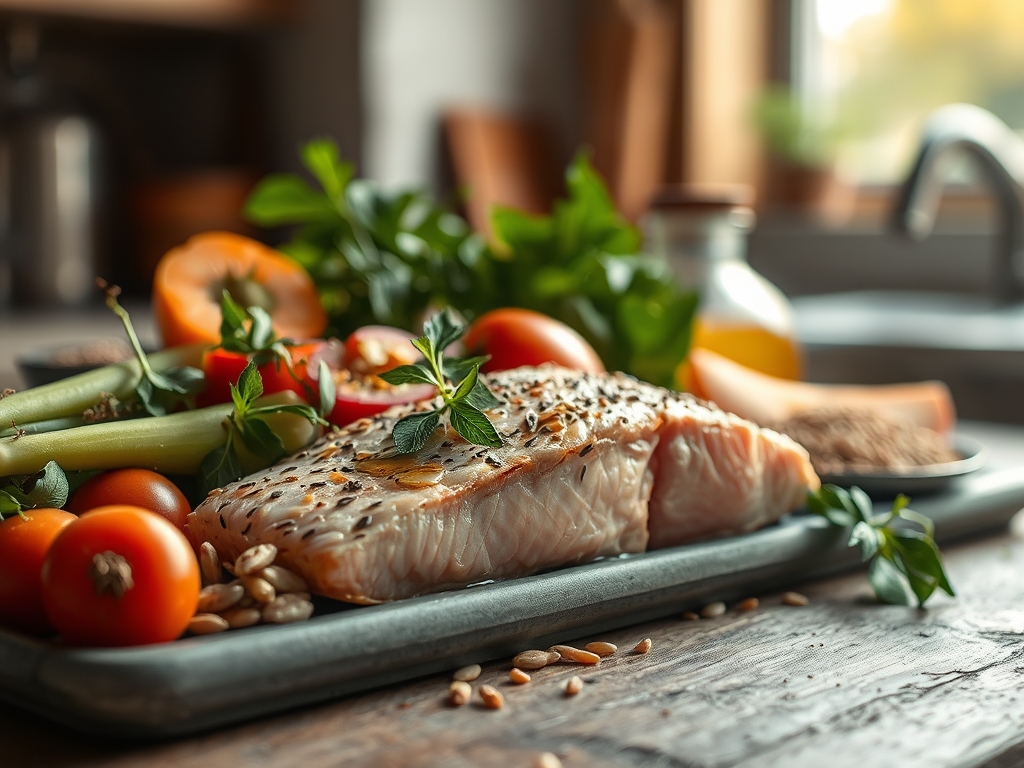
To execute elite steelhead salmon recipes, your mise-en-place must be clinical. Start with a 1.5-pound side of steelhead, ensuring it is at room temperature to prevent thermal shock. You will need high-smoke-point fats like avocado oil or clarified butter; standard butter contains milk solids that will scorch before the skin achieves maximum crispness. Gather your aromatics: three cloves of garlic smashed to release allicin, a handful of woody thyme sprigs, and a lemon for its citrus esters.
For the seasoning, skip the table salt. Use a high-quality Maldon sea salt or Diamond Crystal kosher salt; the larger crystal size allows for even distribution without over-salting the delicate muscle fibers. A microplane is essential for zesting the lemon without hitting the bitter white pith.
Smart Substitutions: If you cannot find steelhead, Arctic char is its closest genetic cousin with a similar fat-to-protein ratio. For a dairy-free richness, replace the butter baste with a viscous emulsion of olive oil and white miso paste to provide that essential umami depth.
The Clock:
The "Chef's Flow" is about synchronicity. Total active time is exactly 25 minutes. You spend 10 minutes on prep: drying the fish, mincing aromatics, and calibrating your tools. The cooking phase is a rapid 12-minute sprint.
The first 8 minutes are dedicated to the skin side; this is where the Maillard reaction creates that savory, browned crust. The final 4 minutes involve a gentle flip and a butter baste. Always allow for a 3-minute rest on a warm plate. This resting period is non-negotiable; it allows the internal juices to redistribute, ensuring the center remains succulent rather than leaking its moisture the moment you slice in.
The Masterclass:
1. The Desiccation Ritual
Use a heavy-duty paper towel to pat the skin until it is bone-dry. Moisture is the enemy of the sear. If there is water on the surface, the fish will steam rather than fry.
Pro Tip: This prevents the Leidenfrost effect, where a layer of steam actually lifts the fish off the pan, preventing the direct contact needed for a uniform gold crust.
2. Scoring for Stability
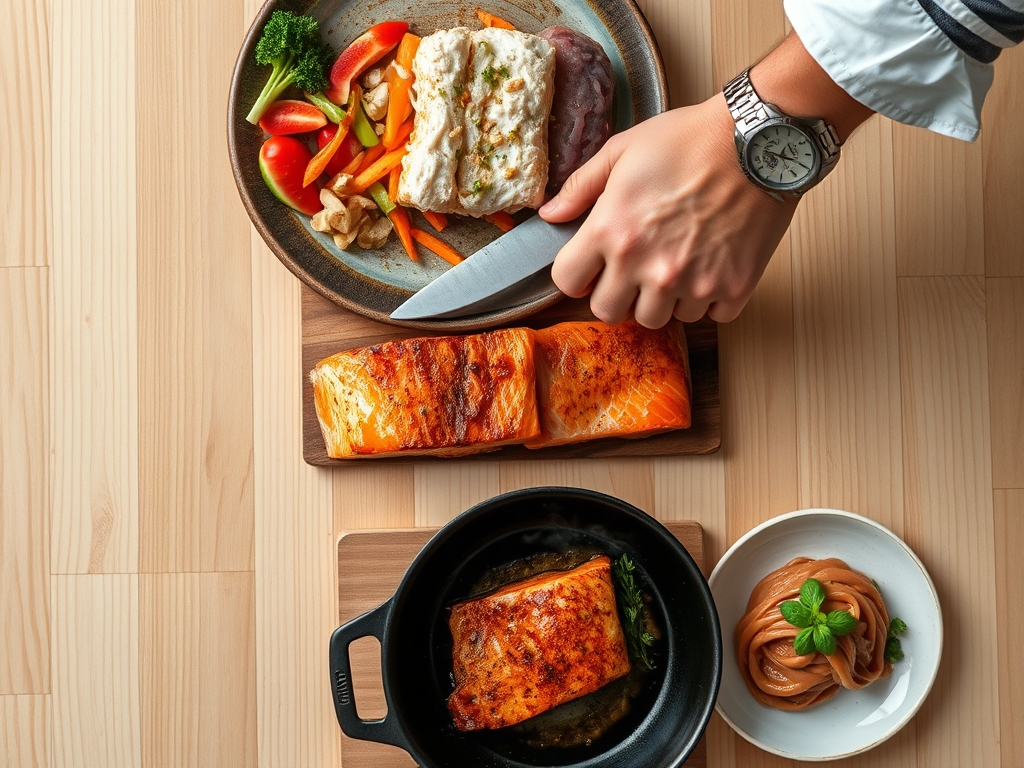
Using a sharp chef knife, make shallow, diagonal scores across the skin. Do not cut into the flesh. This allows the heat to penetrate the subcutaneous fat layer more efficiently.
Pro Tip: Scoring prevents the fish from curling. When proteins hit heat, they contract; the scores act as "relief valves" so the fillet stays flat against the cooking surface.
3. The Cold-Pan Start (Optional) or High-Heat Sear
For beginners, placing the fish in a cold, heavy-bottomed skillet and then turning the heat to medium-high allows the fat to render slowly. For experts, get the oil shimmering first.
Pro Tip: Slow rendering breaks down the connective tissue between the skin and the meat, resulting in a texture that shatters like a potato chip.
4. Constant Compression
Once the fish hits the pan, use a flexible fish spatula to press down firmly for the first 30 seconds. This ensures every millimeter of the skin is in contact with the heat.
Pro Tip: This physical pressure prevents the formation of air pockets, which lead to soggy, grey patches on the skin.
5. Monitoring the Opacity
Watch the side of the fillet. You will see the color change from translucent pink to opaque beige climbing up the side. When it reaches 75 percent of the way up, it is time to flip.
Pro Tip: This visual cue is more reliable than a timer because it accounts for the specific thickness of your individual cut of fish.
6. The Butter Baste
Add a knob of butter, your smashed garlic, and thyme to the pan. Tilt the skillet and use a large spoon to rapidly pour the foaming butter over the fish.
Pro Tip: This is called Arrosé. The hot fat carries the fat-soluble flavors of the herbs into the protein while gently finishing the top side without overcooking it.
7. The Internal Temp Check
Use a digital thermometer to pull the fish at 125 degrees Fahrenheit for medium-rare. The temperature will climb to 130 degrees during the rest.
Pro Tip: Thermal carryover continues to cook the fish even after it leaves the pan. Pulling it "early" is actually pulling it exactly on time.
8. Deglazing the Pan
Remove the fish and add a splash of dry white wine or verjus to the hot skillet. Use a whisk to scrape up the fond (the browned bits).
Pro Tip: Deglazing captures the concentrated proteins and sugars left in the pan, creating an instant, piquant pan sauce that ties the dish together.
9. The Acid Finish
Just before serving, use your microplane to shower the fish with fresh zest and a final squeeze of lemon juice to cut through the richness.
Pro Tip: Acid acts as a flavor "brightener" by stimulating salivary glands, which helps your palate perceive the complex fats of the steelhead more clearly.
The Deep Dive:
Steelhead is a nutritional powerhouse, boasting high levels of Omega-3 fatty acids and Vitamin D. It is naturally Keto and Gluten-Free. For a vegan alternative, you can apply these same searing techniques to thick slabs of King Oyster mushrooms or "steaks" of salt-baked celeriac to mimic the texture.
The Fix-It:
- Fish is sticking: You moved it too soon. The protein will naturally release from the pan once the crust has fully formed.
- White gunk appearing: This is albumin. It means the heat was too high, too fast, forcing the protein out of the muscle fibers. Lower your flame.
- Soggy skin: You likely crowded the pan. Cook in batches to ensure the steam can escape.
Meal Prep: To reheat, avoid the microwave at all costs. It vibrates water molecules and turns the fish into rubber. Instead, use a toaster oven at 275 degrees with a splash of water in the tray to create a gentle steam-reheat that preserves the moisture.
The Wrap-Up:
Mastering steelhead salmon recipes is a rite of passage for any serious home cook. It requires a balance of aggression with the heat and delicacy with the aromatics. Once you hear that first crackle in the skillet and smell the nutty aroma of browning butter, you will never go back to basic baking. Grab your heavy-bottomed skillet and get to work; your kitchen is about to become the best restaurant in town.
The Kitchen Table:
Is steelhead salmon the same as regular salmon?
No; steelhead is technically a rainbow trout that migrates to the ocean. It has a leaner, cleaner flavor profile and a more delicate flake than Atlantic salmon, making it a favorite for gourmet applications.
Why does my fish always fall apart when I flip it?
You are likely using a blunt spatula or flipping too early. Use a thin, flexible metal fish spatula and wait for the protein to naturally release from the pan surface before attempting to turn it.
Can I leave the skin off for these recipes?
You can; however, the skin acts as a protective thermal barrier. Cooking steelhead skin-on helps retain internal moisture and provides a necessary textural contrast to the soft, buttery meat.
What is the best oil for searing steelhead?
Use oils with high smoke points like avocado, grapeseed, or refined coconut oil. Avoid extra virgin olive oil for the initial sear, as it will smoke and become bitter at the required temperatures.