
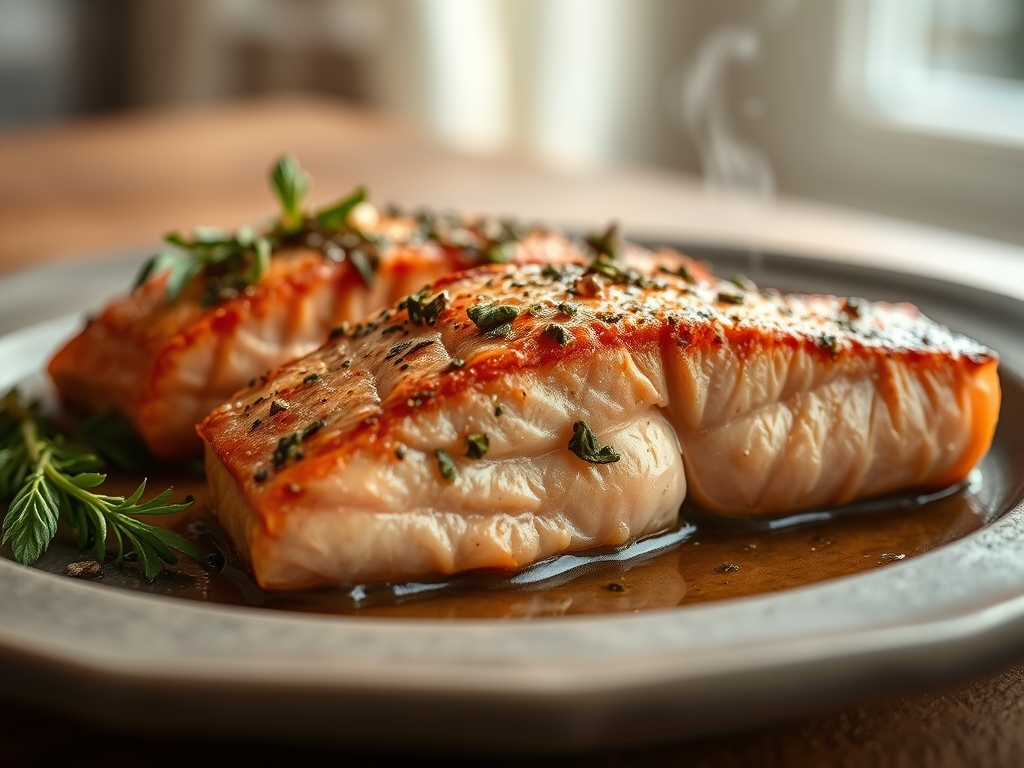
Imagine a fillet of salmon so tender it flakes under the mere suggestion of a fork; its skin shattered into a glass-like crisp while the interior remains a blushing; translucent pink. Mastering middle eastern salmon recipes is not just about heat; it is about a choreographed dance between ancient spice routes and modern molecular physics. We are moving far beyond the basic lemon and dill routine. We are diving into a world where sumac provides a tart; tannic punch and pomegranate molasses offers a viscous; complex sweetness that caramelizes under the broiler. This is high-stakes flavor that feels effortless.
The secret to these middle eastern salmon recipes lies in the tension between fat and acid. Salmon is a naturally oily fish; packed with long-chain omega-3 fatty acids that require a sharp; piquant counterpoint to prevent the palate from feeling weighed down. By utilizing the bold aromatics of the Levant; we can transform a standard Tuesday night protein into a centerpiece that vibrates with energy. Get your heavy-bottomed skillet ready; because we are about to re-engineer your relationship with seafood through the lens of a professional stylist.
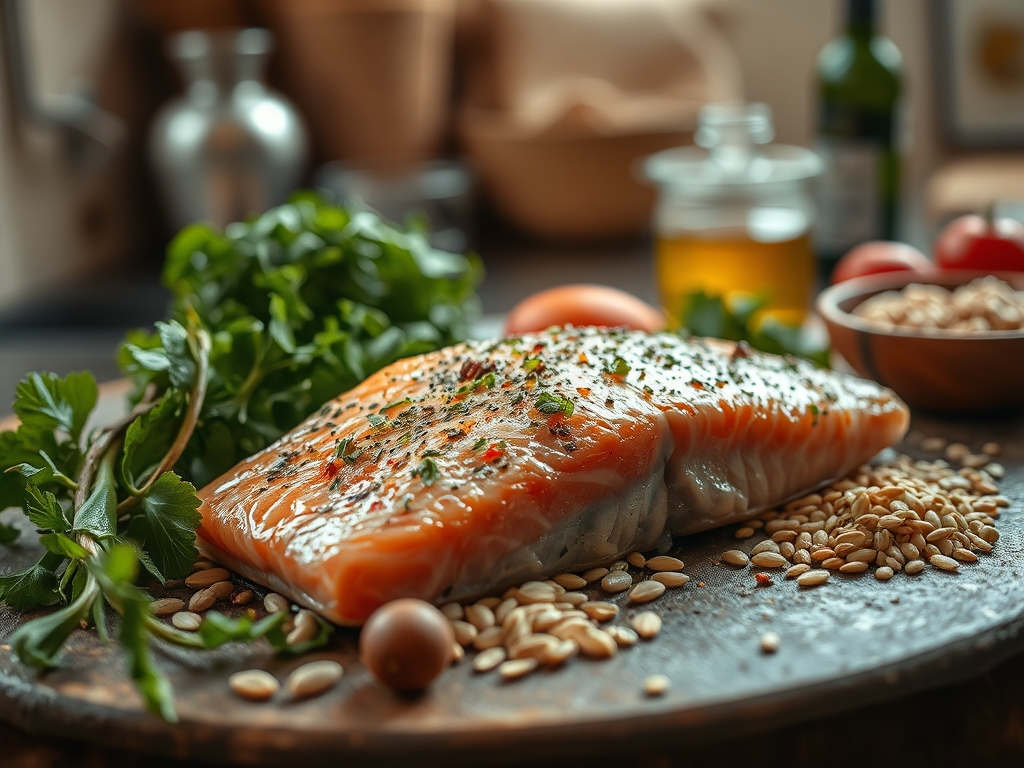
The Gathers:
To execute these flavors; your mise-en-place must be precise. Start with high-quality; center-cut fillets. Use a digital scale to ensure each portion is roughly 170 grams; this ensures uniform thermal conduction. You will need a microplane for zesting lemons and grating fresh garlic into a fine; enzymatic paste. The star of the show is the spice blend: Za'atar (a mix of wild thyme; toasted sesame; and sumac); smoked paprika; and ground cumin.
For the wet components; gather a high-smoke-point oil like avocado oil and a jar of tahini. The tahini should be pourable and well-emulsified; not separated. If yours has settled; use a small whisk or an immersion blender to re-incorporate the solids. Smart Substitutions: If you cannot find pomegranate molasses; a reduction of balsamic vinegar and honey mimics that deep; syrupy acidity. If sumac is missing from your pantry; a heavy hand of lemon zest mixed with a pinch of citric acid provides a similar bright; astringent profile.
The Clock
The "Chef's Flow" for these middle eastern salmon recipes is designed for maximum efficiency. Total active prep time is 15 minutes; while the cooking phase spans 10 to 12 minutes depending on the thickness of the fillet.
0-10 Minutes: Tempering and Seasoning. Never cook fish straight from the refrigerator. Let it sit on a bench scraper or cutting board to reach room temperature; which prevents the muscle fibers from seizing when they hit the heat.
10-20 Minutes: The Sear and Glaze. This is the high-activity window where you manage the Maillard reaction.
20-25 Minutes: Resting. Essential for moisture retention.
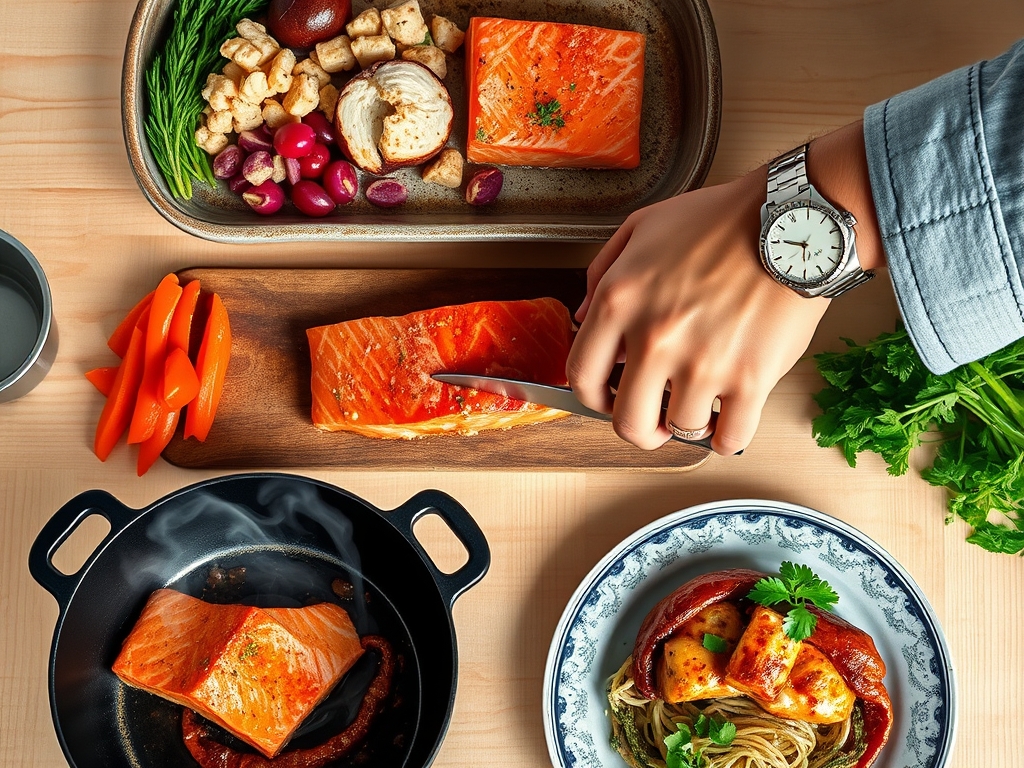
The Masterclass
1. The Surface Prep
Dry the skin of the salmon using paper towels until it is bone-dry to the touch. Moisture is the enemy of a crisp crust; as any residual water will create a steam barrier that prevents browning. Use your tongs to press the fish down firmly.
Pro Tip: This is about preventing the "albumin bleed." By bringing the fish to room temperature; you reduce the internal pressure that forces white protein (albumin) to the surface during cooking.
2. The Spice Infusion
Rub the flesh side with a mixture of olive oil; cumin; and coriander. Do not salt the fish until the absolute last second before it hits the pan. Salt is a humectant; it draws moisture to the surface via osmosis; which will ruin your sear if left too long.
Pro Tip: Spices are fat-soluble. Infusing them in oil before application allows the volatile aromatic compounds to bloom; resulting in a more intense flavor profile.
3. The High-Heat Sear
Heat your heavy-bottomed skillet until the oil shimmers but does not smoke. Place the salmon skin-side down. You should hear a vigorous sizzle. Do not move the fish for at least four minutes.
Pro Tip: This stage utilizes the Maillard reaction; where amino acids and reducing sugars rearrange to create hundreds of flavor compounds. If the fish sticks; the bond hasn't finished breaking; wait thirty seconds and try again.
4. The Glaze Application
Flip the salmon gently. Use a saucier to warm a mixture of pomegranate molasses and honey; then brush it over the seared skin. The sugars will rapidly dehydrate and form a tacky; jeweled coating.
Pro Tip: This is "thermal carryover" management. Remove the salmon when the internal temperature is 125 degrees Fahrenheit. The residual heat will bring it to a perfect 135 degrees while it rests.
5. The Tahini Drizzle
While the fish rests; whisk tahini with lemon juice and ice-cold water. The mixture will initially seize and turn grainy; keep whisking until it transforms into a smooth; aerated cream.
Pro Tip: This is a mechanical emulsion. The cold water stabilizes the fats in the sesame paste; creating a velvety mouthfeel that coats the tongue and balances the spice.
6. The Herb Garnish
Shower the finished dish with fresh mint; parsley; and toasted pine nuts. Use a sharp knife to avoid bruising the delicate leaves; which causes oxidation and a bitter aftertaste.
Pro Tip: Fresh herbs provide "top notes." While the cooked spices offer "base notes;" the raw herbs provide an olfactory bridge that makes the dish smell as good as it tastes.
The Deep Dive
Macro Nutrition: A standard serving of this Middle Eastern salmon provides roughly 35g of protein; 22g of healthy fats; and 5g of carbohydrates. It is a powerhouse of Vitamin B12 and Selenium.
Dietary Swaps: To make this Keto; swap the pomegranate molasses for a sugar-free maple syrup substitute mixed with lemon. For a Vegan version; this spice profile works exceptionally well on thick-cut "steaks" of roasted cauliflower or firm tofu. The recipe is naturally Gluten-Free.
The Fix-It:
- Soggy Skin: Your pan wasn't hot enough or you crowded the skillet. Next time; cook in batches.
- Bitter Spices: You burnt the dry rub. Apply spices toward the end of the sear or use a lower heat once the fish is flipped.
- Dry Interior: You missed the carryover window. Invest in a digital instant-read thermometer to pull the fish at 125F.
Meal Prep: To reheat without losing quality; avoid the microwave. Place the salmon in a 300F oven with a splash of water and cover with foil. This creates a gentle steam environment that re-hydrates the protein without overcooking the core.
The Wrap-Up
You are now armed with the technical prowess to turn a simple piece of fish into a culinary masterpiece. These middle eastern salmon recipes are about more than just eating; they are about understanding the chemistry of your kitchen. Go forth; grab your microplane; and let the scent of toasted cumin fill your home. You’ve got this!
The Kitchen Table
How do I get the skin extra crispy?
Ensure the skin is completely dry before cooking. Use a heavy-bottomed skillet and do not move the fish until the skin naturally releases from the pan. This allows the fats to render and the proteins to dehydrate into a crisp crust.
Can I use frozen salmon for this recipe?
Yes; but thaw it completely in the refrigerator first. Pat it extremely dry with paper towels to remove excess moisture from the freezing process. This ensures you still get a proper Maillard reaction during the searing phase.
What is the best way to store leftovers?
Store salmon in an airtight container for up to two days. To maintain texture; reheat gently in a pan over low heat or in a toaster oven. Avoid high-heat methods that will cause the healthy fats to oxidize and turn fishy.
Why does my tahini sauce get thick and grainy?
Tahini contains high amounts of fat and fiber. When you add a small amount of liquid; it seizes. Continue adding ice-cold water one tablespoon at a time and whisking vigorously until the emulsion stabilizes into a smooth; creamy sauce.