
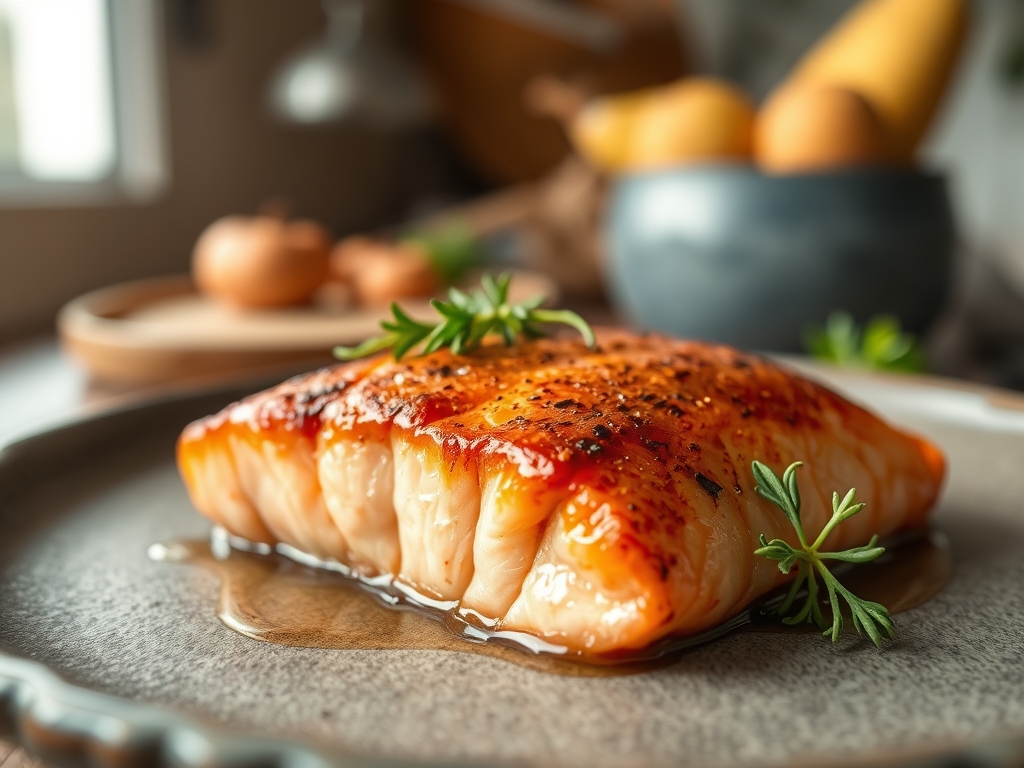
Close your eyes and imagine the sound of a cold, pink fillet hitting a screaming hot stainless steel pan. That rhythmic hiss is not just noise; it is the sound of moisture rapidly evaporating to make room for the golden, crispy crust of your dreams. If you have spent hours scrolling through youtube salmon recipes, you know the visual allure of a perfectly flaked piece of fish that glows under studio lights. But let us be real: your kitchen is not a film set. Achieving that level of perfection requires more than just a camera lens. It requires an intimate understanding of protein structures and heat transfer. We are moving past the basic "bake at 400 degrees" advice and diving into the molecular magic that separates a dry, chalky disaster from a buttery, melt-in-your-mouth masterpiece. Salmon is a high-fat, delicate protein that demands respect and a bit of scientific sass. Whether you are craving a miso glaze or a simple lemon butter finish, the foundation remains the same. We are about to decode the viral secrets that will make your dinner guests wonder if you secretly attended Le Cordon Bleu between your morning coffee and your evening glass of crisp Sauvignon Blanc.
The Gathers:
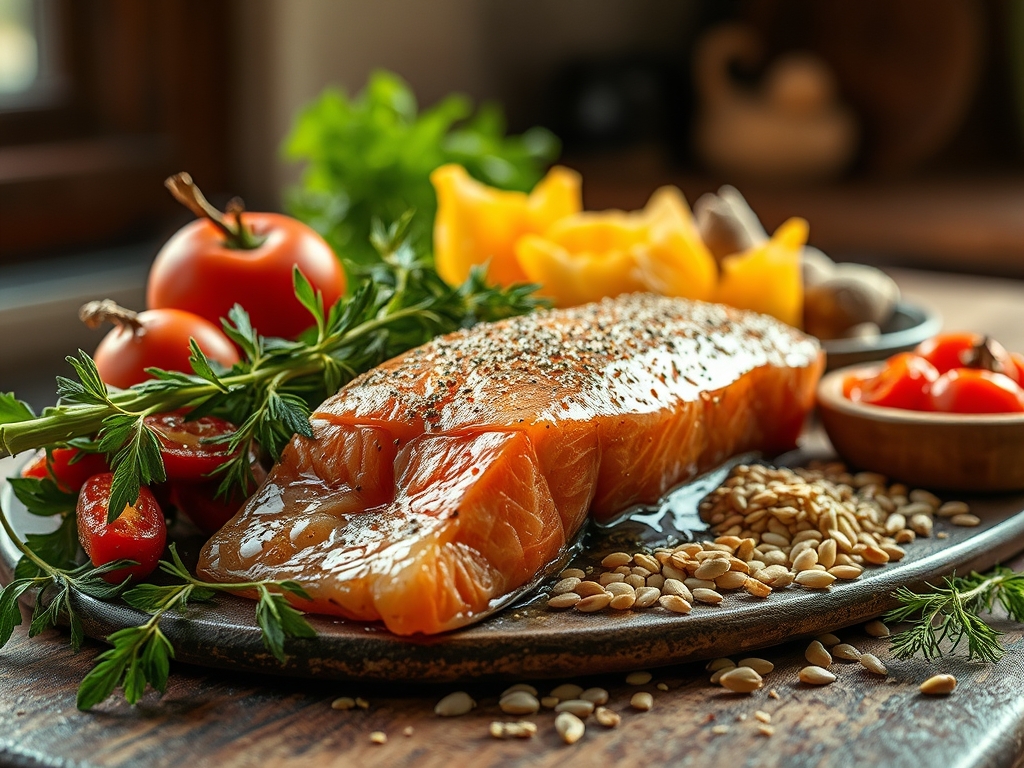
To master the art of youtube salmon recipes, your mise-en-place must be intentional. Start with center-cut Atlantic or King salmon fillets; these offer a uniform thickness which ensures even heat distribution across the muscle fibers. You will need a high-smoke-point lipid, such as avocado oil or clarified butter (ghee), to facilitate the Maillard reaction without scorching. For the aromatics, gather fresh sprigs of thyme, smashed garlic cloves, and a lemon that feels heavy for its size, indicating a high juice-to-pith ratio.
Your toolkit is just as vital as your ingredients. Reach for a heavy-bottomed skillet (cast iron or carbon steel is best for heat retention) and a fish spatula, which is flexible enough to slide under the delicate skin without tearing the flesh. A microplane is essential for zesting your citrus to release the volatile oils without the bitter white pith. If you are looking for smart substitutions, swap honey for agave if you need a lower glycemic index, or use coconut aminos instead of soy sauce for a gluten-free umami punch. Always have a digital scale nearby to ensure your fillets are portioned equally; consistency in mass leads to consistency in cook time.
The Clock
The "Chef's Flow" is all about timing and temperature. Your total prep time should take no more than 10 minutes, focusing on drying the fish and tempering it. Tempering is the process of letting the fish sit at room temperature for 15 to 20 minutes before cooking. This prevents the "thermal shock" that occurs when ice-cold protein hits a hot pan, which often results in the outside overcooking before the center is even warm.
The actual cook time is a swift 6 to 8 minutes. However, the most critical part of the clock is the 5-minute rest period. During this time, residual heat continues to cook the interior of the fish while the juices redistribute. If you cut into it immediately, the moisture will leak out onto the plate, leaving you with a dry fillet. Plan your side dishes to finish exactly when the salmon starts its rest.
The Masterclass
1. The Desiccation Ritual
The secret to that glass-like skin found in top youtube salmon recipes is absolute dryness. Use a paper towel to pat the skin until it feels tacky rather than slimy. This removes surface moisture that would otherwise turn into steam, preventing the skin from crisping.
Pro Tip: This is about evaporative cooling. If moisture remains on the skin, the pan's energy is wasted turning water into steam instead of browning the protein.
2. The Cold Pan Start (Optional) or High Heat Sear
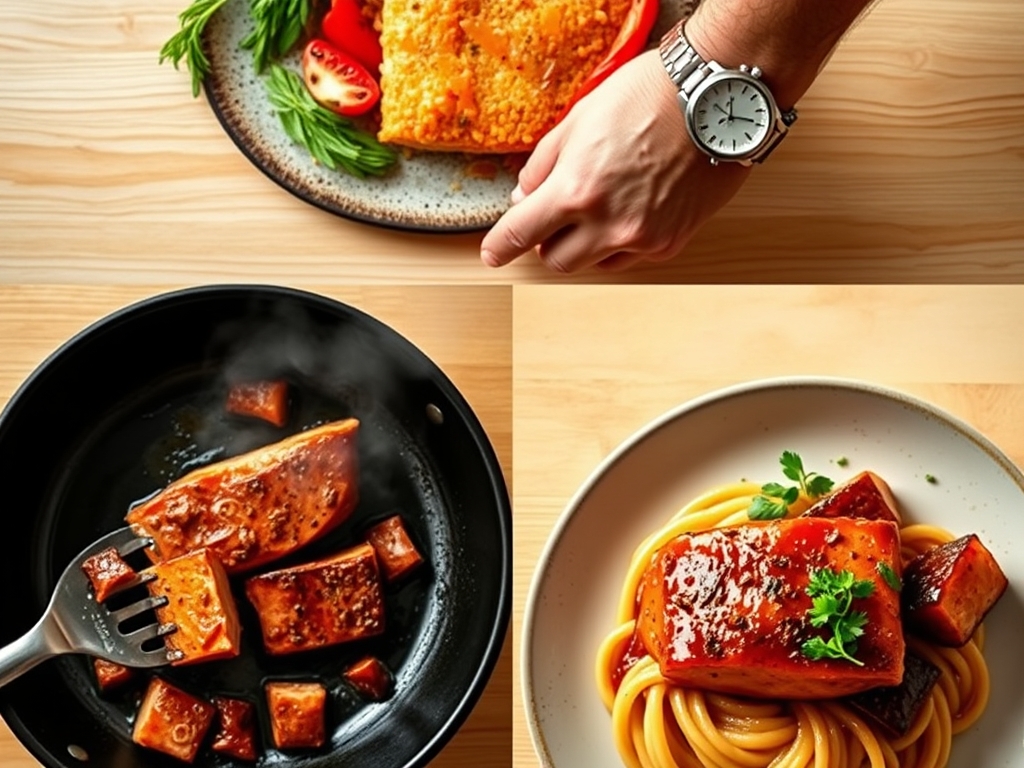
For maximum fat rendering, place the salmon skin-side down in a cold pan and then turn the heat to medium-high. This allows the subcutaneous fat to render slowly, resulting in a chip-like crunch. Alternatively, for a traditional sear, wait for the oil to shimmer.
Pro Tip: Subcutaneous fat acts as an insulator. Slow rendering prevents the flesh from toughening while the skin reaches its crispy peak.
3. The Weight Technique
Once the fish hits the pan, it will naturally want to curl. Use your fish spatula or a weighted press to gently hold the fillet down for the first 30 seconds. This ensures the entire surface area of the skin maintains contact with the heat source.
Pro Tip: This prevents the contraction of collagen fibers, which causes the fish to bow and creates uneven browning.
4. The Butter Baste
When the salmon is 70 percent cooked (you will see the color change creeping up the sides), add a knob of cold butter, garlic, and herbs to the pan. Use a large spoon to continuously drench the fish in the foaming butter.
Pro Tip: This is called arrosage. The milk solids in the butter undergo the Maillard reaction, adding a nutty, complex flavor profile to the fish.
5. The Internal Temp Check
Forget the "flake test" with a fork; it ruins the presentation. Use a digital meat thermometer to pull the salmon at 125 degrees Fahrenheit for a perfect medium-rare.
Pro Tip: Thermal carryover will raise the internal temperature by another 5 to 7 degrees while the fish rests, bringing it to the ideal 130 to 132 degrees.
The Deep Dive
Salmon is a nutritional powerhouse, loaded with Omega-3 fatty acids (EPA and DHA), which are essential for brain health and reducing inflammation. A standard 6-ounce fillet provides roughly 34 grams of high-quality protein. If you are following a Keto lifestyle, salmon is your best friend due to its healthy fat-to-protein ratio. For a vegan alternative, many "youtube salmon recipes" now feature marinated "watermelon steaks" or tofu glazed with algae oil to mimic the oceanic flavor.
The Fix-It: Common Pitfalls
- The White Gunk: That white substance is albumin, a protein that pushes out when the fish is cooked too fast or too high. Fix it by lowering your heat and brining the fish in a salt-water solution for 10 minutes before cooking.
- Sticking to the Pan: This usually happens because you tried to flip the fish too early. The fish will naturally "release" from the pan once the crust has formed.
- Soggy Skin: This occurs if you cover the pan with a lid. Never cover the pan; it traps steam and destroys the texture you worked so hard to create.
Meal Prep & Reheating
To maintain "day-one" quality, never reheat salmon in the microwave. The high-frequency waves vibrate the water molecules so violently that the delicate fats turn rancid and fishy. Instead, flake the cold salmon into a salad or gently warm it in a 275-degree oven with a splash of water and a foil cover to create a gentle steam chamber.
The Wrap-Up
Mastering youtube salmon recipes is a journey of heat management and patience. By focusing on the science of the sear and the importance of the rest, you elevate a simple weeknight meal into a gourmet experience. Remember, the kitchen is your laboratory; do not be afraid to experiment with different aromatics or citrus finishes. You have the tools, the technique, and the wit to make every fillet a masterpiece. Now, get that skillet screaming and show that salmon who is boss.
The Kitchen Table
How do I prevent the white stuff on salmon?
Brine your salmon in a basic salt-water solution for ten minutes before cooking. This partially denatures the surface proteins, preventing the albumin from squeezing out and forming those unsightly white clumps during the searing process.
Is it better to bake or pan-sear salmon?
Pan-searing is superior for texture, providing a crispy skin and rich flavor via the Maillard reaction. Baking is more "hands-off" and better for large batches, but you sacrifice the textural contrast found in a skillet-cooked fillet.
How can I tell if salmon has gone bad?
Fresh salmon should have a mild, oceanic scent; a strong "fishy" odor indicates the fats have begun to oxidize. The flesh should be firm to the touch and spring back, rather than leaving an indentation when pressed.
Can I cook salmon from frozen?
Yes, but for the best results, use the sous-vide method or a low-temperature oven bake. Searing frozen salmon usually results in a burnt exterior and a raw, icy center due to poor heat conductivity through ice.