
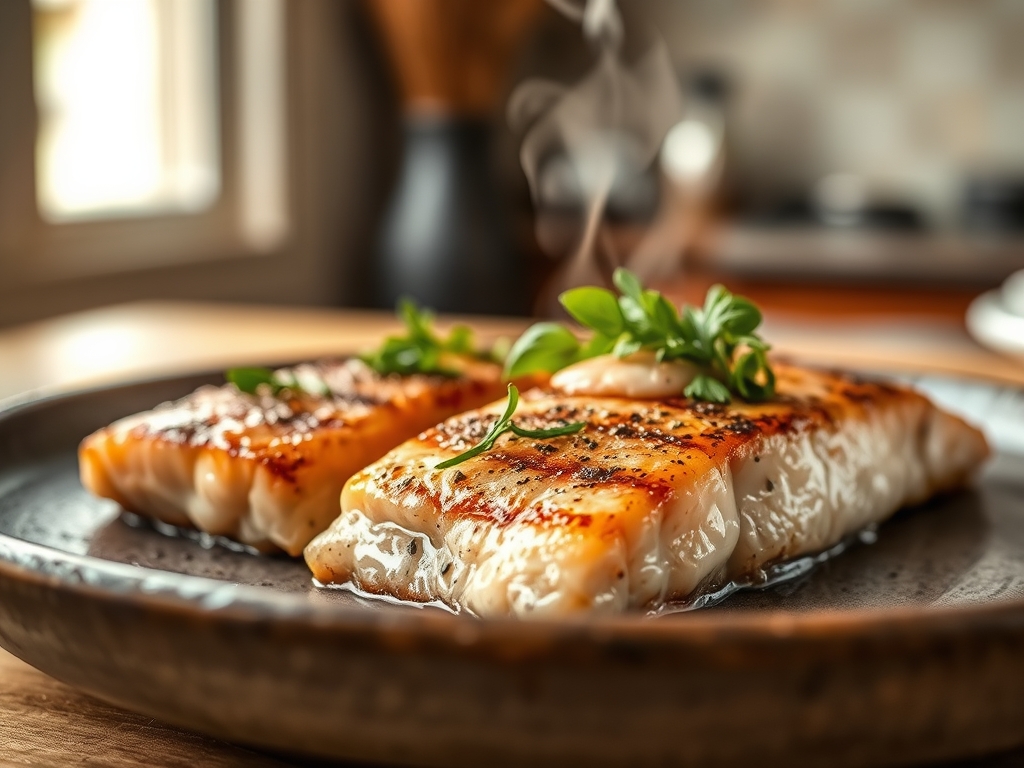
Imagine the sound of a heavy-bottomed skillet meeting a high-heat flame; it is the rhythmic heartbeat of a kitchen about to transform a simple fillet into something transcendent. When you master flaked salmon recipes, you are not just cooking fish; you are orchestrating a delicate balance of moisture retention and crisp exterior textures. The scent of rendering fats and sea salt fills the air, promising a meal that is both light and incredibly satisfying. We are moving beyond the dry, chalky mistakes of the past and stepping into a world where every flake is a succulent, buttery revelation.
The secret lies in the structural integrity of the fish. Salmon is rich in myoglobin and healthy fats, but its protein fibers are fragile. If you treat it with too much aggression, it toughens; treat it with precision, and it yields. Whether you are folding these morsels into a piquant pasta or topping a vibrant grain bowl, the technique remains the queen of the kitchen. Grab your favorite apron and a glass of something crisp. We are about to dive into the molecular magic that makes flaked salmon the most versatile protein in your culinary repertoire.
The Gathers:
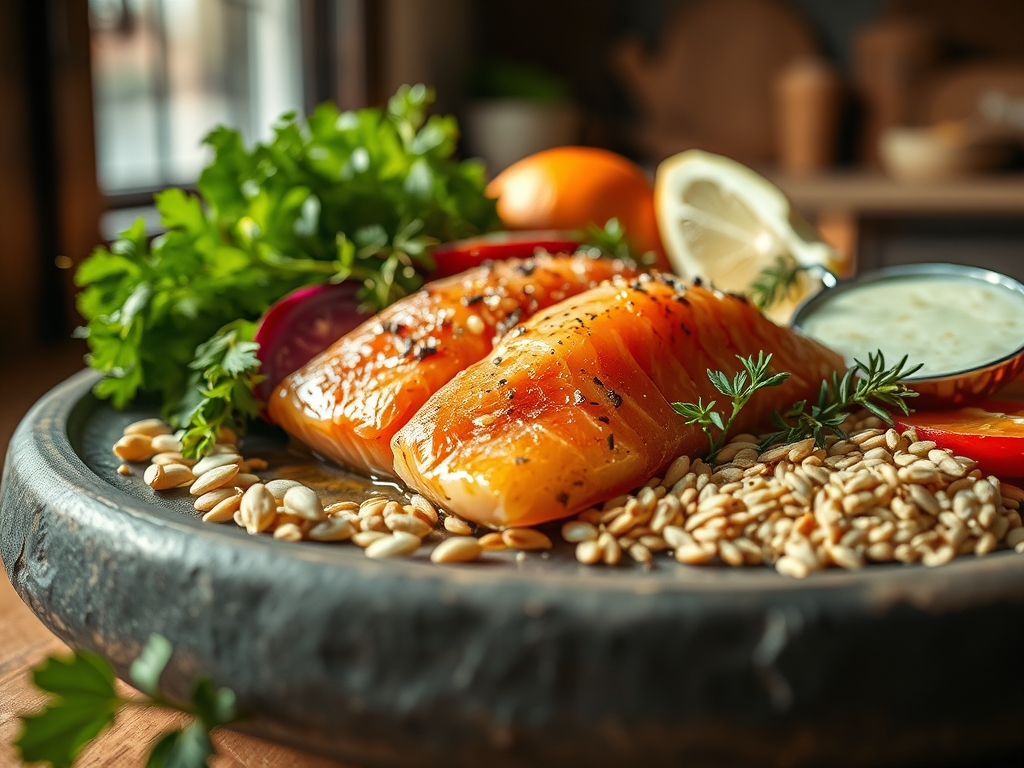
To achieve professional results, your mise-en-place must be intentional. We start with high-quality Atlantic or King salmon fillets, ideally skin-on to protect the flesh during the initial sear. You will need a high-smoke-point fat, such as avocado oil or clarified butter, to facilitate the Maillard reaction without scorching. Salt is non-negotiable; use a coarse kosher salt to draw out just enough surface moisture for a better crust.
For the aromatics, gather fresh dill, lemon zest, and a clove of garlic crushed with the flat side of a chef knife. These will infuse the oil as it heats. If you are looking for smart substitutions, you can swap the lemon for a splash of verjus to provide acidity without the harshness of citric acid. If you lack fresh herbs, a pinch of dried tarragon offers a sophisticated, anise-like depth. Use a digital scale to ensure your fillets are uniform in weight, which guarantees they finish cooking at the exact same moment.
The Clock:
The "Chef's Flow" is all about timing and temperature. Your total active prep time is a mere 10 minutes, focusing on drying the skin and seasoning. The cooking process takes approximately 8 to 12 minutes depending on thickness. However, the most critical part of the clock is the 5-minute rest period. This allows the internal juices to redistribute. If you flake the fish the second it leaves the pan, the steam escapes, leaving you with dry fibers. Total time from fridge to fork is roughly 25 minutes.
The Masterclass:
1. The Surface Preparation
Use a paper towel to pat the salmon bone-dry. Moisture is the enemy of a crisp sear because it creates a layer of steam that prevents the Maillard reaction. Use a microplane to zest your citrus directly over the flesh for maximum essential oil impact.
Pro Tip: This is about thermal conductivity. A dry surface allows the heat of the pan to transfer directly to the proteins, causing them to brown rather than boil in their own juices.
2. The Sear and Render
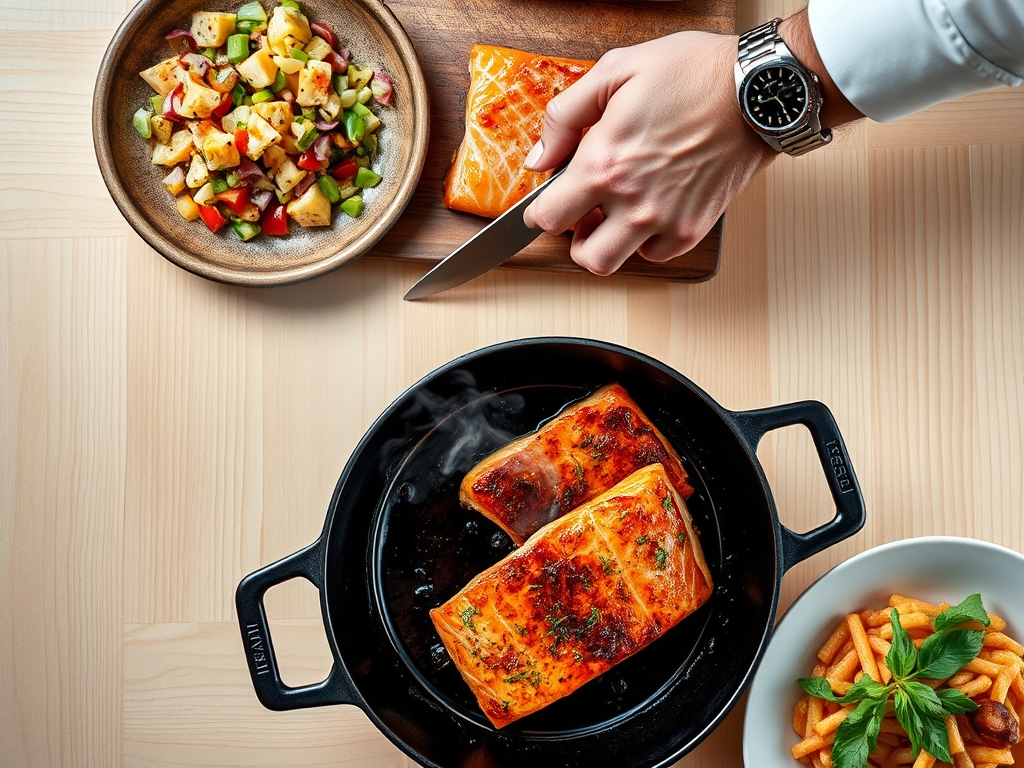
Heat your heavy-bottomed skillet until the oil shimmers but does not smoke. Place the salmon skin-side down using stainless steel tongs. Press down firmly for 30 seconds to prevent the skin from curling as the collagen fibers contract.
Pro Tip: This technique utilizes conductive heat to render the subcutaneous fat. This fat then acts as a self-basting liquid that keeps the interior succulent while the skin becomes a "crisp cracker."
3. The Gentle Flip
Once the skin releases naturally from the pan, use a fish spatula to flip it. Lower the heat slightly to prevent the delicate fats from oxidizing. Add a knob of cold butter and your aromatics now to create a viscous, flavorful baste.
Pro Tip: Lowering the heat prevents the "albumen bleed," which is that white protein you see leaking out of overcooked salmon. Keeping the temperature moderate preserves the structural integrity of the flake.
4. The Internal Target
Use an instant-read thermometer to check for a temperature of 125 degrees Fahrenheit. Remove the salmon from the heat while it still looks slightly translucent in the very center.
Pro Tip: This accounts for thermal carryover. The internal temperature will continue to rise by 5 to 7 degrees while resting. Pulling it early ensures it reaches the perfect "medium" doneness on the plate.
5. The Rest and Infuse
Transfer the fillets to a warm plate and spoon the pan juices over them. Cover loosely with foil, but do not crimp the edges, as you want to avoid trapping too much steam which would soften the skin you worked so hard to crisp.
Pro Tip: Resting allows the muscle fibers to relax and reabsorb moisture. This makes the fish much easier to flake into large, beautiful shards rather than tiny, shredded bits.
6. The Flake Technique
Use two forks or your fingers to gently pull the meat away from the skin. Follow the natural white lines of fat, known as the myocommata, which separate the muscle segments.
Pro Tip: By following the natural anatomical divisions of the fish, you maintain the "large flake" texture that is the hallmark of high-end flaked salmon recipes.
The Deep Dive:
From a macro perspective, salmon is a nutritional powerhouse. A standard 6-ounce portion provides roughly 34 grams of high-quality protein and is rich in Omega-3 fatty acids, which are essential for brain health. For dietary swaps, keto followers can double down on the butter baste, while those seeking a vegan alternative can use "flaked" hearts of palm seasoned with nori and dulse flakes to mimic the oceanic salinity.
The Fix-It: If your salmon is sticking, you likely tried to flip it too early; wait for the proteins to denature and release. If the fish is "fishy," an acid wash of lemon juice or a quick soak in milk for 10 minutes can neutralize the trimethylamine oxide. If it is too dry, fold it into a saucier with a bit of Greek yogurt or creme fraiche to restore creaminess.
For meal prep, reheating is a science. Never use a microwave, which agitates water molecules and toughens the fish. Instead, place your flaked salmon in a covered dish with a tablespoon of water or broth and warm it in a 275-degree oven. This creates a gentle steam bath that restores "day-one" quality.
The Wrap-Up:
Mastering flaked salmon recipes is a gateway to effortless, gourmet dining. Once you understand the physics of the sear and the chemistry of the rest, you can pivot this protein into tacos, salads, or sophisticated rillettes. It is about respecting the ingredient and using your tools with confidence. Now that you have the secrets, go forth and turn that skillet into a tool of culinary magic!
The Kitchen Table:
How do I stop salmon from sticking to the pan?
Ensure the pan and oil are hot before adding the fish. Pat the skin completely dry with paper towels. Once in the pan, do not move the fillet until the skin naturally releases after the proteins have properly seared.
Why is my salmon leaking white stuff?
The white substance is albumen, a harmless protein. It appears when salmon is cooked too fast or at too high a temperature, causing the muscle fibers to contract and squeeze the protein out. Lower your heat for a cleaner finish.
Can I use frozen salmon for flaked recipes?
Yes, but thaw it completely in the refrigerator first. Pat it exceptionally dry, as frozen fish tends to release more moisture. This ensures you still get a proper sear and a firm, flaky texture rather than a mushy one.
What is the best way to flake salmon?
After resting the fish for five minutes, use two forks to gently pull the flesh apart. Follow the natural white lines between the muscle segments to achieve large, succulent flakes rather than small, shredded pieces that can become dry.