
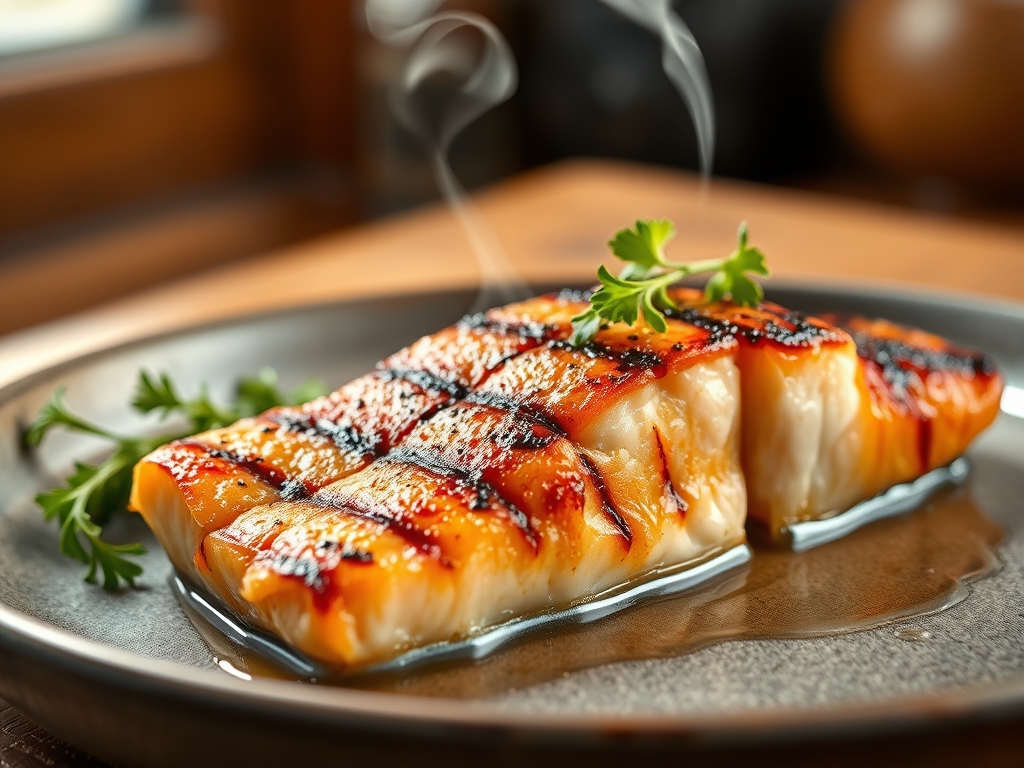
Picture the scene: a late summer afternoon where the air is thick with the scent of cedar and charcoal. You are standing over the grates, watching as a vibrant, ruby-red fillet meets the heat. This is the moment where your search for the ultimate grilled coho salmon recipes ends and your reputation as the neighborhood grill master begins. Coho salmon, often called Silver salmon, is the sophisticated middle child of the Pacific Northwest. It possesses a more delicate fat profile than King salmon but offers a far more nuanced, structural integrity than Sockeye. When you lay that skin side down, you are not just cooking; you are managing a complex series of thermal reactions that transform cold-water proteins into buttery, flakey perfection. The goal is a crisp, parchment-like skin and a translucent, medium-rare center that glows with a natural, oceanic sweetness. We are aiming for that specific, piquant balance of smoke and citrus that makes every bite feel like a curated event. Grab your favorite apron; we are about to turn a simple piece of fish into a culinary masterpiece.
The Gathers:
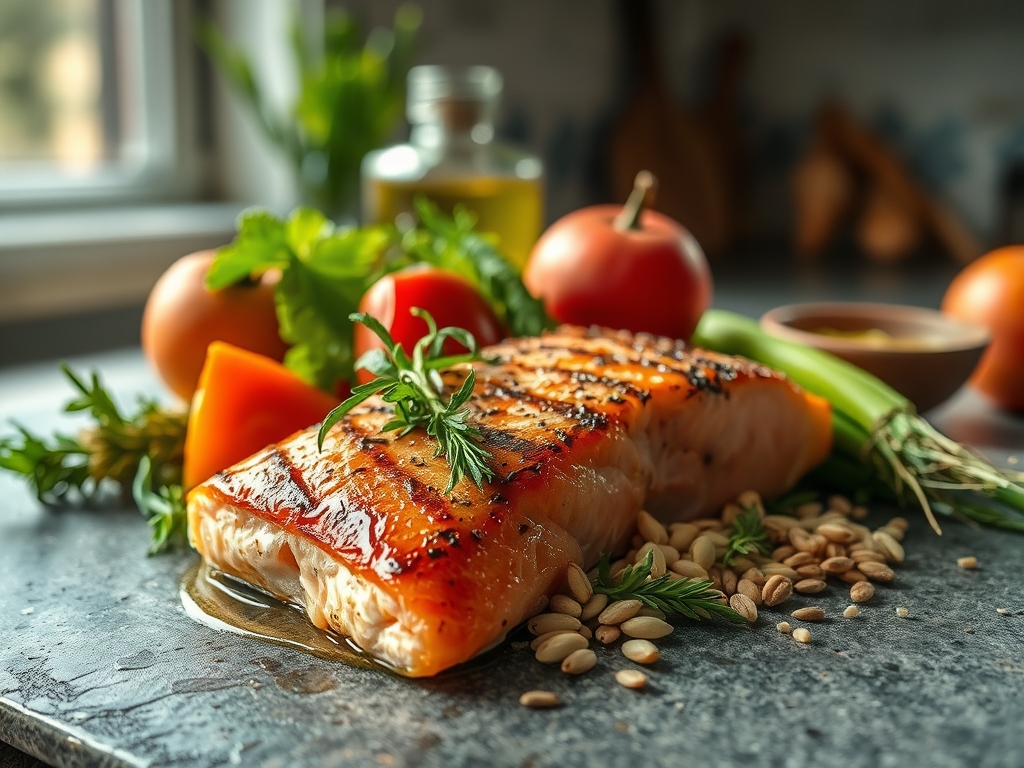
To execute this recipe with precision, your mise-en-place must be flawless. Coho salmon is leaner than other species, meaning it requires a protective lipid barrier to prevent desiccation. Start with a 2-pound side of wild-caught Coho, ensuring it is at room temperature to facilitate even heat distribution. You will need high-quality kosher salt, which has a jagged crystal structure that adheres better to the flesh than table salt. For the aromatics, gather fresh dill, organic lemons, and a high-smoke-point oil like avocado or grapeseed oil. Avoid extra virgin olive oil for the initial sear, as its low smoke point will result in a bitter, acrid flavor profile.
Smart Substitutions: If you cannot source fresh dill, a tablespoon of dried tarragon offers a similar anise-forward profile. For those avoiding citrus, a splash of white balsamic vinegar provides the necessary acidity to cut through the fish's natural oils. If you are looking to increase the viscous nature of your glaze, a teaspoon of raw honey or agave nectar will encourage faster caramelization without overwhelming the palate.
The Clock
Efficiency in the kitchen is about mastering the Chef's Flow. This is the rhythmic transition from preparation to execution that ensures no component is neglected. For this grilled coho salmon recipe, your total active time is approximately 15 minutes, with a cooking window of 8 to 12 minutes depending on the thickness of the fillet.
The flow begins with the "Chill to Char" transition. Spend 10 minutes prepping your grill and tools. While the grates reach a blistering 450 degrees Fahrenheit, your salmon should be resting on a parchment-lined baking sheet, allowing the salt to draw out excess moisture. This osmotic process is vital; it ensures the skin becomes crisp rather than rubbery. Once the fish hits the heat, the pace accelerates. You are looking for a 70/30 split: seventy percent of the cooking happens on the skin side to create a thermal shield, while the remaining thirty percent is a quick kiss of heat on the flesh side to finish.
The Masterclass
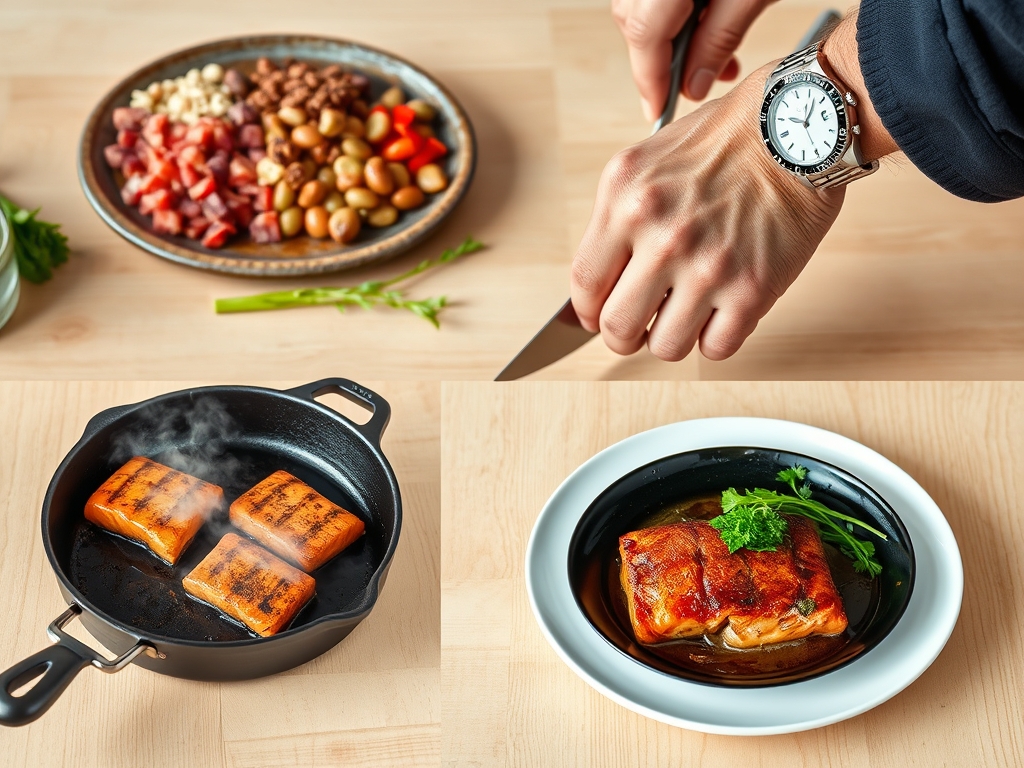
1. The Surface Preparation
Dry the skin of the salmon using lint-free paper towels until it is tacky to the touch. Use a microplane to zest a lemon directly over the flesh, then season aggressively with kosher salt and cracked black pepper.
Pro Tip: This step utilizes the science of surface area tension. By removing every drop of moisture from the skin, you prevent steam from forming between the fish and the grill. Steam is the enemy of a crisp texture; dryness is the catalyst for the Maillard reaction.
2. The Oil Application
Brush the grill grates with a rolled-up towel dipped in avocado oil, then lightly coat the salmon skin. Do not oil the flesh side yet, as this can cause flare-ups when you first lay the fish down.
Pro Tip: This creates a temporary non-stick interface. Because fish proteins are highly reactive to metal, the oil acts as a sacrificial barrier that prevents the delicate skin from bonding to the iron grates.
3. The Initial Sear
Place the salmon skin-side down over direct medium-high heat. Close the grill lid to create a convection environment. Use your tongs to gently press down on the fillet for the first 30 seconds to prevent the skin from curling.
Pro Tip: This technique manages protein coagulation. When heat hits the connective tissue in the skin, it shrinks. Manual pressure ensures the skin stays flat, maximizing contact with the heat source for an even, golden-brown finish.
4. The Flip and Glaze
Once the skin releases naturally from the grates (usually around 6 minutes), use a wide fish spatula to flip the fillet. Immediately brush the skin with a mixture of melted butter and minced herbs.
Pro Tip: We are leveraging thermal carryover here. Even after you flip the fish, the residual heat in the skin continues to cook the fat layer underneath. The butter glaze adds a layer of saturated fat that slows down moisture loss during the final seconds of cooking.
5. The Rest and Recovery
Remove the salmon when the internal temperature reaches 125 degrees Fahrenheit for medium-rare. Transfer it to a warm platter and let it rest for a full 5 minutes before slicing.
Pro Tip: Resting allows for reabsorption of cellular fluids. As the protein fibers relax, the juices that were pushed to the center during cooking redistribute throughout the fillet, ensuring a succulent bite every time.
The Deep Dive
Macro Nutrition: Coho salmon is a nutritional powerhouse. A 6-ounce serving provides approximately 35 grams of high-quality protein and is rich in Omega-3 fatty acids, specifically EPA and DHA. It is naturally low in sodium and contains significant amounts of Vitamin B12 and Selenium.
Dietary Swaps: This recipe is naturally Gluten-Free and Keto-friendly. For a Vegan alternative, use this same grilling technique on thick slabs of "Lion's Mane" mushrooms or marinated watermelon steaks. To make it strictly Paleo, ensure your "butter" glaze uses clarified ghee or coconut oil.
The Fix-It:
- The Stick: If the fish sticks, do not pull. Close the lid and wait 60 seconds. The skin will release once it has fully carbonized.
- The Flare-Up: If grease causes a flame, move the fish to the "cool zone" of the grill immediately.
- The White Stuff: If you see white "goop" (albumin) pushing out of the fish, you have overcooked it. Pull it off the heat immediately; it is still edible but will be drier.
Meal Prep: To reheat, avoid the microwave. Instead, use a heavy-bottomed skillet over low heat with a teaspoon of water and a lid. This creates a gentle steam environment that re-hydrates the protein without toughening the fibers.
The Wrap-Up
Mastering grilled coho salmon recipes is about more than just following a timer; it is about understanding the conversation between fire and fat. When you pull that perfectly seared fillet off the grill, you are serving a dish that is scientifically sound and emotionally resonant. The crisp skin provides the crunch, the tender flesh provides the luxury, and the smoky aroma provides the memories. Go forth, use your digital scale for precision, trust your tongs, and enjoy the most vibrant meal of the season!
The Kitchen Table
How do I know when coho salmon is done?
Use a digital thermometer to check the thickest part of the fillet. Aim for 125F for medium-rare or 135F for medium. The flesh should be opaque on the outside but still slightly translucent and "flaky" in the center.
Should I leave the skin on when grilling?
Yes, always leave the skin on. It acts as a natural heat shield, protecting the delicate flesh from drying out. Plus, when rendered properly, the skin becomes a delicious, cracker-like component that adds essential texture to the dish.
Why is my salmon releasing white liquid?
That white liquid is albumin, a protein that extrudes when the muscle fibers contract too tightly. This usually happens due to overcooking or excessive heat. To prevent this, cook the salmon gently and pull it off the grill slightly underdone.
Can I grill coho salmon on a plank?
Absolutely. Using a soaked cedar plank adds a deep, woody aroma and protects the fish from direct flames. This method is excellent for beginners as it eliminates the risk of the fish sticking to the grill grates entirely.