
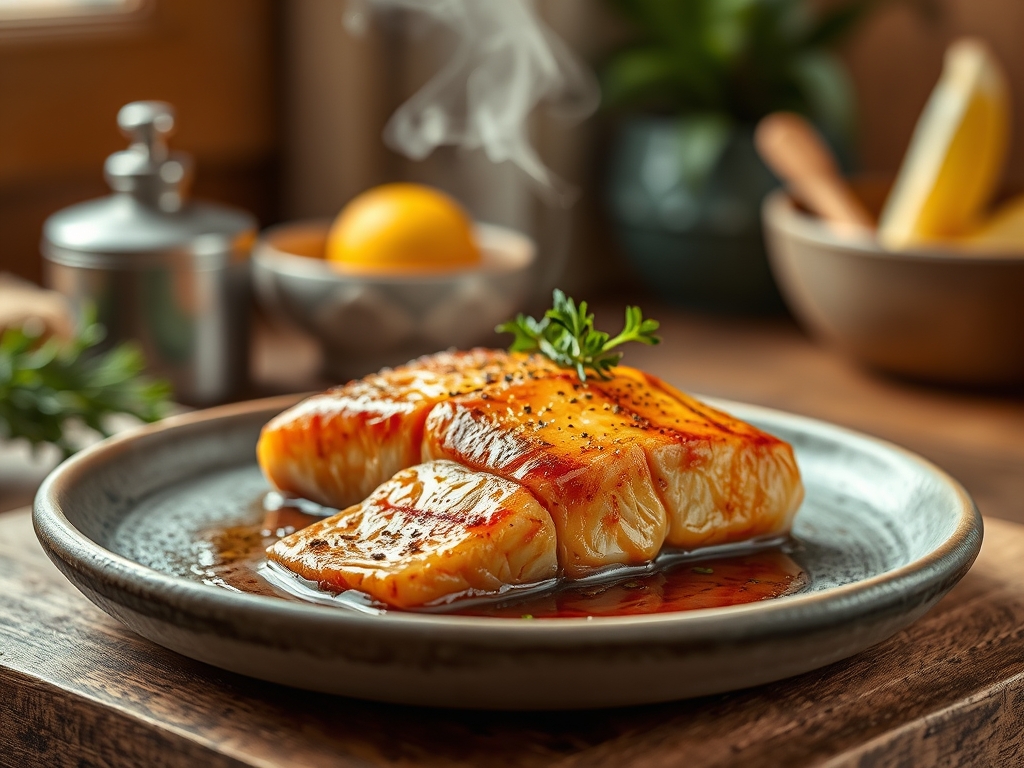
Picture the sizzle of cold protein hitting a heavy bottomed skillet; that high pitched song of moisture evaporating as the Maillard reaction begins to transform a translucent fillet into a golden masterpiece. Searching for salmon recipes for any time of day requires more than just a list of ingredients. It requires an understanding of how heat interacts with omega-3 fatty acids to create that buttery, melt in your mouth texture we crave. Whether you are aiming for a crisp skin that shatters like glass or a slow poached delicacy, salmon is the ultimate canvas for culinary expression. It is a dense, nutrient rich powerhouse that bridges the gap between a quick Tuesday lunch and a sophisticated Saturday dinner party. We are going to dive deep into the molecular magic that makes this fish so versatile. By the time we finish, you will possess the technical prowess to handle a side of fish with the precision of a Michelin star chef and the ease of a seasoned home cook.
The Gathers:
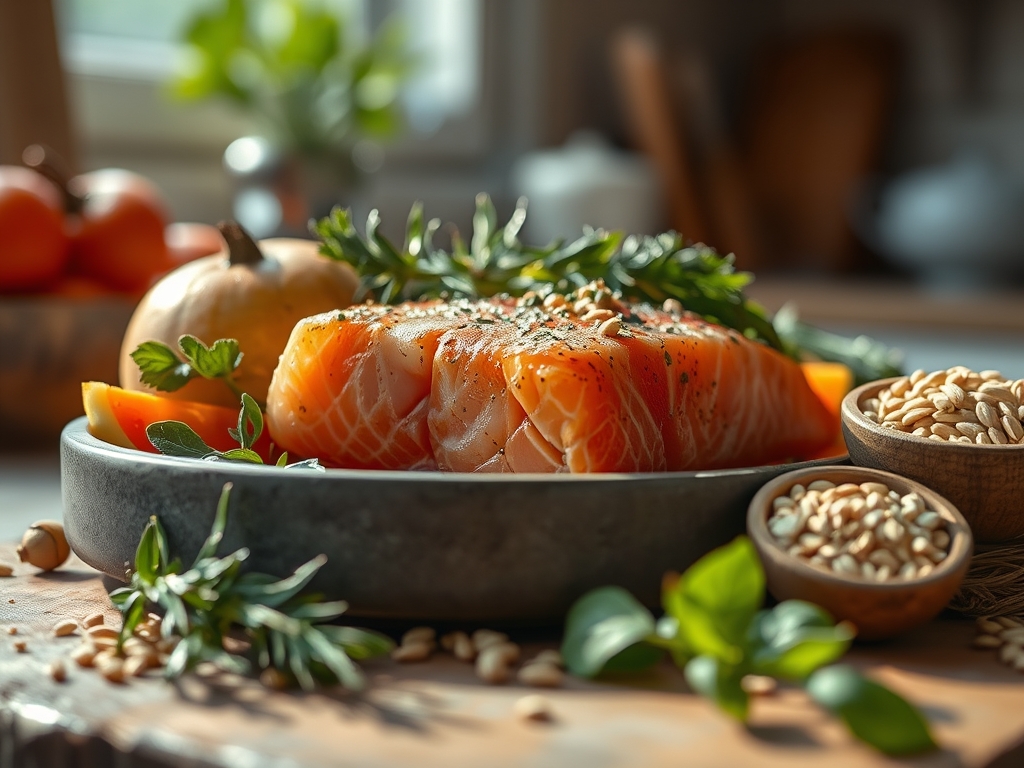
To master these salmon recipes for your weekly rotation, your mise-en-place must be intentional. Start with high quality Atlantic or Sockeye fillets; look for deep pigmentation and firm muscle fibers that spring back when pressed. You will need a viscous olive oil or clarified butter for searing, as these have higher smoke points that prevent the fats from breaking down into bitter compounds. Gather piquant aromatics like fresh dill, capers, and Meyer lemons to provide the acidity needed to cut through the rich lipids of the fish.
A professional setup includes a microplane for zesting citrus without hitting the bitter white pith; a digital scale for precise portioning; and a set of sturdy tongs to ensure a clean flip. For our glaze, we will use honey or maple syrup to encourage enzymatic browning, balanced by the umami of tamari or liquid aminos.
Smart Substitutions: If you are out of fresh lemons, use a splash of white wine vinegar or verjus to provide that necessary acid profile. For those avoiding dairy, replace butter with a high quality avocado oil to maintain a clean flavor profile while achieving a beautiful sear. If you cannot find fresh dill, dried tarragon offers a similar anise-like complexity that pairs beautifully with the natural sweetness of the fish.
The Clock: Efficiency and Flow
Great cooking is about managing the Chef's Flow, which is the art of overlapping tasks to minimize downtime. For these seven variations, prep time averages fifteen minutes, while active cook time rarely exceeds twelve minutes. The secret lies in the thermal properties of the fish. Salmon has relatively little connective tissue compared to beef; this means it cooks rapidly.
Start by tempering your fish at room temperature for twenty minutes before it touches the pan. While the fish tempers, use your bench scraper to clear your workspace and prep your garnishes. This sequence ensures that by the time your skillet is screaming hot, your aromatics are ready to be infused into the cooking fat. Remember that salmon continues to cook after it leaves the heat; this is known as thermal carryover. Aim to pull the fish when it is five degrees below your target temperature to ensure a moist, flaky interior every single time.
The Masterclass:
1. The Perfect Sear
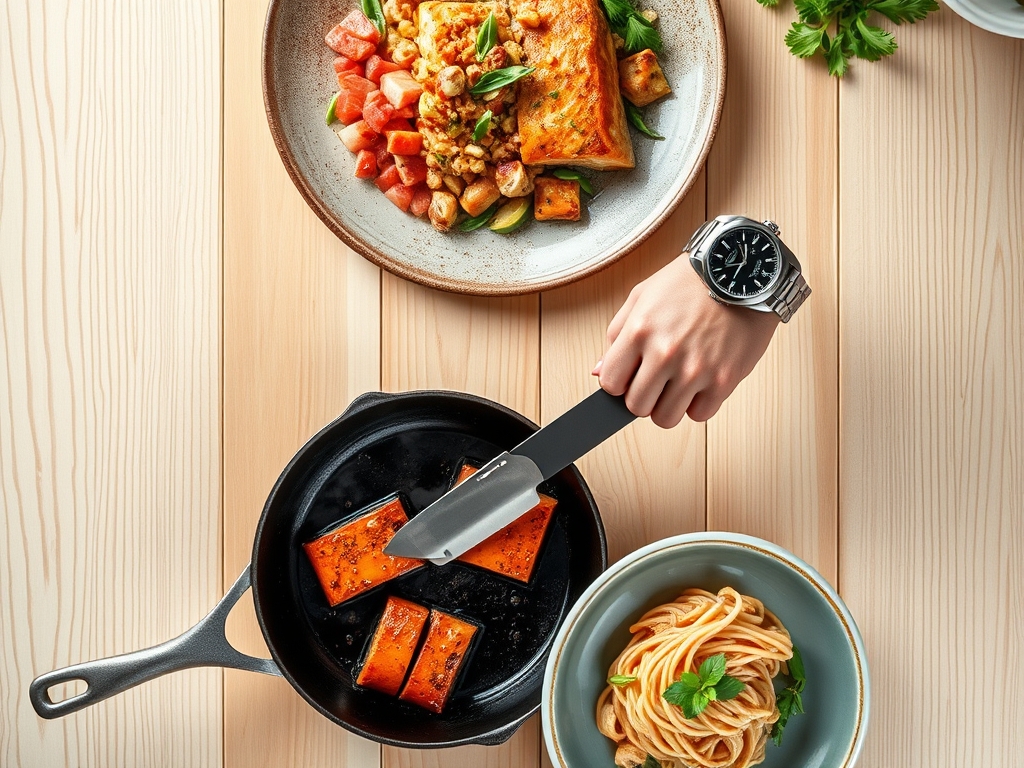
Place your heavy bottomed skillet over medium high heat until the oil shimmers. Lay the salmon skin side down, pressing firmly with a spatula for ten seconds to prevent the skin from curling. Do not move it. This allows the proteins to bond and form a crust.
Pro Tip: This process relies on the Maillard reaction, a chemical reaction between amino acids and reducing sugars. Moving the fish too early disrupts the crust formation and causes the flesh to tear.
2. The Citrus Infusion
Once the skin is crisp, flip the fillet and add a knob of butter and lemon slices to the pan. Use a spoon to baste the hot, citrus infused fat over the top of the fish. This adds a layer of flavor while gently finishing the interior.
Pro Tip: Basting creates a convective heat environment. The hot fat carries flavor into the crevices of the muscle fibers, ensuring the seasoning is not just on the surface.
3. The Glaze Application
For a sweet and savory finish, deglaze the pan with a mixture of honey and soy sauce. Allow the liquid to reduce until it becomes viscous and coats the back of a spoon. Brush this over the fillets during the last sixty seconds of cooking.
Pro Tip: Sugars carmelize at roughly 320 degrees Fahrenheit. Adding the glaze too early will result in burning before the fish is cooked through; timing is everything.
4. The Rest and Finish
Remove the fish from the pan and let it rest on a warm plate for three minutes. This allows the internal juices to redistribute. Finish with a shower of fresh herbs and a final grating of lemon zest using your microplane.
Pro Tip: Resting prevents the moisture from leaking out the moment you cut into the fillet. This is essential for maintaining the structural integrity of the delicate flakes.
The Deep Dive: Nutrition and Troubleshooting
Salmon is a nutritional titan, boasting high levels of Vitamin B12, Vitamin D, and selenium. From a macro perspective, a six ounce portion provides roughly 34 grams of protein and 22 grams of healthy fats. For those on a Keto path, salmon is a primary fuel source. For a Vegan alternative, use thick slices of marinated King Oyster mushrooms, which mimic the dense texture of the fish.
The Fix-It: Common Pitfalls
- The White Gunk: That white substance is albumin, a protein that extrudes when salmon is cooked too fast or too high. Fix this by lowering your heat and brining the fish in salt water for ten minutes before cooking.
- Soggy Skin: This happens if the skin is wet when it hits the pan. Use a paper towel to pat the skin bone dry before seasoning.
- Sticking to the Pan: If the fish clings, it is not ready to flip. Wait for the proteins to naturally release from the metal surface.
Meal Prep Science: To reheat salmon without it becoming rubbery, use a low temperature oven (275 degrees) and add a teaspoon of water or broth to the dish. Cover it with foil to create a steam chamber. This prevents the delicate fats from oxidizing and maintains that day-one succulence.
The Wrap-Up
Mastering salmon recipes for your daily life is about more than just following a set of instructions; it is about understanding the physics of the kitchen. When you respect the temperature, the tools, and the timing, you transform a simple piece of seafood into a culinary event. Keep your skillet hot, your herbs fresh, and your confidence high. You have the technical knowledge to turn any meal into a masterpiece. Now, get into the kitchen and let that salmon sizzle!
The Kitchen Table:
How do I know when the salmon is done?
The most reliable method is using a digital thermometer. Aim for an internal temperature of 125 degrees Fahrenheit for medium rare. The flesh should be opaque and should easily separate into flakes when pressed gently with a fork.
Can I cook salmon from frozen?
Yes, though texture may suffer slightly. For the best results, use the "steam-sear" method. Start in a covered pan with a bit of liquid to thaw the core, then uncover and sear to develop a crust and finish the cooking process.
Why is my salmon skin not getting crispy?
Moisture is the enemy of a good sear. Ensure the skin is completely dry and the oil is shimmering hot before adding the fish. Avoid overcrowding the pan, as this drops the temperature and causes the fish to steam instead.
What is the best way to store leftovers?
Place cooked salmon in an airtight glass container and refrigerate for up to three days. To maintain quality, avoid freezing cooked salmon, as the ice crystals will damage the delicate muscle fibers and result in a mushy texture upon thawing.