
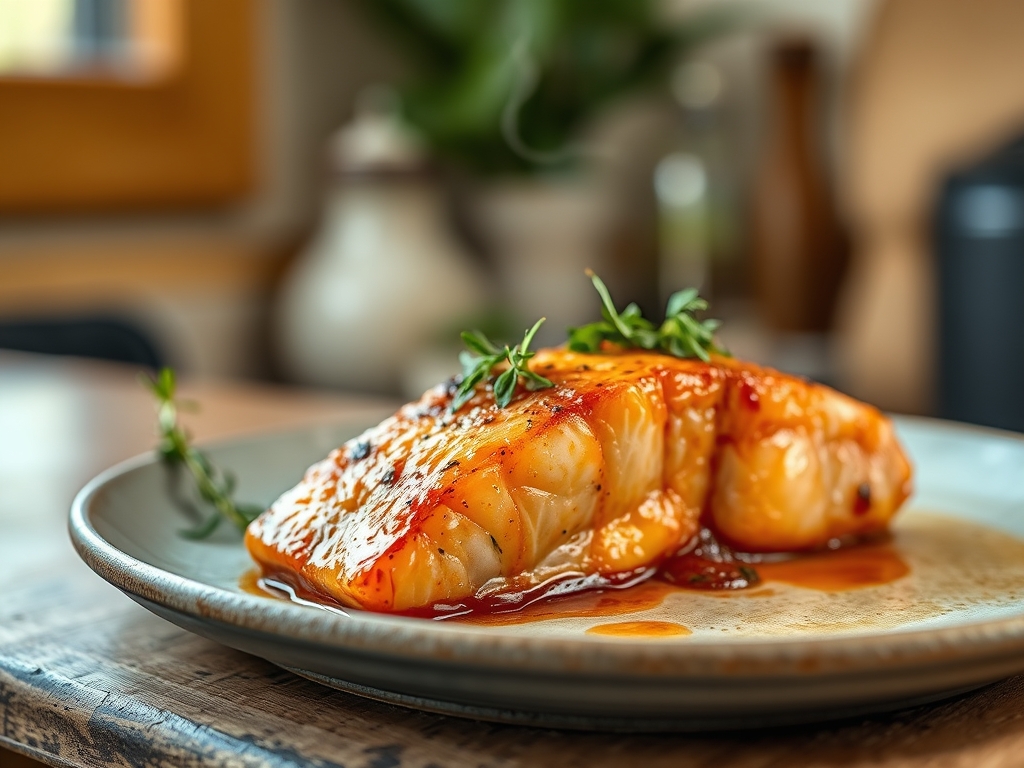
Imagine the sound of a heavy bottomed skillet meeting a high flame; it is the opening note of a culinary masterpiece. Within minutes, the air transforms into a thick cloud of caramelized ginger and toasted sesame. Mastering sticky salmon recipes is not just about dinner; it is about the intersection of heat and sugar. We are chasing that perfect lacquer that clings to the fish like a silk ribbon.
The secret to a world class glaze lies in the reduction. You want a sauce that is viscous enough to coat the back of a spoon but light enough to avoid being cloying. When that glaze hits the hot protein, a chemical transformation occurs. The natural fats in the salmon render out, mingling with the sugars to create a savory crust. It is a sensory overload of piquant aromatics and buttery flakes. Whether you are hosting a frantic weeknight dinner or a slow Saturday feast, these techniques will elevate your kitchen game. We are moving beyond basic baking into the realm of professional glazing. Grab your apron and your sharpest knife because we are about to turn a simple fillet into a restaurant quality centerpiece.
The Gathers:
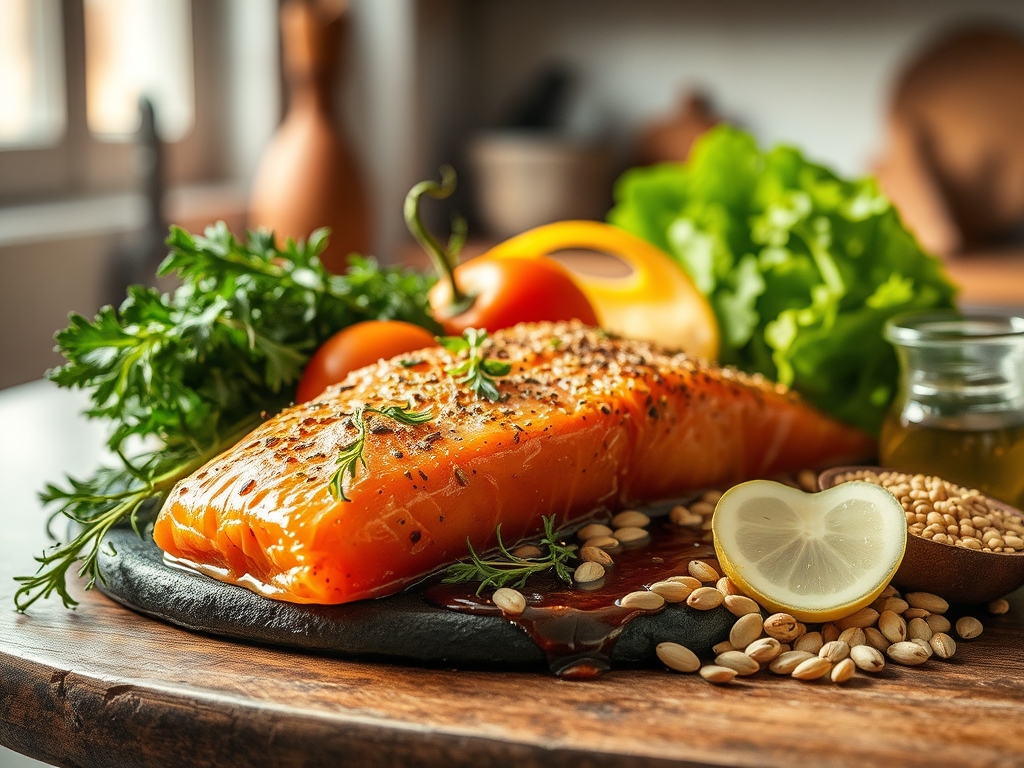
To achieve the ultimate sticky salmon recipes, your mise en place must be precise. Start with center cut fillets; these provide a uniform thickness which ensures even thermal distribution. You will need a high quality soy sauce or tamari as your salty base. For the "sticky" factor, we rely on honey or maple syrup. These sugars have a high molecular weight which helps them thicken into a glossy syrup during the reduction process.
Aromatics are non negotiable. Use a microplane to grate fresh ginger and garlic into a fine paste. This increases the surface area, allowing the volatile oils to infuse the sauce instantly. You will also need an acid, such as rice vinegar or lime juice, to brighten the heavy fats. For the fat component, toasted sesame oil provides a nutty depth that survives the high heat of the pan.
Smart Substitutions:
If you are watching your refined sugar intake, coconut aminos offer a lower glycemic index while maintaining that deep umami profile. For those avoiding honey, agave nectar provides a similar viscosity but with a cleaner finish. If you lack fresh ginger, a pinch of ground galangal can offer a sharp, citrusy alternative. Always keep a digital scale nearby to ensure your ratios are consistent; baking may be a science, but great saucing is pure chemistry.
The Clock
Efficiency in the kitchen is about "Chef's Flow." This is the art of overlapping tasks to minimize downtime. Your total active time for these sticky salmon recipes is roughly 12 minutes, with a 15 minute marination window.
Start by whisking your glaze in a small saucier. While the flavors meld, prep your garnish; sliced scallions and toasted sesame seeds add essential texture. The actual cooking process is rapid. A standard fillet requires about 3 to 4 minutes per side. The "Flow" looks like this: Prep the sauce, marinate the protein, sear the first side, flip, and then introduce the glaze for the final two minutes of reduction. This prevents the sugars from burning before the fish reaches its internal target temperature.
The Masterclass:
1. The Surface Prep
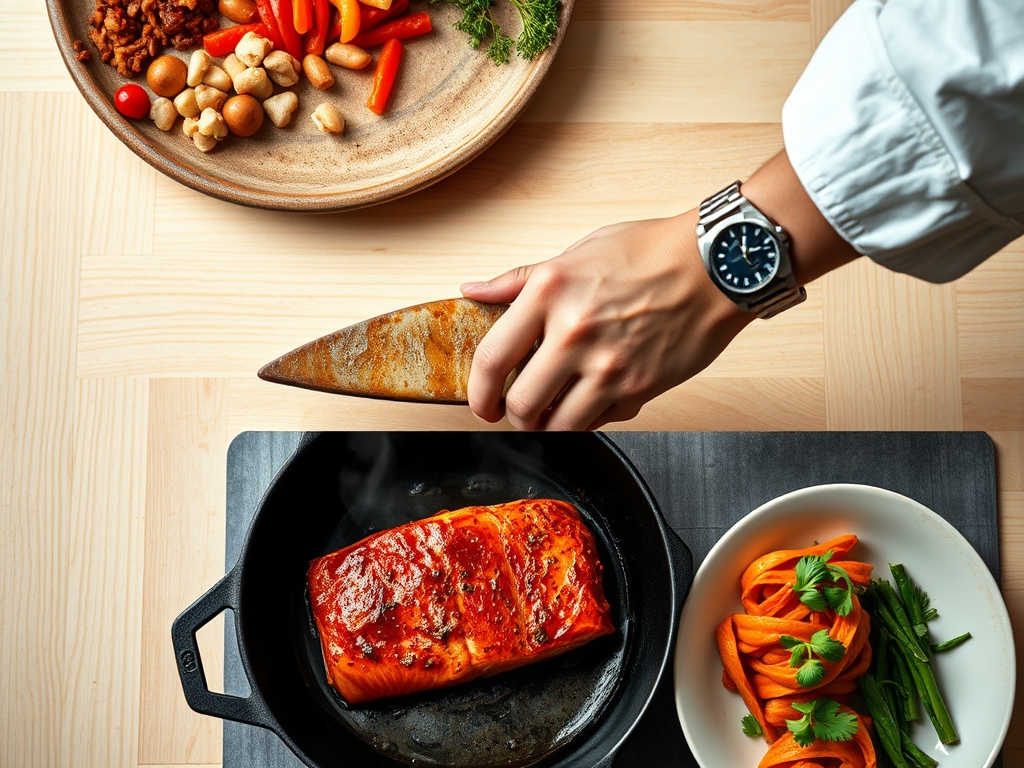
Pat your salmon fillets completely dry with paper towels. Moisture is the enemy of the Maillard reaction. If the surface is damp, the fish will steam rather than sear. Use a bench scraper to move your fillets cleanly from the cutting board to the pan.
Pro Tip: This step ensures evaporative cooling does not stall the browning process; dry skin leads to a crispier texture.
2. The Initial Sear
Heat a tablespoon of neutral oil in a heavy bottomed skillet until it reaches the shimmering point. Place the salmon skin side down. Use tongs to press the fillet gently against the pan for the first 30 seconds to prevent the protein fibers from curling.
Pro Tip: Pressing the fish ensures maximum surface contact, which facilitates a more uniform heat transfer through the skin.
3. The Deglaze
Once the salmon is flipped and nearly cooked, pour your glaze mixture into the hot pan. Use a whisk to deglaze the browned bits (the fond) from the bottom of the skillet. This incorporates concentrated flavor back into the sauce.
Pro Tip: The fond contains concentrated amino acids that amplify the savory profile of your sticky salmon recipes.
4. The Basting Technique
As the sauce bubbles and reduces, use a large spoon to continuously bathe the top of the salmon in the thickening liquid. This is called "arrosage." It builds up layers of flavor without overcooking the delicate interior.
Pro Tip: Continuous basting creates a thermal barrier, keeping the top of the fish moist while the bottom finishes cooking.
5. The Glaze Reduction
Watch for the bubbles to change from small and watery to large and "slow." This indicates that the water has evaporated, leaving behind a concentrated syrup. The sauce should now be highly viscous.
Pro Tip: This is the result of caramelization, where sugars break down and reform into complex, flavorful compounds.
6. The Rest
Remove the salmon from the pan just before it looks "done." Transfer it to a warm plate and let it sit for three minutes. This allows the internal juices to redistribute.
Pro Tip: Thermal carryover will continue to cook the fish by 5 to 10 degrees after it leaves the pan.
7. The Final Garnish
Add your fresh elements last. A squeeze of lime or a sprinkle of cilantro adds a necessary "high note" to the deep, earthy flavors of the glaze.
Pro Tip: Adding acids at the end prevents them from becoming bitter during the high heat reduction phase.
8. The Texture Check
Use a fork to gently flake the edge. The interior should be opaque and moist, while the exterior should have a tacky, glass like finish.
Pro Tip: The contrast between the collagen breakdown in the fish and the sticky sugar crust is what makes this dish iconic.
The Deep Dive
From a macro perspective, salmon is a nutritional powerhouse. It is rich in Omega 3 fatty acids and high quality protein. One serving typically contains 25 to 30 grams of protein. If you are following a Keto diet, replace the honey with an erythritol based syrup and use tamari to keep it gluten free. For a vegan "salmon" alternative, large slabs of marinated watermelon or firm tofu can be treated with the exact same glazing technique.
The Fix-It:
If your sauce is too thin, whisk in a tiny slurry of cornstarch and water; this will gelatinize and thicken the liquid instantly. If the sauce burns, you likely had the heat too high; deglaze the pan with a splash of water or broth to loosen the bitterness. If the fish sticks to the pan, you moved it too early. Wait for the protein to naturally release once the crust has formed.
Meal Prep:
To reheat sticky salmon without it becoming rubbery, use a low temperature oven (275F) and add a teaspoon of water to the container. Cover it tightly. This creates a mini steam chamber that preserves the delicate fats. Avoid the microwave, as it causes the protein to tighten and the sugars to become unpleasantly hard.
The Wrap-Up
You are now equipped with the technical prowess to dominate any kitchen. Sticky salmon recipes are the perfect marriage of science and soul. By understanding how sugars reduce and how heat transfers through protein, you have moved beyond following a recipe to truly cooking with intuition. Go forth and glaze with confidence; your dinner guests will thank you.
The Kitchen Table
Why is my salmon glaze not getting thick?
You likely haven't evaporated enough water. Continue to simmer the sauce in a wide skillet to increase the surface area for evaporation. This concentrates the sugars until the liquid becomes viscous and coats the back of a spoon easily.
Can I use frozen salmon for these recipes?
Yes, but you must thaw it completely and pat it extremely dry. Frozen fish often releases more moisture during cooking, which can dilute your glaze and prevent the Maillard reaction from creating that essential savory crust.
How do I prevent the honey from burning?
Add your sugar based glaze during the last two minutes of cooking. High heat causes rapid caramelization which can quickly turn into carbonization. Monitoring the bubble size helps you gauge the sugar concentration in real time.
What is the best pan for sticky salmon?
A heavy bottomed skillet, such as cast iron or stainless steel, is best. These materials retain heat efficiently, ensuring a consistent sear and even reduction of the glaze without the hot spots found in thinner pans.