
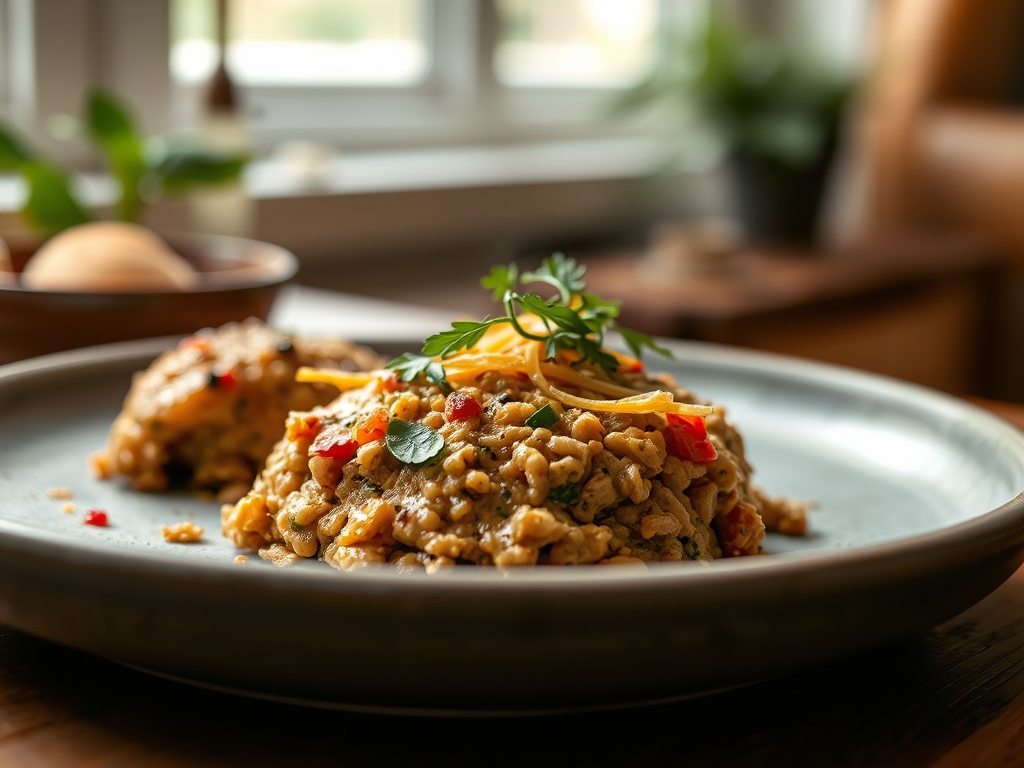
Imagine the sizzle of a heavy-bottomed skillet as it hits the perfect thermal equilibrium. You are standing in your kitchen, and instead of the usual dinner dread, you have a blank canvas of lean protein ready to transform. Finding simple ground chicken recipes is the ultimate culinary hack for the modern, busy professional who refuses to sacrifice flavor for speed. Ground chicken is the chameleon of the poultry world; it is a high-protein, low-fat vehicle for global spices and sophisticated textures. Whether you are craving a piquant Thai basil stir-fry or a savory Mediterranean burger, these recipes bridge the gap between "I have no time" and "I am a kitchen genius."
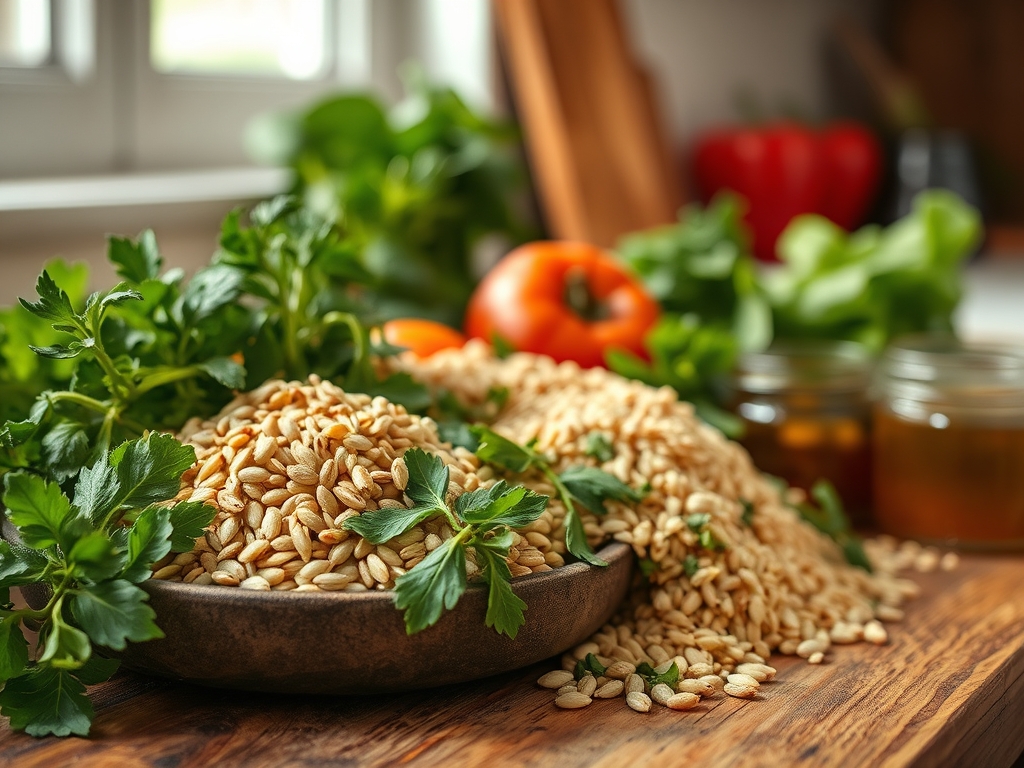
The Gathers:
To master simple ground chicken recipes, your mise-en-place must be precise. Ground chicken has a higher water content and lower fat percentage than beef, which means we must respect its delicate cellular structure. Gather your aromatics: fresh ginger, garlic, and shallots. These provide the volatile organic compounds that will infuse the meat during the rendering process. You will need a high-quality fat source, such as avocado oil or ghee, to prevent sticking and to facilitate the Maillard reaction.
Smart Substitutions: If you find yourself without fresh aromatics, a dash of high-quality garlic oil can mimic that depth. For those avoiding soy, coconut aminos offer a similar viscous, umami-rich profile without the sodium spike. If your chicken feels too lean, folding in a tablespoon of grated cold butter or a splash of heavy cream will create a luxurious emulsion that mimics the mouthfeel of higher-fat meats. Always keep a microplane nearby to zest citrus or grate hard cheeses directly into the mix for an instant hit of acidity or salt.
The Clock:
Efficiency in the kitchen is about understanding the "Chef's Flow." For these simple ground chicken recipes, your total active time should never exceed fifteen minutes, with a total cook time of twenty-five. The flow begins with the "Cold Start" prep: chopping all vegetables and measuring liquids while the pan preheats. Because ground chicken cooks rapidly due to its increased surface area, you cannot afford to chop while you sauté.
The thermal carryover is your best friend here. If you pull the chicken off the heat when it hits 160 degrees Fahrenheit, the residual heat will carry it to the food-safe 165 degrees without turning the protein fibers into dry, rubbery pellets. This five-minute resting window is the "dead time" where you should be plating your garnishes or aerating your side grains.
The Masterclass:
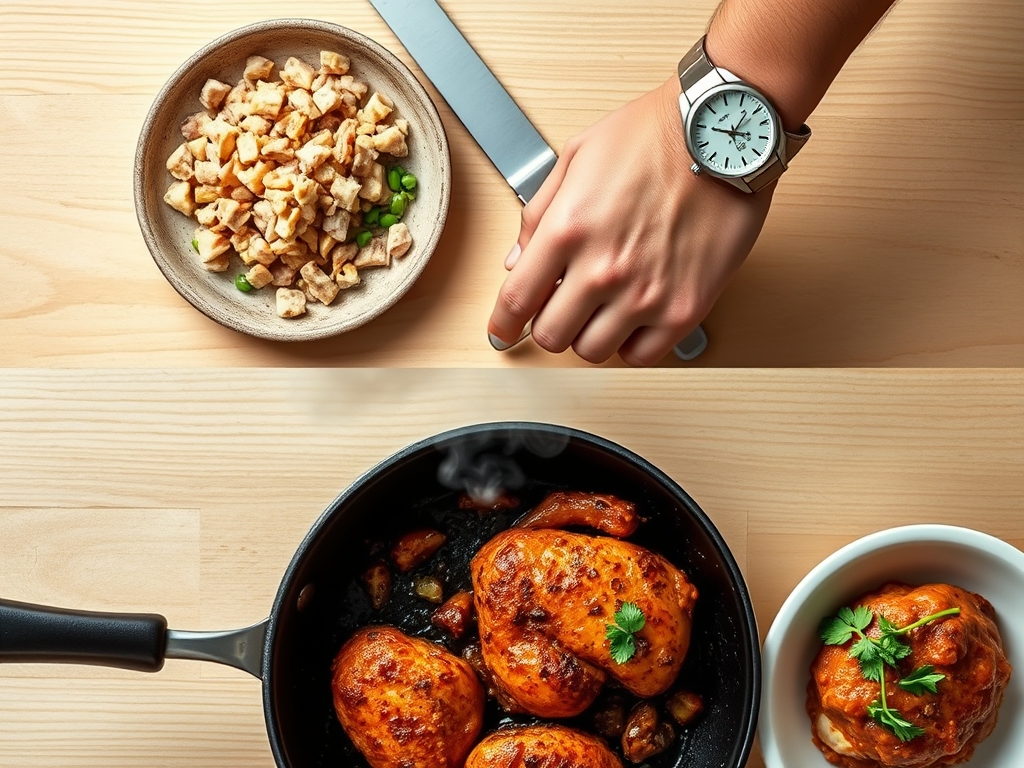
1. The Sear and Fond Development
Place your heavy-bottomed skillet over medium-high heat. Add your oil and wait for the shimmering point. Drop the chicken in, but do not move it. You want to achieve enzymatic browning, also known as the Maillard reaction, where amino acids and reducing sugars create that golden-brown crust. Use a stiff metal spatula or a bench scraper to break the meat into uniform morsels.
Pro Tip: Avoid overcrowding the pan. If you add too much meat at once, the temperature drops and the chicken will steam in its own juices rather than sear. This results in a grey, rubbery texture instead of a crisp, savory finish.
2. Deglazing the Flavor Profile
Once the meat is browned, you will notice brown bits stuck to the bottom of the pan. This is called "fond." Introduce a liquid, such as chicken stock, dry white wine, or even a splash of rice vinegar. Use your spatula to scrape the bottom, incorporating those concentrated flavor molecules back into the meat.
Pro Tip: Deglazing is a thermodynamic process that captures flavor that would otherwise be lost. The rapid evaporation of the liquid also helps to tenderize the lean protein fibers through gentle steam.
3. Emulsifying the Sauce
Lower the heat and add your viscous elements, like soy sauce, honey, or nut butters. Stir vigorously to create a stable emulsion. The fats from the oil and the proteins from the chicken should bind with the liquids to create a glossy, coat-the-back-of-the-spoon consistency.
Pro Tip: If your sauce looks broken or oily, add a teaspoon of starchy pasta water or a cornstarch slurry. The starches act as stabilizers, preventing the fat and water from separating.
4. The Final Infusion
Turn off the heat before adding fresh herbs or citrus juice. Volatile oils in herbs like cilantro or basil are heat-sensitive and will dissipate if cooked too long. Fold them in gently using tongs to ensure even distribution without bruising the leaves.
Pro Tip: Residual heat is enough to "bloom" the aromatics without destroying their bright, piquant notes. This ensures the final dish has layers of flavor rather than one muddy taste.
The Deep Dive:
Macro Nutrition: Ground chicken is a nutritional powerhouse. A standard 4-ounce serving contains roughly 22 grams of protein and only 8 to 10 grams of fat, depending on the blend of breast and thigh meat. It is naturally low in carbohydrates, making it a staple for metabolic health.
Dietary Swaps: To make these recipes Keto, serve the chicken in butter lettuce cups instead of over rice. For a Vegan alternative, crumbled extra-firm tofu or tempeh can be treated with the exact same searing and deglazing techniques. To ensure the dish is Gluten-Free, always verify that your umami sources, like tamari or fish sauce, are certified.
The Fix-It:
- Dry Meat: If the chicken is too dry, fold in two tablespoons of Greek yogurt or ricotta. The lactic acid tenderizes the meat instantly.
- Too Salty: Do not add water; add acidity. A squeeze of lime or a teaspoon of apple cider vinegar will mask the saltiness by tricking your taste buds.
- Bland Flavor: You likely missed the fond development. Add a drop of liquid smoke or a pinch of smoked paprika to simulate the depth of a long-simmered dish.
Meal Prep: When reheating ground chicken, the goal is to prevent the "warmed-over flavor" caused by lipid oxidation. Store the chicken in airtight glass containers. When reheating, add a tablespoon of water or stock and cover the dish. This creates a steam chamber that rehydrates the protein, maintaining "day-one" quality.
The Wrap-Up:
You now possess the technical blueprint to turn simple ground chicken recipes into a nightly masterclass. By focusing on thermal control, deglazing, and proper emulsification, you have elevated a humble ingredient into a gourmet staple. Remember, cooking is as much about the physics of heat as it is about the art of seasoning. Grab your skillet, trust your senses, and let the sizzle guide you to a perfect, high-protein meal.
The Kitchen Table:
How do I keep ground chicken from getting dry?
To prevent dryness, avoid overcooking past 165 degrees Fahrenheit. Incorporate moisture-rich binders like grated zucchini, Greek yogurt, or a splash of chicken stock during the final cooking stage to maintain a juicy, tender texture.
Can I freeze cooked ground chicken meals?
Yes, cooked ground chicken freezes beautifully. Allow the dish to cool completely before sealing in an airtight container or freezer bag. Consume within three months and reheat with a splash of liquid to restore the original moisture levels.
What is the best way to brown ground chicken?
Use a heavy-bottomed skillet over medium-high heat with a high-smoke-point oil. Press the meat into a flat layer and let it sit undisturbed for three minutes to allow the Maillard reaction to create a flavorful, golden-brown crust.
Is ground chicken healthier than ground beef?
Ground chicken is typically lower in saturated fat and calories than traditional ground beef. It provides a lean, high-protein alternative that is excellent for heart health and muscle recovery while remaining incredibly versatile for various flavor profiles.