
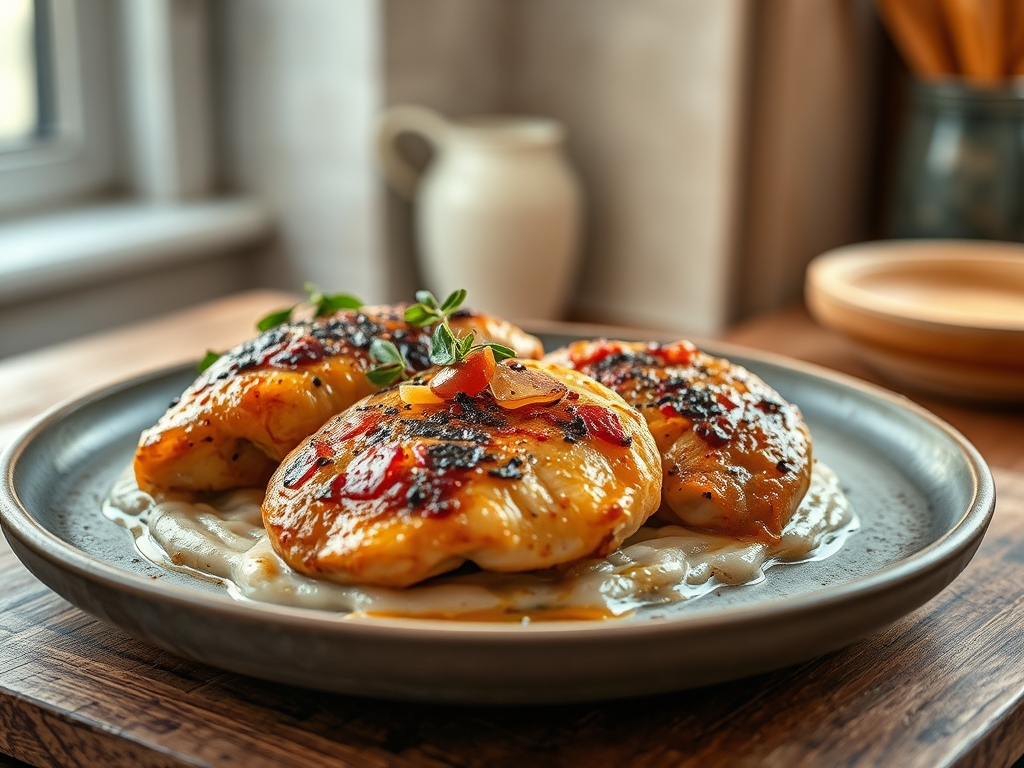
Imagine the sizzle of a heavy bottomed skillet meeting a perfectly seasoned breast of poultry; the sound is a chemical promise of flavor. Finding the right chicken recipes for diabetics is not just about restriction; it is about mastering the elegant intersection of glycemic control and culinary excellence. We are moving past the era of bland, boiled proteins. Instead, we are embracing the Maillard reaction to create deep, savory profiles without the sugar spikes.
Cooking for health is a high stakes game of flavor chemistry. When we talk about chicken recipes for diabetics, we are prioritizing lean proteins that stabilize blood glucose while utilizing aromatics to provide the sensory satisfaction usually reserved for high carb comfort foods. By understanding how to manipulate heat and acidity, you can transform a simple bird into a gourmet masterpiece. It is time to treat your kitchen like a laboratory and your dinner plate like a canvas.
The Gathers:
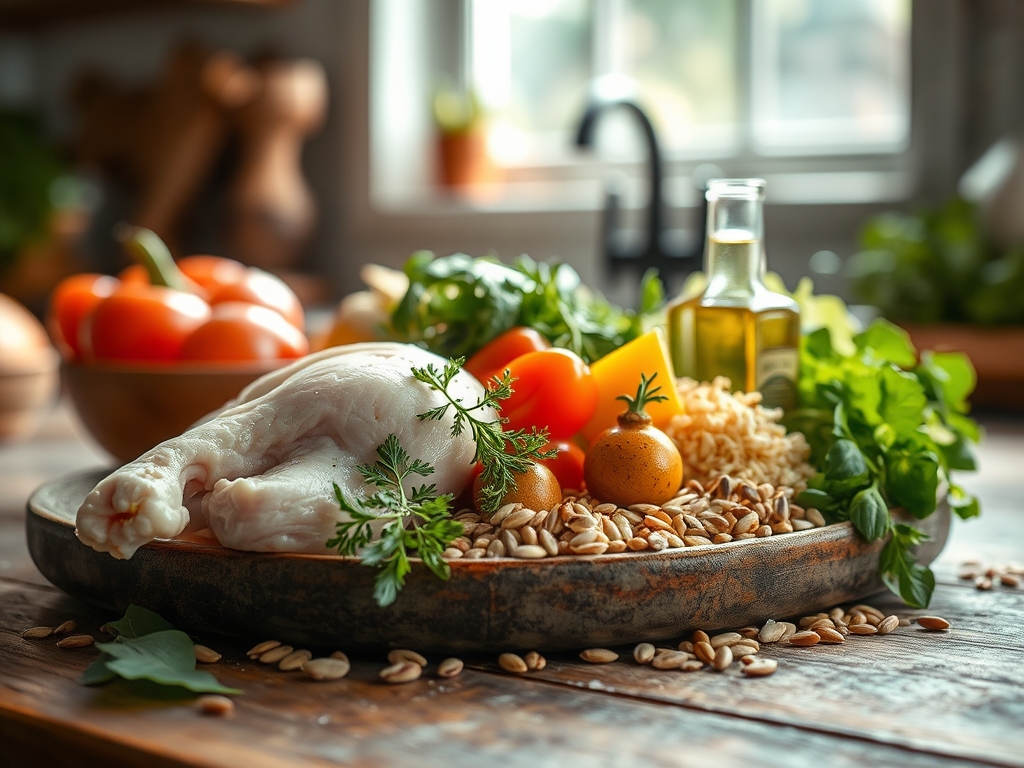
Before the flame ever touches the pan, we must respect the mise en place. To execute these chicken recipes for diabetics, your workstation should be organized with surgical precision. Start with high quality, lean cuts like skinless breasts or trimmed thighs. You will need a sharp chef knife to ensure uniform surface area, which guarantees even heat distribution.
The flavor foundation relies on "The Gathers": fresh aromatics like garlic and ginger, which contain bioactive compounds, and a vibrant array of fibrous vegetables. Use a microplane to zest citrus or grate hard spices; this increases the surface area and allows essential oils to infuse the dish more effectively.
Smart Substitutions are the secret weapon of the diabetic chef. Instead of using flour or cornstarch to thicken a sauce, we use pureed cauliflower or a reduction technique to achieve a viscous consistency. Swap honey or sugar for a splash of aged balsamic vinegar or a pinch of monk fruit sweetener to provide that piquant balance. Always keep a digital scale nearby to ensure your portion sizes align with your nutritional goals.
The Clock:
Efficiency in the kitchen is about the "Chef's Flow." For these nine recipes, prep time generally averages twenty minutes, while active cook times range from twelve to thirty minutes. The total investment is usually under an hour, making these ideal for weeknight rotations.
The flow begins with the marinade. Allowing chicken to sit in an acidic medium for even fifteen minutes begins the process of denaturing proteins, resulting in a more tender bite. While the protein rests, use your bench scraper to clear your board of vegetable trimmings, keeping your workspace sterile and efficient. This staggered approach ensures that by the time your skillet is screaming hot, your ingredients are staged and ready for the rapid fire of the sauté.
The Masterclass:
1. The Perfect Sear
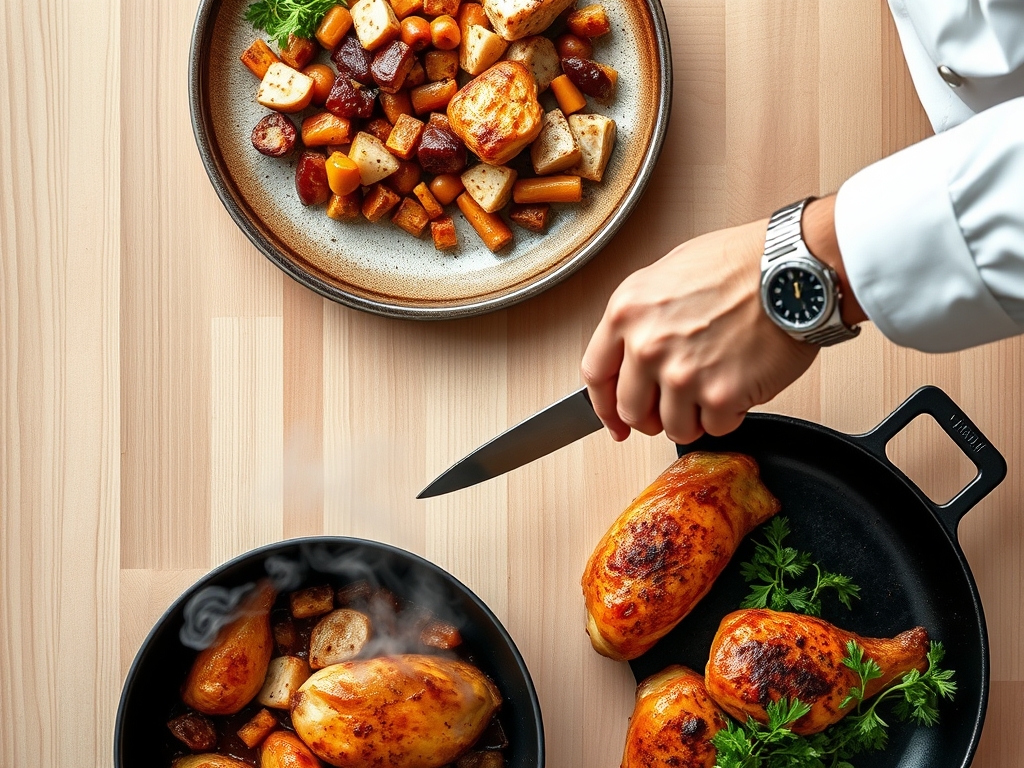
Place your chicken into a preheated cast iron pan. Do not crowd the meat, as this drops the temperature and causes the chicken to steam in its own juices rather than sear. Use tongs to flip only once a golden crust has formed.
Pro Tip: This crust is the result of the Maillard reaction, a chemical reaction between amino acids and reducing sugars that creates hundreds of different flavor compounds.
2. Deglazing the Fond
After removing the chicken, you will see brown bits stuck to the bottom of the pan. Pour in a splash of low sodium chicken stock or dry white wine. Use a wooden spoon to scrape the bottom.
Pro Tip: These bits, called the fond, are concentrated flavor bombs. Deglazing incorporates this umami depth back into your sauce without adding extra fat.
3. Emulsifying the Sauce
Lower the heat and whisk in a small amount of olive oil or Greek yogurt to create a creamy texture. Constant agitation is key to preventing the sauce from breaking.
Pro Tip: Emulsification is the process of forcing two immiscible liquids, like oil and water, into a stable mixture. This provides a luxurious mouthfeel without the need for heavy cream.
4. Resting for Succulence
Once the internal temperature reaches 160 degrees Fahrenheit, remove the chicken and let it sit on a warm plate for five minutes.
Pro Tip: Thermal carryover will bring the chicken to the safe 165 degree mark. Resting allows the muscle fibers to relax and reabsorb juices, ensuring the moisture stays in the meat rather than on the cutting board.
The Deep Dive:
When we analyze the macro nutrition of these chicken recipes for diabetics, the profile is impressive. Each serving typically yields 30 to 35 grams of protein with less than 10 grams of net carbohydrates. By focusing on monounsaturated fats from avocado or olive oils, we support heart health, which is a critical consideration for diabetic wellness.
Dietary Swaps:
For a vegan twist, replace the chicken with extra firm tofu or tempeh, using the same marinating techniques to infuse flavor. If you are following a Keto protocol, you can afford to use slightly fattier cuts like chicken thighs with the skin on to hit your fat macros. For those who are Gluten Free, simply ensure your chicken stock and spices are certified, as hidden fillers can often contain wheat derivatives.
The Fix-It:
- Dry Texture: If your chicken is consistently dry, you are likely overcooking it. Invest in a high quality digital meat thermometer to pull the meat at exactly 160 degrees.
- Bland Profile: If the dish lacks "pop," you likely need more acid. A final squeeze of fresh lemon juice or a dash of apple cider vinegar can brighten the entire flavor profile.
- Soggy Skin: If you are keeping the skin on, ensure it is bone dry before it hits the pan. Moisture is the enemy of crispiness; use a paper towel to pat the surface thoroughly.
Meal Prep Science:
To maintain "day-one" quality when reheating, avoid the microwave if possible. The microwave agitates water molecules, often leading to a rubbery texture. Instead, reheat your chicken in a saucier over low heat with a tablespoon of water or stock. Cover the pan to create a steam chamber, which gently rehydrates the protein fibers without overcooking the exterior.
The Wrap-Up:
Mastering chicken recipes for diabetics is a liberating culinary journey. It proves that a health conscious lifestyle does not require a sacrifice of flavor or sophistication. By applying these scientific principles; like the Maillard reaction, proper deglazing, and thermal carryover; you are transforming a basic ingredient into a nutrient dense powerhouse. You have the tools, the techniques, and the science to make every meal a celebration of wellness. Now, get that skillet hot and start cooking!
The Kitchen Table:
Can I use frozen chicken for these recipes?
Yes, but you must thaw it completely in the refrigerator first. Excess moisture from ice crystals prevents a proper sear and can lead to a rubbery texture. Always pat the meat dry before seasoning to ensure maximum flavor development.
What is the best way to add flavor without salt?
Utilize high impact aromatics and acids. Fresh herbs like cilantro or basil, toasted spices like cumin, and acidic brighteners like lime juice or vinegar provide complex flavor layers that satisfy the palate without the need for excessive sodium or sugar.
How do I prevent chicken from sticking to the pan?
Ensure your pan is properly preheated before adding oil, and wait for the oil to shimmer. Once the chicken is added, do not move it. The meat will naturally "release" from the surface once a proper crust has formed.
Is dark meat okay for a diabetic diet?
Absolutely. While chicken thighs contain slightly more fat than breasts, they are also higher in iron and zinc. The key is moderation and ensuring you trim excess skin to keep the saturated fat levels within your daily nutritional targets.