
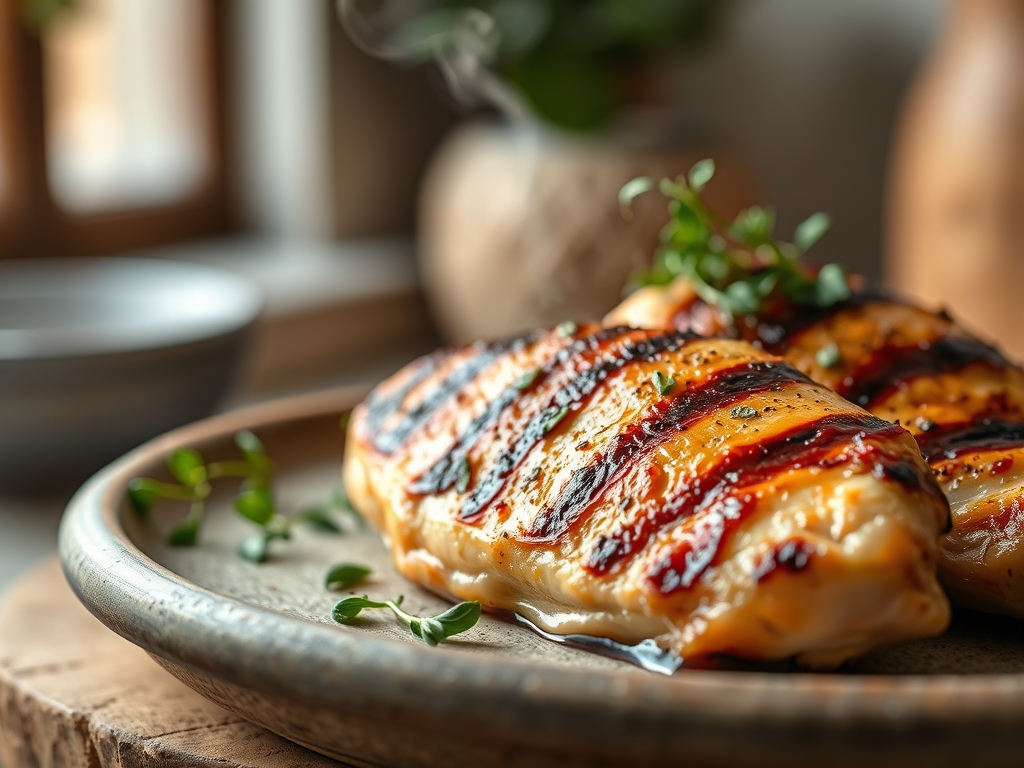
Imagine the hiss of cold protein meeting a blistering hot grate; it is the sound of a chemical transformation that turns a simple Tuesday night into a gourmet event. We have all been there, staring at a dry, rubbery breast and wondering where the joy went. Mastering grilled chicken recipes healthy enough for a fitness goal but delicious enough for a dinner party is a delicate dance of moisture retention and heat management. It is not just about the flame; it is about the molecular architecture of the meat. When we talk about healthy grilling, we are moving past the bland, skinless stereotype and into a world of vibrant marinades, precision timing, and the magical Maillard reaction. This is where science meets the soul of the kitchen. We are going to transform your backyard setup into a laboratory of flavor, ensuring every bite is succulent, nutrient-dense, and deeply satisfying. Grab your favorite apron because we are about to elevate your poultry game from basic to brilliant.
The Gathers:
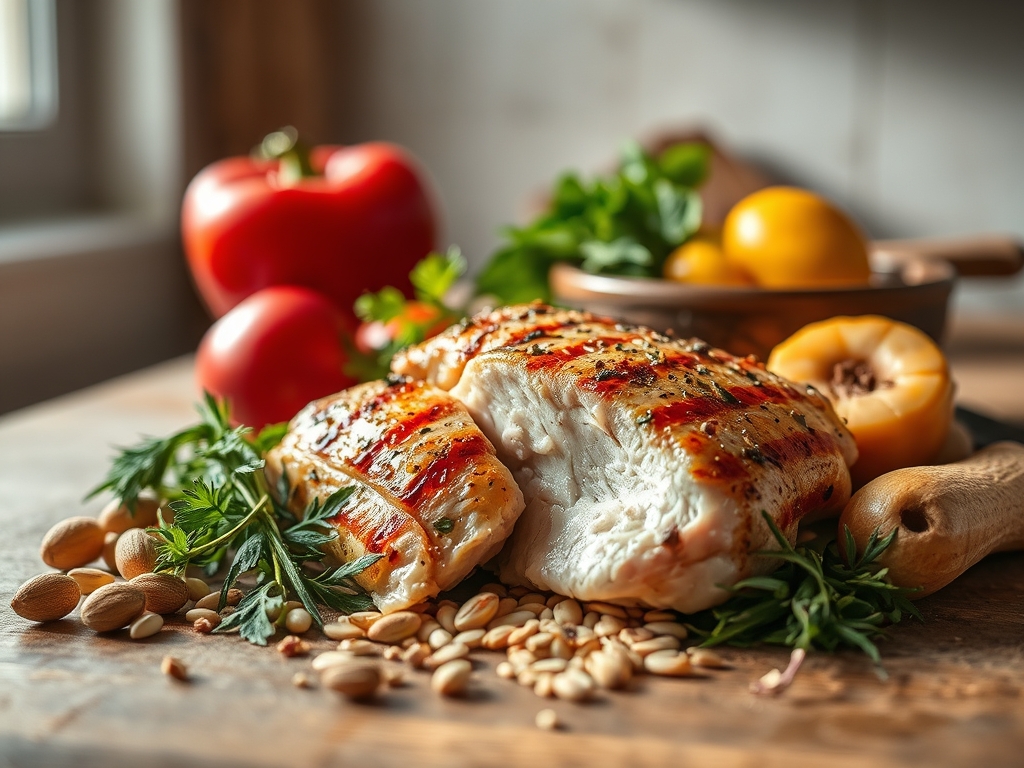
To achieve excellence, your mise-en-place must be intentional. We start with high-quality organic chicken breasts or thighs, which offer a clean canvas for our flavor profile. You will need a microplane to zest citrus and grate fresh ginger; these aromatics provide a piquant punch without the caloric load of heavy sauces. Our fat source is cold-pressed extra virgin olive oil, which acts as a carrier for fat-soluble vitamins and helps to infuse the meat with herbal notes. Use a digital scale to ensure your portions are precise, especially if you are tracking macros.
Smart Substitutions are the secret to keeping things lean. Instead of sugary BBQ sauces, we use a base of apple cider vinegar and smoked paprika to mimic that charred sweetness. Replace table salt with flaky sea salt or a splash of tamari to add depth through umami. If you want a creamy element, skip the mayo-based dips and use a saucier to whisk together a Greek yogurt and tahini lemon sauce. This provides a viscous texture and a boost of probiotics while keeping the profile light.
The Clock
The "Chef's Flow" is all about overlapping tasks to maximize efficiency. Your total active prep time is approximately 20 minutes, with a mandatory 30-minute marination window to allow enzymes to break down tough muscle fibers. The actual cook time on the grill is a swift 12 to 15 minutes depending on the thickness of the cut.
Start by prepping your marinade; this is the foundation. While the chicken bathes in its flavor bath, use your bench scraper to clear your workstation and prep your side vegetables. This ensures that by the time the chicken hits the grates, your workspace is clean and your sides are ready to go. Remember, the grill needs at least 10 minutes to preheat to a steady 400 degrees Fahrenheit to ensure an immediate sear.
The Masterclass
1. The Uniform Flattening
Place your chicken between two sheets of parchment paper and use a meat mallet or a heavy-bottomed skillet to pound the meat to an even thickness. This ensures that the thinner edges do not overcook before the center reaches safety.
Pro Tip: This process is called mechanical tenderization. By physically breaking down the connective tissues and collagen, you create a more uniform surface area for heat distribution, preventing the "rubber band" texture often found in unevenly cooked poultry.
2. The Acid-Fat Equilibrium
Whisk your marinade until it is fully emulsified. You want a ratio of three parts oil to one part acid. Use your saucier to combine lemon juice, garlic, and herbs, ensuring the oil coats every fiber of the meat.
Pro Tip: Acid acts as a denaturant, unfolding the protein chains so they can trap more moisture. However, do not exceed a four-hour soak; too much acid will turn the protein mushy as it effectively "cooks" the meat before it even touches the fire.
3. The Sear and Release
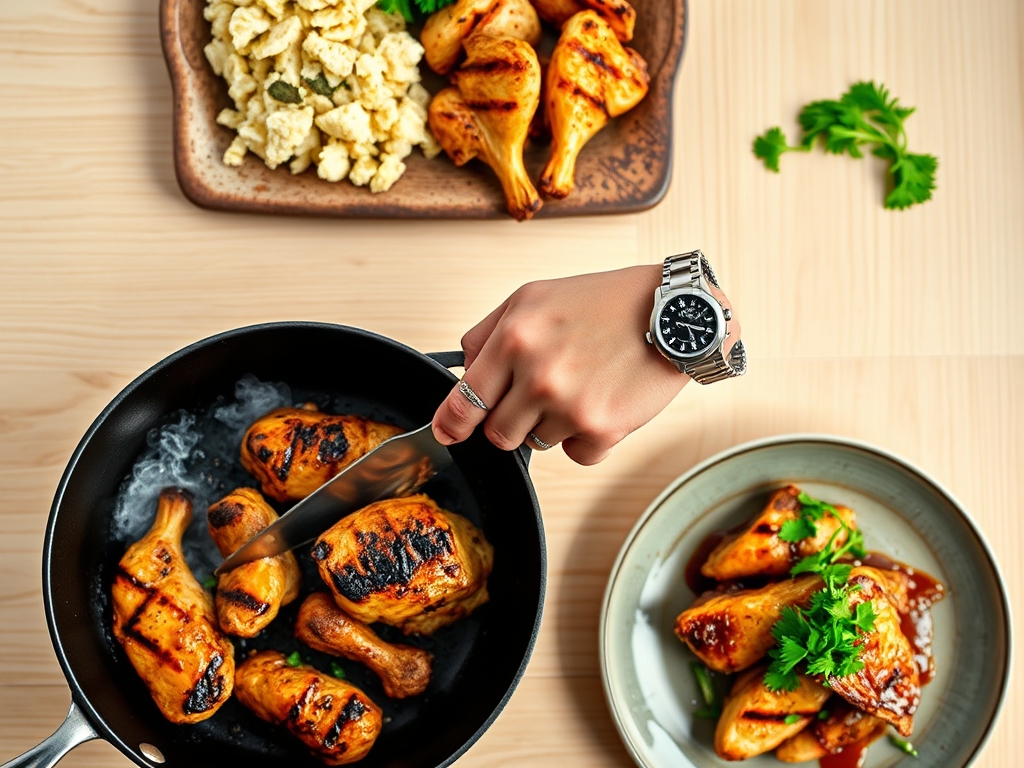
Place the chicken on the grates and leave it alone. Do not poke, prod, or move it for at least four minutes. Use professional tongs to gently lift a corner; if it sticks, it is not ready to flip.
Pro Tip: This is the Maillard reaction in action. It is a chemical reaction between amino acids and reducing sugars that gives browned food its distinctive flavor. Moving the meat too early prevents the crust from forming and causes the meat to tear.
4. The Thermal Finish
Move the chicken to a cooler part of the grill to finish cooking through indirect heat. Use an instant-read thermometer to pull the meat when it hits 160 degrees Fahrenheit, rather than the standard 165.
Pro Tip: This accounts for thermal carryover. The internal temperature will continue to rise by about five degrees while the meat rests. Pulling it early ensures the juices stay inside the cells rather than evaporating into the air.
5. The Essential Rest
Transfer the chicken to a warm plate and tent it loosely with foil. Let it sit for at least five to seven minutes before slicing with a sharp chef's knife.
Pro Tip: Resting allows the muscle fibers to relax and reabsorb the juices. If you cut into it immediately, the liquid will flood the cutting board, leaving you with a dry, lackluster result.
The Deep Dive
From a macro perspective, a standard 6-ounce serving of grilled chicken provides roughly 50 grams of protein with minimal fat. To keep it Keto, increase the healthy fats in your rub by adding avocado oil. For a vegan alternative, use this same marinade technique on extra-firm tofu or seitan, though you will want to press the tofu first to remove excess water.
The Fix-It: Common Pitfalls
- The Flare-Up: If fat drips and causes flames, move the meat to the "safety zone" (the unlit side of the grill). Do not spray water, as this kicks up ash.
- The Gray Meat: This happens when the grill isn't hot enough. Ensure your grates are screaming hot before the meat touches them to achieve that golden-brown hue.
- The Bitter Char: If your herbs burn and taste acrid, switch to dried herbs in the marinade and finish with fresh herbs after cooking.
Meal Prep Science: To reheat without losing quality, avoid the microwave. Instead, use a steam-induction method. Place the chicken in a pan with a tablespoon of water, cover it tightly, and warm it over medium heat. This creates a humid environment that prevents the proteins from tightening and becoming tough.
The Wrap-Up
You are now equipped with the technical prowess to turn a humble bird into a nutritional powerhouse. By understanding the physics of heat and the chemistry of marinades, you have moved beyond recipes and into the realm of culinary intuition. Remember, great cooking is about the small details; the sear, the rest, and the seasoning. Go forth and grill with confidence, knowing that your kitchen is a place of both health and high-end flavor.
The Kitchen Table
How do I prevent chicken from sticking to the grill?
Ensure your grates are clean and preheated. Rub a paper towel dipped in high-smoke-point oil over the grates using tongs right before placing the meat. The heat creates a non-stick carbonized layer that allows for a clean release.
Is it better to grill chicken with the lid open or closed?
For quick-cooking cuts like boneless breasts, keep the lid closed. This creates an oven-like environment, circulating heat evenly around the meat. It speeds up the cooking process and helps maintain moisture by reducing evaporation during the sear.
How long can I store grilled chicken in the fridge?
Cooked chicken stays fresh for three to four days when stored in an airtight container. To maintain the best texture, slice it only right before serving to prevent the interior from oxidizing and drying out during storage.
What is the best way to add flavor without extra calories?
Utilize dry rubs containing smoked paprika, cumin, and garlic powder. These provide intense flavor without adding fats or sugars. Additionally, finishing the meat with a squeeze of fresh lime or lemon juice adds brightness and enhances the existing seasonings.