
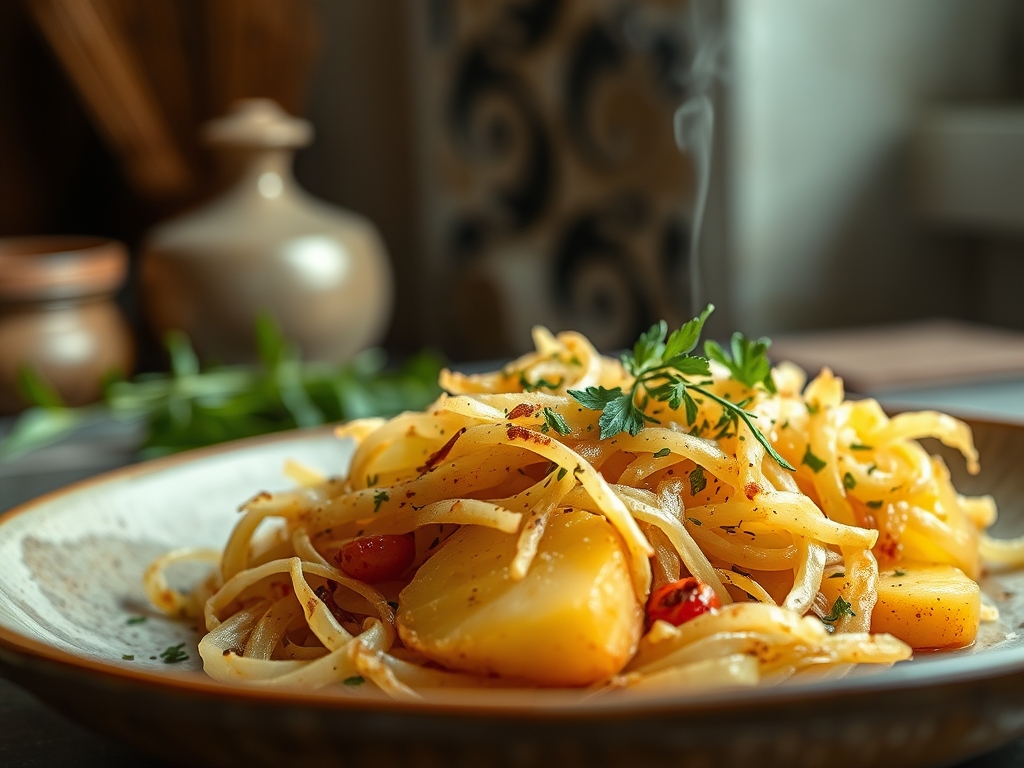
Imagine the sharp hiss of a heavy-bottomed skillet meeting a cold splash of oil; then, the immediate, punchy aroma of fermented cabbage hits the air. We are moving beyond the basic side dish and elevating sauerkraut potato recipes into a weeknight art form. This is where the earthy, starchy comfort of a Yukon Gold meets the bright, lactic acid bite of a well-aged ferment. It is a collision of textures: the shatter-crisp edges of a pan-seared tuber and the tender, translucent ribbons of kraut. We are not just making dinner; we are engineering a balance of pH and Maillard reactions that will make your kitchen smell like a high-end bistro in the heart of the Alps.
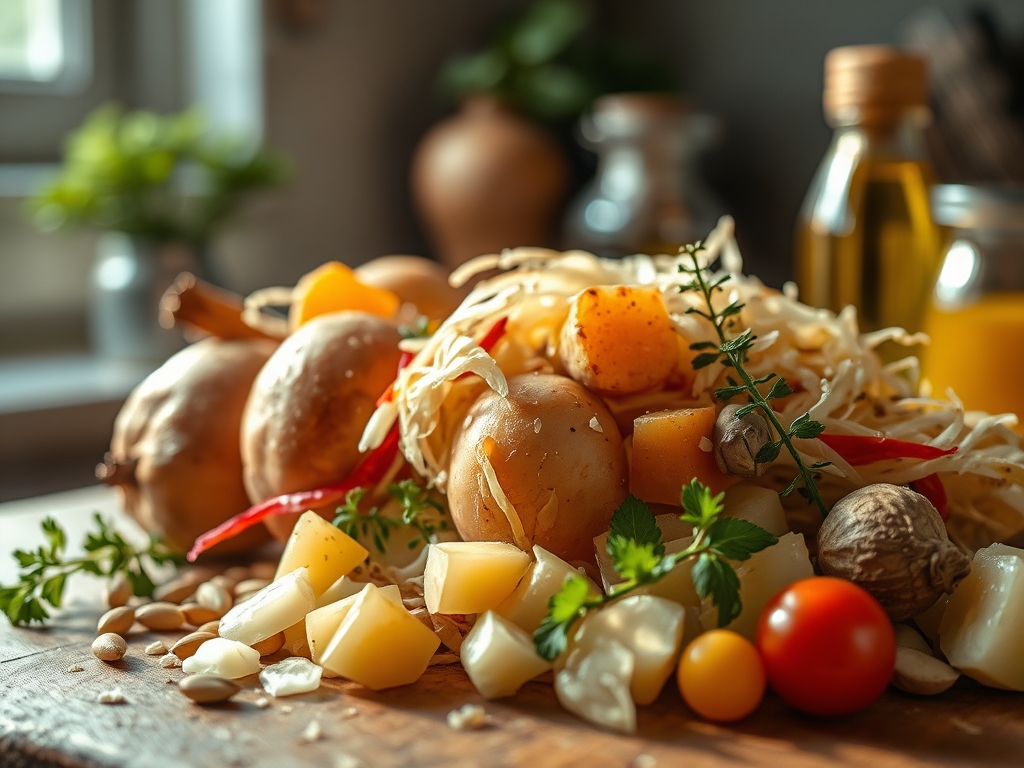
The Gathers:
To execute these sauerkraut potato recipes with precision, your mise-en-place must be immaculate. Start with your starch: high-starch Russets provide the fluffiest interior, while waxy red potatoes maintain structural integrity during high-heat agitation. You will need a high-quality sauerkraut, preferably one that is raw and refrigerated to preserve the complex enzymatic profile.
Gather your aromatics: shallots for a delicate sweetness, garlic for depth, and perhaps some caraway seeds to provide an earthy, anise-like counterpoint to the acidity. For the fats, reach for unsalted butter or rendered duck fat; the latter has a high smoke point and adds a luxurious, savory dimension that vegetable oils simply cannot replicate.
Smart Substitutions:
If you are out of traditional kraut, a quick-pickled cabbage using apple cider vinegar can mimic the acidity, though you will lose the probiotic depth. For a vegan profile, swap the butter for a high-quality avocado oil and add a teaspoon of nutritional yeast to replicate the savory "umami" punch of aged cheese. If you find the kraut too aggressive, a splash of heavy cream or a dollop of Greek yogurt can act as a buffer, coating the palate and mellowing the sharp lactic notes.
The Clock:
Efficiency in the kitchen is about managing your "Chef's Flow." For these skillet meals, expect a total commitment of 35 to 45 minutes. Preparation takes roughly 15 minutes; this includes the precision dicing of potatoes and the thorough draining of your ferment. You must squeeze the kraut in a clean kitchen towel to remove excess brine; failing to do so will result in "steaming" rather than "searing," ruining the texture.
The cooking phase spans 25 to 30 minutes. The first 15 minutes are dedicated to the potatoes, as they require the longest exposure to dry heat to achieve a golden crust. The sauerkraut and aromatics are introduced in the final 10 minutes to prevent the delicate sugars in the cabbage from scorching. This staggered approach ensures that every component reaches its peak texture simultaneously.
The Masterclass:
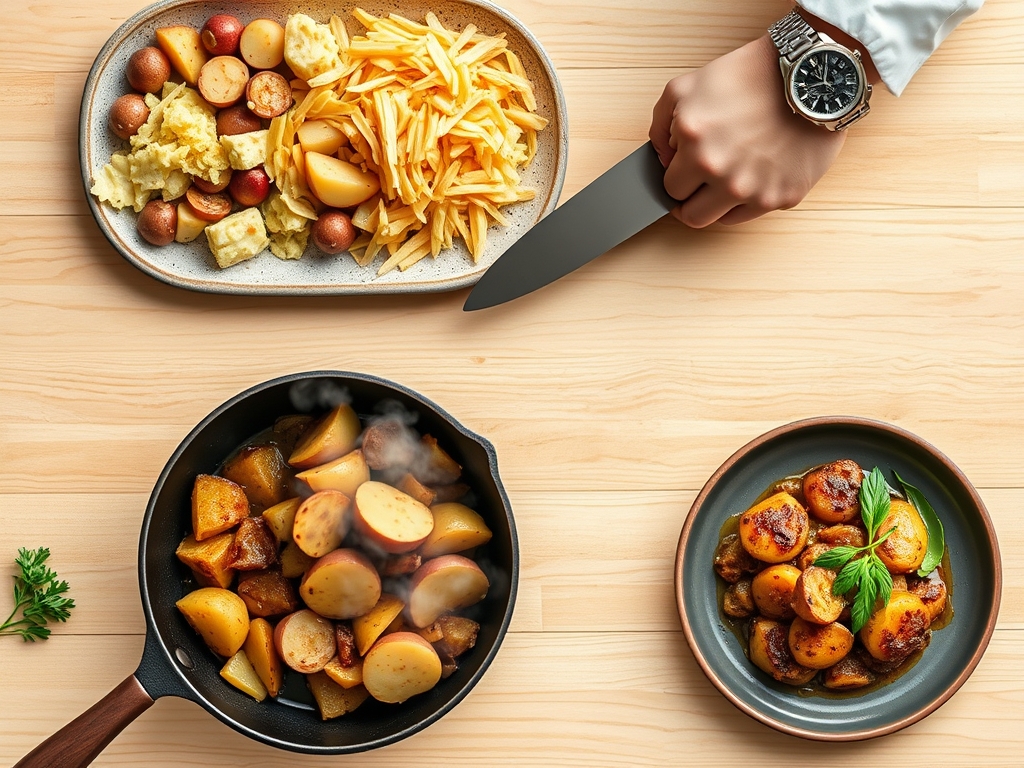
1. The Initial Sear and Starch Gelatinization
Heat your heavy-bottomed skillet over medium-high heat until a drop of water flicked onto the surface dances and evaporates instantly. Add your fat of choice, followed by the cubed potatoes. Do not crowd the pan; overcrowding drops the surface temperature and leads to soggy results.
Pro Tip: This stage relies on starch gelatinization. By hitting the potatoes with high heat, the outer cells burst and release amylose, which then dehydrates to form that coveted, crunchy exterior.
2. The Deglaze and Infusion
Once the potatoes are 70 percent cooked, move them to the perimeter of the pan. Add your sliced shallots and caraway seeds to the center. As the shallots release moisture, use a wooden spoon to deglaze the pan, scraping up the "fond" (the brown bits) stuck to the bottom.
Pro Tip: Use a saucier or a small whisk to incorporate a splash of dry white wine at this stage. The alcohol acts as a solvent, extracting flavor compounds that are not water-soluble, resulting in a more complex flavor profile.
3. Incorporating the Ferment
Add the squeezed sauerkraut to the skillet. Toss vigorously with tongs to ensure the cabbage is coated in the rendered fats and potato starches. The goal here is to warm the kraut through and allow it to slightly caramelize without losing its signature crunch.
Pro Tip: This is the Maillard reaction in action. The residual sugars in the cabbage react with the amino acids from the potatoes and fats, creating hundreds of new flavor compounds that smell toasted and savory.
4. The Final Emulsification
Turn off the heat. Add a cold knob of butter or a splash of brine back into the pan. Shake the skillet rapidly while stirring. This creates a light, viscous sauce that binds the disparate elements of the dish together.
Pro Tip: This technique, known as "mounting with butter," creates a temporary emulsion. The fat molecules are suspended in the liquid, providing a velvety mouthfeel that balances the sharp acidity of the sauerkraut.
The Deep Dive:
Macro Nutrition:
A standard serving of these sauerkraut potato recipes is surprisingly balanced. Potatoes provide complex carbohydrates and potassium; while sauerkraut offers a boost of Vitamin C, Vitamin K, and beneficial probiotics. If you add a protein like smoked sausage or tempeh, you create a complete, satiating meal that hits all your macro targets.
Dietary Swaps:
- Vegan: Use coconut oil or olive oil and finish with a sprinkle of smoked paprika for a "bacon-like" depth.
- Keto: Replace the potatoes with roasted cauliflower florets or daikon radish cubes. The texture remains remarkably similar when seared correctly.
- Gluten-Free: Naturally, this dish is GF, but ensure your sauerkraut brand does not use malt vinegar as a filler.
The Fix-It:
- The Soggy Mess: If your potatoes are mushy, you likely skipped the drying step or crowded the pan. Fix it by spreading the mixture on a sheet pan and blasting it under the broiler for 3 minutes.
- Too Salty: Sauerkraut is high in sodium. If the dish is overwhelming, add a squeeze of fresh lemon juice or a pinch of sugar; the acid and sweetness will distract the tongue from the salt.
- Burned Garlic: If your aromatics turned bitter, they were added too early. Next time, add garlic only in the last 2 minutes of cooking.
Meal Prep:
To maintain "day-one" quality, store the potatoes and kraut in an airtight glass container. When reheating, avoid the microwave, which turns potatoes into rubber. Instead, use a small skillet with a teaspoon of water and a lid. The steam will rehydrate the interior while the pan heat recrisps the bottom.
The Wrap-Up:
Mastering sauerkraut potato recipes is a gateway to understanding the delicate balance of salt, fat, and acid. By utilizing professional techniques like deglazing and proper starch management, you transform humble pantry staples into a dinner that feels intentional and sophisticated. Grab your favorite skillet, trust the science of the sear, and enjoy the most vibrant comfort food in your repertoire.
The Kitchen Table:
Can I use canned sauerkraut for these recipes?
Yes, but you must rinse it thoroughly under cold water first. Canned varieties often sit in a harsh brine that can overwhelm the potatoes. Rinsing allows you to control the final salinity and acidity of the dish.
Which potato variety is best for a crispy skillet?
Yukon Golds are the gold standard. They possess a medium starch content that allows for a creamy interior while still developing a robust, golden-brown crust. Russets are a close second but can crumble if over-stirred.
How do I prevent the sauerkraut from becoming mushy?
The secret is timing. Only add the sauerkraut during the final five to seven minutes of cooking. This ensures the cabbage is heated through and slightly caramelized while retaining its essential structural "crunch" and probiotic integrity.
Do I need to peel the potatoes first?
Peeling is optional and depends on the variety. For thin-skinned Yukon Golds or red potatoes, the skin adds texture and nutrients. For thick-skinned Russets, peeling is recommended to ensure a uniform, professional mouthfeel in the finished skillet.