
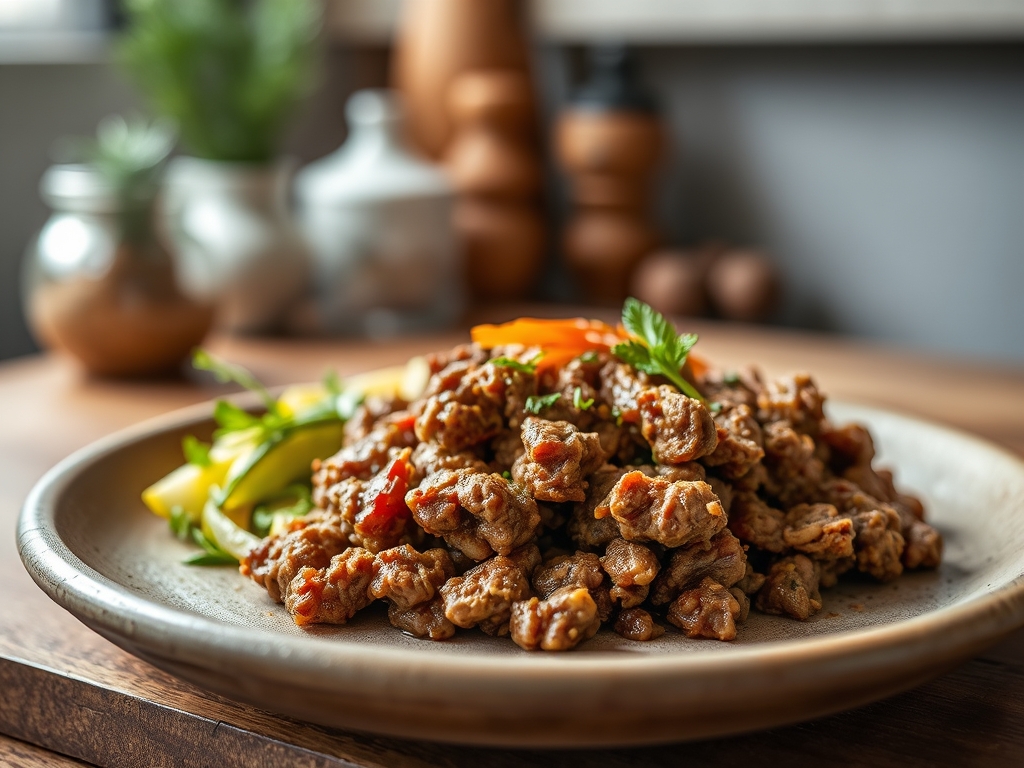
Picture the sound of a heavy-bottomed skillet meeting a high-flame burner; that sharp, metallic ring is the starting bell for a week of culinary triumphs. We are moving beyond the basic burger because your family deserves a menu that fuels muscle growth without sacrificing flavor. Mastering easy high protein ground beef recipes is about more than just satiety; it is about the chemistry of a perfectly seared protein. When the iron-rich aroma of rendering fat hits the air, you are witnessing the Maillard reaction in real time. We are going to transform humble ground chuck into nine distinct masterpieces that satisfy the soul and the macros.
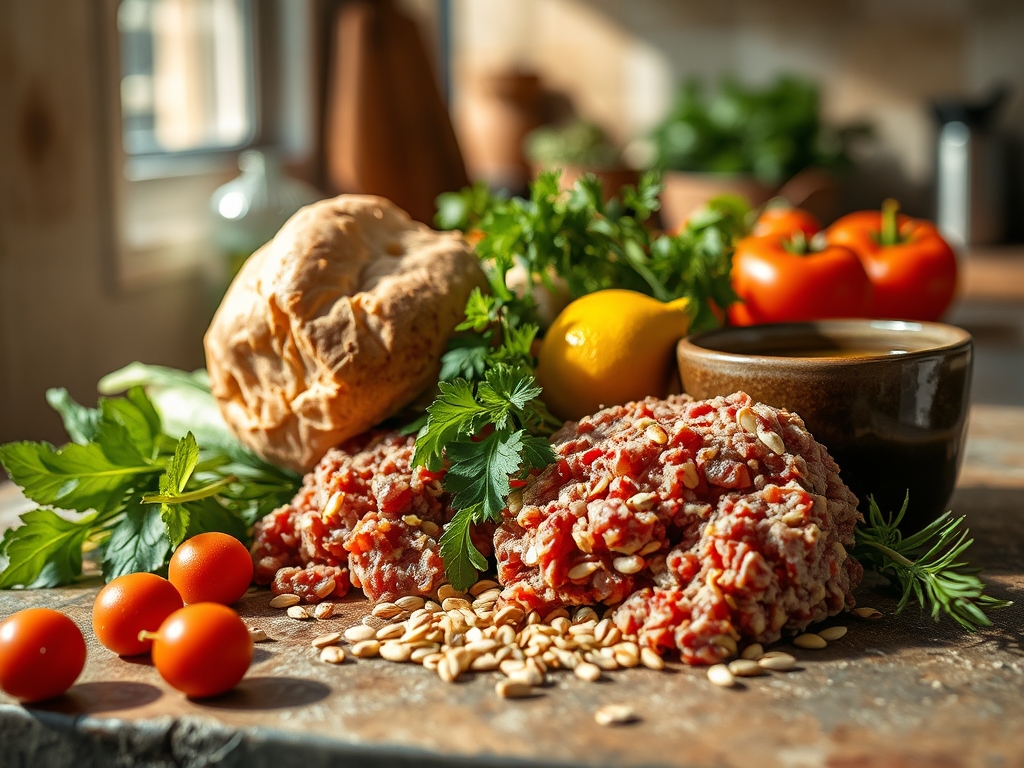
The Gathers:
Setting your station is the difference between a chaotic kitchen and a professional flow. For these nine variations, your primary medium is 90/10 or 93/7 lean ground beef. This ratio ensures enough lipid content to carry fat-soluble vitamins and flavors without leaving a greasy residue on the palate. You will need a digital scale to ensure precise portioning, especially when aiming for that 30-gram protein threshold per serving.
The aromatics are your foundation. Gather yellow onions for their high sugar content (essential for caramelization), fresh garlic cloves to be processed via microplane for maximum surface area, and ginger for a piquant bite in our Asian-inspired bowls. You will also need liquid gold: low-sodium beef bone broth. This provides a viscous mouthfeel due to its high collagen content.
Smart Substitutions: If you are watching cholesterol, swap half the beef for finely minced cremini mushrooms. This "blending" technique maintains the umami profile while increasing fiber. For a tangier profile, replace heavy cream in sauces with Greek yogurt, but add it off-heat to prevent the proteins from denaturing and curdling.
The Clock:
Efficiency is a learned skill. For these nine recipes, we utilize a "Chef's Flow" methodology. This means we group tasks by thermal requirements. Total active prep time across the board averages 15 minutes, with cook times hovering between 12 and 20 minutes.
The flow begins with the cold prep: dicing all vegetables with a sharp chef's knife and measuring spices. Next is the searing phase, where the beef is browned in large batches to be divided later. Finally, the "infusion" phase occurs, where specific sauces and greens are added to differentiate the nine flavor profiles. By using a single large skillet, you minimize cleanup and maximize the fond (those delicious brown bits) left in the pan.
The Masterclass:
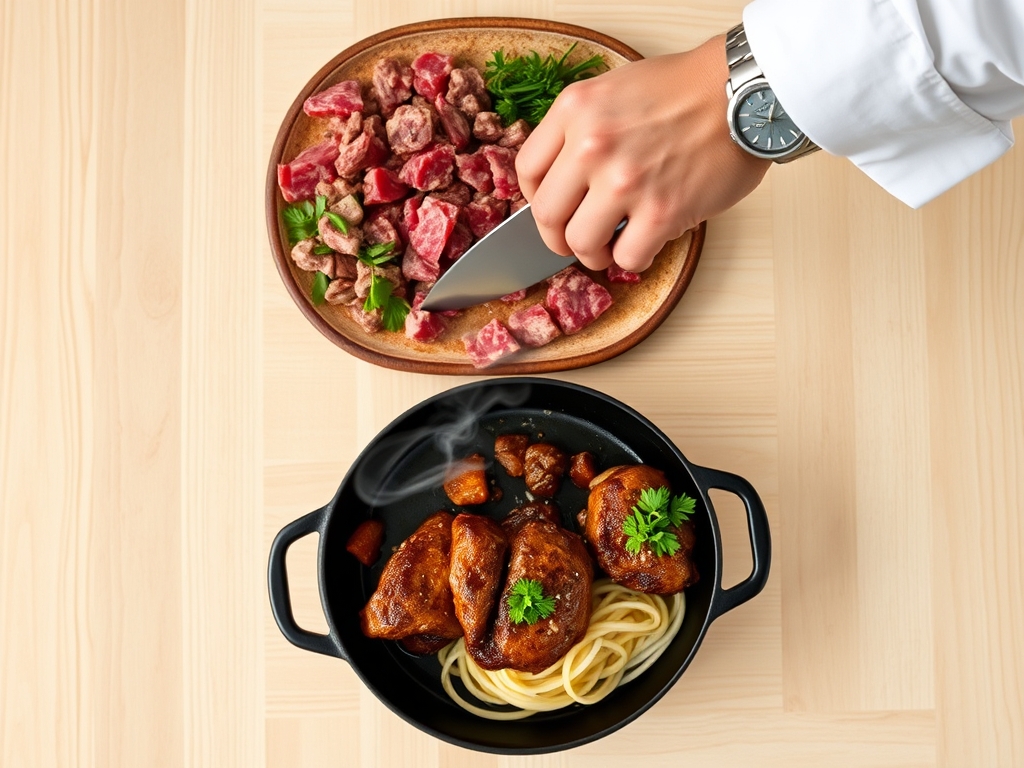
1. The Thermal Sear
Heat your cast iron or stainless steel skillet until it wisps with smoke. Add the beef in a flat layer but do not stir immediately. Let it sit for three minutes to develop a deep, mahogany crust.
Pro Tip: This is enzymatic browning. Moving the meat too early causes it to steam in its own moisture rather than sear; this results in a gray, rubbery texture instead of a crisp, flavorful bite.
2. Deglazing the Fond
Once the meat is browned and removed, the pan will be covered in caramelized proteins. Pour in a splash of red wine vinegar or broth and use a wooden spoon or bench scraper to lift those bits.
Pro Tip: Deglazing captures the concentrated flavor molecules stuck to the pan. This acidity also balances the richness of the beef fats, creating a more complex flavor profile.
3. Emulsifying the Sauce
Whether you are making a Swedish meatball gravy or a spicy taco sauce, adding a cold fat (like butter or a splash of heavy cream) at the very end is key. Whisk vigorously with a saucier or whisk.
Pro Tip: This creates a stable emulsion. The fat droplets become suspended in the liquid, resulting in a glossy, velvet-like sauce that clings to the beef rather than pooling at the bottom of the bowl.
4. Aerating the Grains
If serving over rice or quinoa, use a fork to fluff the grains immediately after cooking. This allows steam to escape and prevents the starches from becoming gummy.
Pro Tip: Steam entrapment leads to overcooking via thermal carryover. By aerating, you stop the cooking process and ensure each grain remains distinct and "al dente."
The Deep Dive:
When we look at the macro nutrition of these easy high protein ground beef recipes, we are hitting roughly 350 to 450 calories per serving with a massive 30 to 40 grams of protein. This ratio is ideal for metabolic health and muscle protein synthesis.
For dietary swaps, Keto followers can replace rice with riced cauliflower sautéed in tallow. For a Gluten-Free version, ensure your soy sauce is replaced with liquid aminos or tamari. If you need a Vegan alternative for a family member, use a pea-protein crumble, though you will need to add a teaspoon of smoked paprika to mimic the depth of beef.
The Fix-It:
- Greasy Sauce: If your sauce separates, the heat was too high. Remove from the burner and whisk in a tablespoon of ice-cold water to re-emulsify the fats.
- Tough Meat: You likely over-handled the raw beef. For the best texture, keep the meat cold until the second it hits the pan and avoid pressing down on it with a spatula.
- Bland Profile: It likely needs "brightening." Add a squeeze of lime or a teaspoon of apple cider vinegar at the very end to wake up the dull flavors.
Meal Prep: To maintain "day-one" quality when reheating, add a teaspoon of water to the container before microwaving. This creates a mini-steam chamber that prevents the beef from becoming desiccated and tough.
The Wrap-Up:
You are now armed with the technical prowess to turn a standard grocery staple into a week of high-octane, gourmet fuel. From the chemistry of the sear to the physics of a stable emulsion, these meals prove that "healthy" never has to mean "boring." Grab your favorite skillet, trust the sizzle, and watch your family thrive on these protein-packed delights. Cooking is a science, but eating is an art; go make something beautiful.
The Kitchen Table:
How do I keep ground beef from getting dry?
To prevent dryness, use beef with at least 10 percent fat and avoid over-stirring. Adding a splash of bone broth or a tablespoon of tomato paste during the final simmering stage helps retain moisture through collagen and acidity.
Can I freeze these high protein meals?
Yes, ground beef dishes freeze exceptionally well. Ensure the meal has cooled completely to prevent ice crystal formation. Store in airtight glass containers for up to three months; thaw in the refrigerator overnight before reheating for the best texture.
What is the best way to drain excess fat?
Instead of pouring fat down the drain, use tongs to push the meat to one side of the tilted skillet. Use a wadded paper towel to soak up the rendered lipids, or use a spoon to transfer it to a jar.
Why does my ground beef turn gray instead of brown?
Gray meat occurs when the pan is overcrowded or not hot enough. This causes the meat to boil in its own juices. Cook in smaller batches and ensure the skillet is preheated until it reaches the smoke point.