
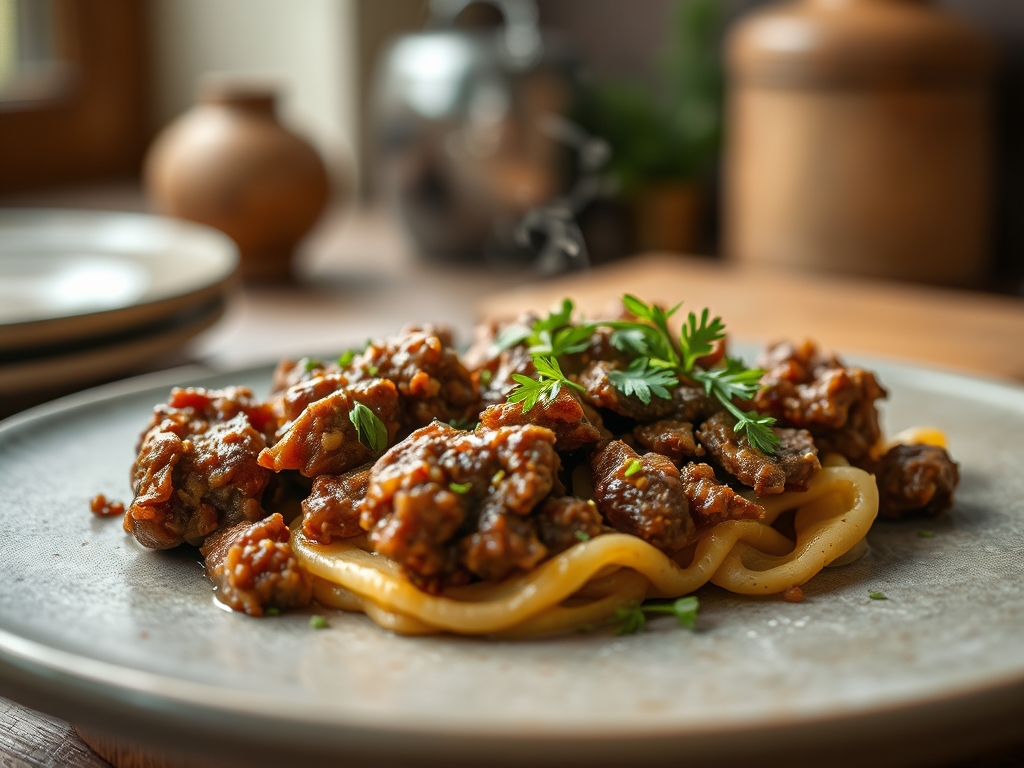
Picture the sound of a heavy-bottomed cast iron skillet meeting a hot flame. There is a specific, rhythmic sizzle that signals the start of a perfect weeknight meal. When you are juggling homework and a busy schedule, high-quality family ground beef recipes are your secret weapon for delivering nutrient-dense, flavorful dinners that kids actually crave.
Ground beef is a culinary powerhouse because of its high surface-area-to-volume ratio. This allows for rapid browning and incredible flavor development through the Maillard reaction. By mastering a few simple techniques, you can transform a humble pound of chuck into a sophisticated meal that balances protein, healthy fats, and hidden vegetables. Whether you are crafting a silky Bolognese or a piquant taco bowl, the goal is always the same: maximum nutrition with zero complaints from the little ones.
We are moving beyond the basic burger. Today, we are exploring eight diverse ways to utilize this versatile protein. From veggie-loaded shepherd's pie to ginger-infused Korean beef bowls, these recipes prioritize efficiency without sacrificing the complex flavor profiles that make home cooking so rewarding. Let us get into the science of the sear.
The Gathers:
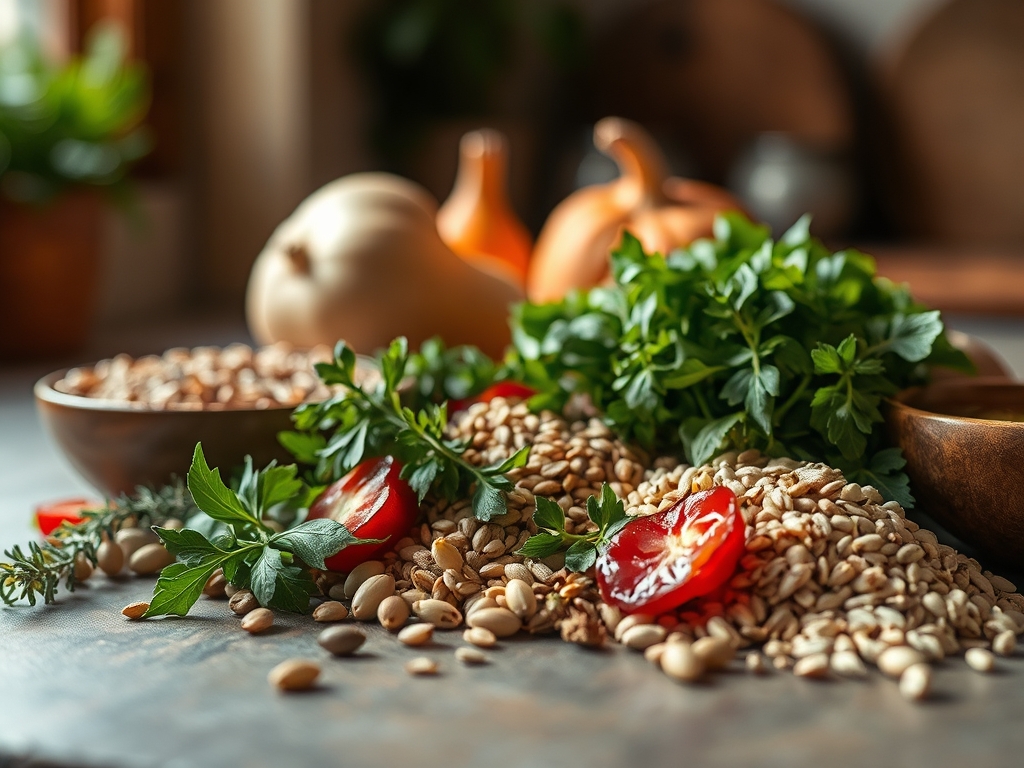
Before you ignite the burner, your mise-en-place must be precise. Start with a digital scale to ensure your protein portions are consistent; this prevents uneven cooking times. You will need a high-quality 80/20 or 90/10 ground beef. The 80/20 blend is superior for moisture retention because the intramuscular fat will render out, creating a viscous, flavorful base for your sauces.
Your aromatics are the backbone of these family ground beef recipes. Use a sharp chef knife to create a fine brunoise of carrots, celery, and onions. This "holy trinity" provides a foundational sweetness once the natural sugars caramelize. I recommend using a microplane for your garlic and ginger. This tool breaks down the cell walls more effectively than chopping, allowing the essential oils to infuse the fat almost instantly.
Smart Substitutions:
If you are looking to increase fiber, try the "50/50 Blend" technique. Pulse cremini mushrooms in a food processor until they mimic the texture of the beef. Mix them into the meat before browning. The mushrooms provide an earthy umami boost while significantly lowering the caloric density. For a piquant kick that is still kid-friendly, swap standard table salt for a splash of coconut aminos or Worcestershire sauce to deepen the savory profile.
The Clock:
Efficiency in the kitchen is all about "Chef's Flow." This is the practice of overlapping tasks to minimize downtime. Most of these family ground beef recipes require a total time of 30 to 45 minutes.
The first 10 minutes are dedicated to prep. While your skillet preheats, use a bench scraper to clear your workspace and organize your chopped vegetables. The cooking phase typically takes 20 minutes. Spend the first 5 minutes rendering the fat and browning the meat. The remaining 15 minutes are for simmering and allowing flavors to meld. If you are boiling pasta or grains as a side, start your water the moment you begin chopping. By the time your sauce has reached its peak viscosity, your starch will be perfectly al dente.
The Masterclass:
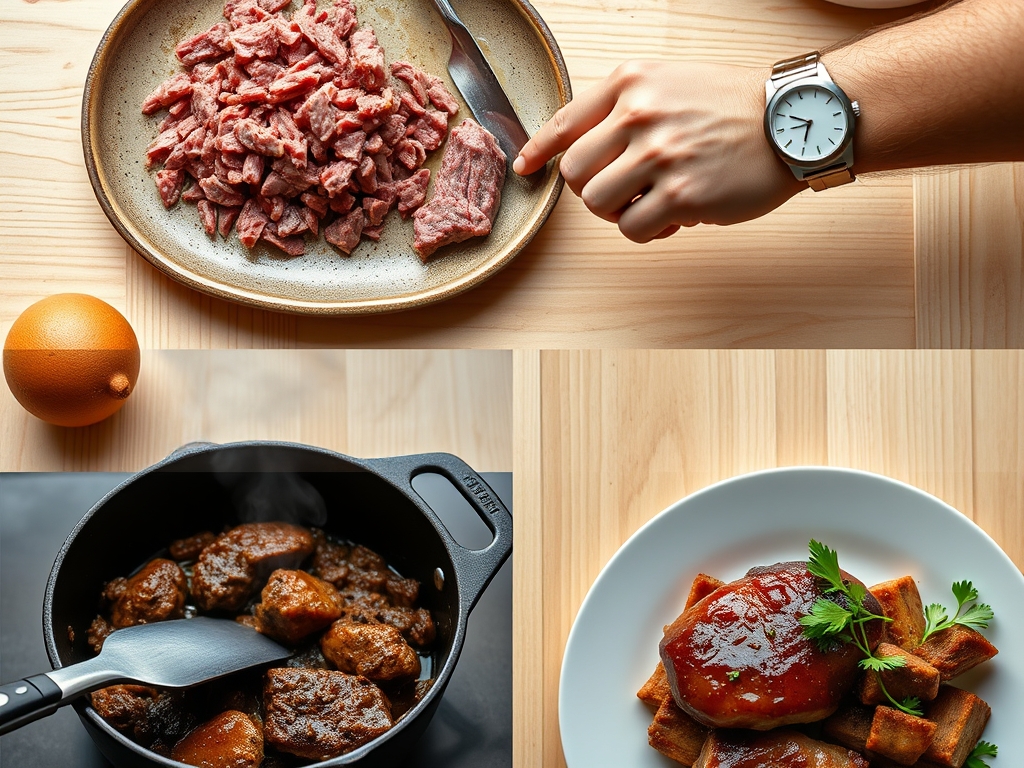
1. The High-Heat Sear
Place your heavy-bottomed skillet over medium-high heat. Add the beef in a single layer and do not touch it for at least three minutes. You want to see a deep, mahogany crust form on the bottom.
Pro Tip: This is the Maillard reaction in action. It occurs when amino acids and reducing sugars rearrange under heat. If you stir too early, you release steam, which lowers the surface temperature and results in gray, boiled meat instead of flavorful, browned beef.
2. Deglazing the Fond
Once the meat is browned and removed, you will notice brown bits stuck to the bottom of the pan. This is called the fond. Add a splash of beef stock or a bit of water and use a wooden spoon to scrape these bits up.
Pro Tip: Deglazing is essential because it captures the concentrated flavor molecules trapped in the pan. This creates a complex flavor profile that acts as a natural "flavor enhancer" for your entire sauce.
3. Emulsifying the Sauce
When adding liquids like tomato sauce or broth, stir vigorously to incorporate the rendered fat. You want to create a stable emulsion so the sauce doesn't look oily or separated on the plate.
Pro Tip: Use a whisk or a saucier to help combine the fats and liquids. A well-emulsified sauce has a silky mouthfeel that coats the palate, making the meal feel much more indulgent than it actually is.
4. Thermal Carryover Management
Remove your beef from the heat when it is just slightly under your desired doneness. If you are making meatballs or meatloaf, use a digital thermometer to pull them at 160 degrees Fahrenheit.
Pro Tip: Thermal carryover means the internal temperature will continue to rise by 5 degrees after the meat is removed from the heat. Pulling it early ensures the proteins don't tighten and become tough, keeping the texture tender for the kids.
The Deep Dive:
When we look at the macro nutrition of these family ground beef recipes, we are focusing on a high-protein, moderate-fat profile. A standard 4-ounce serving of lean ground beef provides about 25 grams of protein, which is vital for muscle repair and growth in active children. It is also a powerhouse of B12 and Zinc, which support cognitive function.
Dietary Swaps:
For a Keto version of these meals, replace pasta with zoodles or spaghetti squash. To make these recipes Gluten-Free, ensure your thickeners are cornstarch or arrowroot powder rather than flour. If you need a Vegan alternative, lentils or crumbled tempeh work beautifully, though you may need to add a teaspoon of liquid smoke to replicate the savory depth of beef.
The Fix-It:
- The Meat is Greasy: If your sauce looks oily, use a wide spoon to skim the fat off the top, or toss in a few pieces of bread to soak up the excess before discarding them.
- The Beef is Tough: This usually happens from overworking the meat. When mixing in spices, use a light hand. Do not compress the meat; keep it airy.
- The Flavor is Flat: You likely need acid. A squeeze of lemon or a teaspoon of apple cider vinegar at the very end will brighten the heavy fats and make the flavors "pop."
Meal Prep Science:
To maintain "day-one" quality when reheating, avoid the microwave if possible. Reheat your beef in a skillet with a tablespoon of water or broth. This creates a small amount of steam that re-hydrates the protein fibers, preventing that "leathery" texture often found in leftovers.
The Wrap-Up:
Mastering family ground beef recipes is about more than just feeding a crowd; it is about understanding the chemistry of your kitchen to produce the best possible results. By focusing on the Maillard reaction, proper emulsification, and smart prep habits, you can turn a simple weeknight dinner into a gourmet experience. Your kids will love the flavors, and you will love the nutritional density and ease of cleanup. Now, grab that skillet and start searing!
The Kitchen Table:
How do I prevent ground beef from getting soggy?
Avoid overcrowding the pan. Cook in batches if necessary so the moisture evaporates quickly. If the pan is too full, the meat will steam in its own juices rather than browning, resulting in a rubbery and grey texture.
What is the healthiest fat ratio for kids?
A 90/10 or 93/7 lean-to-fat ratio is excellent for heart health. However, 80/20 is often better for meatballs or burgers to ensure they stay juicy. You can always drain the excess rendered fat after the browning process is complete.
Can I freeze ground beef recipes after cooking?
Yes. Allow the dish to cool completely to prevent ice crystals from forming. Store in airtight containers for up to three months. Reheat slowly on the stovetop with a splash of liquid to restore the original moisture and sauce consistency.
How do I hide vegetables in ground beef?
Use a food processor to finely mince zucchini, spinach, or mushrooms. Sauté them with the beef. The small particles will bind to the meat and absorb the savory flavors, making them virtually undetectable to even the pickiest eaters in your house.