
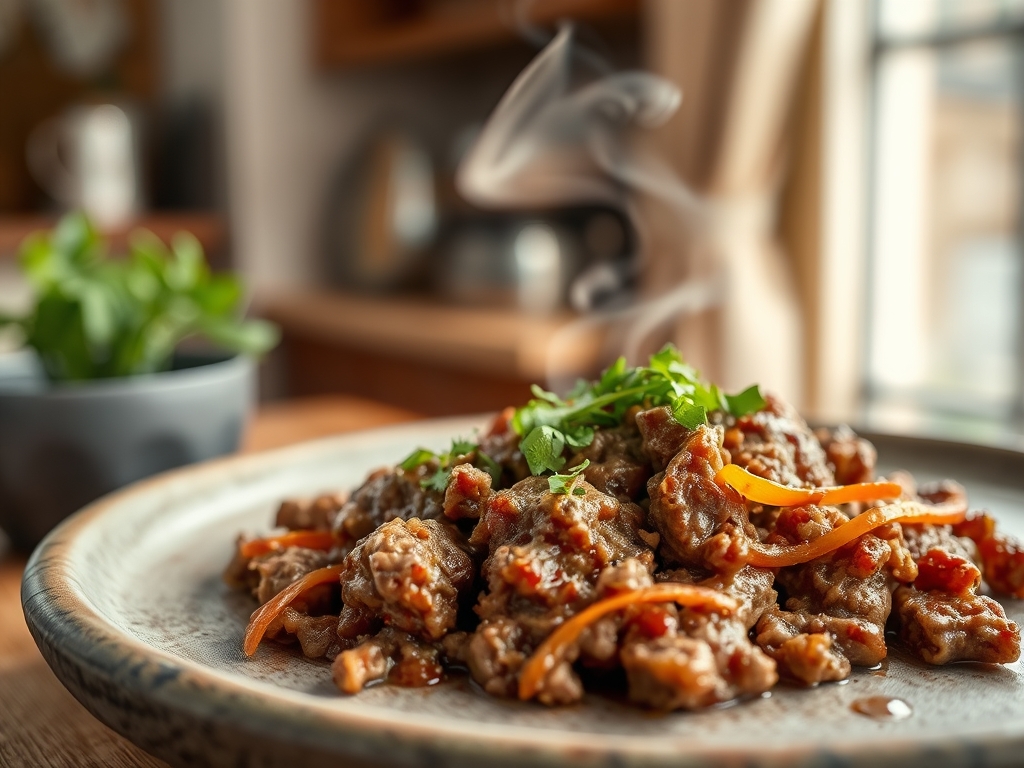
Picture the sound of a heavy bottomed skillet hitting the burner; that rhythmic clatter is the heartbeat of a busy kitchen. You are standing there, wooden spoon in hand, ready to transform a humble package of protein into a masterpiece. Finding reliable ground beef recipes family members actually crave is about more than just filling bellies. It is about the chemistry of comfort. We are chasing that perfect Maillard reaction, where amino acids and reducing sugars dance under high heat to create that deep, savory crust. Whether it is a Tuesday night or a Sunday gathering, these six foundational meals leverage the versatility of beef to ensure your table is the place everyone wants to be. We are moving beyond the basic burger into a world of emulsified sauces and perfectly rendered fats.
The magic of ground beef lies in its surface area. Unlike a steak, which only browns on the exterior, ground meat offers thousands of tiny edges ready to undergo enzymatic browning. This creates a flavor profile that is exponentially more complex than its price point suggests. In the next few minutes, I am going to walk you through the professional techniques that separate a soggy meat sauce from a rich, viscous ragu. We will talk about moisture retention, the importance of resting your proteins, and how to use acid to cut through the richness of animal fats. Put on your apron; we are about to turn your kitchen into a high performance culinary lab where the results are delicious, piquant, and always crowd pleasing.
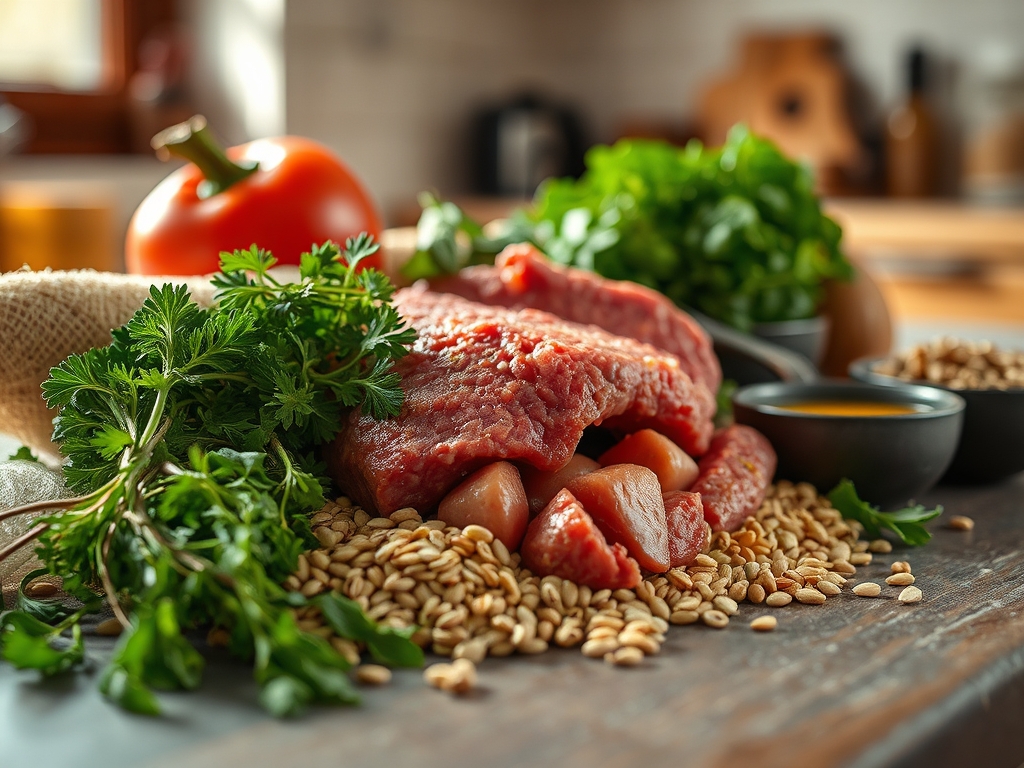
The Gathers:
Before we ignite the flame, we must respect the mise en place. Professional cooking is 80 percent preparation and 20 percent execution. For these ground beef recipes family favorites, you need to curate your ingredients with a focus on fat ratios. I always recommend an 80/20 blend for stovetop applications; the 20 percent fat content provides the necessary lipids to lubricate the muscle fibers and carry fat soluble flavors across your palate. You will need high quality aromatics: yellow onions for their high sugar content, garlic cloves ready for the microplane, and fresh herbs like rosemary or thyme to infuse the rendered fat.
Smart Substitutions are your secret weapon for dietary flexibility. If you need to lean out the dish, you can swap 25 percent of the beef for finely minced cremini mushrooms. This is called "The Blend" technique; mushrooms mimic the texture of meat while adding ergothioneine and upping the umami profile via glutamates. For a piquant kick, swap standard table salt for smoked sea salt or a splash of Worcestershire sauce to deepen the savory notes. Always keep a high smoke point oil, like avocado or grapeseed oil, in a squeeze bottle near your station. Avoid extra virgin olive oil for the initial sear, as its low smoke point will cause it to break down and turn bitter before the beef reaches its thermal potential.
The Clock
Efficiency in the kitchen is governed by what I call the Chef's Flow. This is the art of overlapping tasks so that no second is wasted. For these meals, expect a 15 minute prep window followed by a 20 to 30 minute cook time. The "Flow" involves prepping your aromatics while the skillet preheats. Never add meat to a cold pan; you want to hear a violent sizzle the moment the protein touches the metal. While the beef renders, use that time to whisk your sauces or chop your garnishes. By the time the meat is browned and deglazed, your workspace should already be wiped down with a bench scraper. This synchronized approach ensures that the meal hits the table at the peak of its thermal energy, with all components finishing simultaneously.
The Masterclass
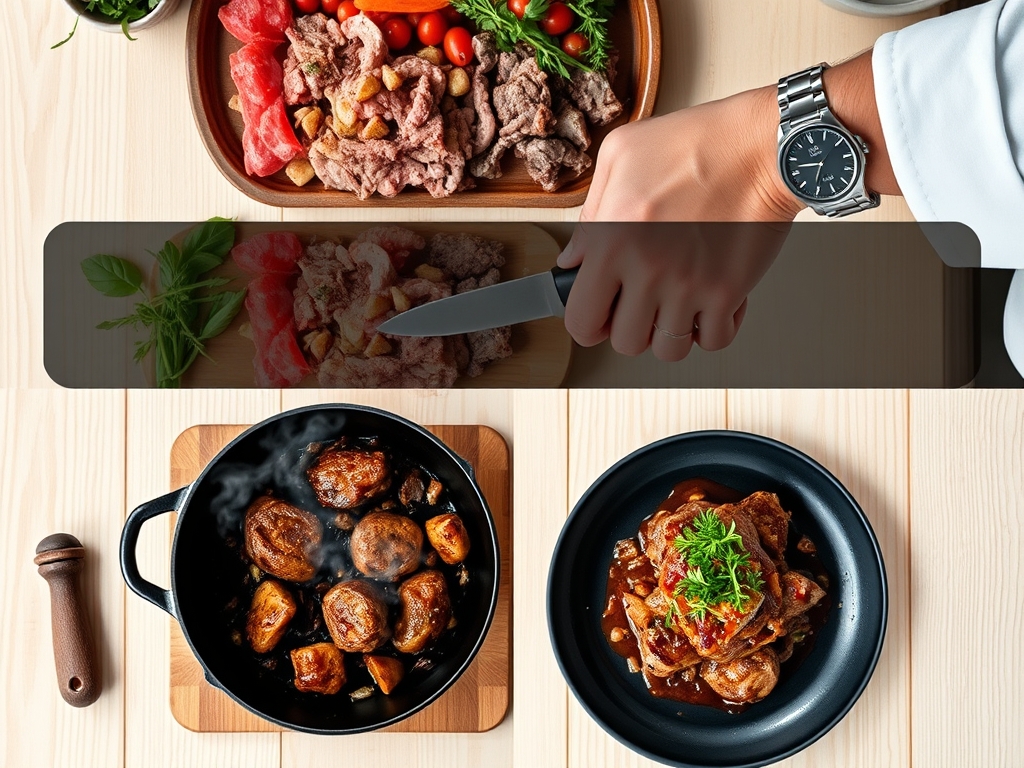
1. The High Heat Sear
Place your heavy bottomed skillet over medium high heat until a drop of water flicked onto the surface beads and dances. Add your beef in a flat layer. Do not stir immediately. Allow the meat to sit undisturbed for three minutes to maximize the Maillard reaction.
Pro Tip: This delay allows for the formation of a "fond," the caramelized brown bits on the bottom of the pan. This is not burnt food; it is concentrated flavor created by the rearrangement of amino acids.
2. The Deglaze and Scrape
Once the meat is browned, remove excess fat but leave about a tablespoon. Pour in a liquid like beef stock, dry wine, or even a splash of balsamic vinegar. Use a sturdy spatula to scrape the fond from the bottom of the pan.
Pro Tip: This process uses solvent extraction to pull the flavor compounds from the pan surface and incorporate them back into the sauce, ensuring no flavor is lost to the dishwasher.
3. The Aromatic Infusion
Push the meat to the edges of the pan and drop your minced onions and garlic into the center. Sauté until translucent. This is where you use your microplane to zest in citrus or grate fresh ginger for a brighter profile.
Pro Tip: Fat is a flavor carrier. By sautéing aromatics in the rendered beef fat, you are infusing the lipids with volatile aromatic compounds that will coat every bite of the finished dish.
4. The Emulsification
If your recipe calls for a creamy sauce, add your dairy or starch slurry slowly. Stir constantly in a circular motion to encourage the fat and water molecules to bind.
Pro Tip: To prevent the sauce from "breaking" or separating, ensure your heat is at a simmer, not a rolling boil. This maintains the mechanical bond between the fats and liquids.
5. The Rest and Carryover
Turn off the heat when the internal temperature of the largest chunks is five degrees below your target. Let the pan sit for five minutes before serving.
Pro Tip: This accounts for thermal carryover, where the residual heat continues to cook the meat. Resting also allows the muscle fibers to relax and reabsorb juices, preventing a dry texture.
6. The Acid Finish
Just before plating, add a squeeze of fresh lime, lemon, or a teaspoon of sherry vinegar. Stir gently to distribute.
Pro Tip: Acid acts as a palate cleanser. It cuts through the heavy density of the beef fat and brightens the overall flavor profile, making the dish taste "lighter" and more complex.
The Deep Dive
When we look at the macro nutrition of these ground beef recipes family meals, we are looking at a powerhouse of bioavailable iron, B12, and zinc. A standard 4 ounce serving provides roughly 25 grams of protein. To keep it Keto, serve your beef over riced cauliflower or zoodles. For a Vegan twist, the same techniques apply to high quality plant based crumbles, though you may need to add a teaspoon of liquid smoke to mimic the depth of animal protein. If you are Gluten Free, simply ensure your thickeners are cornstarch or arrowroot powder rather than wheat flour.
The "Fix-It" guide for common pitfalls: If your meat is "steaming" rather than browning, you overcrowded the pan; cook in batches next time. If the sauce is too salty, add a peeled potato to the simmer for ten minutes to absorb excess sodium. If the beef feels "gritty," it was likely overcooked; next time, use a digital scale to ensure portion sizes are consistent for even cooking. For meal prep, remember that reheating can toughen proteins. Use a saucier to reheat on the stove with a splash of broth to create a steam environment, which restores the "day one" moisture levels through vapor rehydration.
The Wrap-Up
Mastering ground beef recipes family style is the ultimate kitchen flex. You are taking a simple, accessible ingredient and applying rigorous scientific principles to create something extraordinary. By focusing on the sear, the deglaze, and the rest, you ensure that every meal is a sensory experience rather than just a chore. Your kitchen is now a place of precision and passion. Go ahead and serve those plates with confidence; you have earned it.
The Kitchen Table
Why is my ground beef grey instead of brown?
Grey meat occurs when the pan is not hot enough or is overcrowded. This causes the meat to steam in its own juices rather than searing. Always use a preheated heavy skillet and cook in batches to ensure browning.
Can I freeze these ground beef meals?
Yes, ground beef dishes freeze exceptionally well. Ensure the food reaches room temperature before sealing in airtight containers. This prevents ice crystal formation, which can compromise the texture of the meat fibers during the thawing and reheating process.
How do I make ground beef less greasy?
After browning the meat, tilt the skillet and use a spoon or turkey baster to remove excess rendered fat. You can also pat the browned crumbles with a paper towel before adding your liquids and aromatics to the pan.
What is the best way to reheat beef?
Avoid the microwave if possible, as it vibrates water molecules unevenly and toughens the meat. Instead, use a small pot with a tablespoon of water or broth over low heat to gently steam the meat back to serving temperature.