
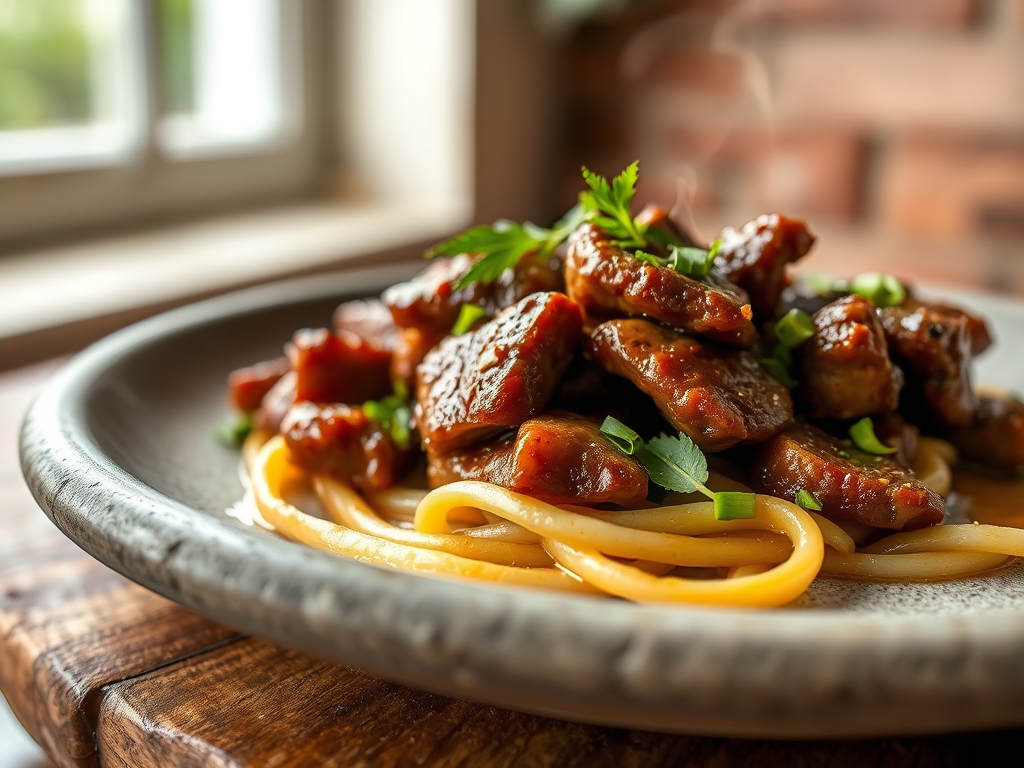
Close your eyes and imagine the scent of a bustling night market in Hanoi. The air is thick with the smell of caramelized sugars and the sharp, citrusy punch of bruised herbs. When you dive into the world of lemongrass beef recipes, you are not just making dinner; you are conducting a symphony of chemical reactions that transform humble protein into a masterpiece. This dish relies on the delicate balance of the five basic tastes, but the real magic happens when the woody, citronella-rich stalks of lemongrass meet the intense heat of a heavy-bottomed skillet. The result is a savory, aromatic experience that lingers on the palate. Whether you are serving this over a bed of chilled vermicelli or tucked into a crusty baguette, the goal is a perfect sear and a fragrance that fills every corner of your home. Grab your apron and your favorite chef's knife. We are about to break down the physics of flavor to ensure your next meal is nothing short of legendary.
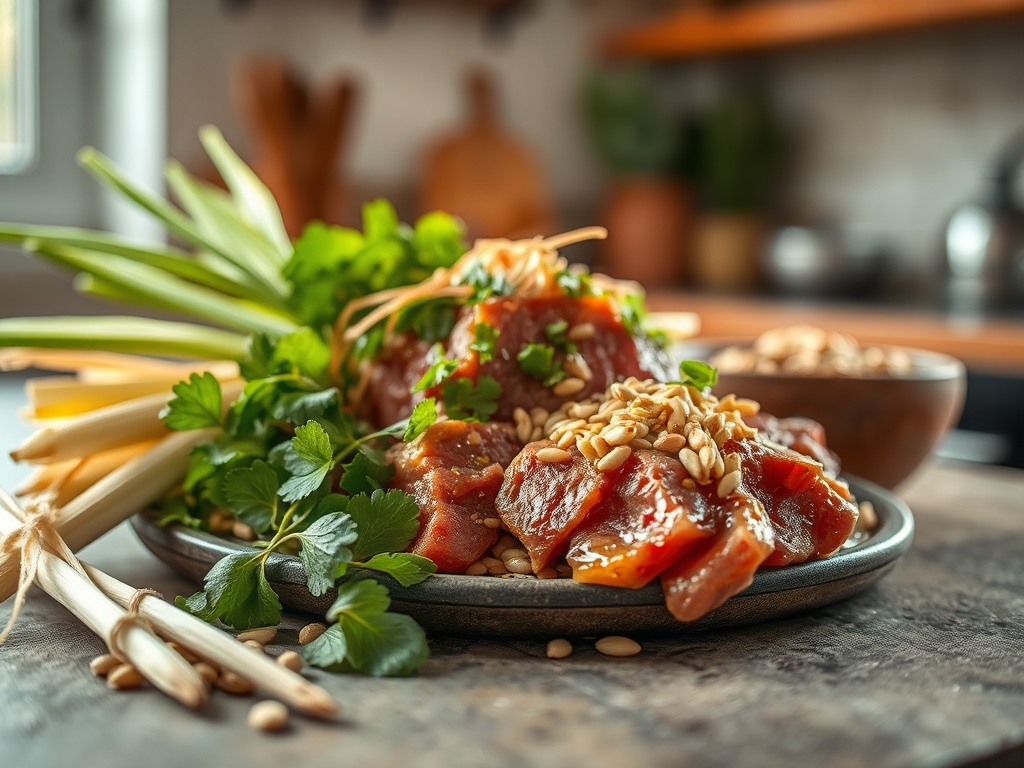
The Gathers:
To achieve the depth found in professional lemongrass beef recipes, your mise-en-place must be precise. Start with the beef. You want a cut with high myoglobin levels and moderate marbling, such as flank steak or top sirloin. The star of the show, the lemongrass, requires a specific touch. Use only the pale, bulbous bottom third of the stalk. This section contains the highest concentration of citral and geraniol, the essential oils responsible for that signature lemon-ginger aroma.
Your aromatics should include purple shallots for a mellow sweetness and Thai bird's eye chilies for a capsaicin kick. For the liquid base, use a high-quality fish sauce. This provides the glutamates necessary for that deep umami profile. You will also need a neutral oil with a high smoke point, like grapeseed or avocado oil, to facilitate the Maillard reaction without scorching.
Smart Substitutions:
If you cannot find fresh lemongrass, use a high-quality frozen mince rather than the dried, woody stalks often found in spice jars. If you are avoiding fish sauce, a mixture of light soy sauce and a pinch of mushroom powder can replicate that fermented depth. For the beef, if flank is unavailable, a well-trimmed skirt steak offers a similar grain structure that is perfect for absorbing marinades.
The Clock
Efficiency in the kitchen is about understanding the Chef's Flow. This is the art of overlapping tasks to maximize flavor development while minimizing idle time.
- Prep Time: 20 minutes. This includes the fine mincing of aromatics and the critical "grain-analysis" of the beef.
- Marination: 30 minutes to 4 hours. Do not exceed 24 hours, as the acidity in the marinade can begin to denature the proteins, leading to a mushy texture.
- Cook Time: 6 to 8 minutes. The actual thermal application is incredibly fast; we are looking for high-intensity heat to sear the exterior while keeping the interior succulent.
The flow begins with the marinade. While the beef undergoes osmotic exchange, you can prepare your garnishes and starch. This ensures that the moment the beef leaves the pan, it has a place to land.
The Masterclass
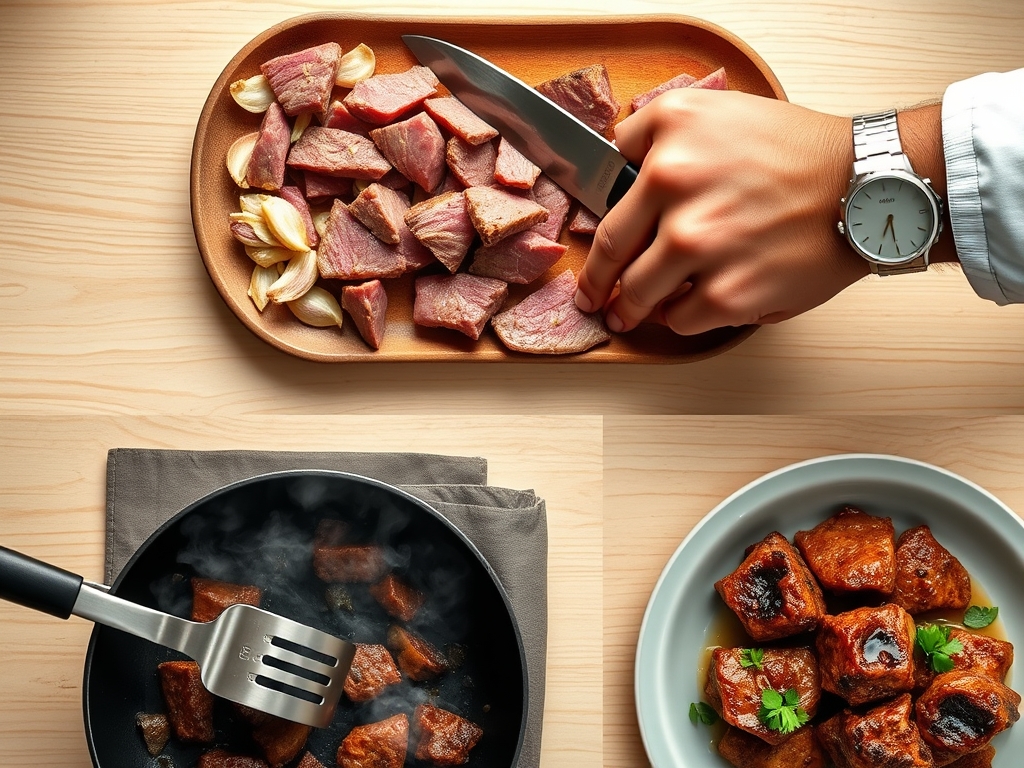
1. The Precision Slice
Using a sharp chef's knife or a semi-frozen piece of beef, slice the meat against the grain into 1/8-inch strips. This shortens the muscle fibers, ensuring a tender bite regardless of the cut's inherent toughness.
Pro Tip: This is known as mechanical tenderization. By cutting perpendicular to the long muscle fibers, you ensure the teeth do less work, making even lean cuts feel buttery.
2. The Lemongrass Mince
Remove the tough outer layers of the lemongrass. Use a heavy mallet or the side of your knife to bruise the stalk before mincing it into a fine, sand-like consistency. You can also use a microplane for a fluffier texture.
Pro Tip: Bruising the stalk breaks the cellular walls, allowing the volatile oils to escape and infuse the beef more effectively during the marination phase.
3. The Emulsified Marinade
In a small bowl, whisk together the fish sauce, sugar, minced lemongrass, garlic, and oil. Pour this over the beef and massage it in with your hands to ensure every surface is coated.
Pro Tip: Adding oil to the marinade creates a lipid barrier. This helps distribute fat-soluble flavor compounds and prevents the meat from sticking to the skillet later.
4. The Skillet Calibration
Place a heavy-bottomed skillet or a carbon steel wok over high heat. Wait until the oil just begins to shimmer and reach its flash point. You want the pan to be screaming hot.
Pro Tip: A hot pan prevents leaching. If the pan is too cool, the meat will release its juices and boil in its own liquid rather than searing.
5. The Sear and Sizzle
Add the beef in a single layer. Do not crowd the pan; work in batches if necessary. Let the meat sit undisturbed for 60 seconds to develop a deep brown crust.
Pro Tip: This is the Maillard reaction. It is a chemical reaction between amino acids and reducing sugars that creates hundreds of different flavor compounds.
6. The Aromatic Finish
In the last minute of cooking, toss in extra shallots and chilies. Use tongs to keep the meat moving, ensuring the aromatics soften without burning.
Pro Tip: Adding aromatics at the end prevents the garlic from turning bitter. The residual heat is enough to release their fragrance without destroying their delicate sugars.
7. The Deglaze
If the pan has developed a dark "fond" on the bottom, add a splash of water or lime juice. Use a bench scraper or wooden spoon to lift those caramelized bits back onto the beef.
Pro Tip: Deglazing captures the concentrated flavor stuck to the pan, creating a light, savory glaze that coats each piece of meat.
8. The Resting Period
Transfer the beef to a warm platter and let it rest for three minutes before serving. This allows the internal juices to redistribute.
Pro Tip: This accounts for thermal carryover. The internal temperature will rise slightly after removal from heat, ensuring the meat is perfectly cooked through without becoming dry.
The Deep Dive
Macro Nutrition:
A standard serving of lemongrass beef is high in protein and moderate in fats. By using lean cuts like flank steak, you keep the saturated fat low while benefiting from high levels of iron and Vitamin B12.
Dietary Swaps:
- Vegan: Replace beef with extra-firm tofu or seitan. Press the tofu for 30 minutes first to remove excess moisture.
- Keto: Swap the sugar in the marinade for a drop of liquid monk fruit and serve over cauliflower rice.
- GF: Ensure your fish sauce is certified gluten-free, as some brands use wheat-based thickeners.
The Fix-It:
- Too Salty: Add a squeeze of fresh lime juice. The acidity cuts through the sodium.
- Tough Meat: You likely cut with the grain. Next time, ensure the knife is perpendicular to the fibers.
- No Sear: The pan was likely overcrowded. Cook in smaller batches to maintain the temperature.
Meal Prep:
When reheating, use a saucier over medium-low heat with a tablespoon of water. This creates a small amount of steam that rehydrates the protein without overcooking it, maintaining that "day-one" suppleness.
The Wrap-Up
Mastering lemongrass beef recipes is a rite of passage for any home cook looking to elevate their weekday rotation. It is a dish that proves how a few simple, high-quality ingredients can be transformed through the power of heat and chemistry. By focusing on the fine mince of your aromatics and the intensity of your sear, you create a meal that is both comforting and sophisticated. Now, get into that kitchen and let the scent of lemongrass take over!
The Kitchen Table
Can I use lemongrass paste from a tube?
Yes, but the flavor is less vibrant. Use 1.5 tablespoons of paste for every two fresh stalks. Add a pinch of fresh lemon zest to the marinade to brighten the muted citrus notes found in processed pastes.
What is the best beef for stir-frying?
Flank steak or skirt steak are ideal due to their loose grain structure. For a more luxurious version, use ribeye. Always slice thinly against the grain to ensure the meat remains tender during the high-heat cooking process.
How do I keep the lemongrass from being woody?
Only use the tender inner core of the bottom third of the stalk. Mince it extremely fine or pulse it in a food processor. This ensures the flavor infuses the meat without leaving behind any unpleasant, fibrous textures.
Why is my beef grey instead of brown?
Your pan was likely not hot enough or was overcrowded. When too much meat is added at once, the temperature drops, causing the meat to steam. Cook in small batches in a preheated, heavy-bottomed skillet for a better sear.