
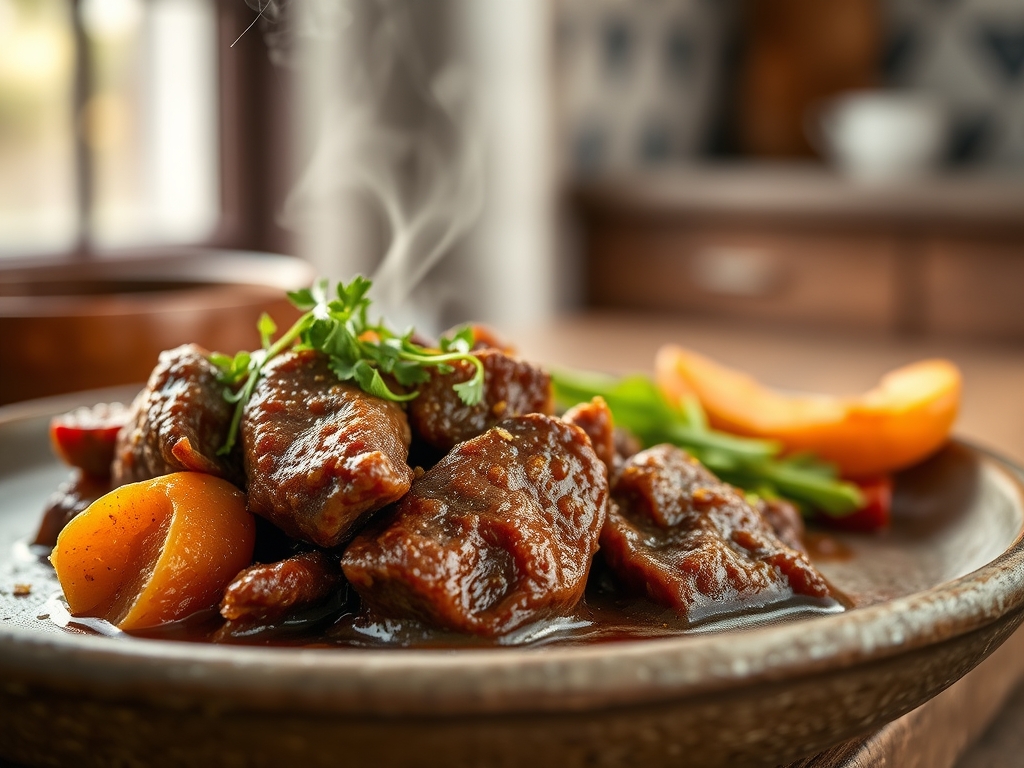
Picture the steam rising from a heavy-bottomed Dutch oven as the lid lifts; it is a fragrant cloud of rosemary, garlic, and rich, rendered fat. When you are craving comfort but keeping your macros in check, finding high-quality low carb stew beef recipes is like discovering a secret culinary shortcut to satisfaction. We are moving beyond the watery, uninspired broths of the past. Today, we are focusing on the molecular magic that transforms humble chuck roast into a velvet-textured masterpiece. This is about more than just dinner; it is about mastering the art of the braise without the insulin spike of potatoes or flour-based thickeners.
The secret to a truly luxurious low carb stew beef recipes collection lies in the Maillard reaction. This is the chemical dance between amino acids and reducing sugars that occurs when you sear meat at high temperatures. By skipping the starchy roux and leaning into collagen-rich cuts and aromatic aromatics, we create a viscous, lip-smacking sauce that rivals any traditional bistro offering. We are going to explore six distinct variations; from a piquant Mexican-inspired birria to a classic French Daube; all while keeping your blood sugar stable and your palate thrilled. Grab your favorite apron and let us get into the science of the simmer.
The Gathers:
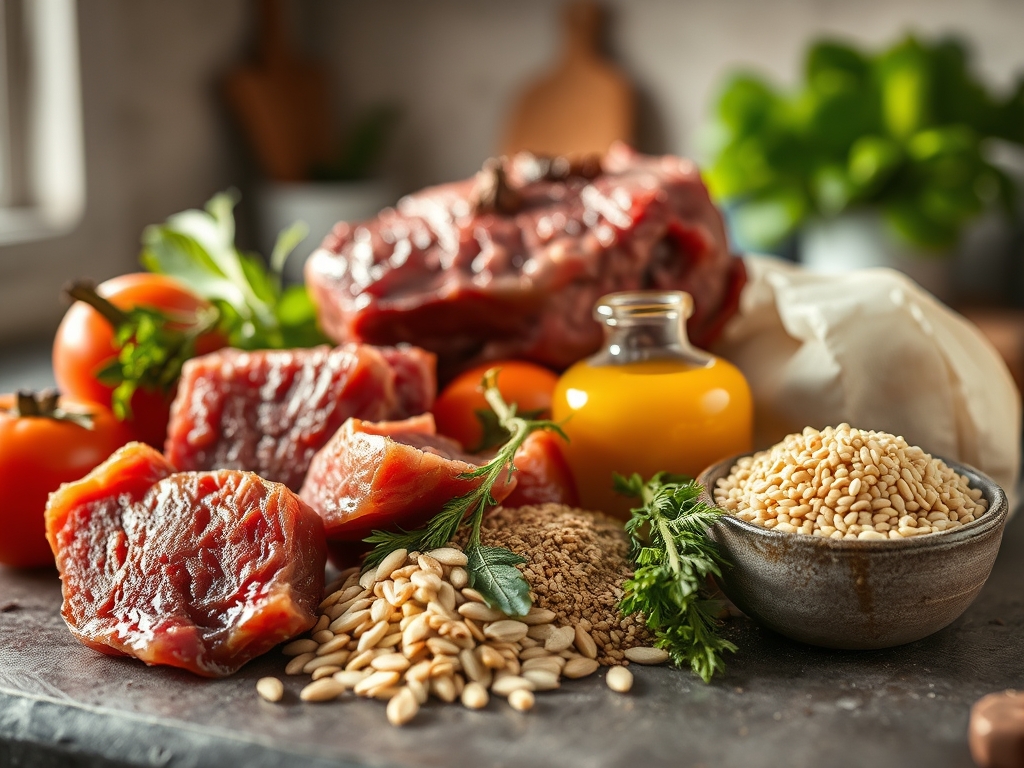
Your mise-en-place is the foundation of success. Start with three pounds of grass-fed beef chuck or brisket. These cuts are high in connective tissue, specifically collagen, which breaks down into gelatin during the long cooking process to provide a natural, silky mouthfeel. For your aromatics, use a bench scraper to neatly organize diced celery, shallots, and leeks. Unlike onions, leeks offer a more delicate sweetness with fewer net carbs.
For the "Smart Substitutions," we replace potatoes with radishes or rutabaga. When simmered, radishes lose their peppery bite and take on the exact texture of a Yukon Gold. To achieve a thick sauce without flour, keep a small bowl of xanthan gum or unflavored gelatin nearby. You will also need high-quality fats like tallow or ghee, which have high smoke points for that crucial initial sear. Use a microplane to zest fresh lemon or grate garlic directly into the pot for maximum volatile oil release.
The Clock:
Efficiency in the kitchen is about "Chef's Flow." Expect a total prep time of 30 minutes; this includes the precision dicing of your mirepoix and the methodical searing of the beef. The cooking time is where the magic happens, requiring 2.5 to 3 hours of low-heat simmering. If you are using a pressure cooker, you can slash this to 45 minutes, though the flavor depth is often superior with a slow, atmospheric braise.
The flow begins with the sear. Do not rush this. Searing in small batches prevents the temperature of your heavy-bottomed skillet from dropping, which would cause the meat to steam in its own juices rather than brown. While the beef rests, you will soften your aromatics in the residual fat. This overlapping workflow ensures that every second of heat is utilized to build layers of complexity.
The Masterclass:
1. The High-Heat Sear
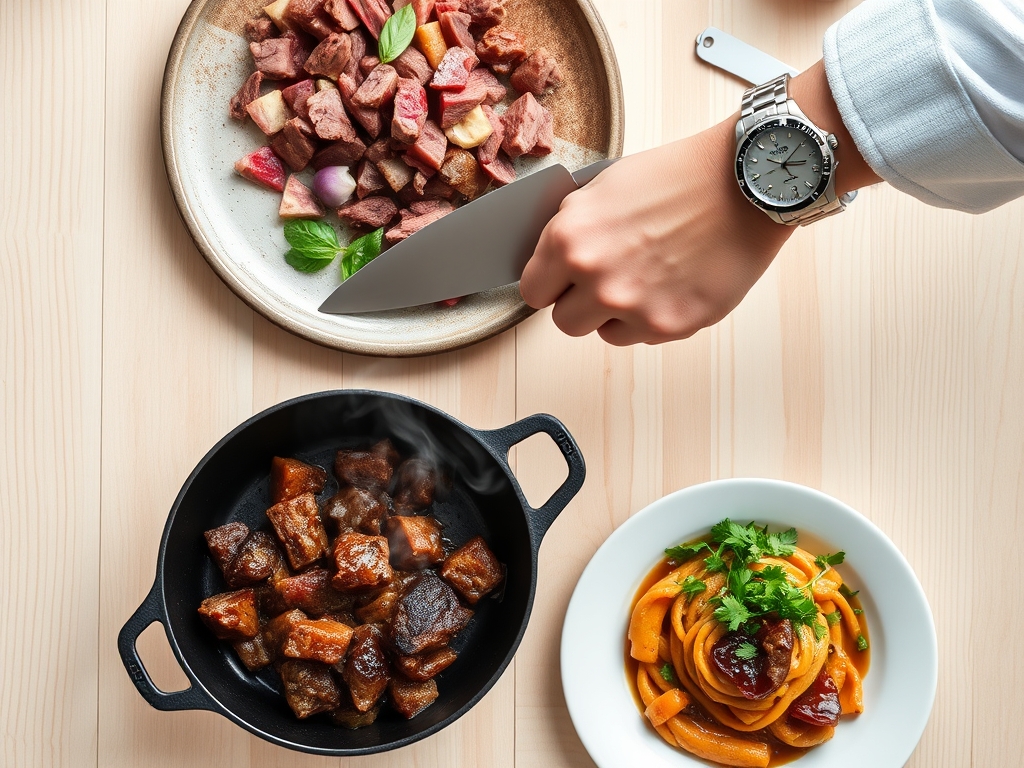
Pat your beef cubes completely dry with paper towels. Moisture is the enemy of the Maillard reaction. Heat your tallow until it shimmers, then add the beef using tongs, ensuring space between each piece. Pro Tip: This stage relies on thermal conductivity. By drying the meat, you ensure the energy goes directly into browning the proteins rather than evaporating surface water.
2. Deglazing the Fond
Once the meat is removed, you will see brown bits stuck to the bottom of the pan; this is the "fond," or the concentrated essence of flavor. Pour in a splash of dry red wine or beef bone broth and use a wooden spoon to scrape it up. Pro Tip: This is a solvent-based extraction. The alcohol or acid in the liquid dissolves the caramelized proteins, integrating them back into your sauce for a deeper color and umami profile.
3. Sweating the Aromatics
Add your leeks, celery, and radishes to the pot. Sauté until the vegetables are translucent but not browned. Pro Tip: This process, known as "sweating," uses low heat to break down the cellular walls of the vegetables, releasing their internal sugars and sulfur compounds without the bitterness of charring.
4. The Low and Slow Braise
Return the beef to the pot and submerge it three-quarters of the way in high-quality stock. Add a bouquet garni of thyme and bay leaves. Pro Tip: This is a phase of collagen denaturation. At approximately 160 degrees Fahrenheit, the tough collagen fibers begin to unwind into soft gelatin, which is what gives the stew its famous "melt-in-your-mouth" texture.
5. Emulsifying the Sauce
If the broth is too thin, whisk in a tiny amount of xanthan gum (start with 1/4 teaspoon). Use a saucier to reduce the liquid if necessary. Pro Tip: Emulsification creates a stable mixture of fat and water. The gelatin from the beef acts as a natural emulsifier, but a bit of xanthan gum helps provide the viscosity usually provided by starch.
6. The Final Brightening
Just before serving, stir in a teaspoon of apple cider vinegar or a squeeze of lemon. Pro Tip: This is about pH balancing. The acidity cuts through the heavy fats and rich proteins, "waking up" the taste buds and highlighting the subtle herbaceous notes you have infused throughout the cook.
The Deep Dive:
From a macro perspective, these low carb stew beef recipes are a powerhouse. A standard serving contains roughly 35g of protein, 22g of healthy fats, and only 6g of net carbs. To make this vegan, you would swap beef for meaty king oyster mushrooms and use a vegetable-based demi-glace. For a keto-strict version, ensure your bone broth has zero added sugars and lean heavily on grass-fed butter for finishing.
If you hit a snag, don't panic. If your stew is too salty, add a few large chunks of raw daikon radish; they act as sponges for sodium; and remove them before serving. If the meat is tough, it simply hasn't cooked long enough; give it another 30 minutes. If the sauce breaks (oil separating), whisk in a tablespoon of heavy cream or a splash of water to re-emulsify. For meal prep, remember that reheating science favors the slow road. Use a low heat on the stove rather than a microwave to prevent the proteins from tightening and becoming rubbery.
The Wrap-Up:
Mastering low carb stew beef recipes is a gateway to culinary confidence. You have learned how to manipulate temperature for the perfect sear, how to use acidity to balance richness, and how to substitute starches with nutrient-dense alternatives. These six variations will keep your kitchen smelling like a five-star rotisserie all winter long. Now, grab your ladle and serve up a bowl of pure, unadulterated comfort. You have earned every savory bite!
The Kitchen Table:
How do I thicken stew without flour or cornstarch?
Use xanthan gum or unflavored gelatin. Alternatively, puree a portion of the cooked vegetables (like radishes or cauliflower) and stir them back into the liquid. This creates a thick, "velvety" texture without adding significant carbohydrates to the dish.
What is the best cut of beef for low carb stew?
Beef chuck roast is the gold standard. It contains the ideal ratio of fat to lean muscle and is packed with collagen. As it braises, the collagen transforms into gelatin, providing a rich mouthfeel and tender results.
Can I make these recipes in a slow cooker?
Yes, but always sear the meat in a separate pan first. The slow cooker cannot reach the temperatures required for the Maillard reaction. Without that initial sear, your stew will lack the complex, savory depth found in traditional recipes.
How long does beef stew last in the fridge?
Beef stew stays fresh for three to four days in an airtight container. In fact, the flavor often improves on day two as the aromatic compounds have more time to infuse and the proteins further absorb the seasoned braising liquid.