
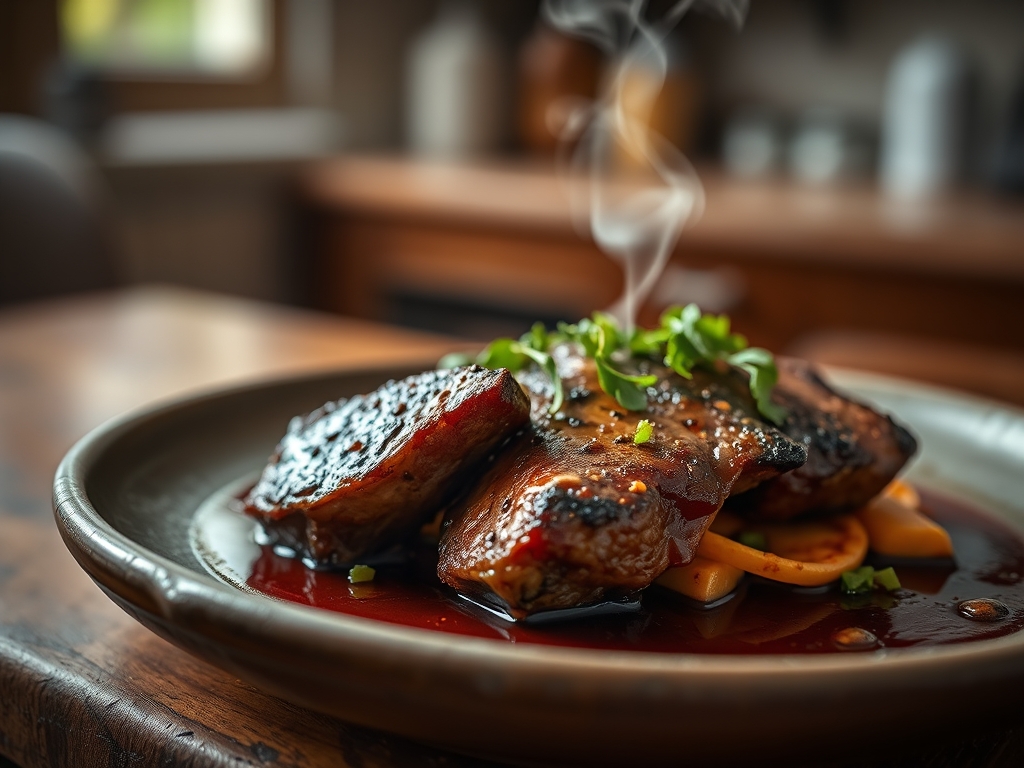
Picture this. The kitchen air is thick with the scent of charred rosemary and the deep, iron rich perfume of searing protein. You are standing over a heavy bottomed skillet, watching as a humble top round transforms into a masterpiece of culinary engineering. When searching for the best london broil beef recipes, you are not just looking for a meal; you are looking for a transformation. This cut of beef is notoriously lean and stubborn, yet with the right scientific approach, it becomes as tender as a butter poached filet. We are going to master the art of the marinade and the precision of the sear to ensure every slice is a triumph of texture and taste.
The London Broil is not actually a specific cut of meat, but rather a method of preparation. Traditionally, it involves a flank steak or a top round that has been marinated to break down connective tissues and then flashed under high heat. It is the ultimate test of a cook's ability to balance acidity, salt, and thermal energy. Today, we are diving into the molecular mechanics that make this dish a staple of high end home cooking. Grab your apron and your digital scale; we are about to turn a budget friendly cut into a five star experience that will leave your guests begging for your secrets.
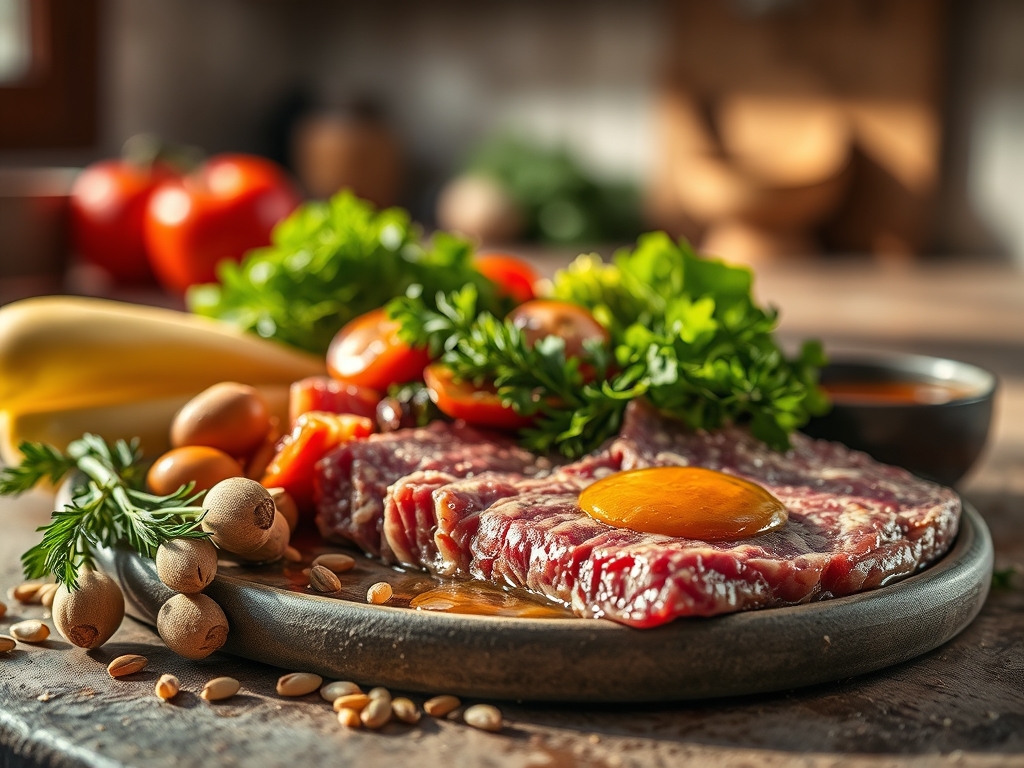
The Gathers:
To achieve a piquant and deeply infused crust, your mise en place must be precise. Start with a 2 pound top round or flank steak. You will need high quality balsamic vinegar for acidity and soy sauce for that essential umami hit. For the aromatics, gather fresh garlic cloves, sprigs of rosemary, and a knob of ginger. You will also need a high smoke point oil, such as avocado or grapeseed oil, to facilitate a proper sear without scorching.
Smart Substitutions:
If you are out of balsamic, a dry red wine or apple cider vinegar works beautifully to provide the necessary pH drop to tenderize the muscle fibers. Instead of soy sauce, coconut aminos offer a soy free alternative with a similar viscous quality. For a heat kick, swap the black pepper for crushed Aleppo pepper to add a fruity, complex spice profile.
The Clock
The "Chef's Flow" is all about timing and temperature management. You cannot rush a London Broil. Expect a total active prep time of 20 minutes, but the passive time is where the magic happens. Your steak needs at least 6 to 12 hours in the marinade to allow the enzymes to penetrate the dense protein structure.
Once you are ready to cook, the process moves fast. You will spend about 10 minutes searing and roasting, followed by a mandatory 10 to 15 minute rest period. This resting phase is non negotiable; it allows the internal pressure to equalize so the juices stay inside the meat rather than flooding your cutting board. Total time from fridge to table is roughly 12 hours, but the actual labor is minimal.
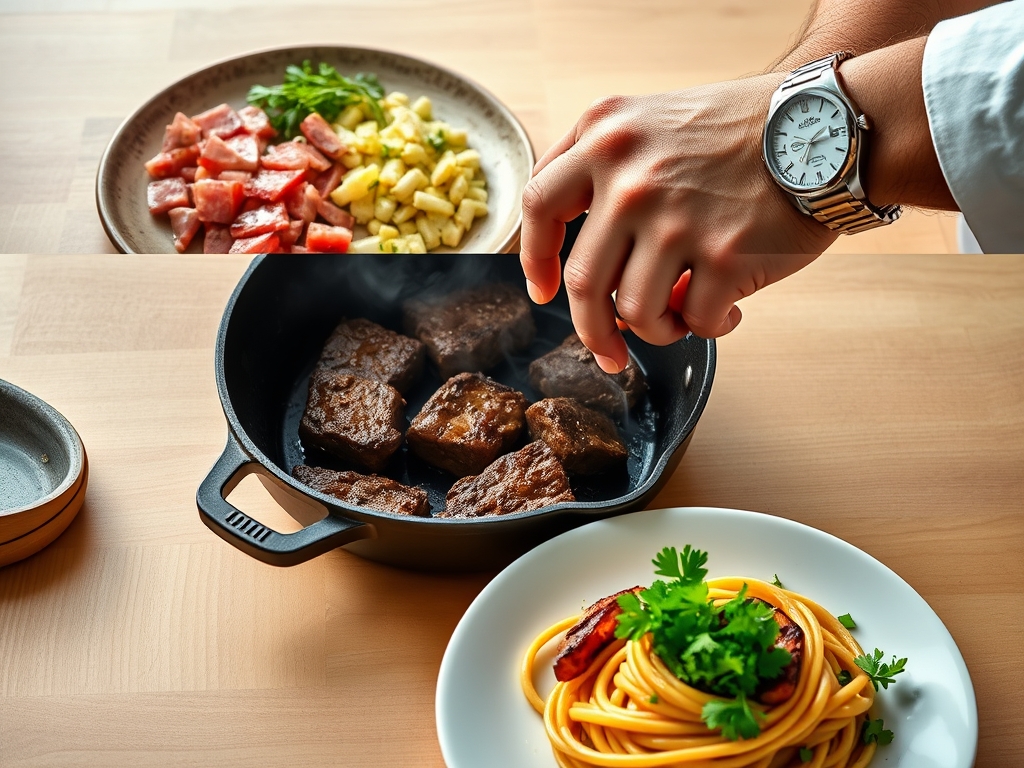
The Masterclass
1. The Acid Bath
Whisk your marinade in a small saucier or bowl until the oil and vinegar emulsify. Place the beef in a heavy duty vacuum seal bag or a shallow glass dish. Submerge the meat entirely, ensuring the garlic and herbs are distributed evenly across the surface.
Pro Tip: The science here is all about denaturation. The acid in the vinegar begins to break down the tough collagen and muscle proteins, making the meat easier to chew. However, do not exceed 24 hours, or the meat will become mushy as the proteins over denature.
2. The Tempering Phase
Remove the beef from the refrigerator 45 minutes before cooking. Pat it bone dry with paper towels until the surface is matte. Use a microplane to zest a little lemon over the top for a fresh aromatic lift just before it hits the pan.
Pro Tip: This is known as thermal equilibrium. If you drop a cold steak into a hot pan, the surface will burn before the center reaches the target temperature. Bringing it to room temperature ensures an even cook from edge to edge.
3. The High Heat Sear
Heat your heavy bottomed skillet until the oil is shimmering and just starting to wisps of smoke. Use stainless steel tongs to lay the beef away from you to avoid oil splatter. Sear for 3 minutes per side until a deep, mahogany crust forms.
Pro Tip: This is the Maillard Reaction. This chemical reaction between amino acids and reducing sugars creates hundreds of different flavor compounds. A dry surface is essential because moisture creates steam, which prevents the temperature from rising high enough for browning.
4. The Precision Finish
Transfer the skillet to a 400 degree oven or reduce the heat to medium low. Use a digital probe thermometer to monitor the internal temperature. Aim for 130 degrees Fahrenheit for a perfect medium rare.
Pro Tip: Thermal carryover is your best friend and worst enemy. The internal temperature will continue to rise by 5 to 7 degrees after you remove the meat from the heat. Pulling the meat early prevents overcooking.
5. The Strategic Rest
Move the steak to a wooden cutting board with a juice groove. Tent it loosely with foil; do not wrap it tightly or the steam will soften your beautiful crust. Let it sit undisturbed for at least 10 minutes.
Pro Tip: During cooking, muscle fibers contract and push moisture toward the center. Resting allows those fibers to relax and reabsorb the juices, ensuring a succulent bite throughout the entire cut.
6. The Bias Cut
Identify the direction of the grain (the long muscle fibers). Use a sharp carving knife to slice the beef against the grain at a 45 degree angle. Aim for thin, elegant ribbons of meat.
Pro Tip: Slicing against the grain mechanically shortens the muscle fibers. This means your teeth have to do less work, making even the leanest top round feel incredibly tender on the palate.
The Deep Dive
Macro Nutrition:
A standard 4 ounce serving of London Broil is a nutritional powerhouse. It contains roughly 200 calories, 30 grams of protein, and only 7 grams of fat. It is rich in Vitamin B12, Zinc, and Selenium, making it an ideal choice for muscle recovery and metabolic health.
Dietary Swaps:
For a Keto version, ensure your marinade uses a sugar free sweetener or omit the balsamic for a lemon juice base. Vegan "London Broil" can be achieved using large, marinated portobello mushroom caps or seitan steaks, though the cooking time will be significantly shorter. For Gluten Free diners, always use tamari or coconut aminos instead of traditional soy sauce.
The Fix-It:
- The Gray Band: If you see a thick gray ring around the pink center, your pan was not hot enough. Next time, wait for the oil to reach its smoke point before adding the meat.
- The Rubber Texture: This happens if you skip the rest or slice with the grain. If it is already sliced, serve it with a warm deglaze sauce to add moisture back to the fibers.
- The Burnt Garlic: If your garlic bits are bitter and black, you added them to the pan too early. Infuse the oil with garlic first, then remove the solids before searing the steak.
Meal Prep & Reheating:
To maintain "day one" quality, do not microwave your leftovers. Instead, use the sous vide method by placing the steak in a bag in warm water, or gently warm it in a skillet with a splash of beef broth over low heat. This prevents the proteins from tightening up and becoming leathery.
The Wrap-Up
Mastering london broil beef recipes is a rite of passage for any serious home cook. It teaches you the importance of patience, the chemistry of marinades, and the physics of heat transfer. When you pull that perfectly seared, ruby red steak from the pan, you are not just making dinner; you are executing a flawless sequence of culinary logic. Serve this with a side of roasted root vegetables or a crisp arugula salad, and watch as the room goes silent. There is nothing quite like the satisfaction of turning a tough cut into a tender masterpiece.
The Kitchen Table
How long should I marinate London Broil?
For optimal tenderness, marinate for 6 to 12 hours. The acid needs time to break down tough connective tissues. Do not exceed 24 hours, as the texture may become unpleasantly soft and mushy due to over denaturation.
What is the best temperature for London Broil?
Pull the steak from the heat when it reaches an internal temperature of 130 degrees Fahrenheit. After resting, carryover cooking will bring it to a perfect medium rare of 135 degrees, ensuring maximum juiciness and flavor.
Can I cook London Broil in an air fryer?
Yes, you can air fry at 400 degrees for about 10 to 12 minutes. However, you will miss out on the deep crust and complex flavors provided by a heavy bottomed skillet and the Maillard reaction.
Why is my London Broil always tough?
Toughness usually results from skipping the marinade, overcooking the meat, or slicing with the grain. Always slice against the grain in thin strips to mechanically shorten the muscle fibers for a more tender mouthfeel.