
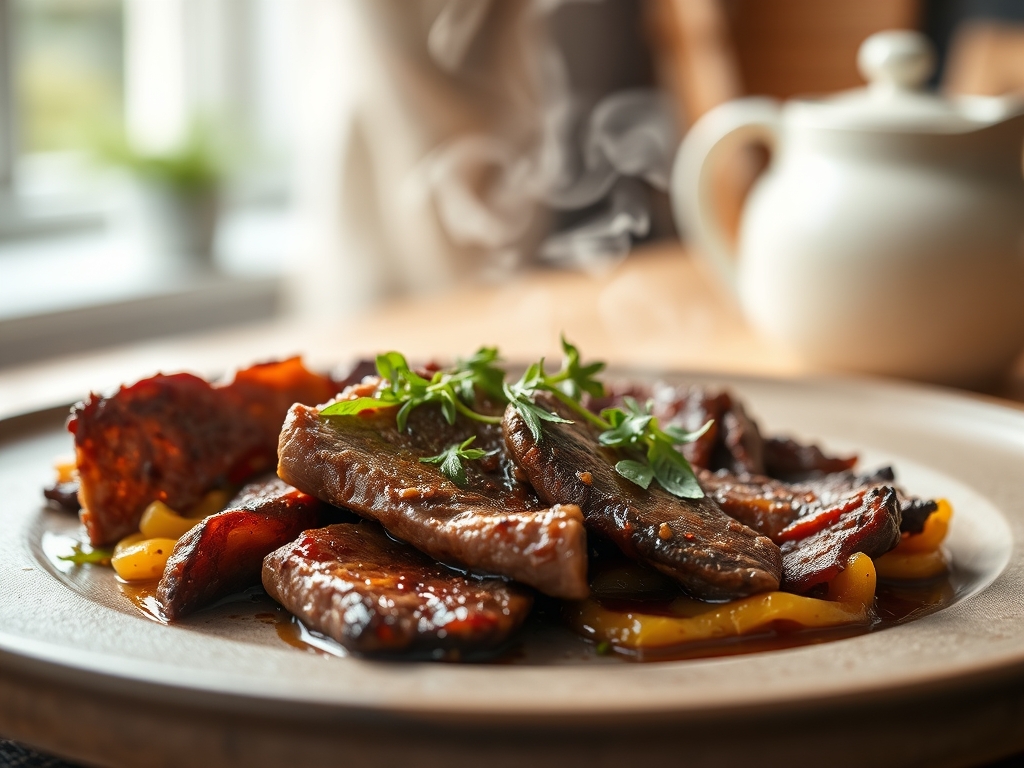
The air in a kitchen changes the moment cold protein hits a ripping hot heavy-bottomed skillet. That sharp, rhythmic sizzle is not just a sound; it is the symphony of the Maillard reaction beginning to transform amino acids and reducing sugars into a complex tapestry of savory depth. When searching for good beef recipes for dinner, you are really searching for that perfect balance of comfort and culinary chemistry that brings everyone to the table. Whether it is a slow-braised short rib or a flash-seared skirt steak, beef offers a structural integrity that other proteins simply cannot match. We are going beyond the basic burger tonight. We are diving into six sophisticated, fail-proof methods to elevate your evening meal from a routine chore into a sensory event.
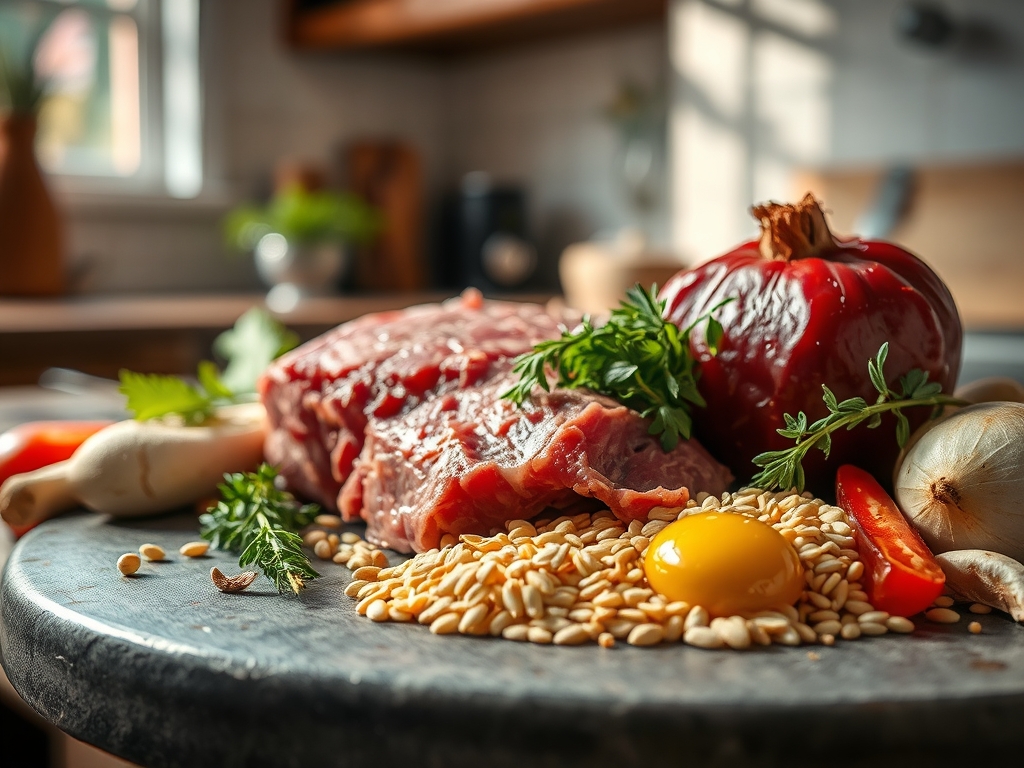
The Gathers:
Before we ignite the burners, we must respect the mise-en-place. To execute these good beef recipes for dinner, your workstation should resemble a laboratory of flavor. Start with your primary canvas: the beef. For our braises, we look for high collagen content found in chuck or shanks; for our quick sears, we want the intramuscular fat of a well-marbled ribeye or the lean elegance of a tenderloin. You will need high-smoke-point fats like avocado oil or clarified butter to prevent the acrid taste of burnt lipids.
The aromatic base requires a precise dice of mirepoix (onions, carrots, and celery) to ensure even caramelization. Have your microplane ready for fresh garlic and ginger; the increased surface area from grating allows these aromatics to infuse the oil more rapidly than a rough chop. You will also need a viscous liquid for deglazing, such as a dry red wine or a fortified beef bone broth, to lift those precious browned bits (the fond) from the pan.
Smart Substitutions: If you are out of traditional red wine, a splash of balsamic vinegar diluted with water provides the necessary acidity to cut through the fat. If a recipe calls for a specific cut like flank steak but the market is bare, look for flat iron steak. It possesses a similar grain structure and high iron content, ensuring the piquant mineral notes of the beef remain the star of the show.
The Clock:
Mastering the "Chef's Flow" is about understanding overlapping timelines. Total prep for these six dishes averages 30 minutes, but the cooking durations vary wildly. A stir-fry is a high-octane five-minute sprint, whereas a red wine braise is a three-hour marathon. The secret is to use the passive time of a braise to prep the garnishes or sides for the next meal. Always allow your beef to temper on the counter for 20 to 30 minutes before cooking. This ensures the center reaches the target temperature without the exterior becoming overcooked and fibrous.
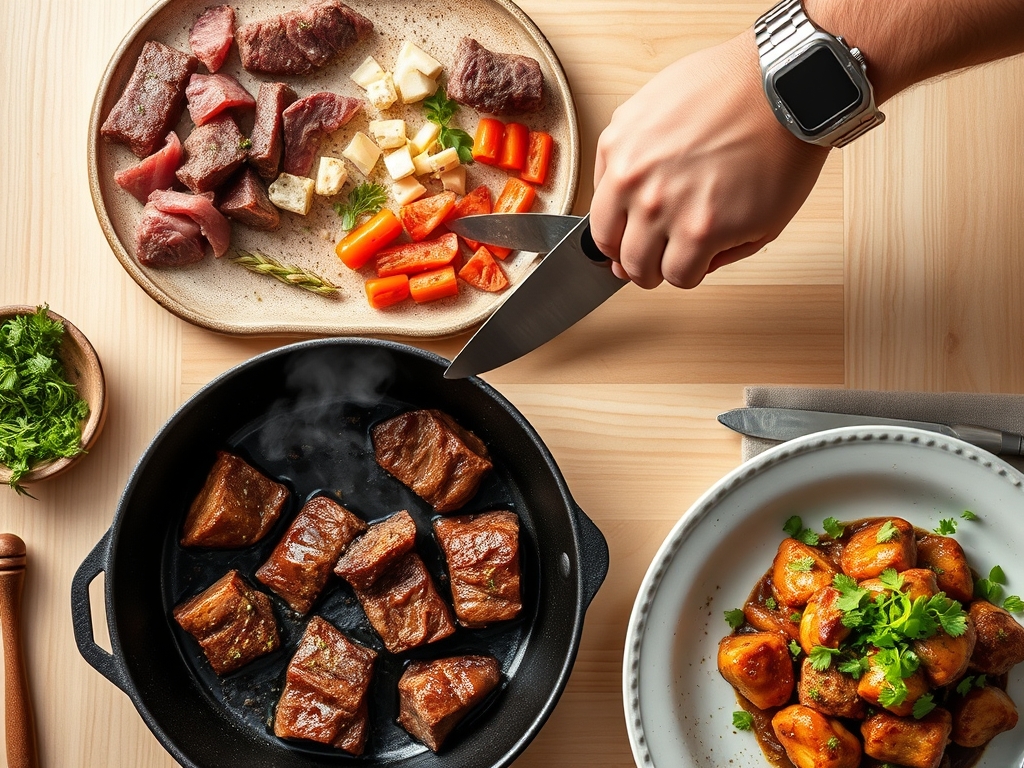
The Masterclass:
1. The Art of the Hard Sear
Pat your beef bone-dry with paper towels. Moisture is the enemy of the crust; any surface water must evaporate before browning can begin, which steals heat from your pan. Use tongs to place the meat in a shimmering, pre-heated cast iron skillet.
Pro Tip: This is the science of enzymatic browning. By removing surface moisture, you allow the temperature to exceed 300 degrees Fahrenheit instantly, triggering the Maillard reaction which creates hundreds of new flavor compounds.
2. Deglazing the Fond
Once your meat is removed, the bottom of your pan will be covered in dark, concentrated flavor. Pour in your room-temperature liquid and use a bench scraper or wooden spoon to agitate the surface.
Pro Tip: This process uses thermal shock to loosen the caramelized proteins. The steam created during deglazing helps to aerate the sauce, lifting the heavy fats and integrating them into a cohesive liquid.
3. The Low and Slow Braise
For tougher cuts, submerge the beef halfway in a saucier filled with aromatic liquid. Cover tightly and place in a low-heat oven. The goal is to transform tough connective tissue into silky gelatin.
Pro Tip: This is collagen hydrolysis. At approximately 160 degrees Fahrenheit, the triple-helix structure of collagen begins to break down into gelatin, which provides that mouth-coating, luxurious texture characteristic of world-class stews.
4. Resting and Carryover Cooking
Never slice beef immediately after it leaves the heat. Transfer it to a warm cutting board and wait at least ten minutes.
Pro Tip: This accounts for thermal carryover. The internal temperature will continue to rise by 5 to 10 degrees after removal. Resting also allows the muscle fibers to relax, reabsorbing the juices so they do not end up on the board.
5. Emulsifying the Finishing Sauce
Whisk cold cubes of butter into your reduced pan sauce at the very end, away from the direct heat.
Pro Tip: This creates a fat-in-water emulsion. The cold butter incorporates slowly, suspended by the proteins in the sauce, resulting in a glossy, thickened finish that clings to the meat.
6. Slicing Against the Grain
Identify the direction of the muscle fibers and position your knife perpendicular to them.
Pro Tip: By cutting through the fibers, you are mechanically shortening the "chew." This makes even the most affordable cuts feel tender on the palate because your teeth have less structural work to do.
The Deep Dive:
From a macro perspective, beef is a nutritional powerhouse, providing high-quality protein, B12, and bioavailable iron. To keep these good beef recipes for dinner balanced, pair your proteins with complex carbohydrates like roasted root vegetables or quinoa.
Dietary Swaps: For a Keto-friendly version, swap flour-based thickeners for a reduction method or a pinch of xanthan gum. For a Vegan guest, while the beef is the star, the same braising techniques can be applied to "meaty" mushrooms like Lion's Mane or King Oyster.
The Fix-It:
- Grey Meat: If your steak looks grey rather than brown, your pan was too crowded. This caused the meat to steam in its own juices. Fix it by cooking in smaller batches next time.
- Tough Braise: If the meat is still "rubbery" after two hours, it simply hasn't cooked long enough. The collagen hasn't fully converted. Give it another 45 minutes.
- Salty Sauce: If you over-reduced your sauce, add a splash of unsalted broth or a tiny pinch of sugar to balance the sodium perception.
Meal Prep: When reheating, avoid the microwave. Use a low-heat oven or a covered skillet with a tablespoon of water. This creates a gentle steam environment that prevents the fats from rendering out and leaving the meat dry and "warmed-over" in flavor.
The Wrap-Up:
You are now armed with the technical prowess to turn a simple grocery run into a five-star dining experience. Good beef recipes for dinner are not just about following a list of ingredients; they are about mastering the heat, respecting the rest, and understanding the chemistry happening inside that skillet. Go grab your digital scale, weigh out your aromatics, and let the kitchen become your playground. You have got this!
The Kitchen Table:
Why is my beef always tough even when cooked medium-rare?
You likely sliced with the grain. Always cut perpendicular to the muscle fibers. This shortens the protein strands, making the meat significantly easier to chew and much more tender on the palate.
What is the best oil for searing steak?
Use oils with high smoke points like avocado, grapeseed, or canola oil. Avoid extra virgin olive oil or butter for the initial sear, as they burn at low temperatures and create bitter, acrid flavors.
Do I really need to let the meat sit out before cooking?
Yes. Tempering the beef for 20 minutes ensures even heat distribution. If the center is ice-cold, the exterior will overcook and become tough before the middle ever reaches a safe, delicious temperature.
How do I get a thick sauce without using flour?
Reduce your braising liquid by half over high heat to concentrate the natural gelatins. For a final glossy finish, whisk in a few knobs of cold, unsalted butter off the heat to create a rich emulsion.