
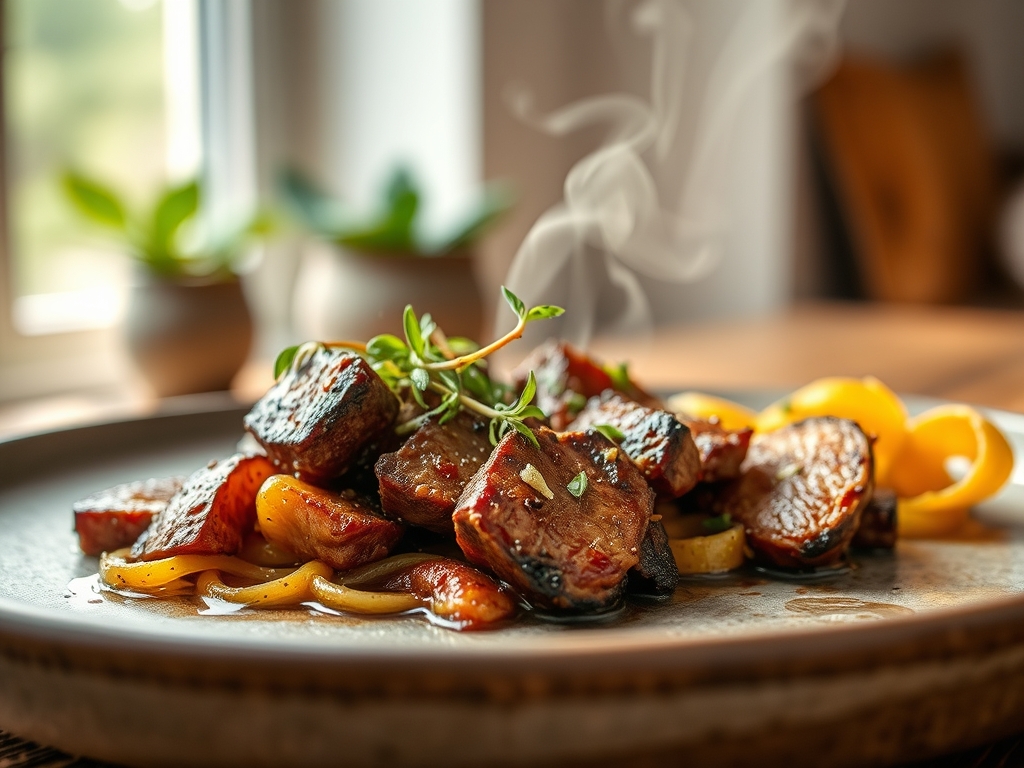
Imagine the sound of a heavy bottomed cast iron skillet hitting a high flame; the air begins to vibrate with the scent of savory umami and toasted spices. Transitioning to a plant based diet no longer requires sacrificing that primal, sizzle induced joy. These beyond beef recipes provide a culinary bridge between traditional comfort and modern sustainability.
We are moving past the era of bland soy pucks and entering a world where plant proteins mimic the cellular structure of muscle fibers. When that ruby red crumble hits the hot oil, it undergoes a chemical transformation that would make any steakhouse chef nod in approval. Whether you are aiming for a crispy taco filling or a succulent Bolognese, the secret lies in understanding how to manipulate heat and moisture to unlock maximum flavor.
This guide is your backstage pass to mastering the art of the meatless flip. We are going to treat these ingredients with the same respect as a prime cut of wagyu. By the time we are done, your kitchen will smell like a five star bistro, and your guests will be questioning everything they thought they knew about plant based dining. Let us get into the grit and the glory of high performance cooking.
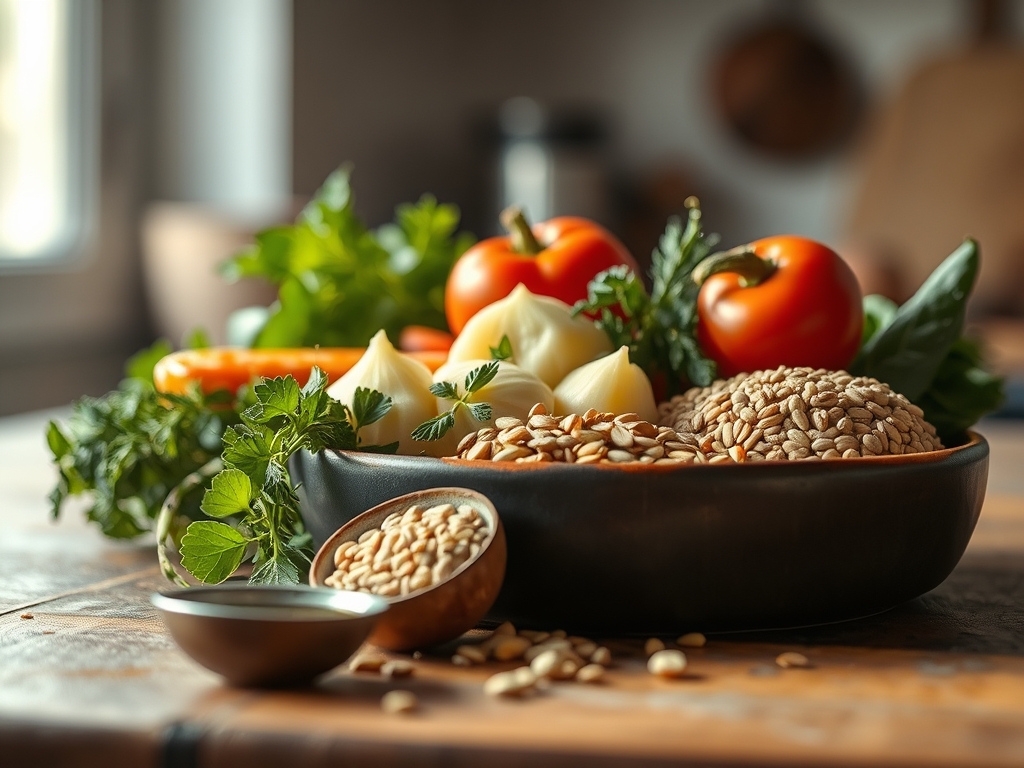
The Gathers:
To execute these beyond beef recipes with precision, your mise-en-place must be impeccable. Start with the protein itself; ensure it is chilled but not frozen to allow for even fat distribution during the sear. You will need a high smoke point oil, such as avocado or grapeseed oil, to facilitate the Maillard reaction without creating acrid smoke.
Next, gather your aromatics. Finely minced shallots and garlic provide a piquant base, while a splash of liquid aminos or Worcestershire sauce (vegan-friendly) adds a layer of fermented depth. For texture, keep a bowl of panko breadcrumbs or crushed walnuts nearby; these act as structural binders that absorb excess moisture.
Smart Substitutions: If you are out of traditional binders, a tablespoon of ground flaxseed mixed with water creates a viscous "egg" that holds patties together beautifully. For an extra hit of "beefy" iron flavor, a teaspoon of beet juice or a dash of smoked paprika can deepen the visual and sensory profile of the dish. Use a digital scale to portion your crumbles into uniform 4-ounce patties for consistent thermal conduction.
The Clock
Efficiency in the kitchen is all about the Chef's Flow. For most beyond beef recipes, you are looking at a 15-minute prep window followed by a 10 to 12-minute active cook time. Unlike animal proteins that require long resting periods to reabsorb juices, plant-based proteins are more stable, though they still benefit from a brief 3-minute pause to let the internal steam settle.
The total "Active Zone" is roughly 25 minutes. To optimize your flow, use the time the pan is heating to prep your cold garnishes. If you are making a sauce, use a saucier to whisk your liquids while the protein sears in a separate skillet. This parallel processing ensures that every component hits the plate at the peak of its temperature profile.
The Masterclass
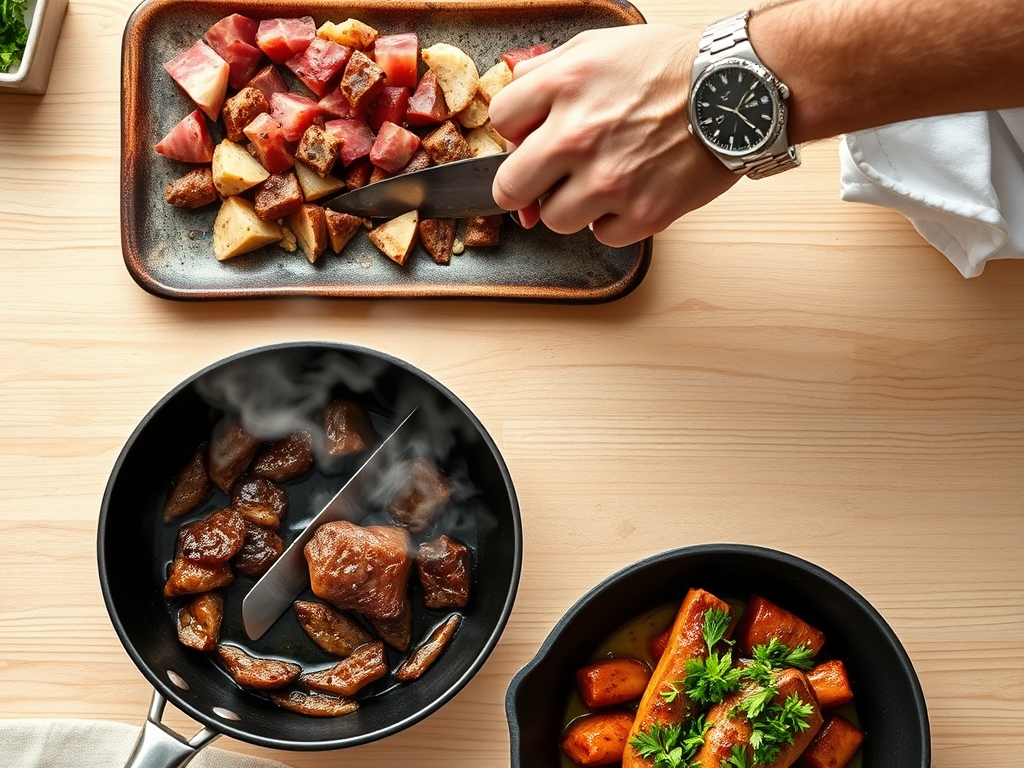
1. The High Heat Sear
Place your heavy-bottomed skillet over medium-high heat until a drop of water flicked onto the surface dances and evaporates instantly. Add your oil and then the protein. Do not crowd the pan; overcrowding drops the surface temperature and leads to steaming rather than searing.
Pro Tip: This stage relies on thermal conductivity. By leaving the protein undisturbed for three minutes, you allow the amino acids and reducing sugars to bond, creating a caramelized crust that traps moisture inside the "meat."
2. Deglazing for Depth
Once the protein has browned, you will notice brown bits stuck to the bottom of the pan. This is called fond. Pour in a small amount of red wine, vegetable stock, or balsamic vinegar. Use a wooden spoon or a bench scraper to lift those bits into your sauce.
Pro Tip: This process uses solvent extraction to pull concentrated flavor compounds from the pan surface back into the food. It creates a complex, multi-layered palate that distinguishes amateur cooking from professional results.
3. Emulsifying the Sauce
Lower the heat and add a fat source, such as vegan butter or a high-quality olive oil. Whisk vigorously to combine the fats with your deglazing liquid. This creates a glossy, thick coating that clings to every fiber of the protein.
Pro Tip: This is the science of emulsification. By breaking fat globules into tiny droplets suspended in liquid, you create a creamy mouthfeel without needing heavy dairy, enhancing the "fatty" satisfaction of the dish.
The Deep Dive
When we look at the macro profile of beyond beef recipes, we see a powerhouse of nutrition. You are looking at roughly 20 grams of protein per serving with zero cholesterol. However, because these products contain coconut oil and cocoa butter to mimic animal fat, the saturated fat content is notable. Balancing this with high-fiber greens or acidic dressings is key for a rounded meal.
Dietary Swaps:
- Vegan: Ensure your buns and condiments are free of honey or eggs.
- Keto: Skip the bun and wrap your protein in large butter lettuce leaves; use sugar-free ketchup.
- Gluten-Free: Most plant-based meats are naturally GF, but always check the label for barley malt extract.
The Fix-It:
- The Mushy Texture: If your "meat" feels soft, you likely under-seared it or added liquid too early. Fix it by spreading the mixture on a sheet pan and roasting at 400F for 5 minutes to dehydrate the exterior.
- The Dry Bite: If it feels crumbly and dry, you have overcooked it. Fold in a tablespoon of tomato paste or mushroom broth to reintroduce moisture.
- The "Planty" Aftertaste: If the pea protein flavor is too strong, add an acid like lemon juice or red wine vinegar. Acid masks alkaline notes and brightens the overall profile.
Meal Prep: To reheat, avoid the microwave as it can turn the fats rubbery. Instead, use a small skillet with a teaspoon of water and a lid. The steam will gently penetrate the protein, restoring "day-one" juiciness without overcooking the exterior.
The Wrap-Up
Mastering beyond beef recipes is a gateway to a more versatile and conscious kitchen. By applying high-level culinary techniques like deglazing and emulsification to plant-based proteins, you elevate a simple meal into a gourmet experience. Remember, the tools in your drawer and the heat in your pan are just as important as the ingredients themselves. Go forth, sear with confidence, and enjoy the delicious intersection of science and flavor!
The Kitchen Table
Can I cook beyond beef from frozen?
It is best to thaw it in the refrigerator overnight. Cooking from frozen prevents the Maillard reaction, resulting in a gray, steamed texture rather than a crispy, caramelized crust. Always aim for a chilled but pliable consistency before hitting the pan.
Why does my plant-based meat stick to the pan?
Sticking usually happens because the pan was not hot enough or you tried to flip the protein too early. Wait for the protein to naturally release from the surface, which indicates a proper crust has formed through heat-induced bonding.
How do I store leftover cooked beyond beef?
Place leftovers in an airtight glass container and refrigerate for up to three days. To maintain the best texture, avoid freezing cooked leftovers, as the ice crystals can break down the protein fibers and make them mushy upon thawing.
Is beyond beef healthier than traditional ground beef?
It offers similar protein levels with zero cholesterol and less environmental impact. However, it is a processed food, so it should be balanced with whole vegetables and grains to ensure you are getting a full spectrum of micronutrients and fiber.