
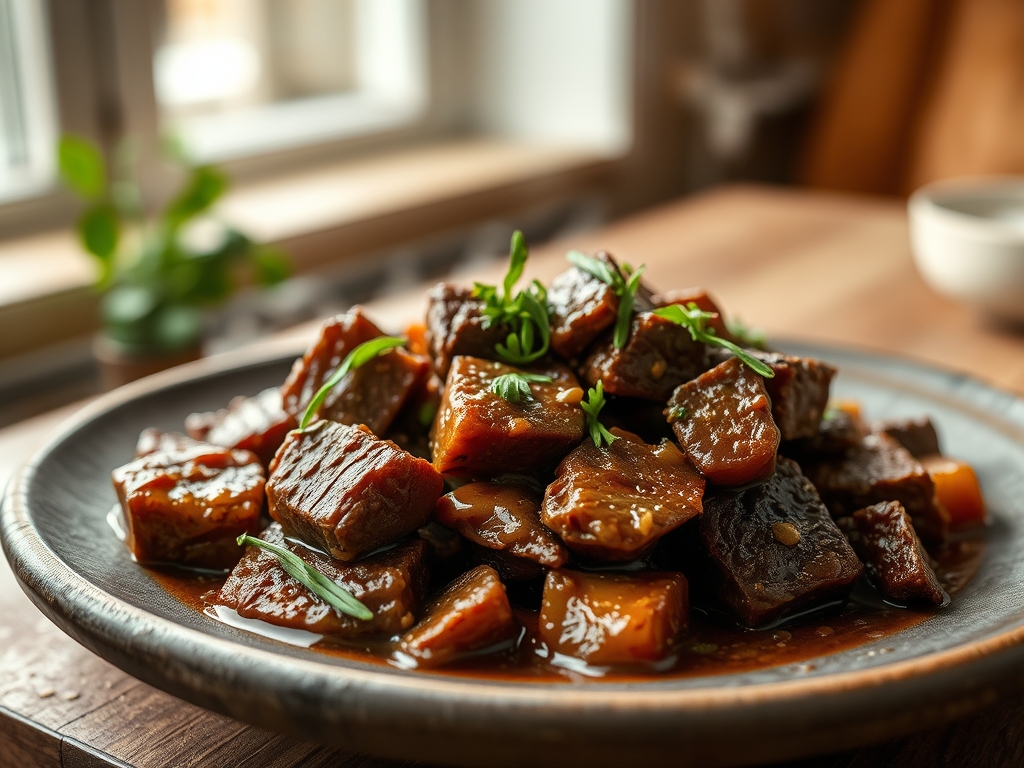
Imagine the aroma of a red wine reduction hitting a hot pan at six in the evening. Your fridge is currently housing a heavy ceramic pot of yesterday's dinner, but we are not just reheating it. We are transforming those collagen-rich chunks into something spectacular. Finding the best leftover stew beef recipes is about more than convenience; it is about utilizing the secondary breakdown of proteins to create complex, chef-quality meals in minutes.
The magic of a stew lies in the connective tissue. Overnight, the gelatin in the liquid has set into a viscous matrix, and the beef has fully absorbed the aromatic profile of the mirepoix. This is the ultimate culinary head start. Instead of starting from scratch, you are beginning with a foundation of deep, umami development. We are going to take that tender, fork-stable meat and pivot it into eight distinct directions, ranging from crispy hand pies to a silky, emulsified ragu.
Whether you are craving the crunch of a toasted baguette or the comfort of a savory pastry crust, these transformations rely on simple physics. We will use high heat to trigger the Maillard reaction on the exterior of the meat while keeping the interior succulent. Grab your favorite apron and clear off the marble counter. We are about to turn that humble bowl of leftovers into a high-end bistro menu.
The Gathers:
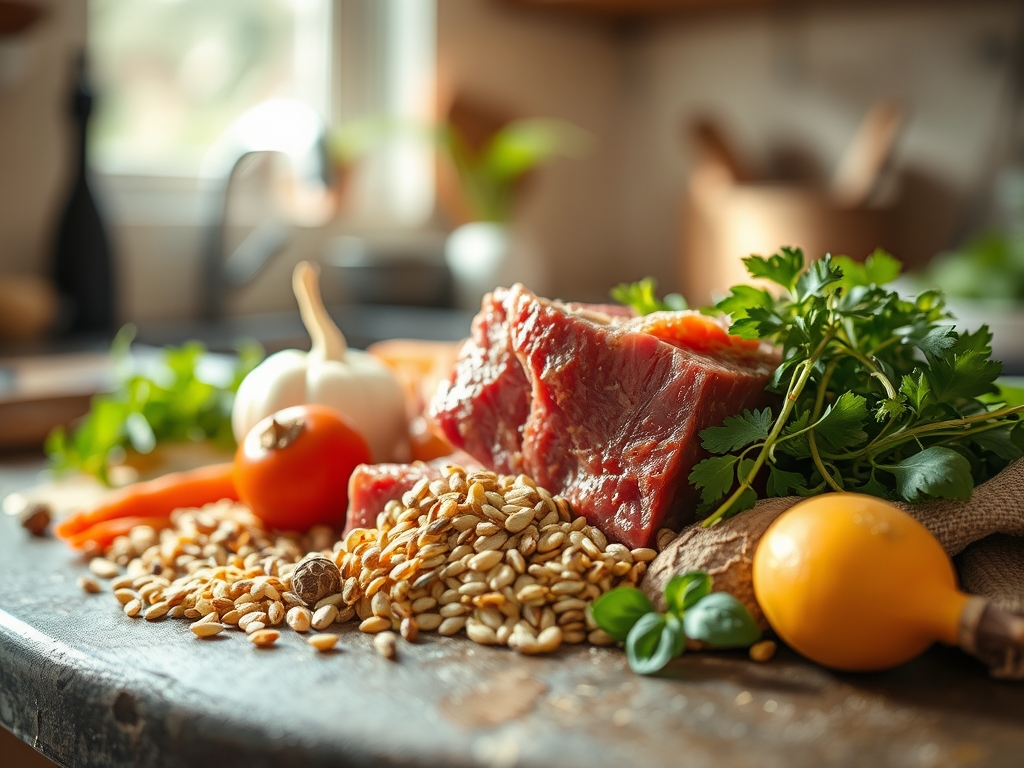
To execute these leftover stew beef recipes, your mise-en-place must be precise. Start with your primary asset: three to four cups of chilled beef stew. When cold, the fat will have solidified on the surface. Do not discard this. That fat is liquid gold, saturated with the essence of thyme, bay leaves, and garlic. You will also need a high-quality puff pastry or shortcrust for the pot pies, a sharp aged cheddar or gruyere for melting, and a bunch of fresh flat-leaf parsley to provide a piquant herbaceous lift to the heavy proteins.
For the technical side of the assembly, keep a microplane nearby for grating fresh horseradish or garlic directly into your sauces. A heavy-bottomed skillet, preferably cast iron, is essential for achieving the sear required to "reset" the texture of the beef. If you are leaning toward a pasta application, have a saucier ready to emulsify the stew liquid with starchy pasta water.
Smart Substitutions:
If your stew is low on liquid, deglaze your pan with a splash of dry sherry or a fortified beef bone broth. If you are out of fresh herbs, a teaspoon of tomato paste can bridge the gap by adding acidity and depth. For those avoiding gluten, swap the pastry for a topping of whipped cauliflower or Yukon Gold potatoes processed through a ricer for a perfectly smooth, aerated finish.
The Clock
Efficiency in the kitchen is all about the "Chef's Flow." Because the beef is already cooked, your active labor time is slashed by seventy percent. Total prep time for most of these variations is a mere fifteen minutes. The cooking time ranges from ten minutes for a stovetop stir-fry to twenty-five minutes for baked applications like empanadas or shepherd's pie.
The goal is to minimize the time the beef spends at high temperatures to prevent the fibers from becoming stringy. By focusing on high-impact, short-duration heat, you preserve the structural integrity of the meat. Think of it as a "flash-finish" rather than a second slow cook.
The Masterclass
1. The Crispy Beef Ragu
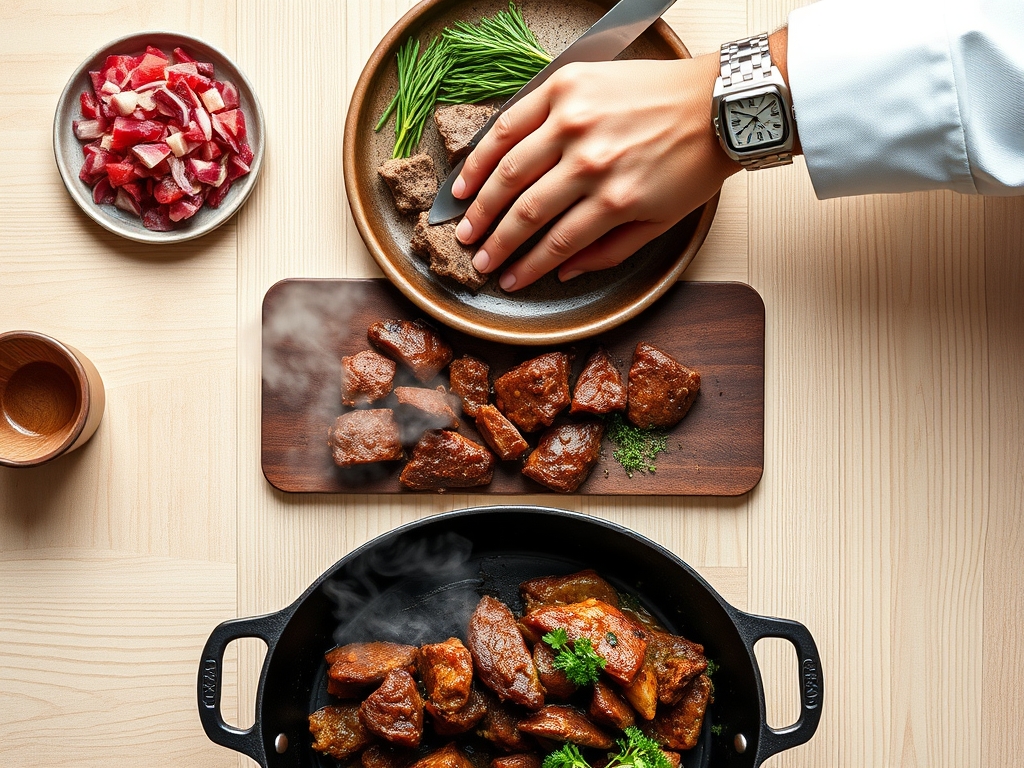
Separate the beef from the gravy using a fine-mesh strainer. Heat a heavy-bottomed skillet with a tablespoon of neutral oil until it reaches the smoke point. Sear the beef chunks until a dark brown crust forms. Add a splash of the reserved gravy and toss with al dente pappardelle.
Pro Tip: This relies on dehydration synthesis. By removing the surface moisture, you allow the Maillard reaction to occur rapidly, creating a complex flavor profile that was missing in the original braise.
2. The Bistro Hand Pie
Roll out chilled puff pastry and place a generous spoonful of cold, thickened stew in the center. Fold and seal using the tines of a fork. Brush with an egg wash and bake at 400 degrees Fahrenheit until golden.
Pro Tip: Cold filling is crucial here. Using cold stew prevents the fats in the pastry from melting before the oven's heat can aerate the dough layers, ensuring a flaky rather than soggy crust.
3. The Umami Beef Stroganoff Pivot
Sauté sliced cremini mushrooms in a pan until they render their moisture. Add the leftover beef and gravy, then whisk in a dollop of full-fat sour cream and a teaspoon of Dijon mustard. Serve over buttered egg noodles.
Pro Tip: Do not let the sauce boil once the sour cream is added. High heat will cause the proteins in the dairy to denature and clump, resulting in a broken, grainy sauce.
4. The Quick-Fire Beef Tacos
Shred the beef using two forks or a bench scraper. Toss the meat in a hot pan with cumin, smoked paprika, and a squeeze of lime. The residual gelatin in the stew liquid will create a sticky, concentrated glaze that clings to the meat.
Pro Tip: The acidity from the lime juice acts as a chemical foil to the heavy fats, breaking down the perceived "heaviness" of the beef through molecular brightening.
5. The Deconstructed Shepherd's Pie
Place the stew in individual ramekins. Top with a thick layer of mashed potatoes that have been passed through a ricer for maximum fluffiness. Score the top with a fork and broil until the peaks are charred.
Pro Tip: This uses thermal radiation to create texture. The fork marks increase the surface area, allowing for more localized browning without overcooking the beef underneath.
6. The Savory Breakfast Hash
Dice the beef and any leftover potatoes from the stew into small cubes. Fry them in a skillet with onions until crispy. Create a well in the center and crack an egg, covering the pan until the whites are set.
Pro Tip: The starch from the potatoes undergoes gelatinization during the second fry, creating a structural "crunch" that contrasts with the tender beef.
7. The Beef and Barley Upgrade
Add two cups of beef bone broth to your leftover stew and bring to a simmer. Stir in pre-cooked pearl barley and a handful of chopped kale. Finish with a grating of fresh parmesan using your microplane.
Pro Tip: Adding fresh liquid and greens re-introduces enzymatic freshness, masking the "reheated" taste often associated with day-old stews.
8. The French Dip Shortcut
Thinly slice the cold beef chunks. Toast a hoagie roll and spread with horseradish aioli. Warm the remaining stew liquid in a small saucier to use as a dipping jus.
Pro Tip: This is an exercise in viscosity management. If the jus is too thick, whisk in a tablespoon of water or wine to ensure it can penetrate the bread effectively.
The Deep Dive
From a nutritional standpoint, leftover stew is a powerhouse of bioavailable minerals. The long simmering process breaks down bone marrow and connective tissues, releasing collagen and amino acids into the sauce. For those following a Keto lifestyle, simply omit the potatoes and serve the beef over sautéed spinach or zoodles. For a Gluten-Free version, ensure your original thickening agent was cornstarch or arrowroot rather than flour.
The Fix-It:
- Too Salty: If the reduction has made the dish overly saline, add a splash of heavy cream or a squeeze of lemon. The fat or acid will mask the sodium perception.
- Too Thin: Whisk a teaspoon of butter and flour together (a beurre manie) and stir it into the boiling liquid for an instant thickening effect.
- Dry Meat: If the beef feels tough, it likely lost moisture during reheating. Fold in a tablespoon of olive oil or butter to add "mouthfeel" and lubrication.
For meal prep, the science of reheating is vital. Always reheat on the stovetop over medium-low heat. Microwaves create "hot spots" that can turn tender beef into rubber by vibrating water molecules too violently, causing the protein fibers to tighten and expel their internal moisture.
The Wrap-Up
Transforming your kitchen with these leftover stew beef recipes is the ultimate "work smarter, not harder" hack. You have already done the heavy lifting of building flavor; now you get to play with textures and cultural profiles. From the crunch of a hand pie to the silky elegance of a ragu, these methods ensure that "leftovers" never feel like a compromise. Grab your tongs, fire up the range, and give that beef the second act it deserves.
The Kitchen Table
Can I freeze leftover beef stew for these recipes?
Yes. Freeze it in airtight containers for up to three months. Thaw completely in the refrigerator before using any high-heat methods like searing or frying to ensure the center reaches a safe internal temperature without burning the exterior.
How do I make the gravy thick enough for pies?
Simmer the liquid in a saucier until it reduces by half, or add a small amount of mashed potato. This increases the solids-to-liquid ratio, creating a stable, non-runny filling that won't compromise your pastry.
What is the best way to shred cold stew beef?
Use a bench scraper or two sturdy dinner forks while the meat is still cold. The solidified fats and gelatin hold the fibers together, allowing for cleaner, more uniform shreds compared to warm meat.
How can I brighten the flavor of day-old stew?
Add "top notes" such as fresh lemon zest, chopped parsley, or a dash of apple cider vinegar. These acidic and herbal elements cut through the heavy, oxidized fats that develop during refrigeration, refreshing the entire palate.