
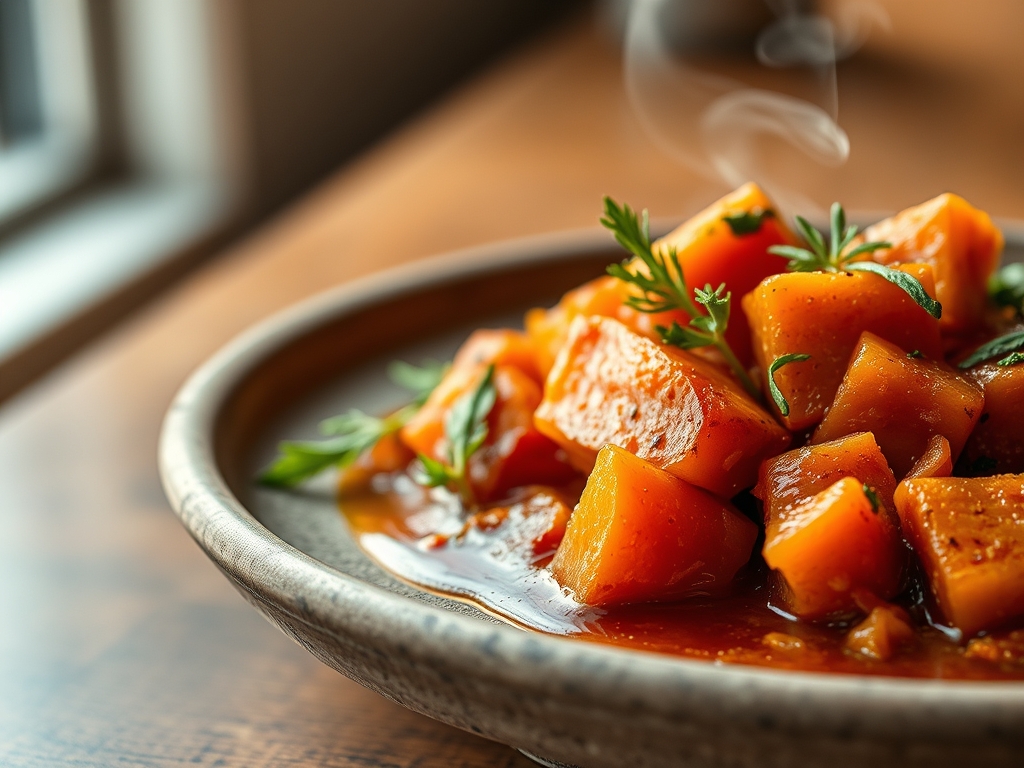
Imagine the scent of toasted cumin and slow-simmered aromatics swirling through your kitchen as the sun dips below the horizon. There is something primal about the way a heavy-bottomed pot transforms humble tubers into a silky, golden masterpiece. If you are searching for the ultimate stew sweet potato recipes, you have arrived at the intersection of comfort and culinary science. We are not just making dinner; we are engineering a bowl of liquid gold that balances sugar, salt, and heat with surgical precision.
Most people treat sweet potatoes as a side dish, but today we are elevating them to the starring role. The magic lies in the contrast between the creamy, velvet texture of the potato and the piquant bite of a well-balanced broth. By the time we are done, you will understand exactly how to manipulate starch molecules to create a naturally thick, luscious sauce without ever touching a spoonful of flour. Grab your favorite apron and a glass of wine; we are about to turn your kitchen into a high-end bistro.
The Gathers:
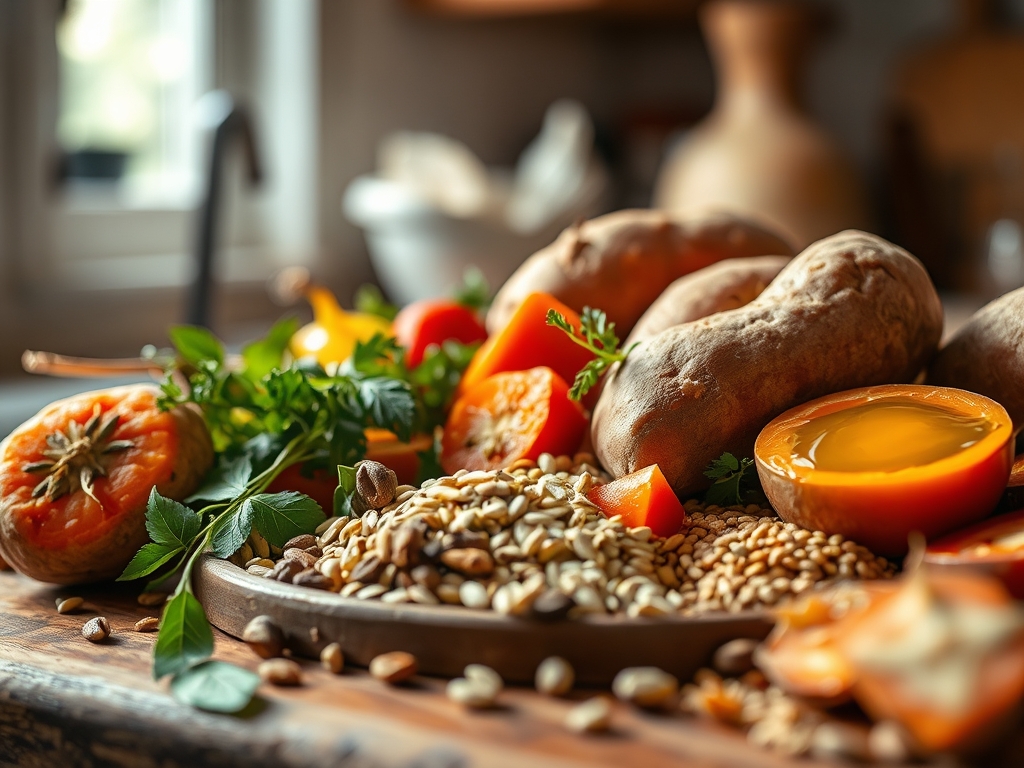
Before we ignite the burner, we must respect the mise-en-place. Use your bench scraper to organize your workstation into distinct zones. For the base, you need high-starch Beauregard or Jewel sweet potatoes. These varieties contain a high concentration of amylase enzymes, which break down starches into maltose during the cooking process. You will also need a fat source to render; I prefer unrefined coconut oil or grass-fed butter for their high smoke points and rich mouthfeel.
Your aromatics should include shallots, ginger, and garlic. Use a microplane to grate the ginger and garlic into a fine paste; this increases the surface area and allows the flavors to infuse the oil instantly. For the liquid component, a high-quality bone broth or full-fat coconut milk provides the necessary lipids to carry fat-soluble vitamins like Beta-carotene.
Smart Substitutions: If you find yourself without sweet potatoes, Japanese Yams provide a starchier, chestnut-like flavor. If you are avoiding nightshades, swap the red pepper flakes for a dash of white pepper to maintain that back-of-the-throat warmth without the lectins. For a deeper umami profile, a teaspoon of white miso paste can replace salt, adding a fermented complexity that mimics long-aged cheeses.
The Clock: Chef's Flow
Efficiency in the kitchen is about managing the "thermal momentum." Expect a total active prep time of 20 minutes, with a passive simmer time of 35 to 40 minutes. The "Chef's Flow" dictates that you chop your hard aromatics first, allowing them to sweat while you peel and cube the tubers.
By the time your saucier is hot, your ingredients should be staged in order of density. Harder vegetables like carrots go in first; delicate greens like spinach or kale are reserved for the final sixty seconds to prevent chlorophyll degradation. Total time from pantry to table is roughly one hour, but the flavor profile will suggest a half-day labor of love.
The Masterclass:
1. The Maillard Foundation
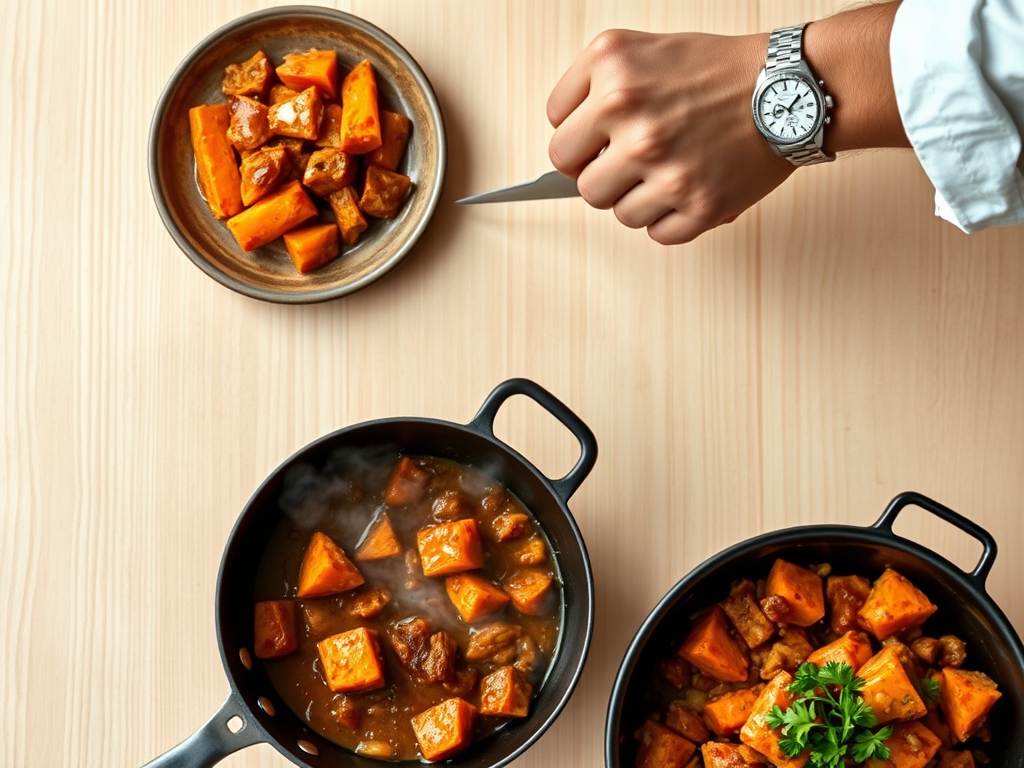
Start by heating your heavy-bottomed skillet over medium-high heat. Add your fat and wait for the shimmering ripple. Toss in your cubed sweet potatoes and sear them until a golden-brown crust forms on at least two sides.
Pro Tip: This is the Maillard Reaction. By browning the exterior, you create hundreds of new flavor compounds that do not exist in raw or boiled potatoes. This crust also provides structural integrity, preventing the cubes from turning into mush during the simmer.
2. Sweating the Aromatics
Reduce the heat to medium and add your shallots and ginger. Use a wooden spoon to move them constantly. You want them translucent and fragrant, not charred.
Pro Tip: Sweating extracts moisture through osmosis. Adding a pinch of salt here draws out the liquid, allowing the aromatics to soften in their own juices without browning too quickly, which preserves their delicate sweetness.
3. The Deglaze
Pour in a splash of dry white wine or apple cider vinegar. Use your spoon to scrape up the brown bits stuck to the bottom of the pan.
Pro Tip: This is called deglazing. Those brown bits (the fond) are concentrated flavor. The acid in the liquid dissolves the protein bonds holding the fond to the metal, incorporating that deep, savory essence into your base liquid.
4. Emulsifying the Broth
Slowly pour in your broth and coconut milk while whisking gently. Bring the mixture to a gentle boil, then immediately drop it to a low simmer.
Pro Tip: Rapid boiling can cause the fats in the coconut milk to separate. A low simmer ensures a stable emulsion, resulting in a viscous, creamy texture that coats the back of a spoon perfectly.
5. The Starch Release
Cover the pot with a tight-fitting lid and let it simmer for 25 minutes. At the 20-minute mark, use the back of your spoon to crush three or four potato cubes against the side of the pot.
Pro Tip: This releases internal starches into the liquid. These starch granules swell and burst, acting as a natural thickening agent that gives the stew its luxurious body without the need for cornstarch or flour.
6. The Brightening Finish
Just before serving, stir in a squeeze of fresh lime juice and a handful of chopped cilantro. Taste and adjust for salt using a digital scale if you are batch-cooking for consistency.
Pro Tip: Heat dulls acidity. By adding the lime at the very end, you preserve the volatile citrus oils, which cut through the richness of the potato and brighten the entire dish.
The Deep Dive:
From a nutritional standpoint, this stew is a powerhouse. A single serving provides over 400% of your daily Vitamin A requirements and a significant dose of potassium. Because we are using healthy fats to cook the tubers, the fat-soluble vitamins are much more bioavailable to your body.
Dietary Swaps: To keep this Keto-friendly, swap half the sweet potatoes for cauliflower florets; this reduces the net carb count while maintaining the texture. For a Vegan protein boost, add chickpeas or red lentils during the simmering phase. If you are Gluten-Free, ensure your broth is certified, as some commercial brands use grain-based thickeners.
The Fix-It:
- Too Thin? Remove one cup of the vegetables, blend them into a puree, and stir them back into the pot.
- Too Sweet? Add a teaspoon of smoked paprika or a dash of fish sauce. The salt and smoke will balance the natural sugars.
- Potatoes are Tough? This usually means the acid (like lime or vinegar) was added too early. Acid can prevent starch from softening. Next time, wait until the very end to add citrus.
Meal Prep Science: This stew actually tastes better on day two. During refrigeration, the flavors undergo syneresis, where the ingredients continue to exchange molecules. To reheat, use a low flame and add a tablespoon of water to re-hydrate the starches, ensuring "day-one" silkiness.
The Wrap-Up:
You now hold the keys to the kingdom of comfort food. By mastering the science of starch and the art of the Maillard reaction, you have elevated a simple root vegetable into a gourmet experience. These stew sweet potato recipes are more than just a meal; they are a testament to how a little technical knowledge can transform basic ingredients into something extraordinary. Go forth, get that skillet screaming hot, and feed your soul!
The Kitchen Table:
Why are my sweet potatoes mushy in the stew?
You likely skipped the initial searing phase. Searing creates a structural crust via the Maillard reaction. Additionally, avoid over-stirring once the potatoes soften, as mechanical agitation breaks down the cell walls and turns the cubes into a mash.
Can I make this in a slow cooker?
Yes, but reduce the liquid by twenty percent. Slow cookers prevent evaporation, which can lead to a watery consistency. For best results, still sear your aromatics and potatoes in a skillet before transferring them to the slow cooker crock.
What is the best way to store leftovers?
Store in an airtight glass container for up to five days. Glass is non-porous and won't absorb the vibrant pigments of the sweet potato. Leave an inch of headspace if freezing to allow for liquid expansion.
How do I make the stew more savory?
Incorporate "Umami Bombs" like tomato paste, nutritional yeast, or a splash of soy sauce. These ingredients provide glutamates that counteract the natural sweetness of the tubers, creating a more complex and deeply savory flavor profile.