
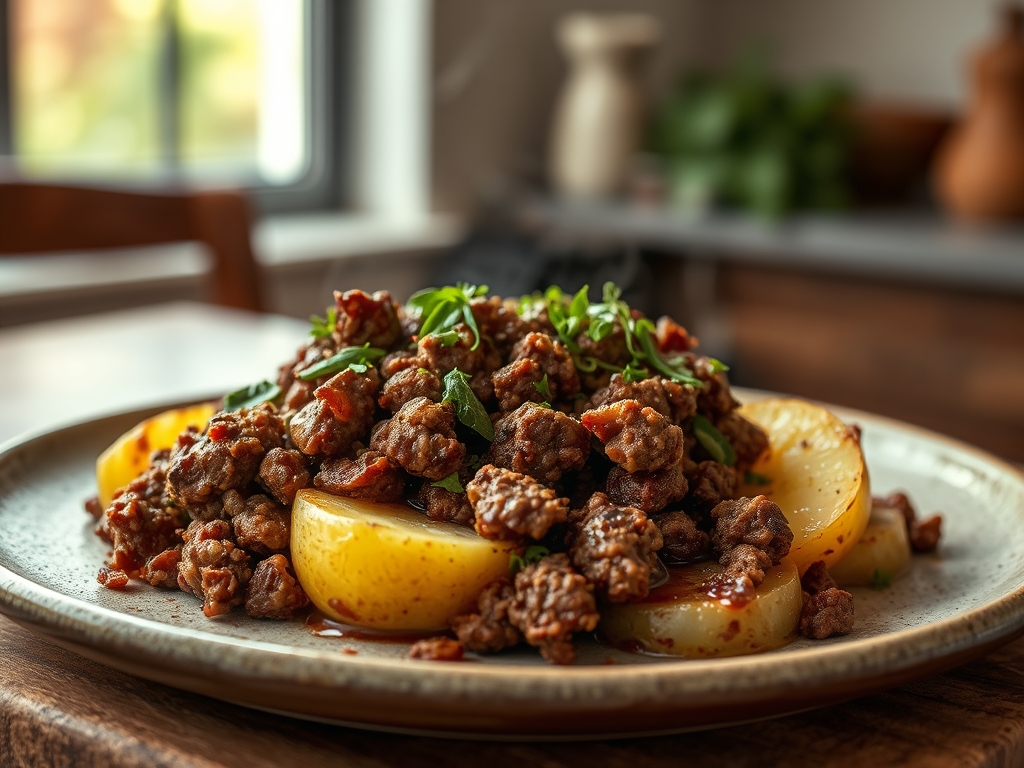
Imagine the sizzle of cold, marbled protein hitting a preheated cast iron skillet; the sound is sharp, rhythmic, and promising. As the fat begins to render, it coats the starchy edges of hand-cut tubers, creating a golden crust that shatters under the slightest pressure. We are diving into the world of easy ground beef and potato recipes, where humble pantry staples transform into culinary masterpieces through the magic of high-heat searing and strategic seasoning. This is not just survival cooking; it is a lesson in flavor architecture.
Ground beef is the ultimate canvas for a busy weeknight. It offers a rich, savory profile that pairs perfectly with the earthy, neutral base of a potato. Whether you are craving a crispy hash, a decadent shepherd's pie, or a spicy skillet fry, these two ingredients provide the structural integrity needed for a satisfying meal. By understanding the chemistry of the Maillard reaction and the softening of cellular pectin, you can elevate these simple components into a dinner that feels like a deliberate luxury. Let us get our aprons on and turn the heat up.
The Gathers:
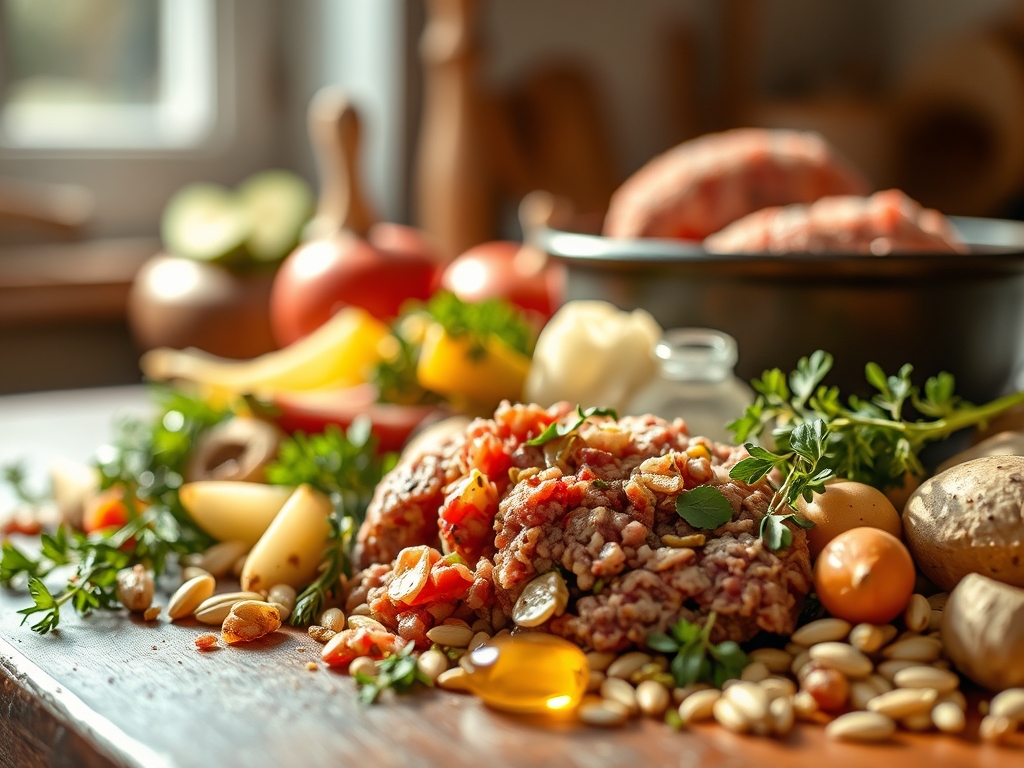
To achieve professional results, your mise-en-place must be precise. Start with 80/20 ground chuck; the twenty percent fat content is vital for a moist mouthfeel and for providing the medium in which your potatoes will fry. Use a digital scale to portion out one pound of beef and two pounds of waxy potatoes like Yukon Golds. Waxy varieties contain less starch than Russets, meaning they hold their geometric shape even after a vigorous sauté.
You will also need a piquant aromatic base: yellow onions, fresh garlic, and perhaps a sprig of rosemary or thyme to infuse the rendered lipids. Use a microplane to grate your garlic into a fine paste; this increases the surface area and ensures the flavor distributes evenly without leaving bitter, burnt chunks in the pan. For the "Smart Substitutions," consider swapping the beef for ground bison if you want a leaner, more iron-rich profile. If you are out of potatoes, parsnips or celery root offer a similar textural experience with a lower glycemic index. Always keep a bottle of dry white wine or beef stock nearby to deglaze the pan and capture those precious brown bits.
The Clock:
Efficiency in the kitchen relies on "Chef's Flow," which is the art of overlapping tasks to minimize downtime. The prep for these easy ground beef and potato recipes should take no more than fifteen minutes. Use a sharp bench scraper to clear your cutting board as you go, keeping your workspace sterile and organized. The total cook time generally hovers around twenty-five minutes, depending on the thickness of your potato dice.
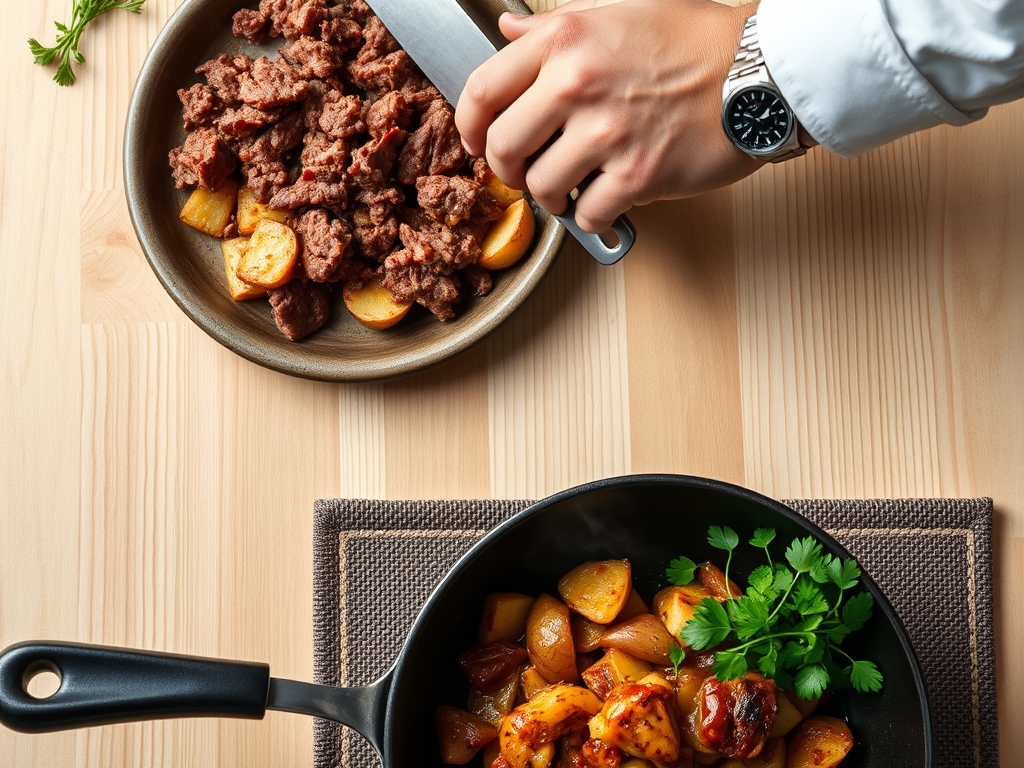
The secret to speed is the "Parallel Sear." While your potatoes are softening in a lidded skillet to harness steam, you should be browning your beef in a separate heavy-bottomed skillet. This prevents the pan from overcrowding, which would cause the temperature to drop and turn your sear into a sad, gray steam. By the time the potatoes are fork-tender, the beef is caramelized and ready to be married in a single pan for the final flavor infusion.
The Masterclass:
1. The Initial Render and Sear
Place your heavy-bottomed skillet over medium-high heat until a drop of water dances and evaporates instantly. Add the beef, breaking it into large chunks with a wooden spoon or tongs. Do not over-stir. Allow the meat to sit undisturbed for three minutes to encourage the Maillard reaction.
Pro Tip: The Maillard reaction is a chemical reaction between amino acids and reducing sugars that gives browned food its distinctive flavor. Moving the meat too early prevents this crust from forming, leading to a loss of savory depth.
2. The Potato Par-Cook
While the beef browns, dice your potatoes into uniform half-inch cubes. Uniformity is not just for aesthetics; it ensures every piece cooks at the same rate. Toss them with a tablespoon of oil and a pinch of salt.
Pro Tip: Salt draws out moisture through osmosis. By salting the potatoes early, you collapse the surface cells slightly, which allows for a crispier exterior once they hit the hot fat of the beef skillet.
3. Deglazing the Fond
Once the beef is browned, remove it from the pan, leaving the rendered fat behind. If the pan looks dry, add a splash of oil. Add your aromatics and cook until translucent. Use a splash of stock or wine to scrape up the "fond," those caramelized bits stuck to the bottom.
Pro Tip: Deglazing is a thermodynamic process that releases flavor compounds trapped in the browned proteins. These compounds are highly soluble in liquid and create a built-in sauce for your easy ground beef and potato recipes.
4. The Integration Phase
Add the potatoes to the skillet with the aromatics. Cover the pan for five minutes. This creates a miniature convection oven, using trapped steam to soften the interior of the potato while the bottom fries in the beef fat.
Pro Tip: This dual-action cooking utilizes both conduction (heat from the pan) and convection (circulating steam). It ensures the potato is creamy inside rather than raw and crunchy.
5. The Final Crisp
Remove the lid and turn the heat to high. Add the beef back into the pan. Toss everything together using a saucier-style flipping motion or a sturdy spatula. Cook for another five minutes until the potato edges are jagged and dark gold.
Pro Tip: Watch for "thermal carryover." The internal temperature of the beef will continue to rise by about five degrees after you remove it from the heat. Pull the pan when the meat looks just slightly under your desired doneness.
6. The Emulsion Finish
Turn off the heat and stir in a tablespoon of cold butter or a splash of heavy cream. This creates a glossy, viscous coating that binds the beef and potatoes together.
Pro Tip: Fat-in-water emulsification occurs when you stir a fat source into a small amount of residual liquid. This creates a "mouth-coating" effect that carries the flavors of the herbs across your palate more effectively.
7. The Aerated Garnish
Finish the dish with a handful of freshly chopped parsley or chives. Use sharp kitchen shears to snip them directly over the pan to avoid bruising the delicate leaves.
Pro Tip: Fresh herbs contain volatile oils that dissipate quickly with heat. Adding them at the very end ensures the "bright" notes remain intact to contrast the heavy, savory fats of the beef.
The Deep Dive:
From a nutritional standpoint, these meals are powerhouses. A standard serving provides approximately thirty grams of protein and a significant dose of potassium from the potatoes. To make this keto-friendly, simply swap the potatoes for cauliflower florets; the cooking time will decrease by half. For a vegan version, use a plant-based crumble and ensure your potatoes are fried in a high-quality avocado oil instead of animal tallow.
Even the best cooks hit snags. If your potatoes are sticking, your pan likely was not hot enough before adding the fat, or you are using a non-stick pan that has lost its coating. Use a stainless steel skillet for better temperature control. If the dish tastes flat, it usually needs acid, not salt. A squeeze of lemon or a teaspoon of apple cider vinegar will "brighten" the fats. For meal prep, remember that potatoes can become "mealy" when frozen. To maintain day-one quality, reheat your leftovers in an air fryer or a dry skillet rather than a microwave to re-crisp the potato skins.
The Wrap-Up:
Mastering easy ground beef and potato recipes is like learning the secret handshake of the culinary world. It is about taking two affordable, accessible ingredients and treating them with the respect usually reserved for a ribeye steak. By focusing on temperature control, deglazing, and the science of the sear, you transform a simple skillet dinner into a gourmet experience. Now, grab your heavy-bottomed skillet and go make something incredible!
The Kitchen Table:
How do I stop my ground beef from boiling in the pan?
Do not overcrowd the skillet. If you add too much meat at once, the temperature drops and moisture is released faster than it can evaporate. Cook in batches to ensure a hard, flavorful sear rather than a gray boil.
Which potato is best for skillet recipes?
Yukon Gold potatoes are the gold standard. They possess a medium starch content that allows them to crisp up beautifully on the outside while maintaining a creamy, buttery interior that does not fall apart during the tossing process.
Can I make these recipes in a slow cooker?
Yes, but you will lose the crispy texture. If using a slow cooker, brown the beef in a skillet first to develop flavor. Add the potatoes in large chunks to prevent them from turning into mush during the long cook time.
How do I keep leftovers from getting soggy?
Avoid the microwave. Reheat your beef and potatoes in a hot skillet with a tiny bit of oil or in an air fryer at 350 degrees. This removes excess moisture and restores the original "crunch" to the potato edges.