
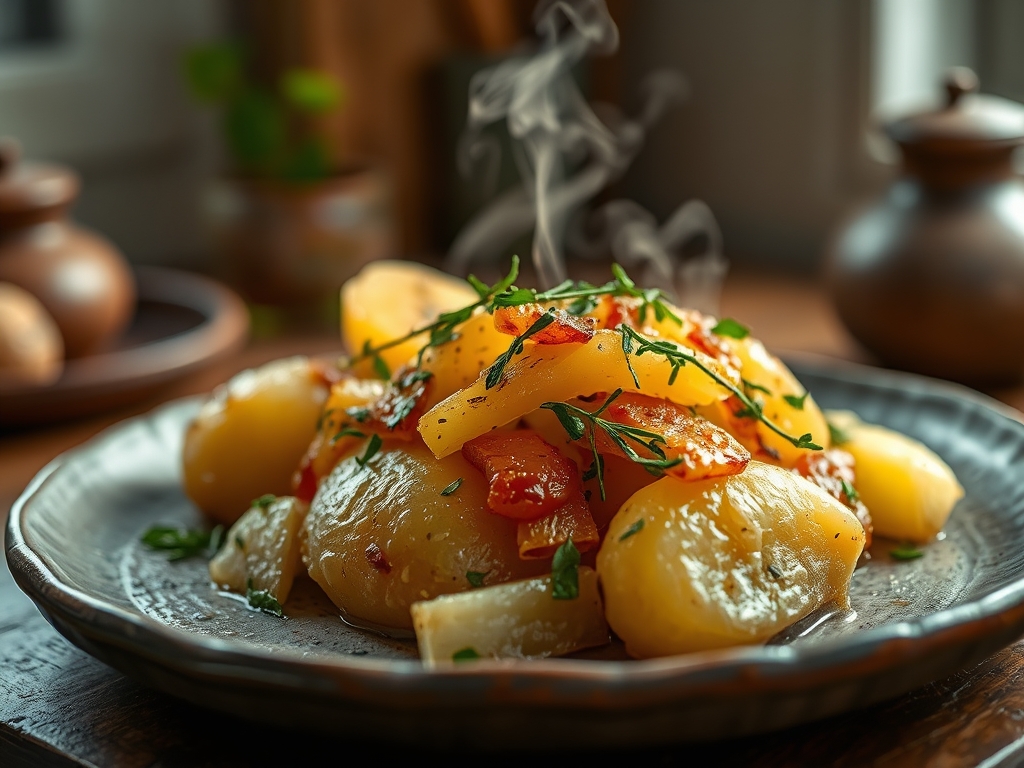
Picture a kitchen thick with the scent of rendered fat and sweet onions; it is the olfactory signature of a culture that turned the humble tuber into an art form. We are diving deep into the soul of Central European comfort through these eight essential polish potato recipes. This is not just about boiling starch. It is about the chemistry of a perfect crust and the silky mouthfeel of a well aerated dough.
The potato is a structural marvel. Whether we are talking about the starchy snap of a pancake or the cloud-like pillow of a dumpling, the secret lies in how we manipulate the amylose and amylopectin molecules. In Poland, the potato is more than a side dish; it is a canvas for smoky bacon, piquant sour cream, and fresh dill. We are going to master the classics, from the crispy Placki Ziemniaczane to the elegant Kopytka, using modern techniques to ensure your kitchen smells like a Warsaw bistro. Grab your apron and your heaviest skillet. We are about to turn basic groceries into a masterclass of texture and flavor.
The Gathers:
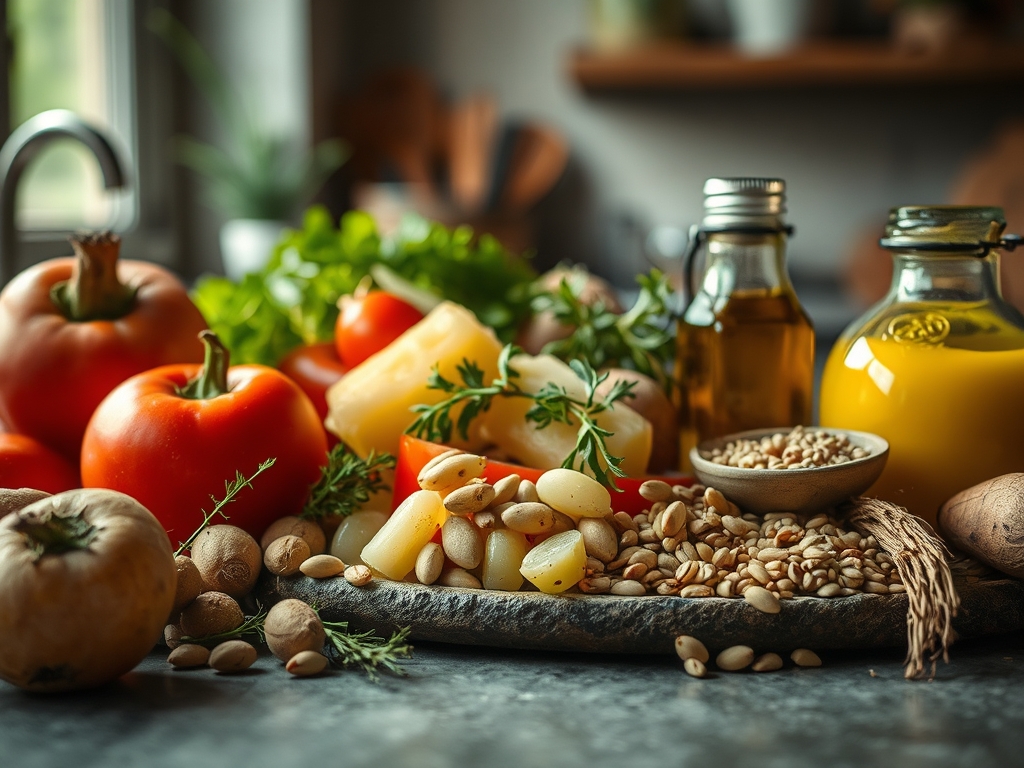
To execute these polish potato recipes with precision, your mise-en-place must be impeccable. Start with the starch. You want high-starch varieties like Russets or Idaho potatoes because their low moisture content ensures a fluffy interior and a crisp exterior. For the fats, we are looking for high smoke points. Clarified butter (ghee) or high-quality lard are traditional, but a neutral grapeseed oil works for modern palates.
Your aromatics should include yellow onions for their high sugar content, which facilitates the Maillard reaction, and fresh garlic for a pungent kick. Do not forget the dairy. You need a viscous, full-fat sour cream to provide the necessary lactic acid to cut through the richness. Fresh dill and chives are non-negotiable for that bright, herbaceous finish.
Smart Substitutions: If you are avoiding gluten, substitute the all-purpose flour in dumplings with a 1:1 ratio of potato starch and fine rice flour. For a vegan twist, swap the traditional bacon bits for smoked paprika-rubbed roasted mushrooms to mimic that earthy, savory depth. Use a digital scale to measure your dry ingredients; precision is the difference between a heavy leaden ball and a light, airy dumpling.
The Clock
Efficiency in the kitchen is about the Chef's Flow. Expect a total preparation time of 45 minutes and a cooking window of 60 minutes across these variations. The "Flow" involves a staggered approach. Start by boiling your potatoes for the mashed-based dishes like Slaskie dumplings first. While those reach their thermal peak, you can utilize your box grater or food processor for the raw-shredded recipes like Placki.
By the time your shredded potatoes have released their excess moisture through a fine-mesh sieve, your boiled potatoes will be ready to pass through a ricer. This synchronization ensures that no component sits long enough to undergo enzymatic browning, which can turn your vibrant whites into a dull grey. Always factor in a ten-minute "rest" for doughs to allow the gluten to relax, making them easier to shape.
The Masterclass
1. The Grate and Drain
For the perfect Placki Ziemniaczane, grate your raw potatoes into a bowl. Use a clean kitchen towel to squeeze out every drop of liquid. Collect that liquid in a glass; after a few minutes, the white potato starch will settle at the bottom. Pour off the water and add that "liquid gold" starch back into your potato mix.
Pro Tip: This reclaimed starch acts as a natural binder. It prevents the pancakes from falling apart without requiring excess flour, which can make them gummy.
2. The Ricer Revolution
For Kopytka (hoof-shaped dumplings), never mash your potatoes with a fork. Use a ricer or a food mill while the potatoes are still warm. This process aerates the potato, breaking it into tiny, uniform granules without overworking the starch.
Pro Tip: Overworking potatoes releases too much starch, turning your dough into a glue-like substance. Ricing while warm ensures the cells separate cleanly.
3. The Thumbprint Technique
When making Kluski Slaskie (Silesian dumplings), roll them into small balls and press a small indentation in the center with your thumb. This is not just for aesthetics.
Pro Tip: The "crater" increases the surface area for sauce adhesion and ensures the center of the dumpling cooks at the same rate as the exterior, preventing a raw core.
4. The Searing Stage
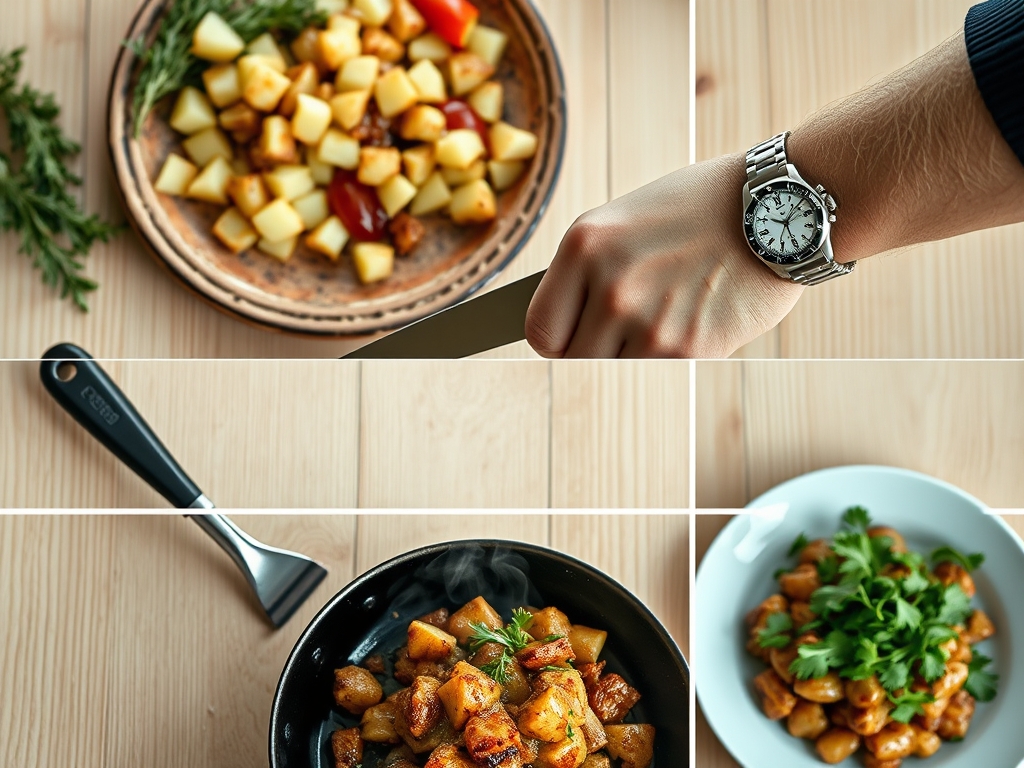
For many polish potato recipes, a secondary sear is vital. After boiling your pierogi or kopytka, pat them dry and toss them into a heavy-bottomed skillet with foaming butter.
Pro Tip: This creates a Maillard crust, adding a complex, nutty flavor profile that contrasts beautifully with the soft, pillowy interior.
5. The Emulsified Sauce
Traditional sauces often involve a mixture of pan drippings and sour cream. When adding sour cream to a hot pan, temper it first by mixing in a spoonful of the hot liquid before adding the whole amount.
Pro Tip: Tempering prevents the proteins in the dairy from denaturing too quickly, which causes "breaking" or curdling in your sauce.
6. The Herb Infusion
Add your fresh dill and chives at the very end of the cooking process.
Pro Tip: Volatile oils in fresh herbs are heat-sensitive. Adding them at the finish preserves their bright green color and piquant aroma, which would otherwise be lost to evaporation.
7. The Resting Period
Allow your potato babka or roasted dishes to rest for at least five minutes before slicing.
Pro Tip: This allows for thermal carryover to finish the internal cooking and lets the starch structures set, ensuring clean slices that do not crumble.
8. The Final Seasoning
Always use a microplane to zest a hint of fresh nutmeg over potato-based doughs.
Pro Tip: Nutmeg contains aromatic compounds that bridge the gap between the earthy potato and the rich dairy, elevating the entire flavor profile.
The Deep Dive
From a macro perspective, these dishes are high in complex carbohydrates, providing sustained energy. However, they are also rich in potassium and Vitamin C. To make these Keto-friendly, you can experiment with cauliflower-based doughs using xanthan gum as a binder, though the texture will be more delicate. For a Vegan version, flax eggs and vegan butter are excellent substitutes that maintain the structural integrity of the dumplings.
The Fix-It:
- Gummy Dough: You likely used too much flour or overworked the potato. Fix it by adding a bit more riced potato or a touch of potato starch to absorb the excess moisture.
- Soggy Pancakes: Your oil temperature was too low. Use an infrared thermometer to ensure your oil is at 375 degrees Fahrenheit before dropping the batter.
- Falling Apart in Water: The water is at a rolling boil. Use a gentle simmer instead to prevent the mechanical action of the bubbles from tearing the delicate starch bonds.
Meal Prep Science: To reheat, avoid the microwave as it turns starch rubbery. Instead, use a skillet with a teaspoon of water and a lid to create a steam-sear effect. This restores the crispness while hydrating the interior.
The Wrap-Up
Mastering polish potato recipes is a rite of passage for any serious home cook. It is a journey through history, chemistry, and pure, unadulterated comfort. By focusing on starch management and temperature control, you can transform these simple ingredients into a gourmet feast. Remember, the best food is made with patience and a little bit of scientific curiosity. Now, go forth and get ricing!
The Kitchen Table
Which potato is best for Polish dumplings?
High-starch varieties like Russets are superior. Their low moisture content creates a fluffy, light texture that binds perfectly with flour without becoming gummy or dense during the boiling process.
Why do my potato pancakes turn grey?
This is caused by enzymatic browning. To prevent it, grate your potatoes directly into a bowl of cold water or work quickly and add a squeeze of lemon juice to inhibit oxidation.
Can I make the dough in advance?
It is best to cook potato dough immediately. Raw potato dough oxidizes and releases water over time, which ruins the structural integrity and leads to a mushy, grey final product.
How do I get my pierogi extra crispy?
After boiling, ensure they are completely dry. Sear them in a hot skillet with clarified butter until a golden-brown crust forms. This provides a necessary textural contrast to the soft filling.