
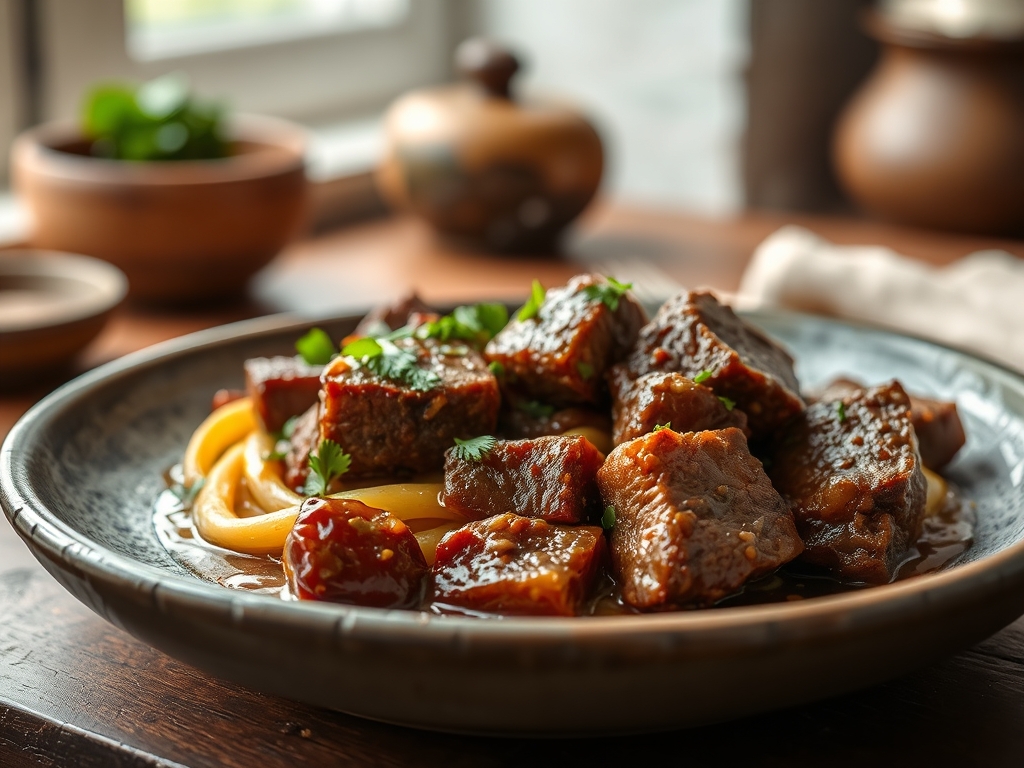
The scent of searing protein is a chemical siren song. It is that intoxicating, deep mahogany aroma that signals a transformation from raw muscle to fork-tender bliss. Usually, this process requires an entire Sunday afternoon spent hovering over a Dutch oven, but modern kitchen science has unlocked a shortcut. We are rewriting the rules for fast stew beef recipes to ensure you get that slow-cooked depth in under an hour. By manipulating surface area and optimizing thermal transfer, we can force the Maillard reaction to occur at lightning speed. Imagine a bowl where the broth is viscous and glossy, the beef is succulent, and the vegetables retain their structural integrity. This is not just a quick meal; it is a calculated strike against the clock. We are going to use every tool in our arsenal, from heavy-bottomed skillets to the precision of a digital scale, to ensure that speed never compromises the soul of the dish. Grab your apron; we are about to turn your kitchen into a high-efficiency flavor laboratory.
The Gathers:
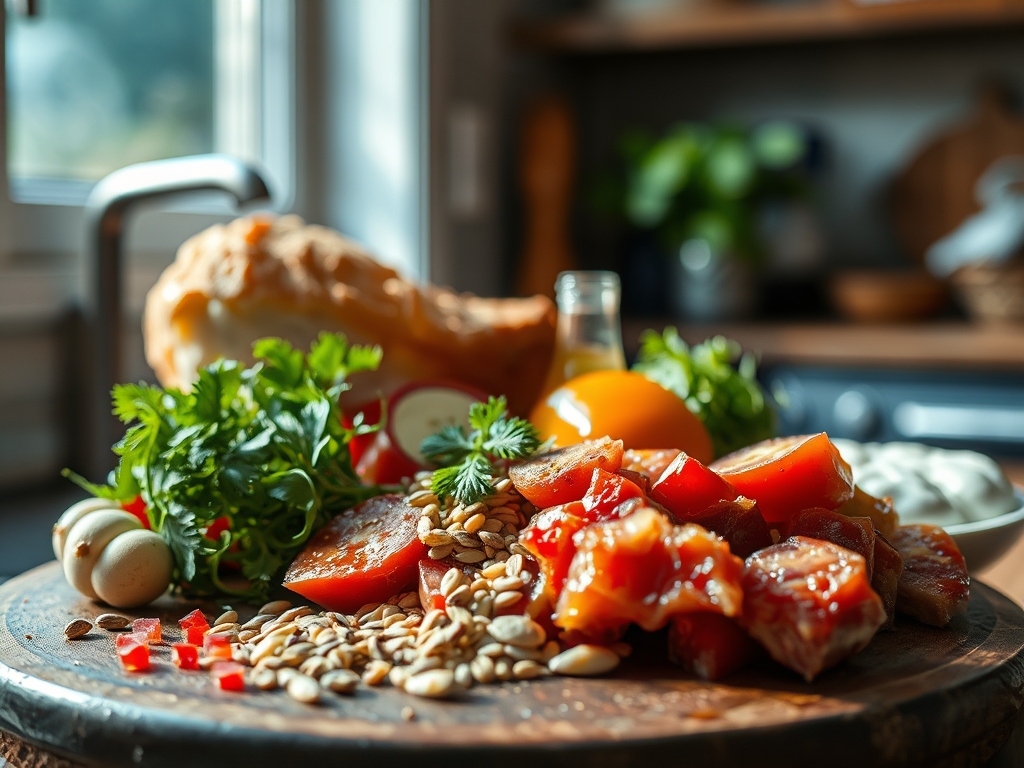
To master fast stew beef recipes, your mise-en-place must be flawless. We start with the star: two pounds of chuck roast, cubed into precise one-inch pieces using a sharpened chef knife. Chuck is essential because of its high collagen content; as it heats, that collagen denatures into gelatin, providing that coveted mouthfeel. You will need a saucier or a heavy-bottomed pot to ensure even heat distribution without hot spots that scorch your aromatics.
For the aromatics, gather three large carrots, two stalks of celery, and one massive yellow onion. We are looking for a classic mirepoix ratio, but we will use a bench scraper to move our precision-diced veggies from the board to the pot instantly. The liquid base requires high-quality bone broth, a splash of piquant Worcestershire sauce, and a tablespoon of tomato paste for umami depth.
Smart Substitutions: If you are out of fresh garlic, use a microplane to grate a frozen ginger knob for a bright, spicy twist. No red wine for deglazing? A tablespoon of balsamic vinegar mixed with a splash of pomegranate juice mimics that complex acidity and dark color perfectly. Always weigh your salt on a digital scale to ensure a 1.5 percent salinity level; it is the secret to professional-grade seasoning.
The Clock:
Efficiency in the kitchen is all about "Chef's Flow." This is the art of overlapping tasks so that no second is wasted. Your total active prep time should be 15 minutes, with a cook time of approximately 45 minutes if using a pressure vessel or a high-heat reduction method.
The flow begins with the beef. While your skillet is preheating to the smoke point, you dice. While the beef is searing and rendering its fat, you prep the liquids. The goal is to have the pot simmering within 20 minutes of stepping into the kitchen. By the time the timer dings, you will have already cleaned your station, leaving nothing but the final plating.
The Masterclass:
1. The High-Heat Sear
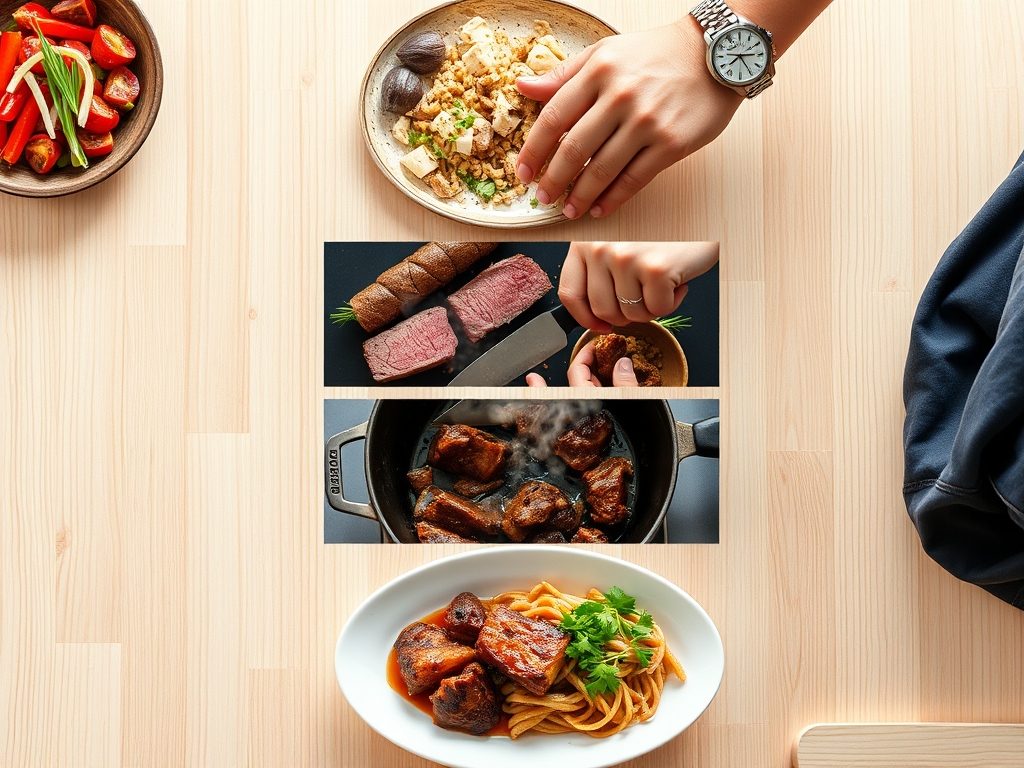
Use tongs to place your beef in a single layer in a ripping hot pan. Do not crowd the meat. We need maximum surface contact to trigger the Maillard reaction, which is the chemical reaction between amino acids and reducing sugars that creates brown, flavorful crusts.
Pro Tip: This is called enzymatic browning. If you crowd the pan, the temperature drops and the meat boils in its own juices instead of searing. Sear in batches to keep the energy high.
2. Deglazing the Fond
Once the meat is removed, you will see brown bits stuck to the bottom. This is "fond," the gold mine of flavor. Pour in your acidic component; wine or vinegar; and use a wooden spoon to scrape it up.
Pro Tip: Deglazing is a solvent-based extraction. The alcohol and acid in the liquid dissolve the caramelized proteins, allowing them to infuse the entire broth with a deep, roasted profile.
3. The Aromatics Sweat
Add your mirepoix to the rendered fat. We are not looking to brown them deeply; we want to "sweat" them until the onions are translucent. This softens the cellulose walls of the vegetables.
Pro Tip: Adding a pinch of salt here uses osmosis to draw moisture out of the vegetables, speeding up the softening process and concentrating their natural sugars.
4. Pressure or Reduction
If you are using a pressure cooker, seal it now. If using a traditional pot, keep the lid slightly ajar to allow for evaporation. We want the liquid to become viscous as it reduces, concentrating the flavor molecules.
Pro Tip: Using a pressure cooker raises the boiling point of water, which accelerates the breakdown of tough connective tissues (collagen) into silky gelatin in a fraction of the time.
5. The Umami Bomb
Stir in your tomato paste and a dash of fish sauce or soy sauce. These ingredients are rich in glutamates, which enhance the savory "meatiness" of the dish without making it taste like fish or soy.
Pro Tip: This is known as synergistic umami. Combining different types of glutamates creates a flavor profile that is exponentially more intense than using one source alone.
6. The Thickening Phase
If your stew is too thin, create a slurry of cornstarch and cold water. Whisk it into the boiling liquid. The starch granules will swell and trap water, thickening the sauce instantly.
Pro Tip: This is starch gelatinization. The granules must reach at least 175 degrees Fahrenheit to fully hydrate and provide that glossy, professional sheen.
7. The Resting Period
Turn off the heat and let the stew sit for five minutes before serving. This allows the muscle fibers in the beef to relax and reabsorb some of the surrounding juices.
Pro Tip: This accounts for thermal carryover. The internal temperature continues to rise slightly, finishing the cook gently without over-toughening the exterior of the meat.
8. The Acid Brightener
Right before serving, stir in a teaspoon of lemon juice or apple cider vinegar. This "wakes up" the heavy fats and proteins.
Pro Tip: Acid acts as a flavor reinforcer. It cuts through the richness of the rendered fats, providing a balanced "high note" to the "low notes" of the beef and root vegetables.
9. Aerating the Garnish
Finely chop fresh parsley or chives and sprinkle them from a height. This distributes the volatile oils of the herbs across the surface of the stew.
Pro Tip: Aerate your garnish to ensure the scent hits the diner's nose before the spoon hits their mouth. Olfactory perception is 80 percent of what we perceive as flavor.
The Deep Dive:
When it comes to nutrition, this stew is a powerhouse. A standard serving offers roughly 35 grams of protein and a significant dose of bioavailable iron and Vitamin B12. For my Keto friends, simply swap the potatoes for cauliflower florets or daikon radish; they absorb the broth beautifully without the carb load. For a Vegan version, utilize "meaty" mushrooms like King Oyster or Portobello, and use a dash of liquid smoke to mimic the depth of seared beef.
The Fix-It:
- Too Salty? Add a peeled, halved potato. It acts as a sponge for excess sodium.
- Too Thin? Whisk in a tablespoon of instant mashed potato flakes for an instant body boost.
- Tough Meat? Add a pinch of baking soda to the liquid; it raises the pH and helps tenderize proteins faster.
Meal Prep Science:
Stew is famously better the next day. This is because the flavor compounds continue to mingle and the starches further stabilize. When reheating, do it slowly on the stovetop with a splash of water to prevent the gelatin from scorching. This ensures "day-one" quality every single time.
The Wrap-Up:
You now have the technical blueprint to execute fast stew beef recipes like a seasoned pro. By understanding the chemistry of the sear and the physics of the pressure cook, you have reclaimed your weeknight dinner. Cooking is not just about following a recipe; it is about mastering the variables of heat, acid, and time. Now, go grab your heavy-bottomed skillet and show that chuck roast who is boss. Your kitchen is waiting, and the results are going to be absolutely legendary.
The Kitchen Table:
How do I make beef stew meat tender quickly?
Use a pressure cooker to raise the boiling point or add a pinch of baking soda to the broth. The alkaline environment breaks down tough muscle fibers and collagen much faster than traditional simmering.
What is the best cut for quick beef stew?
Chuck roast is the gold standard. It contains the perfect ratio of fat and collagen. When cut into smaller one-inch cubes, the increased surface area allows it to tenderize in under 45 minutes.
Why is my stew meat tough after cooking?
You likely boiled it too hard or did not cook it long enough. Connective tissue needs consistent heat to transform into gelatin. If it is tough, give it another fifteen minutes of simmering.
Can I overcook beef in a stew?
Yes. While the collagen breaks down, the actual muscle fibers can eventually become dry and stringy. Once the meat is fork-tender and easily pulls apart, stop the cooking process immediately to preserve moisture.
How do I thicken stew without flour?
Use a cornstarch slurry or stir in a handful of instant potato flakes. You can also blend a small portion of the cooked vegetables and stir them back into the pot for a natural, gluten-free thickener.