
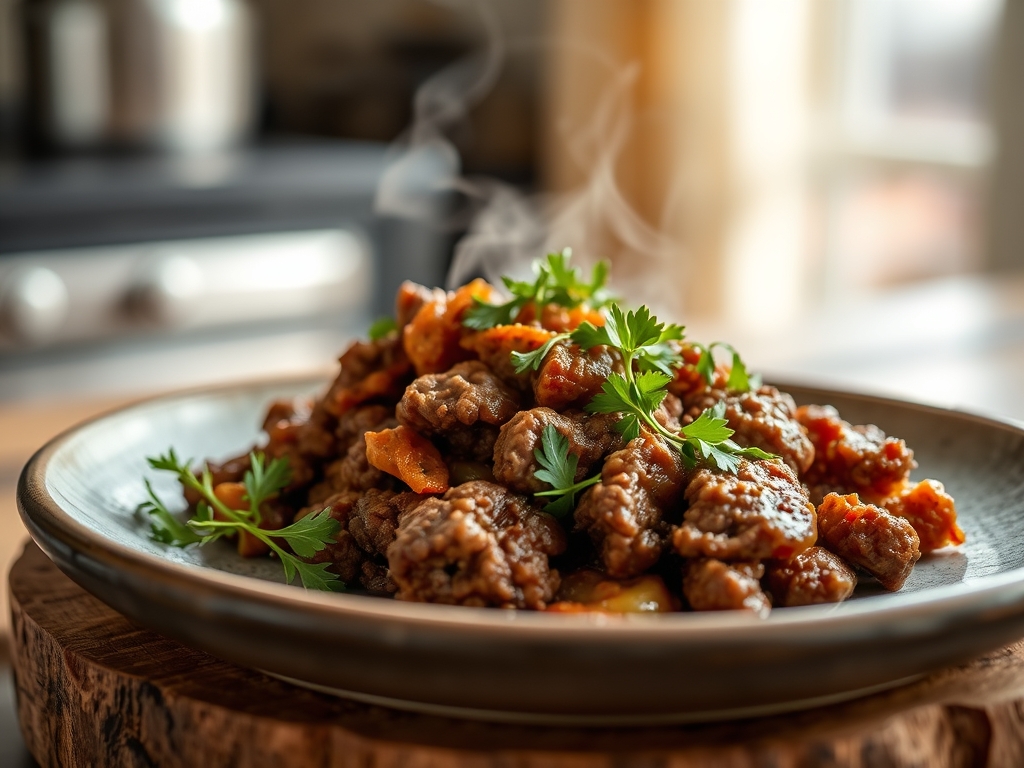
Picture the sound of a heavy bottomed skillet hitting a gas burner. There is a specific, rhythmic sizzle that happens the moment cold protein meets a shimmering layer of oil. That sound is the beginning of something magical. When you are hunting for easy to make ground beef recipes, you are not just looking for a meal; you are looking for a reliable, flavor packed solution to a chaotic Tuesday night. Ground beef is the ultimate culinary chameleon. It is humble, yet it possesses a high surface area to volume ratio that makes it a powerhouse for flavor development. Whether you are craving the piquant kick of a street taco or the soul warming richness of a classic Bolognese, the secret lies in how you treat the fat and the fiber. We are going to move past the basic "brown and drain" method and dive into the molecular mechanics that turn a simple pound of chuck into a five star masterpiece. Get ready to master the art of the sear.
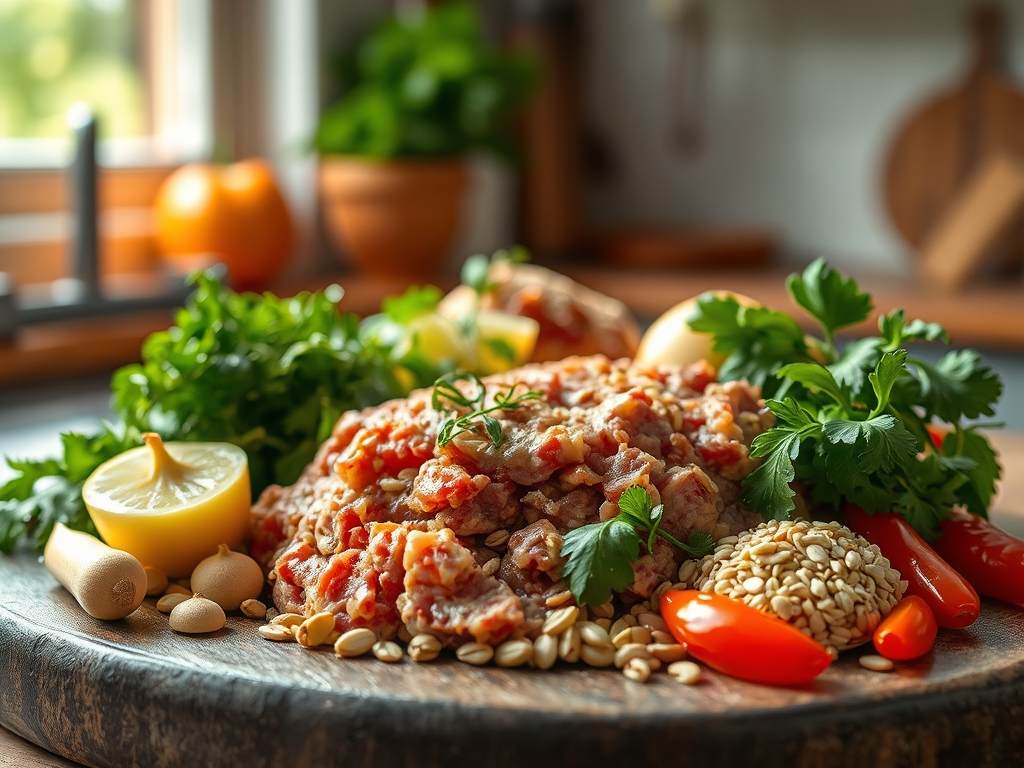
The Gathers:
Before we ignite the flame, we must respect the mise-en-place. For these easy to make ground beef recipes, your primary tool is a heavy-bottomed skillet, preferably cast iron or stainless steel, to ensure even heat distribution. You will also need a digital scale to portion your meat precisely and a microplane for integrating aromatics like garlic and ginger without leaving behind fibrous chunks.
The protein itself should ideally be an 80/20 blend. This ratio provides enough intramuscular fat to render during the cooking process, which essentially "confit" the meat in its own juices. If you are using a leaner 90/10 blend, you must introduce a supplemental lipid, such as avocado oil or clarified butter, to prevent the proteins from becoming desiccated and tough.
Smart Substitutions: If you find yourself without beef, ground lamb offers a more gamey, complex profile that pairs beautifully with rosemary and mint. For a lighter touch, ground turkey can be used, though it requires a "panade" (a mixture of breadcrumbs and milk) to maintain moisture. If you are looking to stretch the meat, finely minced mushrooms offer a brilliant "umami" boost while mimicking the texture of the beef perfectly.
The Clock
Efficiency in the kitchen is about "Chef's Flow." This is the psychological state where your movements are synchronized with the thermal properties of your food. For these seven dishes, expect a preparation window of 15 minutes and a total cook time of 20 to 30 minutes.
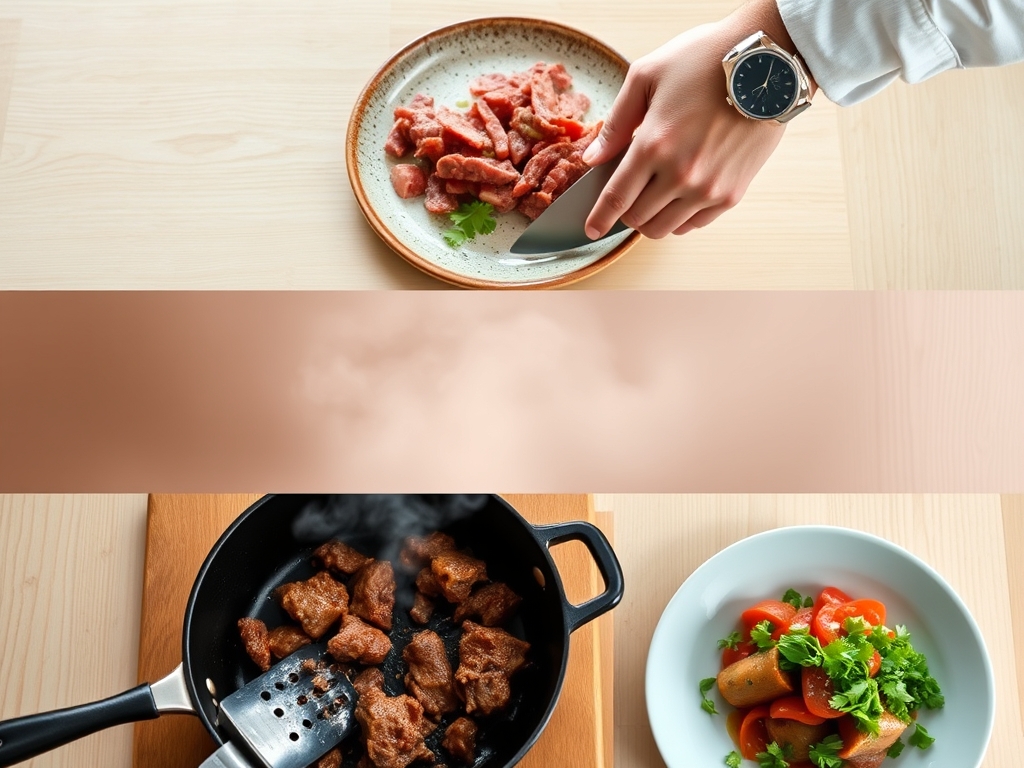
The flow begins with the prep phase, where you use a sharp chef's knife or a bench scraper to organize your aromatics. Next is the searing phase, which is the most critical time investment. You cannot rush the Maillard reaction. If you crowd the pan, the moisture released by the meat will create steam, leading to a grey, boiled texture rather than a crisp, mahogany crust. Finally, the resting phase allows for thermal carryover, where the internal temperature continues to rise slightly after the heat source is removed, ensuring the juices redistribute into the muscle fibers.
The Masterclass
1. The Perfect Smash Burger
Start by portioning your beef into loose spheres. Do not overwork the meat, as this can lead to protein cross-linking, making the burger rubbery. Place the sphere on a screaming hot griddle and use a heavy spatula or a dedicated press to flatten it.
Pro Tip: This technique maximizes the surface area for the Maillard reaction. By smashing the meat, you create a jagged, craggy exterior that traps fats and sugars, resulting in a complex, savory crust that is chemically superior to a thick, steamed patty.
2. Twenty-Minute Beef Stroganoff
Sauté onions and mushrooms in the rendered beef fat until they are translucent. Add a splash of dry sherry to deglaze the pan, lifting the "fond" (the brown bits) from the bottom. Stir in sour cream and dijon mustard at the very end.
Pro Tip: Never boil the sauce once the sour cream is added. High heat will cause the proteins in the dairy to denature and clump, resulting in a broken, grainy sauce rather than a smooth, viscous emulsion.
3. Korean Inspired Beef Bowls
Brown the beef with plenty of minced ginger and garlic. Use a saucier to whisk together soy sauce, toasted sesame oil, and brown sugar. Pour this over the beef and let it simmer until the liquid reduces into a sticky glaze.
Pro Tip: The sugar in the sauce undergoes caramelization at approximately 320 degrees Fahrenheit. This process creates hundreds of new flavor compounds that add a bittersweet depth to the salty soy base.
4. Mediterranean Stuffed Peppers
Mix raw beef with par-boiled rice, feta, and oregano. Stuff this mixture into bell pepper cavities and bake. The moisture from the peppers will steam the meat from the outside in.
Pro Tip: Use a digital thermometer to pull the peppers when the internal beef temperature hits 160 degrees. This accounts for thermal carryover, preventing the beef from becoming dry and crumbly.
5. Classic Beef Tacos with a Twist
Toast your dry spices (cumin, chili powder, smoked paprika) in a dry pan before adding the meat. This "blooms" the fat-soluble volatile oils in the spices, making the flavor more intense and pervasive.
Pro Tip: Adding a teaspoon of cornstarch to your taco seasoning helps create a light, viscous sauce that clings to the meat, preventing the "dry crumble" effect common in home-cooked tacos.
6. Quick Chili Con Carne
Focus on building layers. Sauté your "holy trinity" (onions, celery, peppers) first, then add the beef. Use a heavy-bottomed skillet to ensure the bottom doesn't scorch during the simmer.
Pro Tip: Add a small piece of dark chocolate or a teaspoon of instant espresso. These bitter agents enhance the earthy notes of the chili peppers and provide a darker, more "aged" flavor profile to a quick-cook meal.
7. Beef and Broccoli Stir-Fry
The key here is high heat and speed. Use tongs to toss the beef and broccoli constantly. This ensures that the vegetables stay crisp while the beef develops a "wok hei" or "breath of the wok" charred flavor.
Pro Tip: Velveting the beef with a little cornstarch and egg white before frying creates a protective barrier. This prevents the meat from toughening under intense heat, keeping it tender and "velvety" on the tongue.
The Deep Dive
From a nutritional standpoint, ground beef is a powerhouse of bioavailable iron, B12, and zinc. A standard 4-ounce serving provides roughly 25 grams of protein. If you are following a Keto lifestyle, these recipes are naturally low-carb; just swap the rice for cauliflower rice. For a Vegan alternative, crumbled tempeh or pea-protein crumbles can be treated with the same searing techniques to achieve a similar mouthfeel. To make these dishes Gluten-Free, ensure your soy sauce is replaced with tamari or coconut aminos.
The Fix-It:
- Greasy Sauce: If your sauce looks oily, it has broken. Fix this by adding a tablespoon of hot water and whisking vigorously to re-establish the emulsification.
- Bland Meat: If the beef tastes "flat," it likely lacks acidity. A squeeze of lime or a teaspoon of red wine vinegar will brighten the flavors and balance the fat.
- Tough Texture: This usually happens from over-handling. Next time, use a fork to gently break up the meat in the pan rather than mashing it with a spatula.
Meal Prep Science: When reheating ground beef, the goal is to avoid the "warmed-over flavor" caused by lipid oxidation. Reheat in a skillet with a splash of water or broth and cover with a lid. This creates a steam chamber that gently hydrates the protein without re-cooking it to a rubbery state.
The Wrap-Up
Mastering easy to make ground beef recipes is about more than just following a list of steps; it is about understanding the chemistry of the kitchen. By controlling your heat, respecting the sear, and using the right tools, you can transform basic ingredients into extraordinary experiences. Don't be afraid to experiment with your aromatics or push your sear a little further than usual. Cooking is a tactile, sensory journey, and your kitchen is the laboratory. Now, grab that skillet and go create something delicious!
The Kitchen Table
How do I prevent ground beef from steaming in the pan?
Avoid overcrowding the skillet and ensure the pan is preheated until the oil shimmers. Cook the meat in batches if necessary. This allows moisture to evaporate instantly, facilitating the Maillard reaction for a superior brown crust.
What is the best way to drain excess fat?
Push the cooked meat to one side of the tilted skillet and use a spoon to remove the liquid. Alternatively, use a turkey baster for precision. Never pour grease down the drain, as it solidifies and causes clogs.
Can I cook ground beef straight from the freezer?
It is possible but not recommended for flavor. Frozen meat releases excess moisture as it thaws in the pan, leading to grey, steamed beef. For the best texture, thaw overnight in the refrigerator to maintain structural integrity.
How long does cooked ground beef last in the fridge?
Stored in an airtight container, cooked ground beef remains safe and flavorful for three to four days. For long-term storage, freeze it for up to three months. Always reheat to an internal temperature of 165 degrees Fahrenheit.