
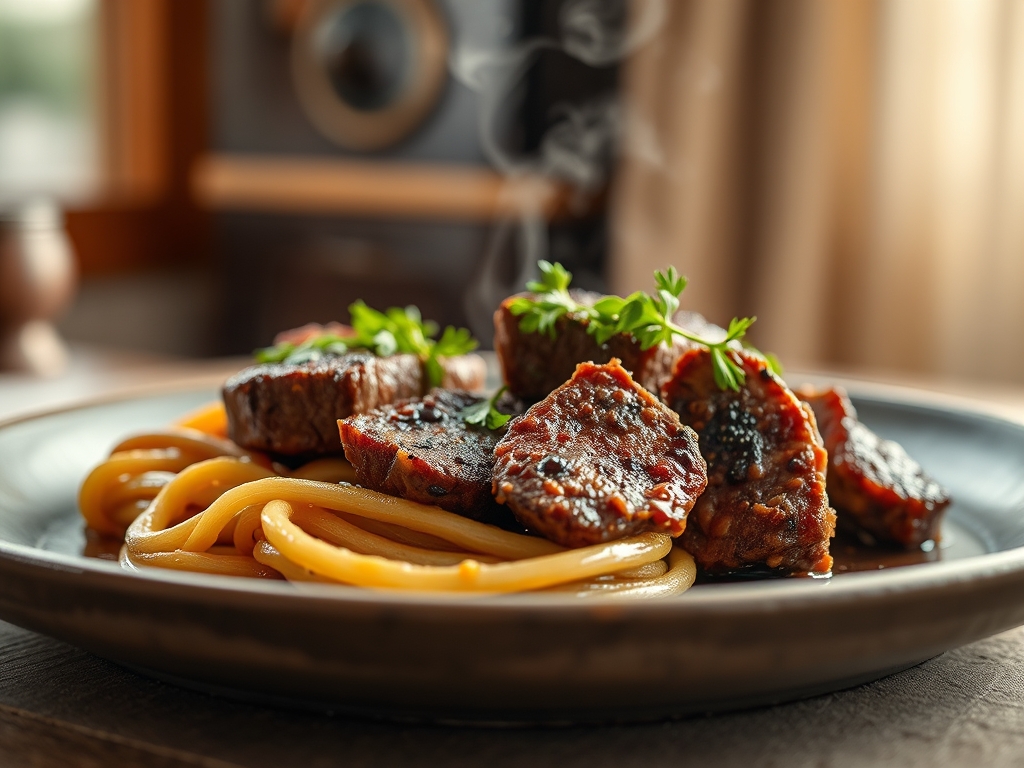
Imagine the sharp, piquant scent of vinegar hitting a searing hot cast iron surface. It is a sensory assault in the best way possible. When you combine the deep, umami richness of seared protein with the bright acidity of cayenne pepper sauce, you unlock a flavor profile that is both nostalgic and sophisticated. Mastering buffalo beef recipes requires more than just dumping a bottle of sauce over ground meat; it is about managing moisture, heat, and fat to create a balanced, addictive glaze. We are moving past the chicken wing and elevating beef to its rightful place as the ultimate vessel for spice.
The magic happens when the fat from the beef emulsifies with the butter in the buffalo sauce. This creates a glossy, viscous coating that clings to every fiber of the meat rather than pooling at the bottom of the bowl. Whether you are tossing crispy shredded brisket in a spicy glaze or folding buffalo-infused chuck into a taco, the goal is a perfect marriage of heat and richness. You want that signature zing that makes the back of your throat tingle, balanced by the savory depth that only high-quality beef can provide. Get your heavy-bottomed skillet ready because we are about to transform your weeknight rotation with these bold, fiery buffalo beef recipes.
The Gathers:
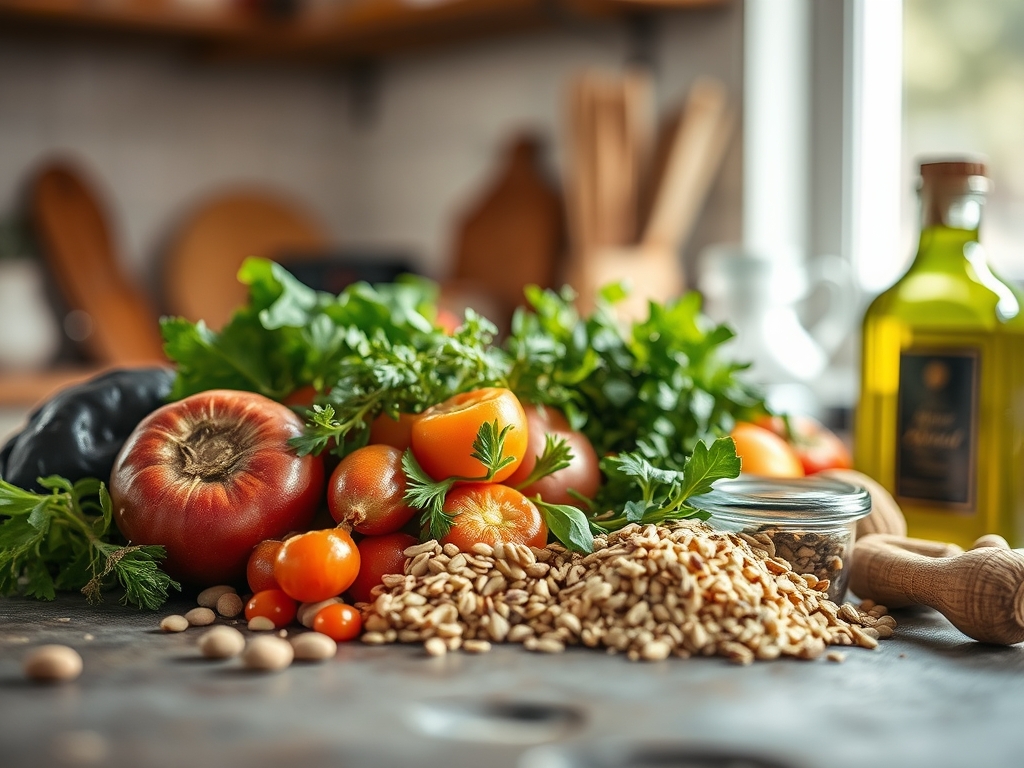
To execute these buffalo beef recipes with professional precision, your mise-en-place must be impeccable. Start with your protein. For ground applications, aim for an 80/20 lean-to-fat ratio. This specific ratio ensures there is enough rendered fat to facilitate the Maillard reaction without drowning the dish in grease. If you are using steak cuts like flank or skirt, ensure they are chilled before slicing; this allows for thinner, more uniform strips that cook evenly.
Your sauce base is equally critical. You need a high-quality aged cayenne pepper sauce, unsalted European-style butter for its lower water content, and a touch of Worcestershire sauce to deepen the savory notes. Use a microplane to grate fresh garlic into a paste; this ensures the garlic flavor permeates the sauce without leaving bitter, burnt chunks in the pan. Have your digital scale ready to measure out your spices, as precision prevents the cayenne from overwhelming the delicate nuances of the beef.
Smart Substitutions:
If you are looking to lighten the load, swap the butter for an avocado oil-based mayonnaise to achieve a similar creamy emulsion with less saturated fat. For those avoiding nightshades, a "no-mato" buffalo sauce made from roasted beets, carrots, and plenty of ginger can mimic the color and bite. If you lack a specific cut of beef, remember that toughness can be mitigated. A dash of baking soda mixed into leaner ground beef (a technique called velveting) can keep the meat tender even under the high heat required for these buffalo beef recipes.
The Clock
The "Chef's Flow" is all about overlapping tasks to maximize efficiency. Total active prep time for most buffalo beef recipes sits around 20 minutes, with cook times ranging from 10 minutes for stir-fries to 4 hours for slow-braised buffalo short ribs. The secret is to prepare your cold elements, like blue cheese slaw or celery curls, while the beef is searing. This prevents the hot meat from sitting and losing its structural integrity while you chop vegetables.
Always factor in a five-minute rest period for your beef. This allows the muscle fibers to relax and reabsorb the juices. If you cut into the meat too early, the moisture will leak out, thinning your buffalo sauce and ruining the emulsion. Use a digital thermometer to track internal temperatures; for buffalo beef, you generally want to pull the meat 5 degrees before your target to account for thermal carryover.
The Masterclass
1. The High-Heat Sear
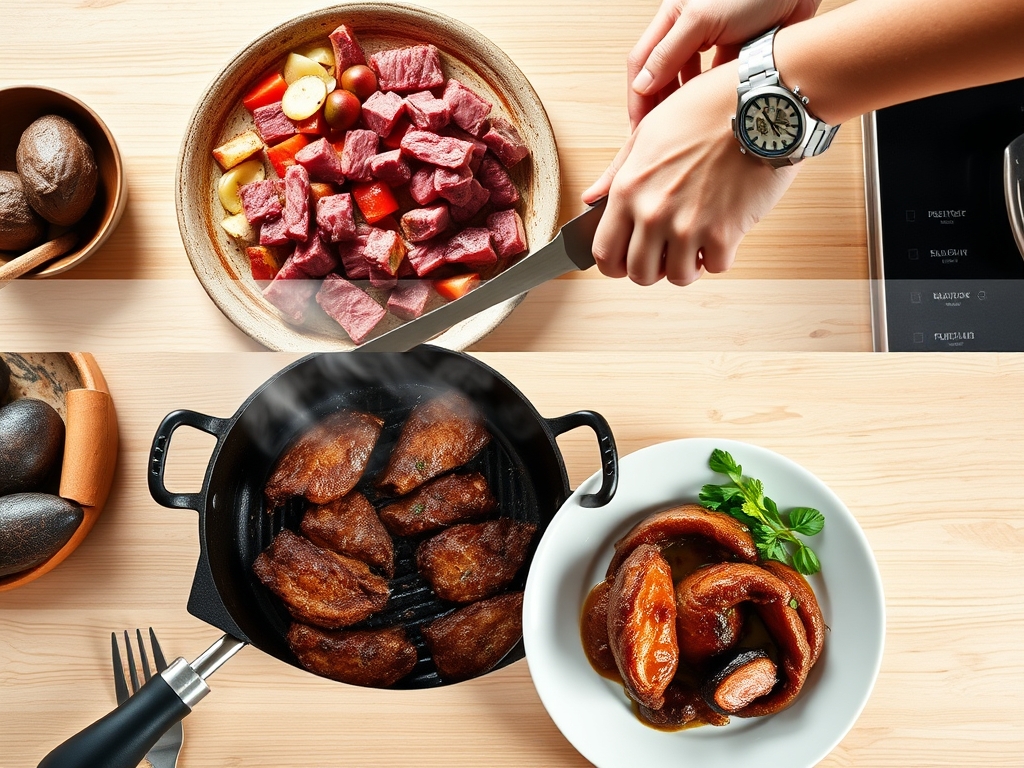
Place your heavy-bottomed skillet over medium-high heat until it wisps with smoke. Add a high-smoke-point oil and lay your beef in a single layer. Do not crowd the pan. Let the meat sit undisturbed for at least three minutes to develop a dark, crusty exterior.
Pro Tip: This is the Maillard reaction in action. By leaving the meat alone, you allow the amino acids and reducing sugars to reorganize into hundreds of flavor compounds. If you stir too early, you drop the pan temperature and steam the meat instead of searing it.
2. Deglazing the Fond
Once the beef is browned, remove it and look at the brown bits stuck to the pan. This is "fond," or liquid gold. Pour in a splash of beef stock or a dry white wine and use a bench scraper or wooden spoon to lift those bits into the liquid.
Pro Tip: Deglazing captures the concentrated beef essence. The liquid acts as a solvent, dissolving the caramelized proteins so they can be re-incorporated into your buffalo sauce for a more complex flavor profile.
3. Creating the Emulsion
Lower the heat to medium and add your buffalo sauce base. Slowly whisk in cold cubes of butter one at a time using a saucier or whisk. The sauce should transform from a translucent red to an opaque, creamy orange.
Pro Tip: This is a fat-in-water emulsion. By using cold butter and constant agitation, you prevent the milk solids from separating. This results in a "veloute-like" texture that coats the beef perfectly.
4. The Final Toss and Infuse
Return the beef to the pan and toss vigorously. Ensure every nook and cranny of the meat is saturated. Allow it to simmer for just sixty seconds to let the heat penetrate the core of the protein without overcooking the exterior.
Pro Tip: This final step utilizes osmosis. The salt and acid in the sauce begin to penetrate the outer layers of the beef, ensuring the flavor is not just on the surface but starts to move into the meat itself.
The Deep Dive
When we look at the macro nutrition of buffalo beef recipes, we are dealing with a high-protein, moderate-to-high-fat profile. A standard serving provides roughly 30 grams of protein. To balance the acidity and sodium, pair these dishes with complex carbohydrates like roasted sweet potatoes or quinoa.
Dietary Swaps:
- Keto: Replace any honey or sugar in the sauce with liquid monk fruit and serve over cauliflower rice.
- Vegan: While we are focusing on beef, you can use the same sauce technique on "beefy" soy crumbles or seitan.
- Gluten-Free: Ensure your Worcestershire sauce is certified GF, as some brands use barley malt vinegar.
The Fix-It:
- Sauce is too thin: Whisk in a "slurry" of one teaspoon of cornstarch and cold water. The starch granules will swell and trap the liquid, thickening it instantly.
- Meat is tough: You likely skipped the rest period or overcooked it. Next time, use a digital scale to ensure consistent patty or strip size for even cooking.
- Too much heat: Do not add water; add fat. A dollop of sour cream or extra butter will coat the capsaicin molecules and prevent them from binding as aggressively to your pain receptors.
Meal Prep:
To maintain "day-one" quality, store the beef and sauce separately from any fresh garnishes. When reheating, avoid the microwave if possible. Instead, use a small frying pan over low heat with a teaspoon of water. This creates a small amount of steam that re-hydrates the protein without making it rubbery.
The Wrap-Up
Buffalo beef recipes are the ultimate culinary pivot. They take the aggressive, bold energy of a sports bar favorite and refine it into a versatile dinner staple. By understanding the science of the sear and the chemistry of a perfect emulsion, you can turn a simple pound of beef into a gourmet experience. Remember to trust your tools; use that heavy-bottomed skillet and your digital thermometer to take the guesswork out of the process. Now, go forth and get spicy!
The Kitchen Table
How do I stop my buffalo sauce from breaking?
Keep the heat low and whisk in cold butter gradually. If the sauce separates into oil and solids, add a teaspoon of warm water and whisk vigorously to re-emulsify the fats into the liquid base.
What is the best cut of beef for buffalo recipes?
For quick sears, use flank or skirt steak. For slow cooking, choose chuck roast or short ribs. For budget-friendly weeknight meals, an 80/20 ground chuck provides the best balance of flavor and fat for the sauce.
Can I make buffalo beef in a slow cooker?
Yes. Sear the beef first to develop flavor, then cook on low. Add the butter and extra hot sauce at the very end to ensure the emulsion stays fresh and the flavors remain bright and piquant.
How can I make the beef extra crispy?
Toss your beef strips in a light coating of cornstarch before searing. The starch absorbs surface moisture and creates a dehydrated "crust" that becomes incredibly crunchy when it hits the hot oil in your skillet.