
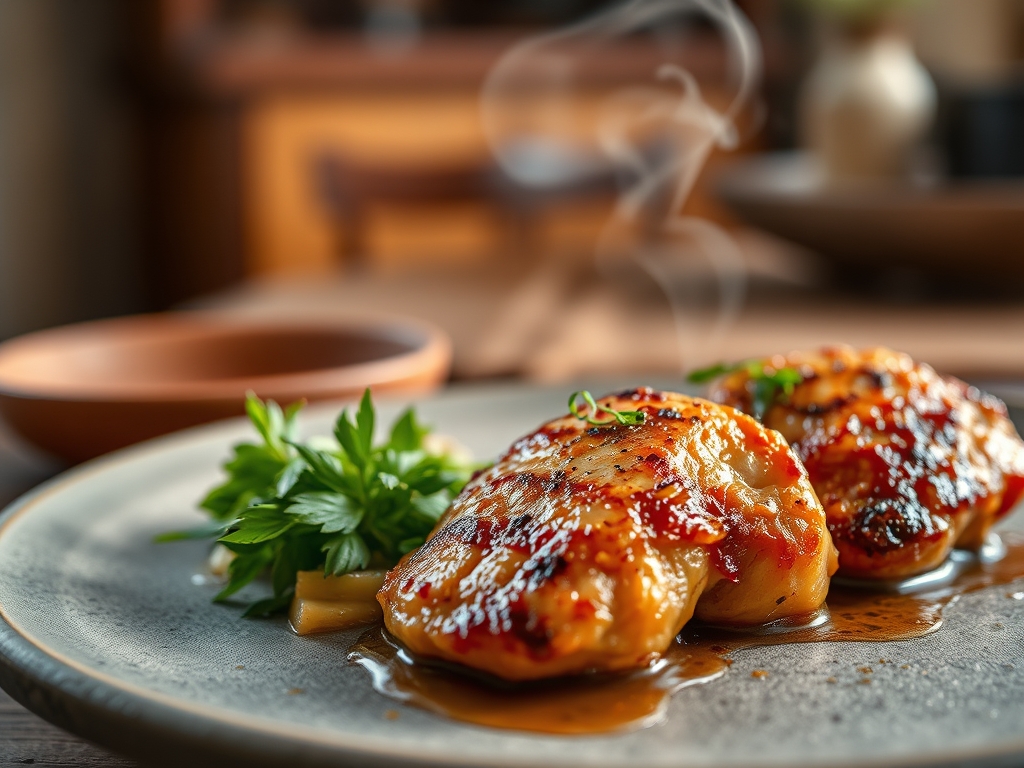
Imagine the scent of caramelized shallots colliding with the deep, oaky sweetness of a fortified wine as it hits a searing hot pan. This is the sensory hallmark of the best madeira chicken recipes. It is a dish that balances rustic comfort with high-end bistro elegance; providing a velvet sauce that clings to golden poultry.
Success in the kitchen is rarely about luck. It is about the deliberate application of heat and the chemistry of deglazing. When you master madeira chicken recipes, you are essentially learning the art of the pan sauce. You are taking simple proteins and elevating them through the Maillard reaction and the emulsification of cold fats into a reduced, vinous liquid. It is a transformation that feels like magic but relies entirely on your ability to control evaporation and salt. We are going to dive into eight variations of this classic, ranging from the traditional mushroom-heavy version to modern, bright iterations that utilize citrus and fresh herbs. Grab your favorite heavy-bottomed skillet and let us get to work.
The Gathers:
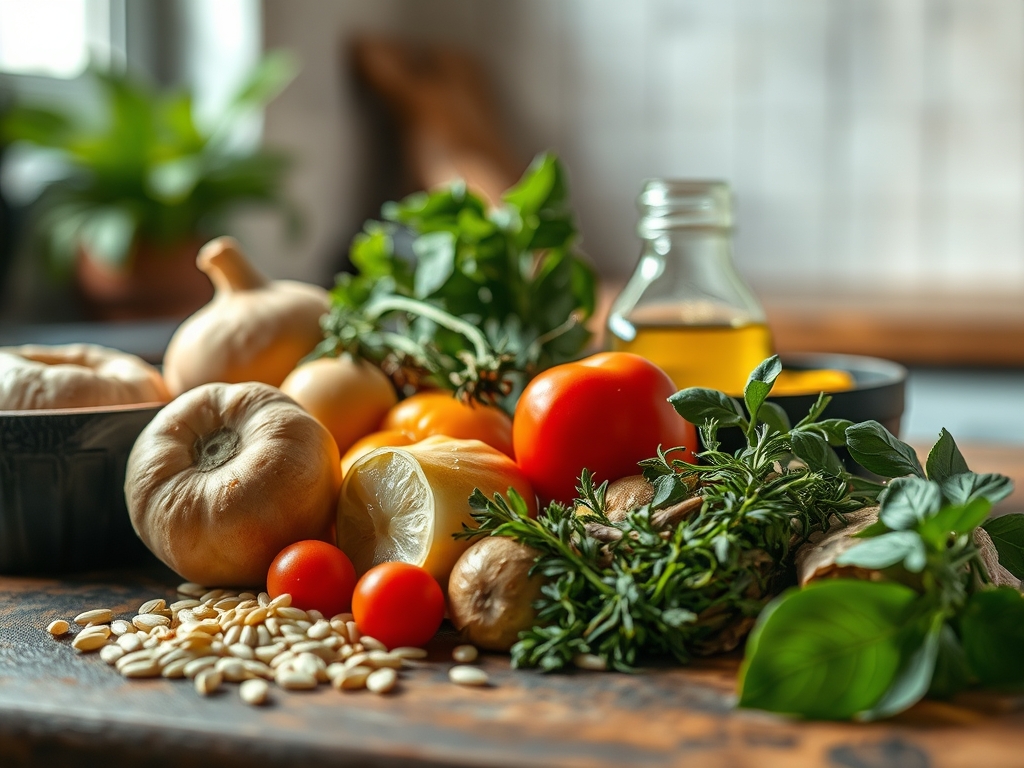
To execute these madeira chicken recipes with precision, your mise-en-place must be flawless. Start with six to eight ounces of organic chicken breasts or thighs; sliced thin to ensure rapid protein denaturation without drying out the interior. You will need high-quality Madeira wine. Do not settle for "cooking wine" found in the vinegar aisle. Look for a Sercial or Verdelho for a drier profile, or a Malmsey if you prefer a viscous, dessert-like finish to your sauce.
Your vegetable aromatics are the foundation. Gather eight ounces of cremini or shiitake mushrooms. These fungi contain high levels of glutamate, which provides the savory "umami" punch that defines the dish. You will also need finely minced shallots, fresh garlic, and a sprig of thyme. For the fat component, keep four tablespoons of unsalted European-style butter chilled. The higher fat-to-water ratio in European butter ensures a glossier emulsion.
Smart Substitutions:
If you cannot find Madeira, a dry Marsala or a dark Sherry can act as a structural stand-in, though the flavor profile will shift toward the nutty side. For a non-alcoholic version, use a high-quality beef bone broth fortified with a tablespoon of balsamic vinegar to mimic the acidity and depth of the wine. If you are avoiding dairy, a cold cashew cream can replace the butter, though you must whisk vigorously to prevent separation.
The Clock
Efficiency in the kitchen is defined by "Chef's Flow." This is the ability to overlap tasks so that no heat is wasted. For these madeira chicken recipes, expect a total commitment of forty minutes. Your prep time will take roughly fifteen minutes; this includes slicing the mushrooms and pounding the chicken to a uniform thickness of half an inch. A uniform thickness is non-negotiable for even thermal conduction.
The cook time is a fast-paced twenty-five minutes. You will spend eight minutes on the initial sear, five minutes on the mushroom reduction, and the final twelve minutes on the sauce development and simmering. The flow is simple: while the chicken rests and undergoes thermal carryover, you build the sauce in the same pan to capture every molecule of fond.
The Masterclass
1. The Sear and Fond Development
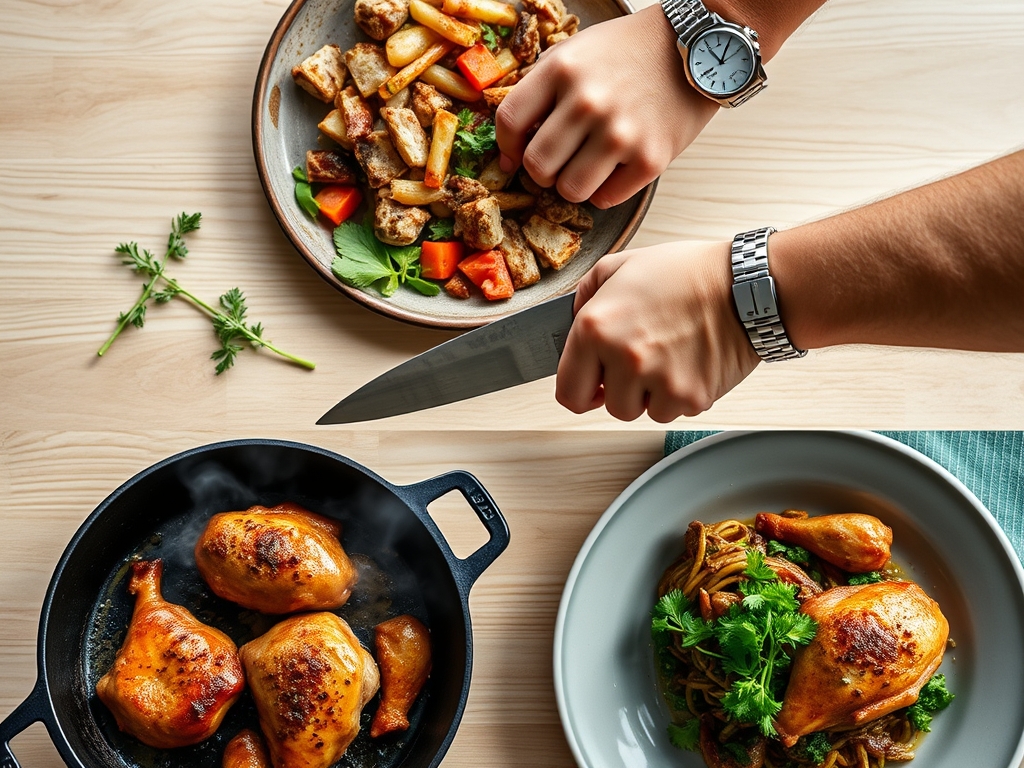
Dust your chicken lightly with seasoned flour and place it into a shimmering, oil-coated heavy-bottomed skillet. Use stainless steel or cast iron rather than non-stick to ensure you create a "fond," which are the browned bits of protein stuck to the pan.
Pro Tip: This is the Maillard reaction in action. By keeping the heat high and the pan uncrowded, you are rearranging amino acids and sugars to create hundreds of new flavor compounds. Do not flip the meat until it releases naturally from the pan.
2. The Mushroom Reduction
Remove the chicken and add your sliced mushrooms to the dry pan. Do not add fat immediately. Let the mushrooms release their internal moisture and brown in the residual chicken fat.
Pro Tip: Mushrooms are cellular sponges. By allowing them to release their water before adding butter, you prevent them from becoming "rubbery." This process concentrates the guanylate levels, which intensifies the savory flavor.
3. Deglazing the Saucier
Pour in your Madeira wine while the pan is still hot. Use a wooden spoon or a bench scraper to lift the fond from the bottom of the skillet. The liquid should bubble violently and reduce by half.
Pro Tip: Deglazing is a chemical solvent process. The alcohol and acidity in the wine dissolve the caramelized proteins, integrating them into a viscous reduction that serves as the backbone of your sauce.
4. The Emulsification (Monte au Beurre)
Lower the heat to a simmer and whisk in your cold butter, one tablespoon at a time. The goal is to create a stable emulsion where the fat is suspended in the wine reduction.
Pro Tip: This is known as Monte au Beurre. If the sauce gets too hot, the emulsion will "break," and the fat will separate. Keeping the butter cold allows it to melt slowly, giving the milk solids time to bind the liquid into a silky texture.
5. The Final Infusion
Return the chicken to the pan along with any accumulated juices. Add a splash of heavy cream if you are following the more indulgent madeira chicken recipes, and garnish with fresh parsley or chives.
Pro Tip: Pay attention to thermal carryover. The chicken will continue to rise in temperature by about five degrees after being removed from the heat. Pulling the meat at 160 degrees Fahrenheit ensures it reaches the safe 165 mark without becoming stringy.
The Deep Dive
Macro Nutrition: A standard serving of madeira chicken provides approximately 350 to 450 calories. It is high in bioavailable protein (roughly 35g) and moderate in fats. The mushrooms contribute essential B vitamins and selenium, making this a nutrient-dense choice despite its "luxury" reputation.
Dietary Swaps:
- Keto: Omit the flour dredging and use heavy cream instead of a flour-based thickener.
- Vegan: Use "soy curls" or thick-cut cauliflower steaks. Replace the butter with a high-quality vegan butter alternative containing pea protein for better emulsification.
- Gluten-Free: Use cornstarch or a gluten-free all-purpose blend for the initial dusting.
The Fix-It:
- The Sauce is Too Thin: Continue to simmer on low heat to evaporate more water, or whisk in a tiny "slurry" of cornstarch and water.
- The Sauce Broke (Oily): Remove from heat and whisk in a teaspoon of cold heavy cream or a splash of water to re-emulsify the fats.
- The Chicken is Tough: This usually means it was overcooked. Next time, use a digital thermometer to pull the meat earlier. To fix it now, slice it thin against the grain and let it soak in the warm sauce.
Meal Prep: To maintain "day-one" quality, store the sauce and chicken separately if possible. When reheating, use a saucier over low heat and add a tablespoon of water. This prevents the sauce from breaking in the microwave and keeps the protein from becoming rubbery through rapid agitation.
The Wrap-Up
Mastering madeira chicken recipes is a rite of passage for any home cook looking to bridge the gap between "dinner" and "cuisine." It is a dish that demands your attention but rewards you with a profile that is complex, salty, and deeply satisfying. Whether you are serving this over a bed of buttery mashed potatoes or alongside crisp asparagus, the technique remains the same. Focus on the sear, respect the reduction, and never underestimate the power of a cold pat of butter. Now, go turn your kitchen into the best bistro in town.
The Kitchen Table
Can I use a different wine for Madeira chicken?
Yes; while Madeira is traditional, you can substitute with dry Marsala or Sherry. The flavor will be slightly different, but the chemical process of deglazing and reducing the sugars remains the same for a successful sauce.
How do I prevent my mushrooms from getting soggy?
Avoid crowding the pan and salt them only at the end. High heat allows the moisture to evaporate instantly rather than steaming the mushrooms in their own juices; ensuring a firm, meaty texture and deep browning.
Is Madeira chicken gluten-free?
It can be; simply swap the traditional flour coating for a gluten-free alternative or omit it entirely. The sauce thickens primarily through reduction and emulsification with butter, so flour is not strictly necessary for the liquid component.
What is the best way to reheat leftovers?
Reheat gently in a skillet over low heat with a splash of broth or water. Avoid high microwave settings, as they can cause the butter emulsion to break; resulting in a greasy sauce rather than a creamy one.