
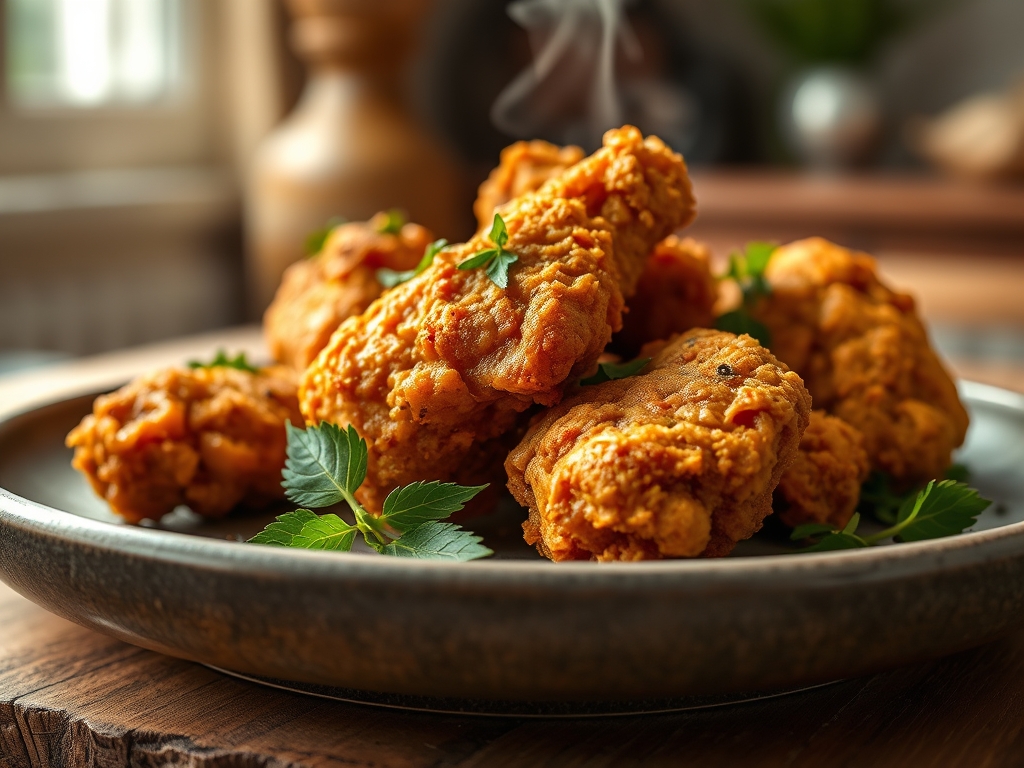
Imagine the sound of a structural shatter. That is the precise moment your teeth break through a pressurized, golden crust into a pocket of steam and salt. We are not talking about the greasy, heavy aftermath of a deep fryer; we are talking about the high velocity precision of convection. Mastering fried chicken recipes for air fryer use is less about following a recipe and more about engineering a heat storm. It is about manipulating the Maillard reaction without the vat of shimmering oil. You want that piquant kick and that specific, craggy texture that usually requires a heavy bottomed skillet and a gallon of peanut oil. However, with a few scientific pivots, we can achieve that exact crunch using nothing but concentrated airflow and a light mist of fat. It is time to stop settling for "good for an air fryer" and start demanding "better than the original." We are diving into the molecular mechanics of the perfect bird, ensuring every fiber of meat is infused with flavor while the exterior remains a shatteringly crisp masterpiece.
The Gathers:
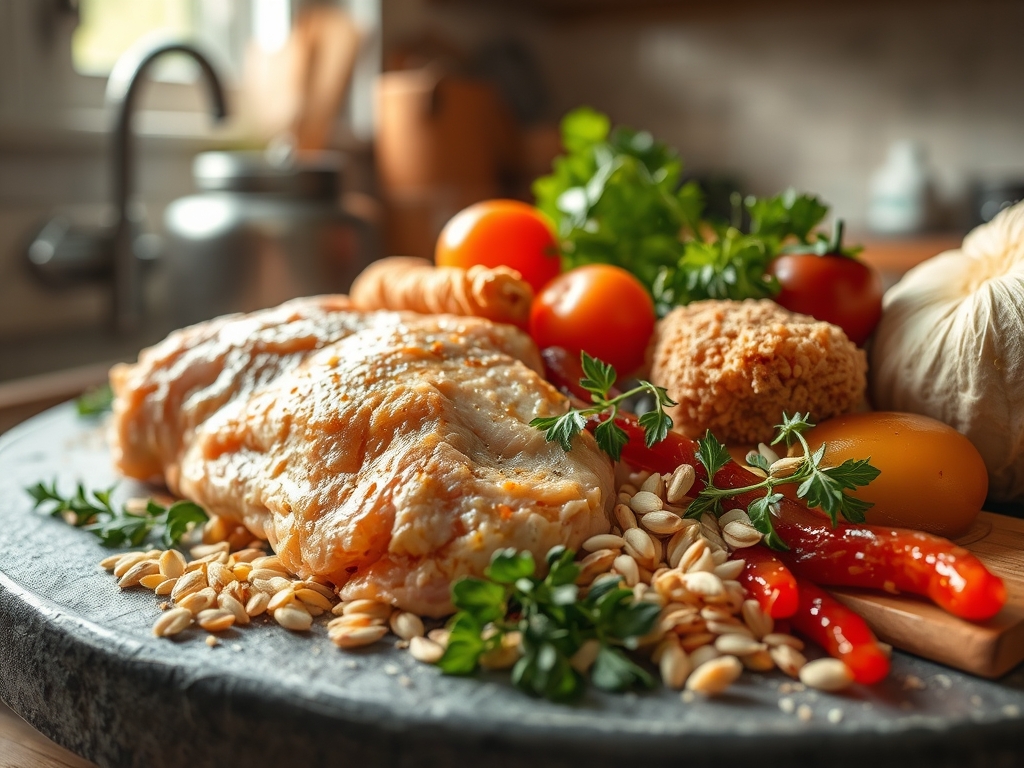
To begin, we must assemble our laboratory. You will need a digital scale for precision; weight is always more accurate than volume when dealing with flour and starches. Gather high quality chicken thighs or drumsticks. Dark meat is more forgiving because its higher fat content allows it to render slowly, keeping the interior succulent while the outside crisps. For the coating, we use a blend of all purpose flour and cornstarch. This ratio is vital because cornstarch prevents gluten development, leading to a more brittle, crispier shell.
Your spice cabinet is your best friend here. Use a microplane to grate fresh garlic and onion into your marinade for a more viscous and intense flavor profile. You will also need buttermilk; the lactic acid acts as a gentle enzymatic tenderizer. Smart substitutions are key here. If you are out of buttermilk, whisk whole milk with a tablespoon of lemon juice and let it sit for ten minutes to curdle. If you want a deeper umami profile, add a splash of fish sauce or soy sauce to your brine. It will not taste like fish; it will simply amplify the savory notes of the poultry.
The Clock
The "Chef's Flow" is all about managing your timeline to ensure the chicken is neither cold nor overcooked. Your active prep time is roughly 20 minutes, but the passive time is where the magic happens. A minimum two hour brine is non negotiable. This allows the salt to penetrate the protein cells through osmosis, seasoning the meat to the bone.
The cooking phase takes approximately 18 to 22 minutes depending on the size of your pieces. However, you must factor in the "rest." Allow five minutes for the chicken to sit on a wire rack after cooking. This prevents the bottom from becoming soggy and allows for thermal carryover, where the internal temperature rises slightly to reach safety without drying out the exterior. Total time from fridge to plate is about 2 hours and 45 minutes.
The Masterclass
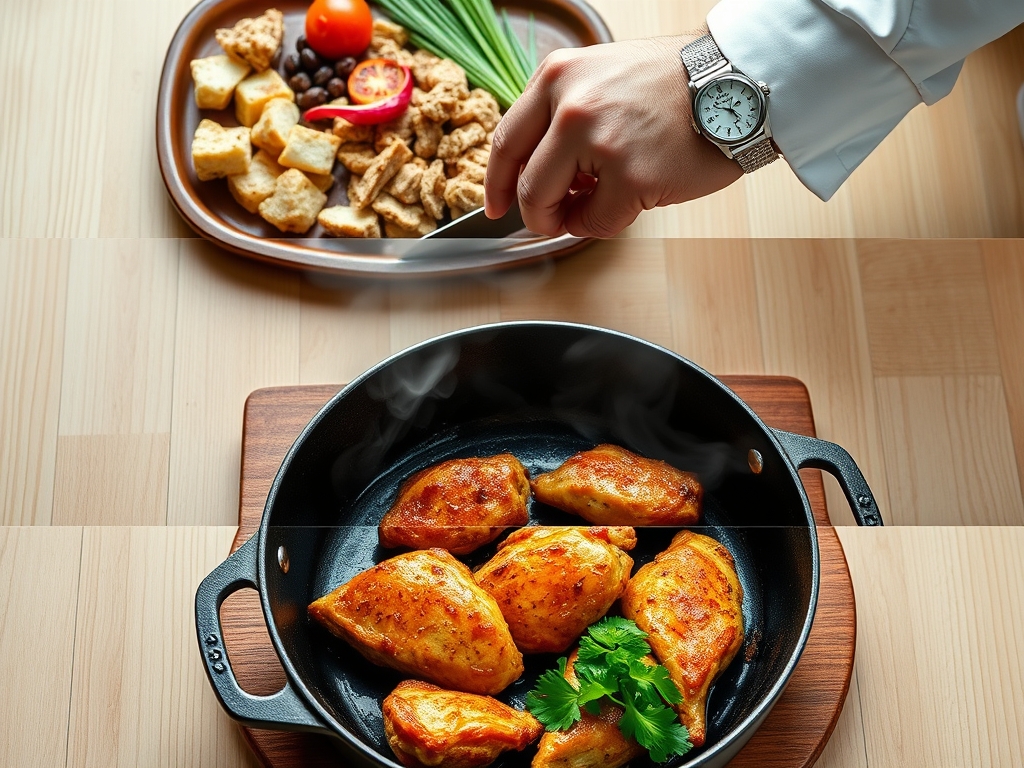
1. The Acidic Brine Soak
Submerge your chicken in a mixture of buttermilk, hot sauce, and spices. Ensure every piece is fully coated. This is not just for flavor; it creates a sticky surface for the flour to adhere to later.
Pro Tip: The lactic acid in buttermilk breaks down protein strands. This enzymatic tenderization ensures that even if the air fryer runs hot, the meat remains tender rather than stringy.
2. The Double Dredge Technique
Whisk your flour, cornstarch, and spices in a shallow bowl. Take a piece of chicken from the brine, drop it in the flour, press firmly, dip it back into the brine, and flour it again. This creates those "crags" and "nooks" that catch the air.
Pro Tip: This creates a multi layered barrier. The second layer of flour acts as an insulator, protecting the inner juices from evaporating too quickly in the high speed air stream.
3. The Hydration Rest
Place your dredged chicken on a wire rack for 10 minutes before cooking. The flour should look "damp" or "pasty" before it hits the air fryer basket.
Pro Tip: This allows the starch to fully hydrate. If you put dry, powdery flour into an air fryer, the fan will simply blow it off or leave you with white, chalky patches.
4. The Pre Heat Protocol
Set your air fryer to 390 degrees Fahrenheit and let it run empty for at least 5 minutes. You want the basket and the air to be screaming hot the moment the chicken enters.
Pro Tip: A hot start triggers immediate Maillard browning. This rapid chemical reaction between amino acids and reducing sugars is what creates that distinct "fried" flavor.
5. The Oil Mist Application
Use a high smoke point oil like avocado or grapeseed oil. Lightly spray the chicken until no dry flour is visible. Do not use aerosol sprays with lecithin, as they can damage the non stick coating of your basket.
Pro Tip: Fat is a heat conductor. Without a thin layer of oil, the air cannot transfer heat efficiently to the starch, resulting in a leather like texture instead of a crunch.
6. The Single Layer Rule
Arrange the chicken in the basket with at least half an inch of space between each piece. Use tongs to place them carefully so you do not knock off the breading.
Pro Tip: Air fryers rely on "cyclonic" air movement. Crowding the basket creates "cold spots" where steam gets trapped, leading to a soggy, pale crust.
7. The Mid Point Flip
At the 10 minute mark, use your tongs to flip the chicken. This is also the time to give any remaining dry spots a tiny extra spritz of oil.
Pro Tip: Flipping ensures that the "contact points" where the chicken touches the basket also get exposure to the moving air, preventing a "bald spot" on your crust.
8. The Internal Temp Check
Use a digital probe thermometer to check the thickest part of the meat. You are looking for 165 degrees Fahrenheit for white meat and 175 degrees for dark meat.
Pro Tip: Dark meat contains more collagen. Taking it to 175 degrees allows that collagen to melt into gelatin, which provides a much richer, more succulent mouthfeel.
9. The Wire Rack Finish
Never place finished chicken directly on a plate or paper towel. Move it immediately to a clean wire rack set over a baking sheet.
Pro Tip: Placing hot chicken on a flat surface traps steam underneath. This moisture will migrate back into the crust, destroying the crunch you just worked so hard to build.
The Deep Dive
From a macro nutrition perspective, air fried chicken is a revelation. You are looking at roughly 60 percent less fat than traditional deep fried versions, while maintaining a high protein count. For those with dietary restrictions, this process is incredibly flexible. To make this Keto, swap the flour and cornstarch for a mix of crushed pork rinds and parmesan cheese. For a Gluten Free version, use a blend of rice flour and potato starch; rice flour is exceptionally good at staying crisp under high heat.
If you run into trouble, remember "The Fix-It" guide. If your chicken is "Chalky," you didn't use enough oil spray or didn't let the flour hydrate. If it is "Tough," you likely skipped the buttermilk brine. If the "Breading Falls Off," you handled the chicken too much while it was wet. To reheat leftovers, skip the microwave. Place them back in the air fryer at 350 degrees for 4 minutes. The moving air will re render any residual fat, returning the crust to its day one glory.
The Wrap-Up
You are now equipped with the technical prowess to dominate any fried chicken recipes for air fryer challenge. It is all about the marriage of moisture management and thermal dynamics. By respecting the brine, hydrating your starch, and ensuring proper airflow, you are creating a culinary experience that rivals any high end kitchen. Go forth, use your tongs with confidence, and enjoy the most satisfying crunch of your life.
The Kitchen Table
Can I use frozen chicken for this recipe?
It is not recommended. For the dredge to adhere and the meat to cook evenly, you must thaw the chicken completely. Frozen meat releases too much moisture, which will turn your breading into a gummy, unappealing mess.
What is the best oil for air frying?
Select an oil with a high smoke point, such as avocado, peanut, or grapeseed oil. Avoid extra virgin olive oil or butter, as they can burn at 390 degrees, creating a bitter flavor and excess smoke in your kitchen.
Why is my air fryer chicken dry?
Dryness usually stems from overcooking or using lean breast meat without a brine. Always use a digital thermometer to pull the chicken at the correct internal temperature and stick to bone in thighs for the juiciest results.
How do I get the flour to stay on?
The secret is the "hydration rest." Let the breaded chicken sit for 10 minutes before cooking. This allows the buttermilk to soak into the flour, creating a glue like bond that prevents the coating from blowing off.