
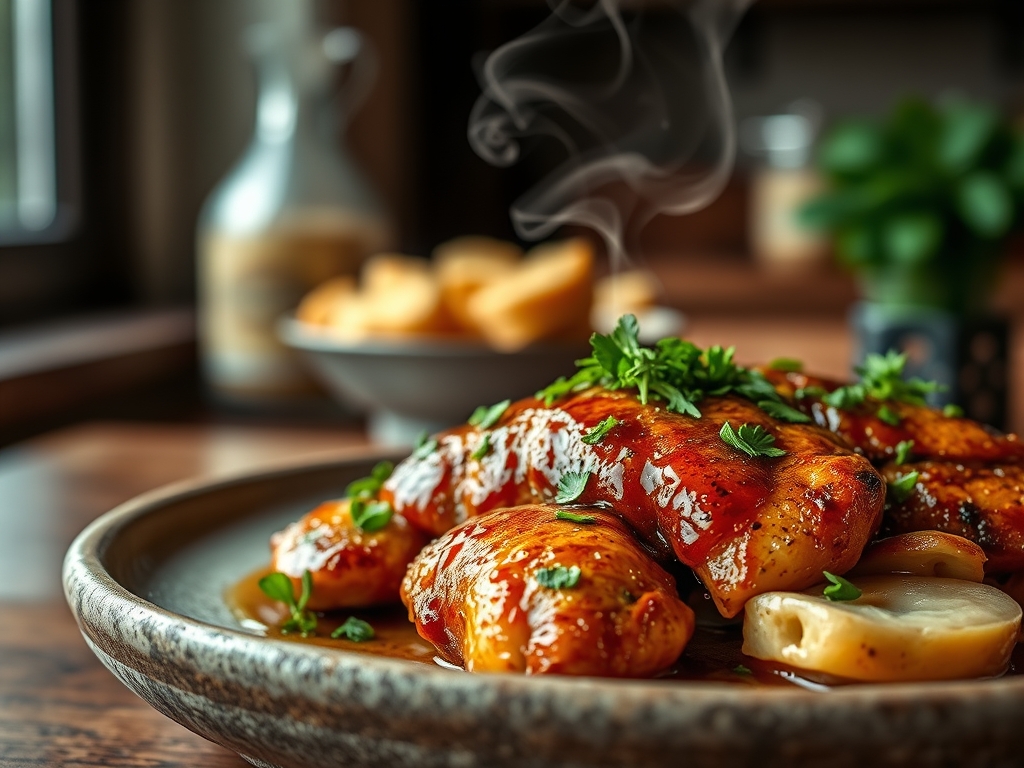
Picture the scene: your kitchen is filled with the scent of smoldering adobo peppers and the floral, heavy sweetness of wildflower honey. It is a scent that bridges the gap between a high-end smokehouse and a boutique honey farm. When we talk about honey chipotle chicken recipes, we are not just talking about dinner; we are discussing a masterclass in flavor balancing. You are taking the aggressive, capsaicin-heavy heat of the chipotle and taming it with the viscous, golden sugars of honey. It is a chemical handshake that results in a sticky, charred glaze that clings to the protein with stubborn intensity. This is the ultimate weeknight flex because it feels like a professional labor of love, yet it relies on smart pantry staples and a few key technical moves. Grab your favorite heavy-bottomed skillet and let us dive into the mechanics of the perfect sear.
The Gathers:
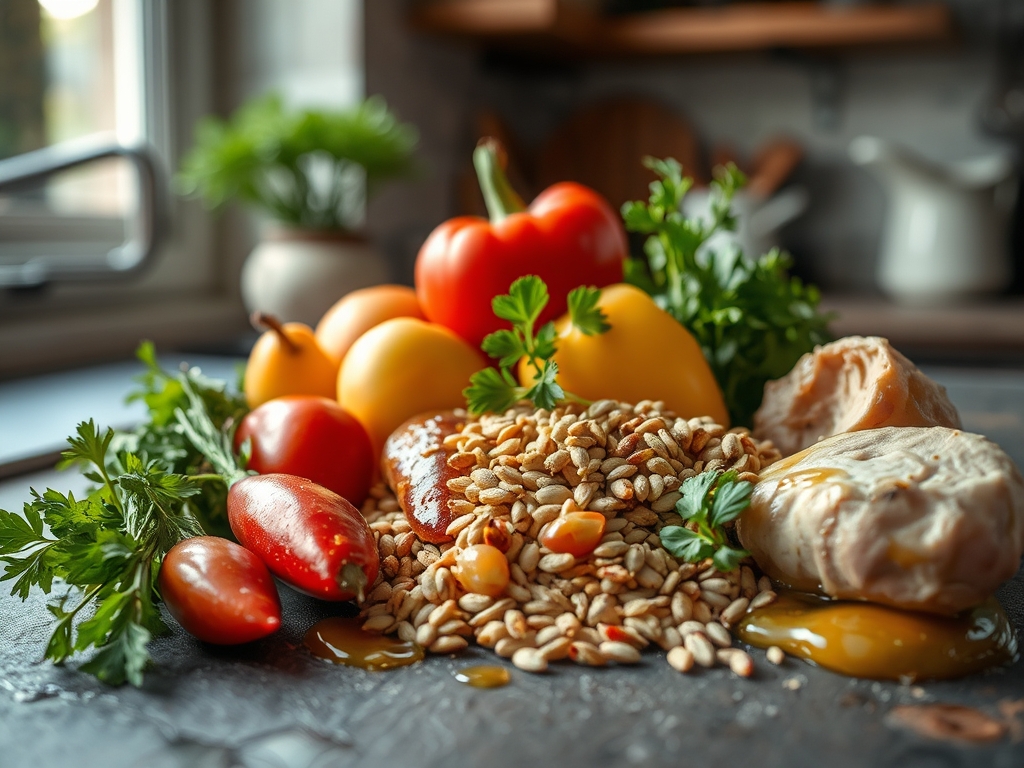
To execute these honey chipotle chicken recipes with precision, your mise-en-place must be tight. Start with your protein: six ounces of boneless, skinless chicken thighs or breasts per person. Thighs are preferable because the higher intramuscular fat content provides a buffer against the high heat required for glazing. You will need a small jar of chipotle peppers in adobo sauce. These are actually smoke-dried jalapeños that have been rehydrated in a piquant vinegar and tomato puree. For the honey, aim for a raw, unfiltered variety; its complex enzyme profile adds more depth than processed clover honey.
You will also need a microplane for grating fresh garlic and ginger directly into the marinade. This creates a fine paste that increases surface area, allowing the aromatics to infuse the oil more efficiently. Keep a digital scale nearby to ensure your honey-to-acid ratio is exactly 2:1. This ratio ensures the glaze is thick enough to coat the back of a spoon without becoming cloying.
Smart Substitutions: If you find yourself out of chipotles, a blend of smoked paprika and a dash of cayenne can mimic the profile. For a vegan alternative, firm pressed tofu or cauliflower florets work beautifully. If you are watching your sugar intake, a sugar-free maple syrup or an allulose-based sweetener can stand in for the honey, though the Maillard reaction will occur at a slightly different temperature.
The Clock: Chef's Flow
Efficiency in the kitchen is about managing your thermal momentum. Total prep time for these recipes is approximately 15 minutes, with a cook time of 12 to 18 minutes depending on your heat source. The "Chef's Flow" dictates that you whisk your marinade first. This allows the dried spices to bloom in the honey and vinegar while you prep the chicken. By the time your heavy-bottomed skillet is screaming hot, the marinade has reached a state of chemical equilibrium. Always allow your chicken to rest for five minutes post-cook. This is not just a suggestion; it is a mechanical necessity to allow the muscle fibers to relax and reabsorb the internal juices.
The Masterclass:
1. The Surface Prep
Dry your chicken thoroughly with paper towels. Any surface moisture will turn to steam when it hits the pan, preventing the Maillard reaction from occurring. Season aggressively with kosher salt from a height to ensure even distribution.
Pro Tip: This is known as hygroscopic action. Salt draws moisture out, but if you wait 15 minutes, the brine is reabsorbed, breaking down protein structures for a more tender bite.
2. The High-Heat Sear
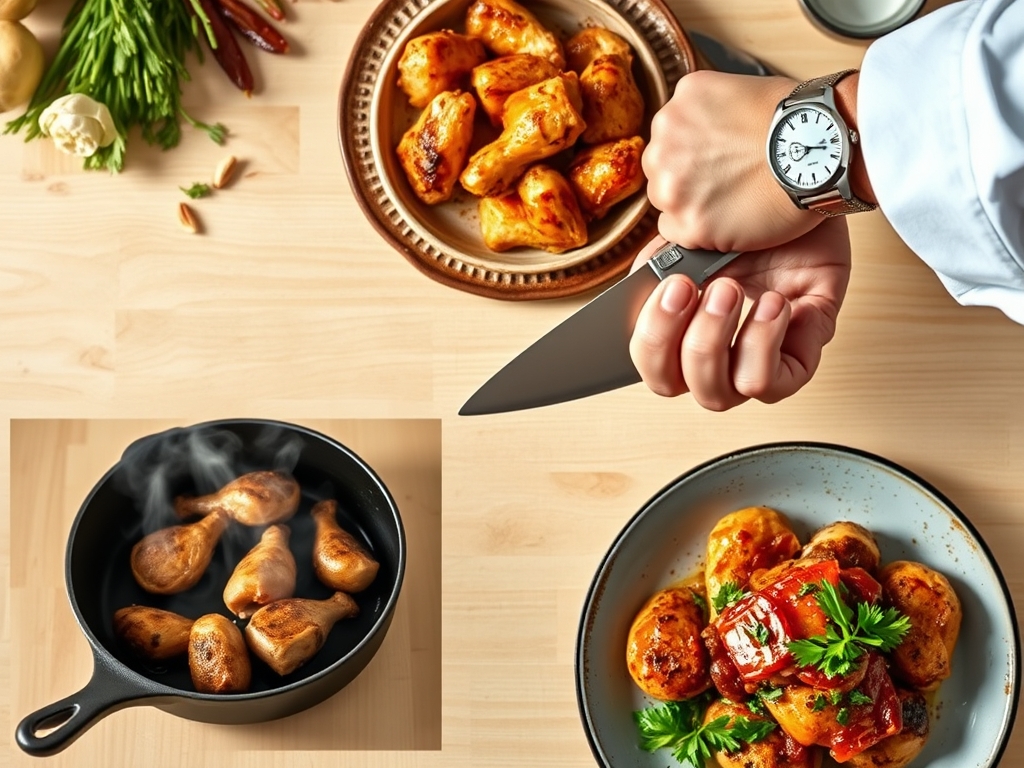
Heat your skillet until the oil shimmers. Lay the chicken away from you to avoid splatter. Do not crowd the pan; if the temperature drops too quickly, the chicken will boil in its own juices rather than searing.
Pro Tip: Use a heavy-bottomed skillet like cast iron. Its high thermal mass prevents temperature swings, ensuring a consistent, deep brown crust across the entire batch.
3. The Deglaze and Infuse
Once the chicken is 75 percent cooked, remove excess fat and deglaze the pan with a splash of apple cider vinegar. Use a wooden spoon or bench scraper to lift the "fond" (the brown bits) from the bottom.
Pro Tip: Deglazing captures concentrated flavor compounds. The acidity of the vinegar also acts as a catalyst, balancing the heavy sugars in the honey chipotle chicken recipes.
4. The Glaze Application
Pour your honey chipotle mixture over the chicken. Lower the heat slightly. You want the sugars to caramelize, not carbonize. Use tongs to turn the chicken constantly, ensuring every millimeter is coated in the thickening syrup.
Pro Tip: This is the stage of "viscous reduction." As water evaporates, the sugar concentration increases, creating a sticky lacquer that adheres to the protein.
5. The Aeration Finish
Remove the pan from the heat and toss in a tablespoon of cold butter or a squeeze of fresh lime juice. Stir rapidly to incorporate. This adds a glossy sheen and a final layer of bright flavor.
Pro Tip: Adding cold fat at the end is called "monter au beurre." It creates a temporary emulsion that gives the sauce a velvety mouthfeel and professional finish.
6. The Rest and Slice
Transfer the chicken to a cutting board. Wait five full minutes before slicing against the grain. This ensures the fibers remain short and easy to chew.
Pro Tip: This accounts for "thermal carryover." The internal temperature will continue to rise by 5 to 10 degrees after removal from the heat, finishing the cook perfectly.
The Deep Dive:
From a macro perspective, honey chipotle chicken recipes are a powerhouse. A standard serving provides roughly 35 grams of protein and 12 grams of healthy fats. The carbohydrate count sits around 15 grams, primarily from the honey. To make this Keto-friendly, swap the honey for a monk fruit sweetener. For a Gluten-Free version, simply ensure your adobo sauce is certified GF, as some brands use wheat-based thickeners.
The Fix-It: If your sauce is too thin, whisk in a tiny cornstarch slurry (one teaspoon cornstarch to one teaspoon water) and simmer for 30 seconds. If the sauce is too spicy, add more honey or a dollop of Greek yogurt to neutralize the capsaicin. If the chicken is dry, you likely bypassed the resting phase or overcooked it; next time, use a digital thermometer and pull the meat at 160 degrees Fahrenheit.
For meal prep, reheating is a science. Avoid the microwave if possible, as it toughens the proteins. Instead, use a saucier over medium-low heat with a tablespoon of water. Cover the pan to create a steam chamber, which rehydrates the glaze and keeps the chicken succulent.
The Wrap-Up:
Mastering honey chipotle chicken recipes is your ticket to becoming the favorite host in your circle. It is a dish that demands attention but rewards you with a complex, multi-dimensional flavor profile. By focusing on the science of the sear and the chemistry of the glaze, you transform basic ingredients into a culinary event. Now, go grab your tongs and start rendering that fat. Your kitchen is about to become the best restaurant in town.
The Kitchen Table:
How do I make the glaze thicker?
Simmer the sauce on medium-low heat to evaporate excess water. For an instant fix, whisk in a small cornstarch slurry. This uses starch gelatinization to trap liquid molecules, creating a thick, glossy coating that clings perfectly to the chicken.
Can I use frozen chicken for this?
Yes, but you must thaw it completely in the refrigerator first. Excess ice crystals cause "steam-masking," which prevents the Maillard reaction. Always pat the thawed meat dry with paper towels before searing to ensure a crisp, golden-brown exterior.
Is honey chipotle chicken too spicy for kids?
The heat level depends on how many chipotle peppers you mince into the sauce. To keep it mild, use only the adobo sauce from the can and omit the actual peppers. The honey will naturally buffer the remaining piquant notes.
What is the best way to store leftovers?
Place the chicken in an airtight glass container within two hours of cooking. The glaze acts as a preservative seal. It will stay fresh in the refrigerator for up to four days or in the freezer for three months.