
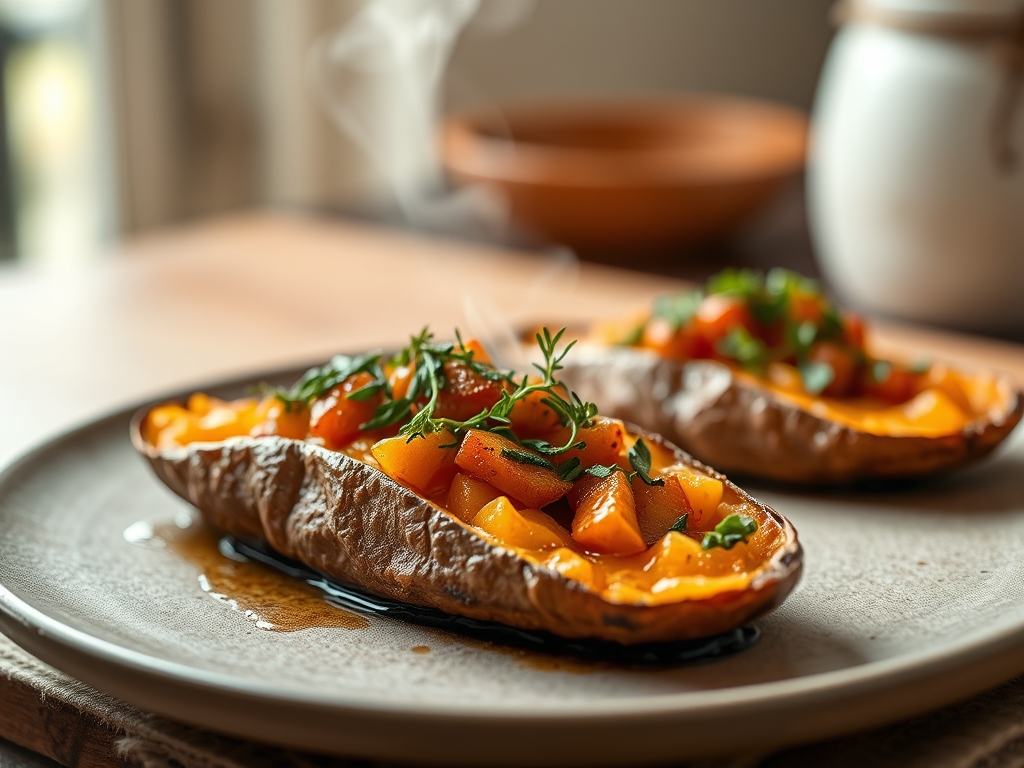
Imagine a kitchen filled with the scent of toasted cumin and browned butter. We are moving beyond the marshmallow-topped clichés of the past to embrace a more sophisticated, savory profile. When you open a can of Princella, you are looking at a canvas of perfectly steamed, tender tubers that are ready to be transformed into culinary masterpieces. These princella sweet potato recipes are designed to prove that convenience and gourmet execution can coexist in a single heavy-bottomed skillet. We are talking about deep, earthy undertones and a velvety mouthfeel that only high-quality canned potatoes can provide without the hour-long wait for roasting.
The secret to mastering these dishes lies in balancing the natural sugars of the potato with sharp, acidic, and salty elements. We will use heat to induce the Maillard reaction, turning that bright orange flesh into something complex and caramelized. Whether you are hosting a dinner party or just treating yourself to a weeknight upgrade, these techniques will elevate your pantry staples into something truly remarkable. Grab your favorite apron and a glass of wine; it is time to get technical with our tubers.
The Gathers:
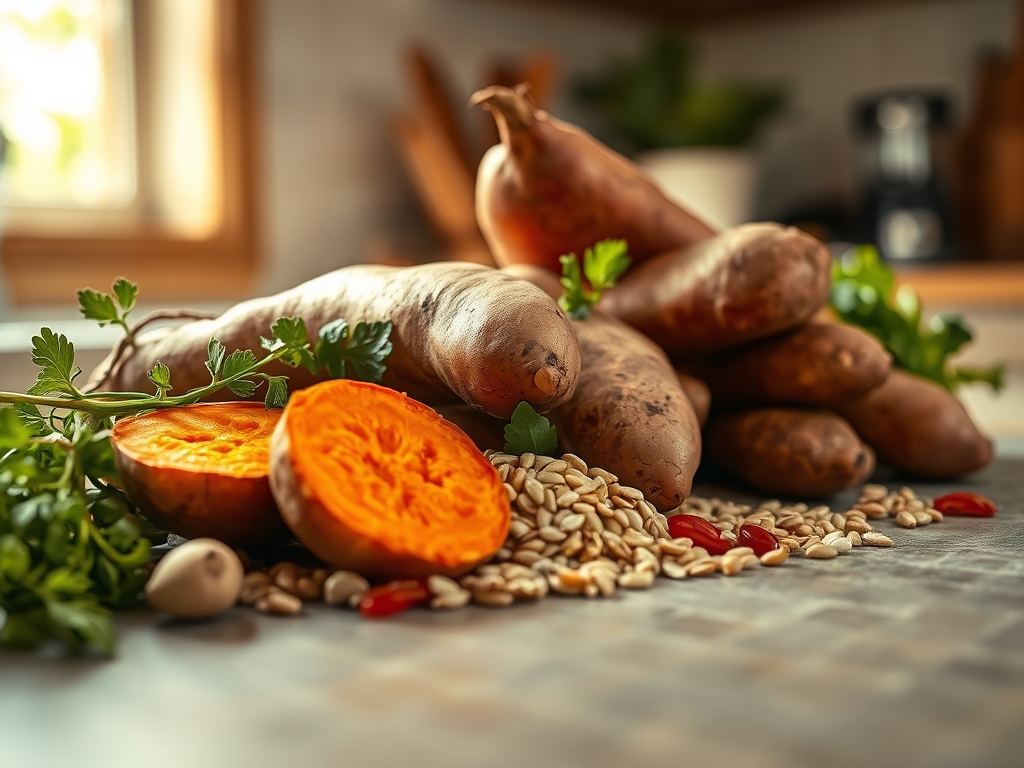
To execute these princella sweet potato recipes with precision, your mise-en-place must be impeccable. Start with the star ingredient: two 15-ounce cans of Princella sweet potatoes, drained and patted dry with lint-free towels to remove excess moisture. You will also need high-fat dairy, such as heavy cream or a cultured European-style butter, to provide a viscous mouthfeel. For aromatics, gather fresh shallots, garlic cloves, and a bunch of sage or rosemary. To provide a piquant contrast, keep apple cider vinegar or a dry white wine nearby for deglazing.
Smart Substitutions: If you are looking to lighten the profile, Greek yogurt offers a fantastic acidic tang that mimics sour cream while adding protein. For a vegan approach, use a high-quality coconut cream; the medium-chain triglycerides provide a similar fat saturation to dairy. If you lack fresh herbs, a pinch of smoked paprika or chipotle powder can introduce a smoky depth that complements the natural sweetness of the potatoes. Always have a digital scale ready to ensure your ratios of fat to starch are consistent, as this dictates the final emulsion of your sauces.
The Clock:
Efficiency in the kitchen is all about the "Chef's Flow." For these savory upgrades, expect a total active prep time of 15 minutes and a cook time of approximately 20 minutes. The beauty of using canned potatoes is that the cellular structure is already softened, meaning we are focusing purely on flavor infusion and surface texture rather than cooking through a raw root.
The flow begins with draining and drying, which is the most critical step for achieving a sear. While the potatoes air-dry on a bench scraper or cooling rack, you will prep your aromatics. The actual "fire time" involves high-heat searing followed by a low-simmer reduction. By the time your main protein has rested, your sweet potato side will be at the perfect serving temperature. This synchronized timing ensures that no component of your meal loses its structural integrity before hitting the plate.
The Masterclass:
1. The Sear and Caramelization
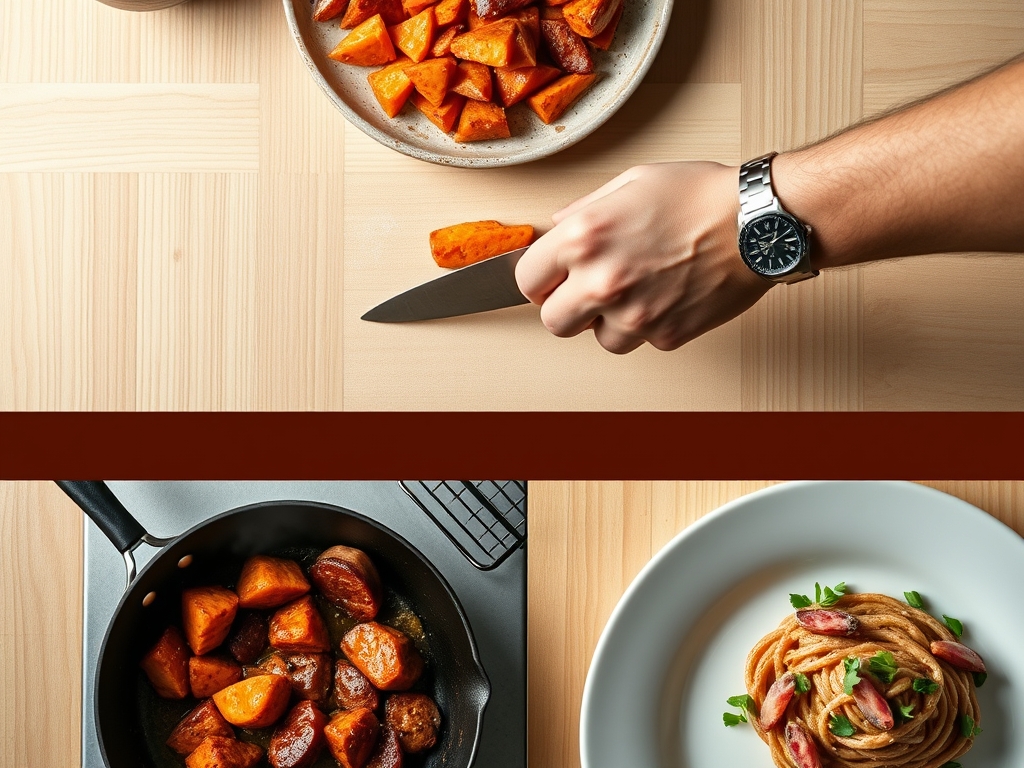
Place your heavy-bottomed skillet over medium-high heat and add a neutral oil with a high smoke point. Once the oil shimmers, add the halved sweet potatoes flat-side down. Do not crowd the pan; overcrowding drops the surface temperature and leads to steaming rather than searing. Let them sit undisturbed for three minutes until a deep golden crust forms.
Pro Tip: This relies on the Maillard reaction, a chemical reaction between amino acids and reducing sugars. By drying the surface of the potato first, you ensure the energy of the pan goes into browning rather than evaporating surface water.
2. Infusing the Aromatics
Lower the heat to medium and toss in two tablespoons of cold butter, smashed garlic, and fresh sage. Use a large spoon to continuously baste the potatoes with the foaming butter. This technique, known as arrosé, ensures the fat-soluble compounds in the herbs permeate the starch.
Pro Tip: Butter foams when the water content evaporates. Adding it late prevents the milk solids from burning while allowing the thermal carryover to gently warm the interior of the potato without turning it to mush.
3. Deglazing for Depth
Once the butter smells nutty, pour in a splash of dry sherry or white wine. Use a wooden spoon to scrape up the browned bits, or fond, from the bottom of the pan. This adds a layer of acidity that cuts through the richness of the potato.
Pro Tip: Deglazing is a form of solvent extraction. The alcohol and acidity in the wine dissolve flavor molecules that are not water-soluble, creating a more complex and balanced sauce.
4. Aerating the Puree
If you prefer a smoother texture, transfer the contents to a saucier and use an immersion blender to incorporate a touch of warm cream. Focus on incorporating air to create a light, mousse-like consistency rather than a heavy mash.
Pro Tip: Aeration breaks up the dense starch granules. By using a high-speed blade, you are creating a stable emulsion of fat and water, resulting in a silkier palate experience.
5. The Acidic Finish
Just before serving, use a microplane to zest a fresh lemon over the dish and add a sprinkle of flaky sea salt. The brightness of the citrus oils provides a necessary high note to the deep, earthy base of the potatoes.
Pro Tip: Salt acts as a flavor enhancer by suppressing bitterness and increasing the perception of sweetness. The citric acid provides a "reset" for the taste buds, making each bite feel as vibrant as the first.
6. Texture Integration
Top the finished dish with toasted pumpkin seeds or crumbled feta. This introduces a structural contrast that prevents the dish from feeling one-dimensional. Note the texture in the step-by-step photos below.
Pro Tip: This is known as sensory-specific satiety. By adding varied textures, you keep the palate engaged, making the meal more satisfying even in smaller portions.
The Deep Dive:
Nutritionally, Princella sweet potatoes are a powerhouse of Vitamin A and fiber. A single serving provides over 100 percent of your daily recommended intake of beta-carotene, which the body converts to retinol for eye and skin health. When we add healthy fats like olive oil or grass-fed butter, we actually increase the bioavailability of these fat-soluble vitamins.
For dietary swaps, these princella sweet potato recipes are incredibly flexible. To make this Keto-friendly, reduce the portion size and increase the fat ratio with heavy cream and bacon lardons. For a Vegan version, swap butter for an avocado oil-based spread and use nutritional yeast for a "cheesy" savory punch. If you are Gluten-Free, you are already safe, as sweet potatoes are naturally gluten-free; just ensure your deglazing liquid is a certified GF wine or broth.
The Fix-It:
- Too Mushy: If your potatoes fall apart, stop stirring. Spread them on a sheet pan and roast at 400 degrees for 10 minutes to dehydrate the exterior and regain some structure.
- Too Sweet: Increase the salt and add a dash of cayenne or red pepper flakes. The capsaicin will distract the palate from the sugar.
- Broken Sauce: If your butter sauce separates, whisk in a teaspoon of warm water or mustard. The mustard acts as an emulsifier to bring the fats and liquids back together.
Meal Prep Science: To reheat, avoid the microwave as it can make the starch "rubbery" through rapid dehydration. Instead, use a covered skillet with a teaspoon of water. This creates a steam-oven effect that restores the original moisture content without sacrificing the seared exterior.
The Wrap-Up:
Mastering princella sweet potato recipes is all about respecting the ingredient while pushing its boundaries. We have moved from simple canned goods to a sophisticated, multi-layered side dish that commands attention on the dinner table. By applying high-level techniques like arrosé and deglazing, you have unlocked the true potential of the humble sweet potato. Remember, cooking is as much about chemistry as it is about heart. Now, go forth and dazzle your friends with your newfound tuber-tech prowess!
The Kitchen Table:
Can I use the liquid from the can?
The canning liquid is often high in sugar and starch. While you can use a tablespoon to thicken a sauce, it is generally better to drain it and use fresh stock or cream for a cleaner flavor profile.
How do I get a crispy crust on canned potatoes?
The key is moisture control. Pat the potatoes extremely dry with paper towels and use a preheated heavy-bottomed skillet. Do not move them until the Maillard reaction has naturally released them from the pan surface.
Are canned sweet potatoes as healthy as fresh?
Yes, they are! The canning process locks in nutrients like beta-carotene and fiber. Since they are precooked, they are often easier to digest while providing the same essential vitamins as their raw counterparts.
What is the best way to store leftovers?
Store in an airtight glass container for up to four days. To maintain the best texture, reheat in an oven or air fryer to keep the exterior crisp while gently warming the soft interior.