
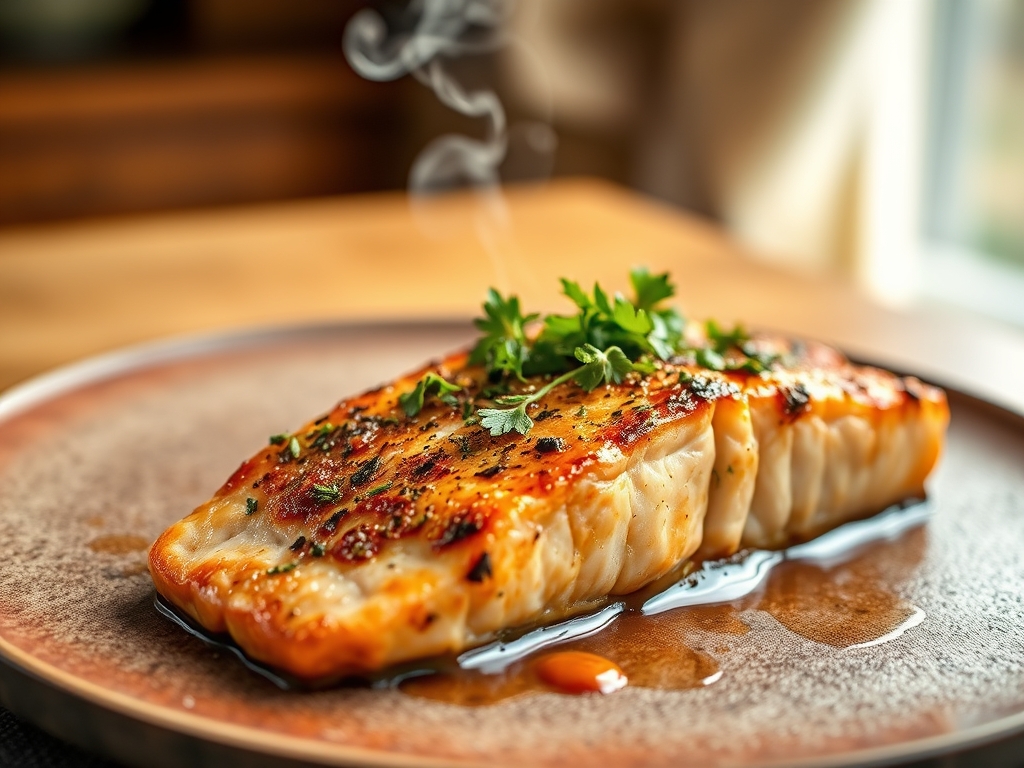
Imagine the scent of smoldering paprika and toasted garlic swirling through your kitchen as a side of fish transforms into a masterpiece of Southern heat. When you are hunting for the best baked cajun salmon recipes, you are looking for that perfect intersection of a buttery, melt-in-your-mouth interior and a piquant, blackened crust that crackles under your fork.
The secret to a world-class salmon dish is not just the spice blend; it is the chemistry of how heat interacts with the fatty acids of the fish. Most home cooks struggle with dry, chalky fillets that lack depth. By understanding the molecular transition from raw protein to perfectly flaked succulent meat, you can turn a Tuesday night dinner into a five-star culinary experience. We are going to dive deep into the mechanics of heat transfer and spice suspension to ensure your next meal is nothing short of legendary. Grab your apron and your favorite heavy-bottomed skillet; we are about to rewrite your kitchen playbook.
The Gathers:
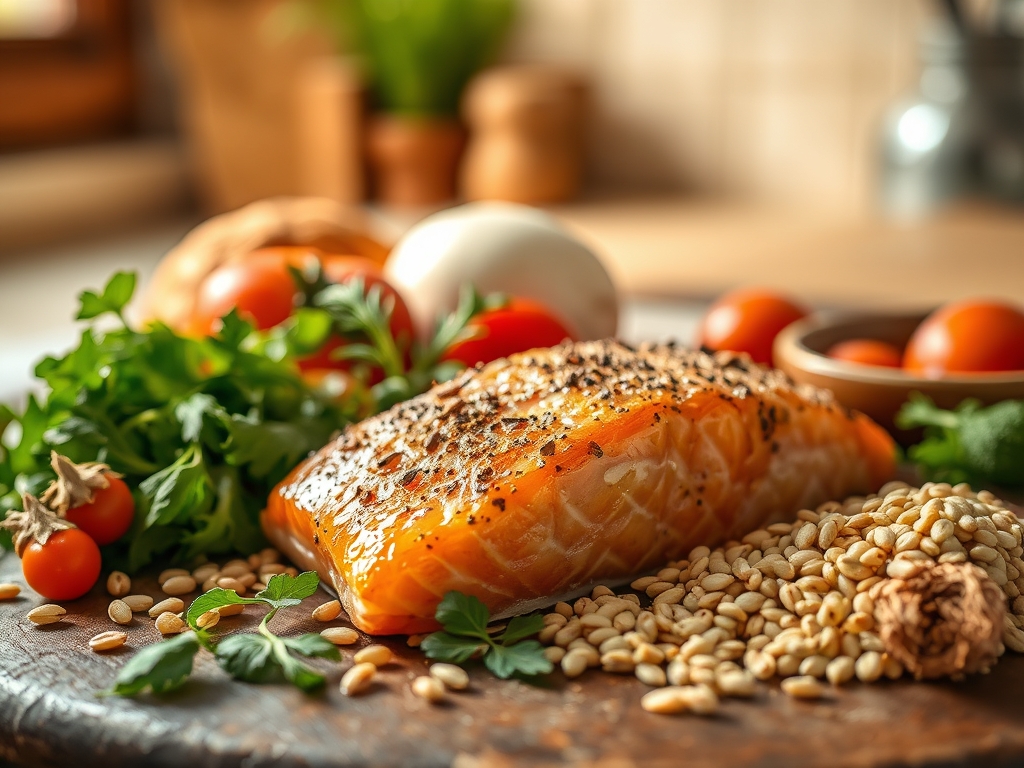
To achieve a professional-grade result, your mise-en-place must be precise. Start with a high-quality center-cut Atlantic or King salmon fillet. You want a piece that is uniform in thickness to ensure even heat distribution. Use a digital scale to measure out your spices; precision here prevents one flavor from overwhelming the delicate lipids of the fish.
You will need smoked paprika for that deep, earthy base; cayenne pepper for a sharp, capsaicin-driven kick; and dried thyme and oregano for an herbal, volatile oil infusion. Do not forget the aromatics. Use a microplane to grate fresh garlic into a paste. This increases the surface area, allowing the garlic to infuse the oil more effectively than a rough chop would. For the fat, choose a combination of unsalted butter and a high-smoke-point oil like avocado oil. The butter provides milk solids that undergo the Maillard reaction, creating a nutty flavor, while the oil prevents the butter from burning at high temperatures.
Smart Substitutions: If you are watching your sodium, replace standard celery salt with ground celery seed and a touch of lemon zest. The acidity of the zest mimics the "brightness" of salt without the sodium load. For those who prefer a smokier profile without the heat, swap the cayenne for chipotle powder, which introduces a rich, viscous depth to the rub.
The Clock
Efficiency in the kitchen is all about "Chef's Flow." This recipe requires exactly 10 minutes of active preparation and 12 to 15 minutes of oven time. Total time from counter to table is under 30 minutes.
The flow begins with preheating your oven to 400 degrees Fahrenheit. While the oven stabilizes, you prepare the rub and temper the fish. Never put ice-cold salmon into a hot oven; the thermal shock causes the muscle fibers to contract violently, squeezing out the moisture and leaving you with a dry result. Let the salmon sit at room temperature for 15 minutes while you assemble your tools. Use a bench scraper to tidy your workspace as you go; a clean station leads to a clear mind and better seasoning accuracy.
The Masterclass
1. The Desiccation Phase
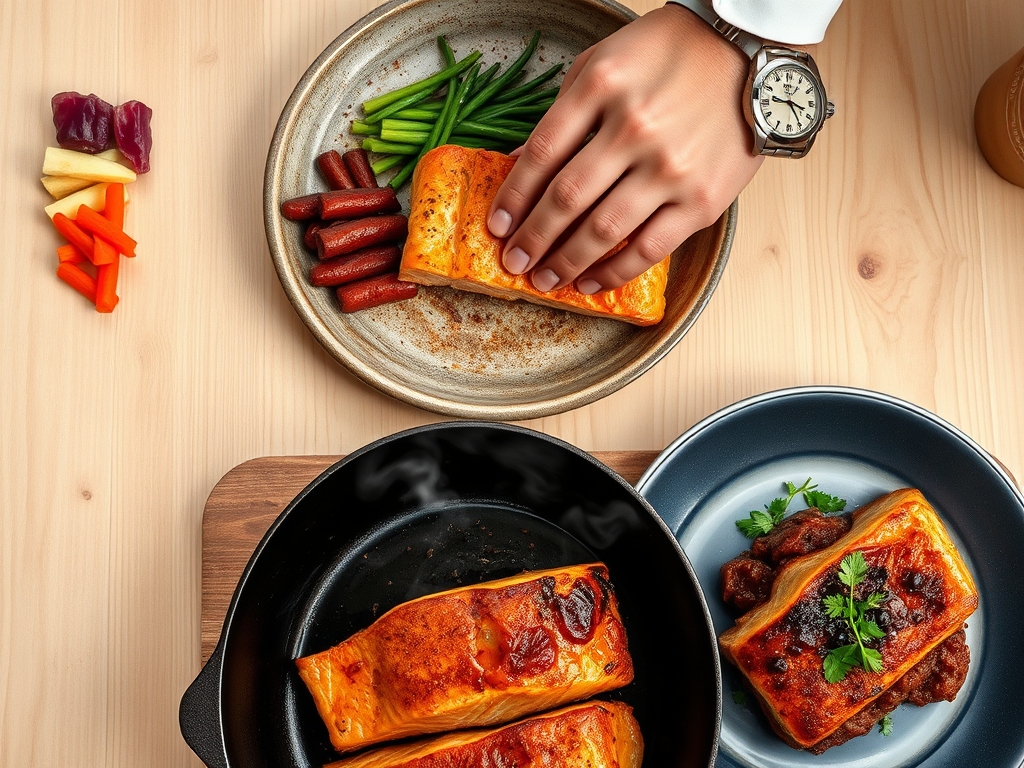
Pat the salmon dry with paper towels until the skin and flesh are completely matte. Moisture is the enemy of a crust. If the surface is damp, the oven heat will spend its energy evaporating water rather than browning the fish.
Pro Tip: This is known as preventing surface evaporation cooling. By removing moisture, you allow the surface temperature to rise rapidly above 285 degrees Fahrenheit, which is the threshold for the Maillard reaction to begin.
2. The Spice Suspension
Mix your spices with a small amount of oil in a saucier or small bowl before applying them to the fish. Creating a slurry ensures that the fat-soluble compounds in the spices are "unlocked" and distributed evenly across the fillet.
Pro Tip: Many spices contain flavor compounds that are hydrophobic. By suspending them in oil first, you ensure those flavors penetrate the surface of the protein rather than just sitting on top.
3. The Sear-to-Bake Transition
Place your salmon skin-side down in a preheated, oven-safe heavy-bottomed skillet. Sear on the stovetop for 2 minutes to render the fat in the skin, then transfer the entire pan to the oven.
Pro Tip: This dual-heat method utilizes conduction from the pan to crisp the skin while using convection from the oven to gently cook the delicate flesh. It prevents the "albumin bleed," those white protein spots that appear when salmon is cooked too fast.
4. The Glaze and Finish
In the final 3 minutes of baking, brush the top with a mixture of honey and lime juice. This adds a layer of sugars that will caramelize quickly under the heat, providing a glossy, viscous finish that balances the heat.
Pro Tip: This is a form of enzymatic browning. The sugars in the honey react with the proteins on the surface of the fish, creating a complex array of new flavor molecules and a beautiful mahogany sheen.
The Deep Dive
From a nutritional standpoint, this dish is a powerhouse. A standard 6-ounce serving provides roughly 34 grams of high-quality protein and is rich in Omega-3 fatty acids, which are essential for brain health.
Dietary Swaps:
- Keto: Replace the honey glaze with a monk fruit sweetener or simply omit it; the spices carry enough flavor on their own.
- Vegan: This Cajun rub works beautifully on thick slabs of cauliflower or firm tofu.
- GF: This recipe is naturally gluten-free, but always check your spice labels for anti-caking agents that may contain trace gluten.
The Fix-It:
- White Gunk on Fish: This is albumin. It means the heat was too high. Next time, lower the oven temperature by 25 degrees or pull the fish out 2 minutes earlier.
- Soggy Skin: You likely didn't dry the fish enough or the pan wasn't hot enough. Ensure the oil is shimmering before the fish hits the pan.
- Burnt Spices: If the rub tastes bitter, the paprika scorched. Apply the spice rub more thickly or move the oven rack lower.
Meal Prep Science: To reheat, do not use a microwave; it turns the fats rancid and the texture rubbery. Instead, place the salmon in a covered pan with a splash of water over low heat. The steam will gently rehydrate the proteins without overcooking them, maintaining "day-one" quality.
The Wrap-Up
Mastering baked cajun salmon recipes is about more than just following a list of ingredients; it is about respecting the ingredients and the physics of the kitchen. By focusing on moisture control, spice suspension, and thermal management, you have transformed a simple fillet into a bold, textured masterpiece. Cooking is a journey of constant refinement. Now that you have the technical foundation, do not be afraid to experiment with the ratios. Go ahead, serve this up with some charred greens or a cool remoulade, and watch your friends marvel at your culinary prowess.
The Kitchen Table
How do I know when the salmon is perfectly done?
Use a digital thermometer to check the internal temperature. For a moist, medium finish, pull the fish at 125 degrees Fahrenheit. Thermal carryover will bring the final temperature up to 130 degrees while it rests on the counter.
Can I use frozen salmon for this recipe?
Yes, but you must thaw it completely in the refrigerator. Once thawed, pat it extremely dry. Frozen fish often contains more surface moisture, so the desiccation phase is even more critical to prevent a soggy, steamed texture.
Why is my Cajun seasoning tasting too salty?
Many store-bought blends use salt as a primary filler. To fix this, make your own blend using smoked paprika, garlic powder, and cayenne, then add salt manually. This gives you total control over the flavor profile and sodium levels.
What is the best way to store leftovers?
Store leftovers in an airtight glass container for up to three days. Glass is non-porous and won't absorb the piquant oils from the Cajun spices, ensuring your fridge stays fresh and the salmon retains its intended flavor profile.