
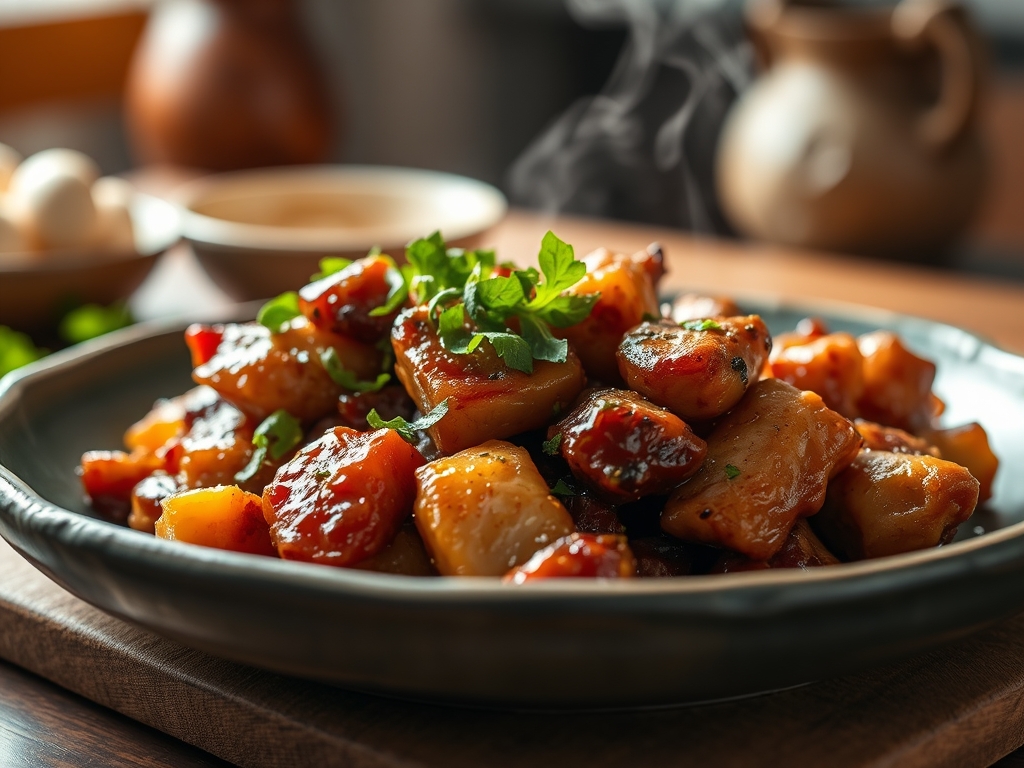
The sizzle hits the pan before the aroma even reaches your nose; it is the sound of sugars caramelizing against high heat. When you master bulgogi chicken recipes, you are not just cooking dinner; you are orchestrating a chemical symphony of soy, pear, and ginger. It is savory, sweet, and deeply addictive.
Imagine a kitchen filled with the scent of toasted sesame oil and the sharp, bright bite of fresh garlic. We are moving beyond the standard beef variations to explore the versatility of poultry. Chicken thighs, with their higher fat content, offer the perfect canvas for the deep umami flavors of a traditional Korean marinade. Whether you are craving a charred stir-fry or a slow-roasted masterpiece, these eight variations will redefine your weeknight rotation. We are going to dive into the molecular magic that makes this dish a global favorite, focusing on the Maillard reaction and enzymatic tenderization that turns simple protein into culinary gold. Grab your apron; your kitchen is about to become the best Korean BBQ spot in town.
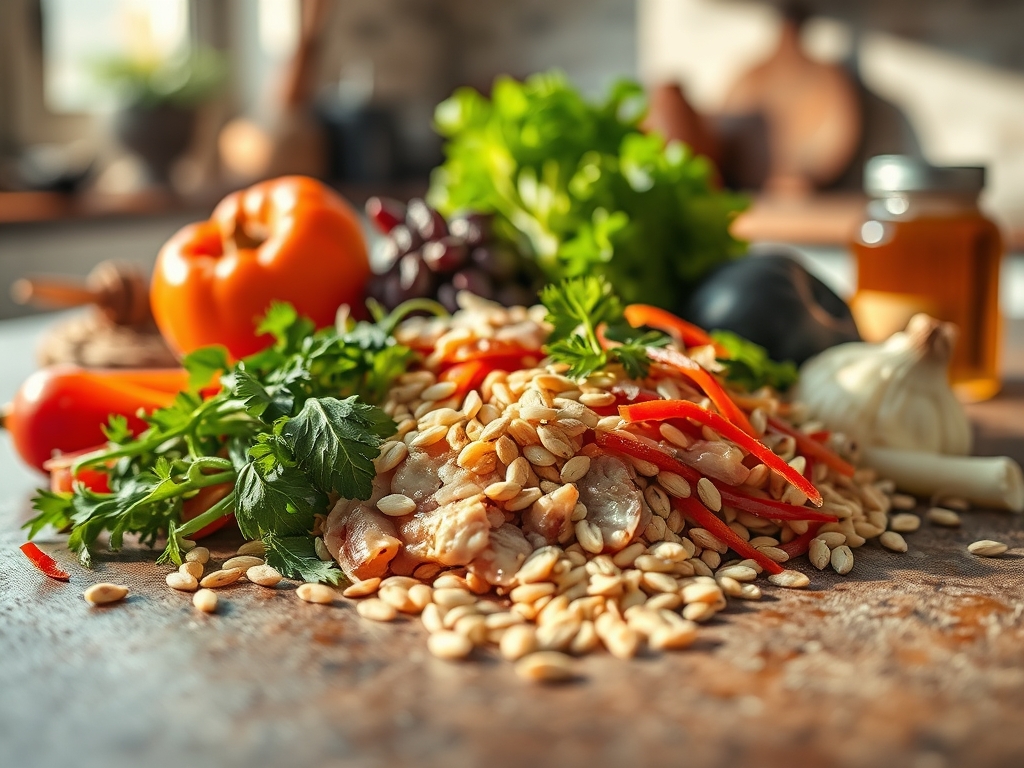
The Gathers:
To achieve professional results, your mise-en-place must be precise. Start with five pounds of boneless, skinless chicken thighs. Thighs contain more connective tissue than breasts; this collagen breaks down into gelatin during cooking, ensuring a succulent mouthfeel. For the marinade, you will need high-quality soy sauce as your primary salinity source. Look for "brewed" soy sauce to ensure a complex amino acid profile.
The secret weapon in bulgogi chicken recipes is the Asian pear. This fruit contains calpain, a proteolytic enzyme that actively breaks down muscle fibers, resulting in a buttery texture. If you cannot find Asian pear, a Bosc pear or a grated Fuji apple serves as a smart substitution. You will also need toasted sesame oil for its lipid-rich aroma, brown sugar for caramelization, and a generous amount of grated ginger and garlic.
Use a microplane to grate your aromatics into a fine paste. This increases the surface area, allowing the volatile oils to infuse the marinade more efficiently. For heat, keep a jar of gochugaru (Korean chili flakes) nearby. If you are watching your sodium, substitute coconut aminos for soy sauce, though you may need to add a pinch of sea salt to balance the sweetness. Finally, gather your hardware: a heavy-bottomed skillet or a cast-iron pan is essential for heat retention.
The Clock
Efficiency in the kitchen relies on "Chef's Flow." This is the practice of overlapping tasks to minimize downtime. For these recipes, the active prep time is approximately 20 minutes. This includes slicing the poultry and whisking the marinade. However, the "passive" time is where the magic happens.
You must allow the chicken to marinate for at least 30 minutes, though four hours is the sweet spot for enzymatic action. The actual cook time is remarkably fast; usually 8 to 12 minutes depending on your heat source. Total time from fridge to table is roughly one hour. By prepping your garnishes (scallions and toasted sesame seeds) while the chicken rests in its marinade, you ensure a seamless transition to the final sear.
The Masterclass
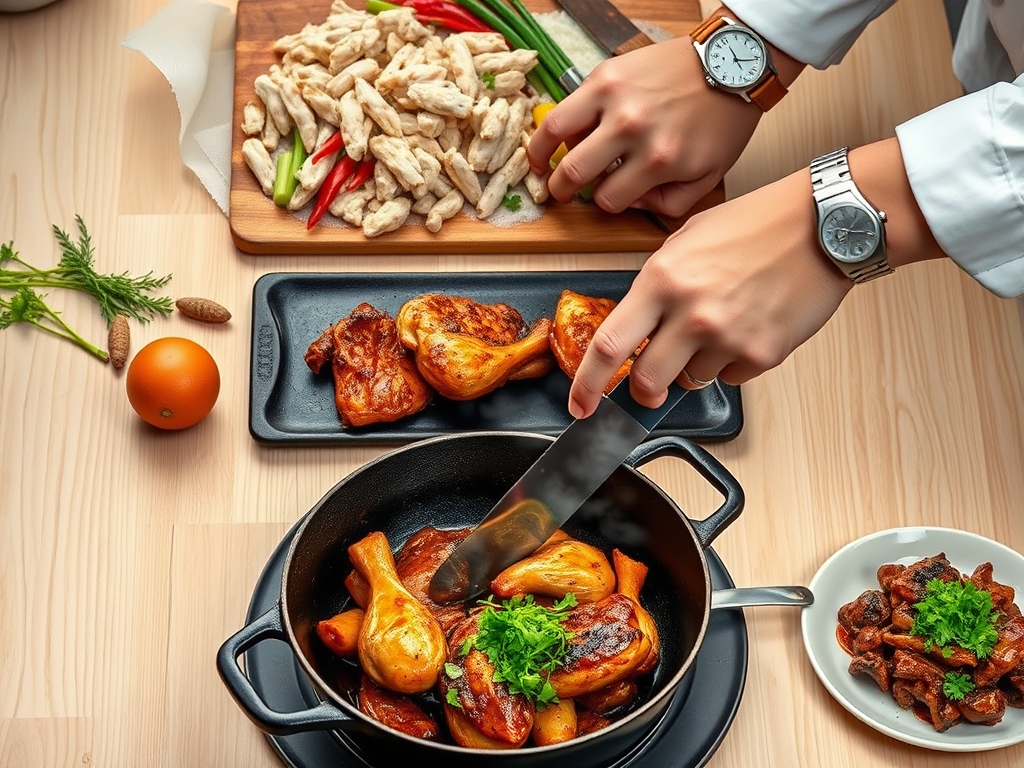
1. The Precision Cut
Slice your chicken thighs into uniform, bite-sized strips, roughly one-quarter inch thick. Use a sharp chef's knife to ensure clean cuts without tearing the muscle fibers. Uniformity is not just for aesthetics; it ensures every piece reaches the safe internal temperature of 165 degrees Fahrenheit simultaneously.
Pro Tip: Place the chicken in the freezer for 15 minutes before slicing. This firms up the fat and proteins, allowing for cleaner, more precise cuts. This is a classic technique used to increase surface area for maximum marinade absorption.
2. The Enzymatic Bath
In a large glass bowl, combine your grated pear, soy sauce, sesame oil, and aromatics. Whisk vigorously to aerate the mixture before submerging the chicken. Ensure every strip is fully coated to allow the calpain enzymes to begin the tenderization process.
Pro Tip: Do not marinate for more than 24 hours. Over-marinating can lead to "mushy" protein because the enzymes eventually break down the structure too far, destroying the desirable "snap" of the meat.
3. The High-Heat Sear
Heat your heavy-bottomed skillet over medium-high heat until a drop of water dances and evaporates instantly. Add a high-smoke-point oil like grapeseed. Working in batches, add the chicken. Do not crowd the pan, as this will drop the temperature and cause the meat to steam rather than sear.
Pro Tip: This stage triggers the Maillard reaction. This chemical reaction between amino acids and reducing sugars creates hundreds of different flavor compounds. If the pan is too cold, you lose that signature charred, savory crust.
4. The Glaze and Deglaze
Once the chicken has developed a deep golden-brown crust, pour in the remaining marinade. Use a wooden spoon or tongs to scrape the bottom of the pan. This process, known as deglazing, incorporates the fond (the flavorful browned bits) back into the sauce.
Pro Tip: As the liquid reduces, it becomes more viscous. This is due to the reduction of water and the concentration of sugars and gelatin. Watch for large, slow-popping bubbles; this indicates the glaze has reached the perfect consistency.
5. The Rest and Finish
Transfer the chicken to a warm platter and let it rest for three minutes. This allows the muscle fibers to relax and reabsorb the juices. Garnish with thinly sliced scallions and toasted sesame seeds for a piquant crunch.
Pro Tip: Utilize thermal carryover. The internal temperature will rise by 5 degrees after you remove it from the heat. Pulling the chicken at 160 degrees ensures it reaches a perfect, juicy 165 degrees on the plate.
The Deep Dive
From a nutritional standpoint, bulgogi chicken recipes are a powerhouse. A standard serving provides approximately 35 grams of protein and is rich in Vitamin B6 and niacin. To make this Keto-friendly, swap the brown sugar for a monk fruit sweetener and use a side of cauliflower rice. For a vegan twist, use extra-firm tofu or oyster mushrooms; both have porous structures that mimic the absorption qualities of poultry.
Even the best chefs hit snags. If your sauce is too salty, add a splash of rice vinegar or lime juice; the acid masks the perception of salt. If the chicken is tough, it likely didn't marinate long enough or was overcooked. If the sauce won't thicken, whisk a teaspoon of cornstarch into cold water and stir it into the simmering pan.
For meal prep, store the cooked chicken in airtight containers for up to four days. When reheating, avoid the microwave if possible. Instead, use a saucier with a tablespoon of water or broth over low heat. This gentle steam prevents the proteins from becoming rubbery, maintaining that "day-one" quality.
The Wrap-Up
Mastering bulgogi chicken recipes is a gateway to understanding the balance of flavor and the science of heat. It is a dish that rewards patience during the marinade phase and bravery during the high-heat sear. Whether you are serving it over a bed of fluffy jasmine rice or tucked into crisp lettuce wraps, you now have the technical prowess to deliver a restaurant-quality meal. Keep experimenting with your spice levels and fruit bases; the kitchen is your laboratory, and the results are delicious.
The Kitchen Table
How do I make my chicken extra tender?
Use grated Asian pear or kiwi in your marinade. These fruits contain natural enzymes that break down tough muscle fibers. Ensure you marinate for at least 30 minutes to allow the chemical tenderization process to occur effectively.
Can I use chicken breast instead of thighs?
Yes, but be careful. Breasts are leaner and dry out quickly. Slice them thinly against the grain and reduce the cooking time by two minutes to prevent the protein from becoming stringy or dry during the high-heat sear.
What is the best way to get a charred crust?
Use a cast-iron skillet and do not crowd the pan. Cooking in small batches ensures the pan temperature remains high, allowing the sugars in the marinade to caramelize and create the Maillard reaction without steaming the meat.
How long does leftover bulgogi chicken last?
Stored in an airtight container, it remains fresh for three to four days in the refrigerator. For the best texture, reheat it gently on the stovetop with a splash of water to maintain the moisture and sauce viscosity.