
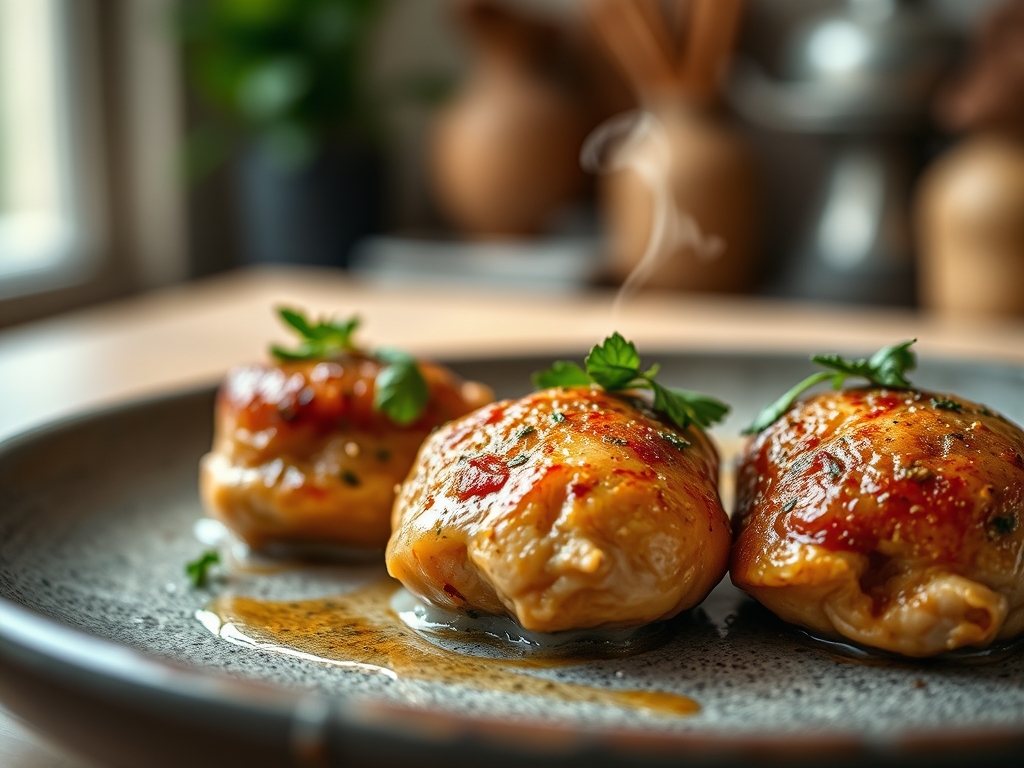
Imagine a heavy-bottomed skillet hissing as cold oil meets high heat. The air thickens with the scent of toasted sesame and the sharp, piquant bite of ginger. This is the sensory theater of three cup chicken recipes; a dish so legendary it relies on a numerical rhythm to achieve perfection. It is the ultimate balance of salty, sweet, and herbal notes that cling to every crevice of the meat. You are not just making dinner; you are orchestrating a chemical transformation where simple liquids turn into a viscous, mahogany glaze. This dish is the gold standard of Taiwanese soul food, and today, we are stripping away the mystery to master the physics of the perfect sear and the science of the reduction.
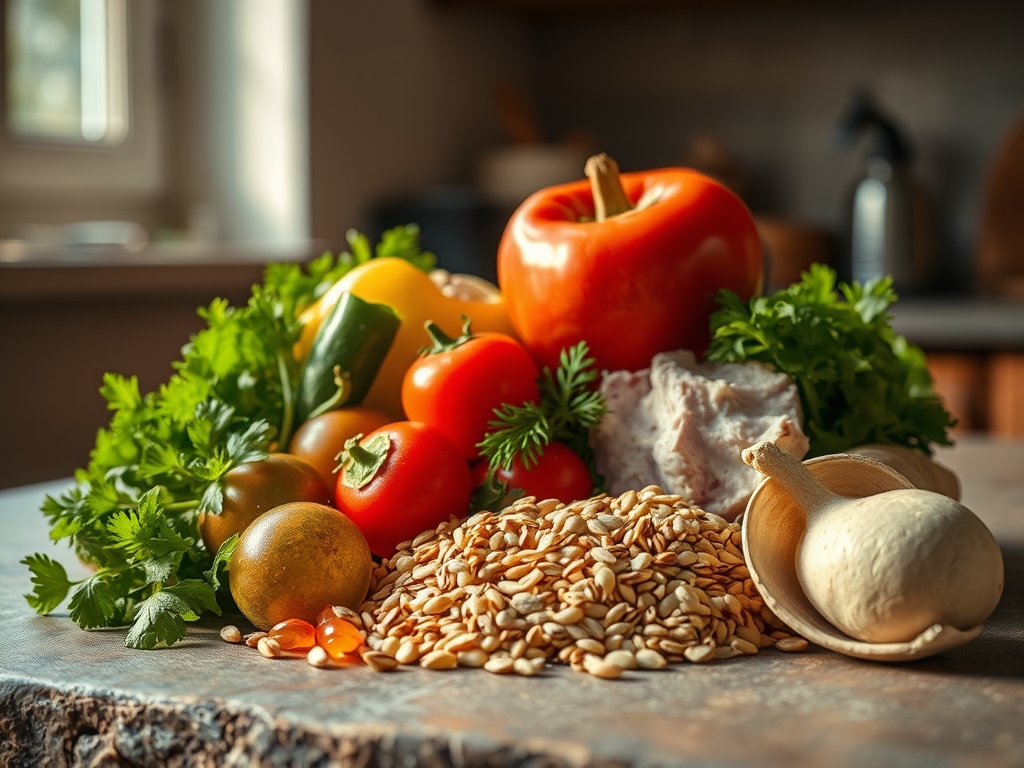
The Gathers:
To execute these three cup chicken recipes with precision, your mise-en-place must be flawless. We start with the chicken. Use a sharp chef knife to break down bone-in, skin-on thighs into uniform pieces. The bone acts as a thermal conductor, ensuring the meat stays succulent during the high-heat reduction. You will need toasted sesame oil, which has a lower smoke point but provides an intense nutty base. The soy sauce provides the salinity and the amino acids necessary for the Maillard reaction, while the rice wine acts as a solvent to deglaze the pan and lift those caramelized bits of protein known as fond.
The aromatics are non-negotiable. You need a generous hand with ginger; use a microplane if you want a fine paste or a sharp knife for traditional coins. Garlic cloves should be peeled but left whole to confit in the oil. Finally, the Thai basil. This is not your standard Italian Genovese basil. Thai basil contains anise-like compounds that survive the heat better than its delicate cousins.
Smart Substitutions: If you are avoiding alcohol, a splash of apple cider vinegar mixed with water can mimic the acidity of rice wine. For a soy-free version, coconut aminos offer a similar umami profile, though you may need to reduce the added sugar. If you cannot find Thai basil, a mix of regular basil and a pinch of ground star anise will bridge the flavor gap.
The Clock: Chef's Flow
Efficiency in the kitchen is about heat management and timing. Prep takes approximately fifteen minutes; this includes the precision dicing of your aromatics and the portioning of your liquids. The actual cooking phase spans twenty to twenty-five minutes.
The "Chef's Flow" here is a linear progression. You begin by rendering the fat from the chicken skin, which provides the cooking medium for the aromatics. While the chicken braises in the three-cup solution, you have a ten-minute window to prepare your side of steamed jasmine rice or charred bok choy. The final five minutes are the most critical; this is the "reduction phase" where you transition from a simmer to a high-heat glaze.
The Masterclass:
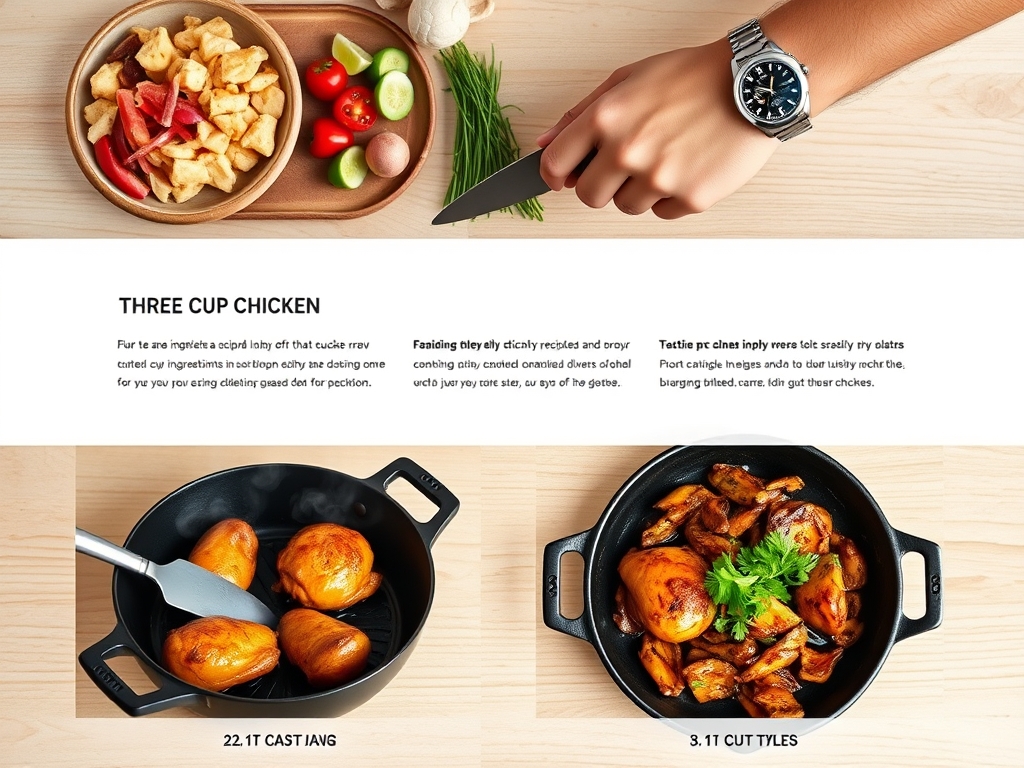
1. The Cold Start Sear
Place your chicken pieces skin-side down in a cold, heavy-bottomed skillet before turning the heat to medium-high. Using tongs, press the pieces down to ensure maximum surface contact. This allows the subcutaneous fat to render slowly, resulting in a crispier texture and a flavorful base for the entire dish.
Pro Tip: This technique utilizes thermal conduction to prevent the skin from shrinking too quickly. By starting cold, you avoid the "shock" that causes proteins to tighten and squeeze out moisture.
2. Infusing the Aromatics
Once the chicken has released its fat and turned golden, toss in your sliced ginger and whole garlic cloves. Use a wooden spoon to move them through the rendered fat. You want the garlic to turn a pale gold, indicating that the sugars are caramelizing without becoming bitter.
Pro Tip: This is the process of lipid-soluble flavor extraction. Many of the aromatic compounds in ginger and garlic are fat-soluble, meaning they need the oil to "carry" their flavor into the chicken.
3. The Deglaze and Simmer
Pour in your "three cups": the sesame oil, soy sauce, and rice wine. Use your spoon to scrape the bottom of the pan, loosening the fond. Add a small amount of rock sugar or brown sugar. Cover the pan and let it simmer on medium heat for about twelve minutes.
Pro Tip: The rice wine acts as a deglazing agent, utilizing its ethanol content to dissolve flavor molecules that are neither water nor oil soluble, ensuring a complex flavor profile.
4. The High-Heat Reduction
Remove the lid and crank the heat to high. This is the transformative moment. Watch as the liquid bubbles rapidly and the water evaporates, leaving behind a concentrated syrup. Stir constantly to coat every piece of chicken in the thickening glaze.
Pro Tip: You are witnessing the concentration of solutes. As water evaporates, the ratio of sugar and protein to liquid increases, creating a viscous coating through the process of reduction.
5. The Basil Finish
Turn off the heat entirely. Toss in two large handfuls of fresh Thai basil leaves. Fold them gently into the chicken using your tongs. The residual heat will wilt the leaves just enough to release their essential oils without turning them black.
Pro Tip: This relies on residual thermal energy. The delicate volatile oils in basil are highly heat-sensitive; adding them at the very end preserves their bright, peppery aroma.
6. The Rest and Plate
Transfer the chicken to a warm platter. Let it sit for three minutes before serving. This allows the internal juices to redistribute, ensuring the meat is tender rather than stringy.
Pro Tip: This stage manages liquid equilibrium. Resting allows the muscle fibers to relax and reabsorb the moisture that was pushed to the center during the high-heat reduction phase.
The Deep Dive:
From a macro perspective, this dish is a powerhouse of protein and healthy fats. A standard serving contains roughly 350 calories, with 28 grams of protein and 15 grams of fat. To make this Keto-friendly, simply swap the rock sugar for a monk fruit sweetener. For a Gluten-Free version, ensure you are using Tamari instead of standard soy sauce. Vegan enthusiasts can substitute the chicken with extra-firm tofu or king oyster mushrooms; just be sure to press the tofu first to remove excess water for a better sear.
The Fix-It:
- Too Salty: If the reduction went too far, add a splash of water and a squeeze of lime. The acidity will cut through the sodium.
- Bitter Garlic: If the garlic burned, you must remove it. Next time, add the garlic later in the searing process.
- Thin Sauce: If your sauce isn't clinging, your heat wasn't high enough during the final stage. Remove the chicken and boil the liquid solo until it coats the back of a spoon.
Meal Prep Science: To reheat, avoid the microwave. The high-frequency waves will toughen the chicken. Instead, use a saucier over low heat with a tablespoon of water. This creates a small amount of steam that re-hydrates the glaze without overcooking the protein.
The Wrap-Up:
Mastering three cup chicken recipes is a rite of passage for any home cook looking to understand the interplay of heat and chemistry. It is a dish that rewards patience during the sear and bravery during the reduction. Whether you are feeding a crowd or just treating yourself to a weeknight masterpiece, remember that the magic is in the ratios. Now, grab your skillet and let the sizzle begin!
The Kitchen Table:
What is the "three cup" ratio exactly?
Traditionally, it is equal parts toasted sesame oil, soy sauce, and rice wine. Modern adaptations often reduce the oil slightly to prevent the dish from becoming overly greasy while maintaining the signature flavor profile.
Can I use chicken breast instead of thighs?
You can, but breasts lack the fat and connective tissue of thighs. To prevent dryness, sear them quickly and reduce the simmering time by half to avoid over-denaturing the leaner protein fibers.
Why is my basil turning black?
Basil oxidizes and loses flavor when exposed to prolonged high heat. Always add your basil after the heat is turned off; the residual warmth is sufficient to wilt the leaves while preserving their vibrant green color.
What is the best substitute for Chinese rice wine?
Dry sherry is the most effective substitute because it shares a similar fermented depth and acidity. If you need a non-alcoholic option, use a mixture of water and a teaspoon of white vinegar.