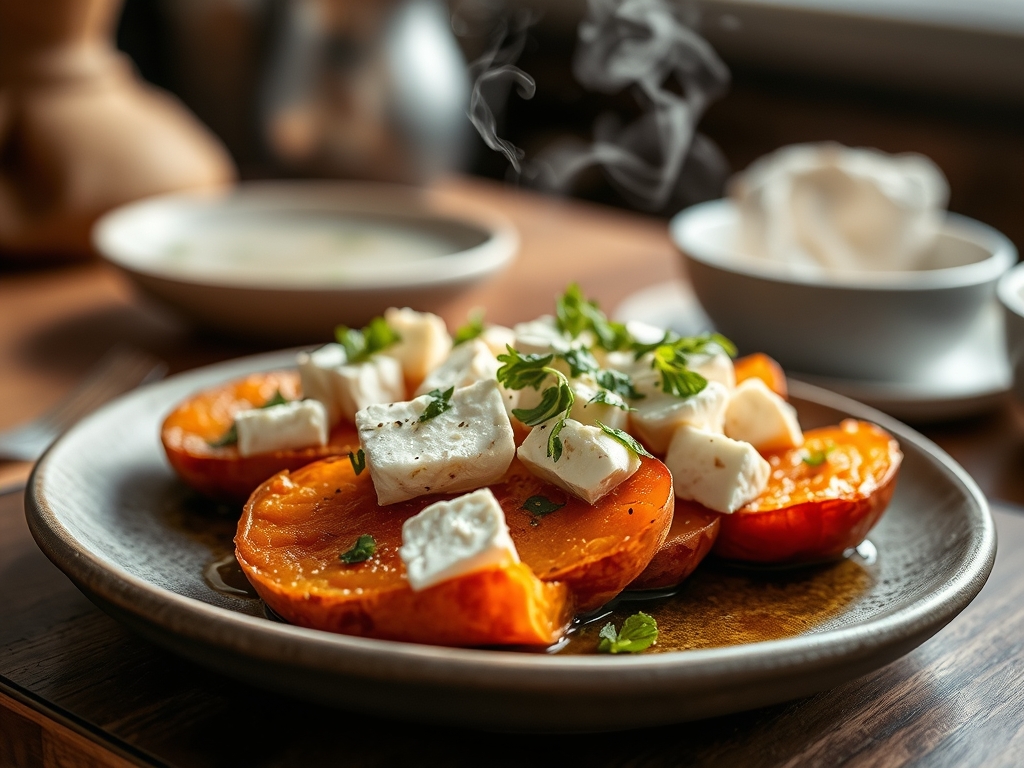
Imagine the scent of caramelized natural sugars meeting the sharp, salty tang of aged sheep's milk. It is a sensory collision that turns a humble root vegetable into a gourmet centerpiece. When you master feta and sweet potato recipes, you are balancing the heavy earthiness of complex carbohydrates with the bright, acidic lift of curdled brine. It is culinary alchemy at its finest.
The magic happens when the velvet texture of a roasted tuber meets the crumbly, piquant structure of a high-quality feta. This pairing works because it hits every part of your palate: sweet, salty, creamy, and sharp. Whether you are prepping a weekday lunch or a sophisticated dinner party, understanding the molecular harmony between these two ingredients is your secret weapon. We are moving beyond basic roasting into the realm of professional texture management and flavor layering.
This guide explores seven elegant ways to marry these ingredients. We will use heat to coax out the deep umami notes of the potato while keeping the feta structural and vibrant. Grab your apron and your sharpest chef's knife; we are about to elevate your kitchen game with precision and a bit of scientific flair.
The Gathers:
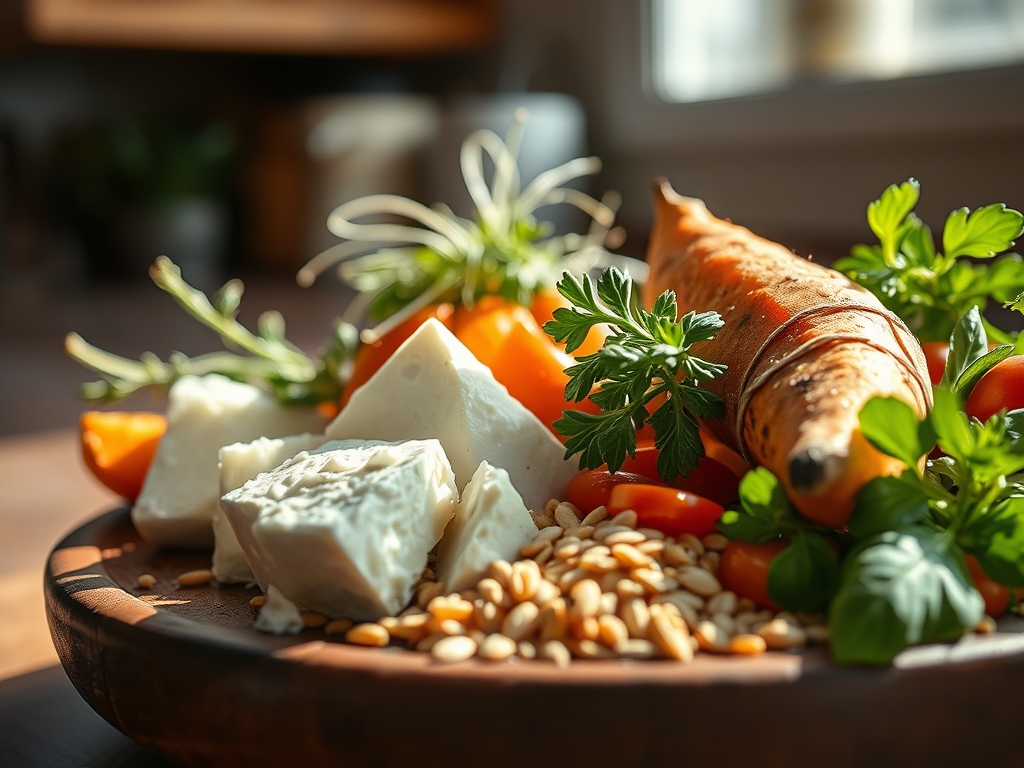
To execute these feta and sweet potato recipes with precision, your mise-en-place must be flawless. Start with the potatoes. You want firm, heavy tubers like the Beauregard or Jewel varieties. These have a high sugar content that facilitates the Maillard reaction, creating that deep brown crust we crave. For the feta, skip the pre-crumbled tubs. Buy a block preserved in brine; it retains a higher moisture content and a more viscous mouthfeel when heated.
You will also need a high-smoke-point fat like avocado oil or clarified butter to ensure the sugars do not scorch before the interior is tender. Fresh aromatics are non-negotiable. Think woody herbs like rosemary and thyme for roasting, or soft herbs like mint and dill for the finishing garnish. A splash of acid, such as white balsamic or lemon juice, is essential to degrease the palate after the richness of the cheese.
Smart Substitutions:
If you find feta too aggressive, try a Ricotta Salata for a milder, firmer bite. For a vegan alternative, use a fermented almond-based "feta" and toss the potatoes in nutritional yeast to mimic the savory depth. If sweet potatoes are unavailable, Kabocha squash offers a similar starch profile and sweetness level that pairs beautifully with salty brined cheeses.
The Clock:
Efficiency in the kitchen is about "Chef's Flow." This is the art of overlapping tasks so no time is wasted. For these recipes, the thermal inertia of the oven is your best friend. Total active prep time is usually 15 to 20 minutes, while total cook time ranges from 25 to 40 minutes depending on the cut of the vegetable.
Start by preheating your oven and your heavy-bottomed sheet pan simultaneously. This ensures that the moment the potatoes hit the metal, the moisture on the surface evaporates instantly, preventing steaming. While the vegetables roast, use your microplane to zest citrus or your saucier to reduce a balsamic glaze. By the time the potatoes reach their peak internal temperature of 210 degrees Fahrenheit, your garnishes and dressings should be staged and ready for assembly.
The Masterclass:
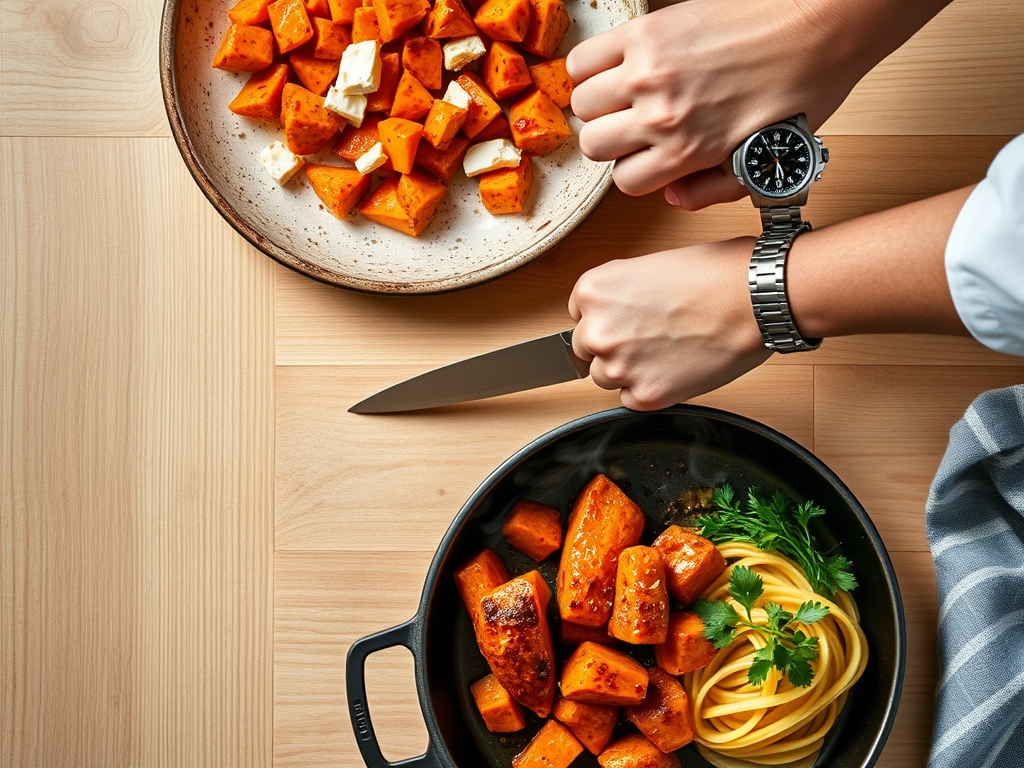
1. The Precision Dice and Toss
Use a sharp chef's knife to cut the potatoes into uniform 1-inch cubes. This ensures even heat distribution. Toss them in a large stainless steel bowl with oil and salt until every surface is glistening.
Pro Tip: This is the "Surface Area Principle." Smaller, uniform cubes increase the surface area available for browning. This maximizes the enzymatic browning process, creating more flavor compounds per bite.
2. The High-Heat Roast
Spread the cubes on a preheated baking sheet. Do not crowd the pan; if the pieces touch, they will trap steam and turn mushy. Roast at 425 degrees Fahrenheit until the edges are charred and the centers are soft.
Pro Tip: Avoid moving the potatoes for the first 15 minutes. This allows the sugars to caramelize undisturbed against the hot metal. Moving them too early breaks the developing crust and leads to sticking.
3. The Feta Tempering
While the potatoes are hot, crumble the feta directly over them. The residual heat will slightly soften the cheese without melting it into a puddle. This creates a beautiful contrast between the hot vegetable and the cool, creamy cheese.
Pro Tip: This utilizes thermal carryover. The heat from the potatoes gently warms the fats in the feta, releasing aromatic esters that make the cheese smell more floral and less pungent.
4. The Acidic Brightening
Drizzle a vinaigrette or a squeeze of fresh lemon over the mixture. Use a bench scraper or wide spatula to gently fold the ingredients, ensuring the feta remains in distinct chunks rather than becoming a paste.
Pro Tip: Acid acts as a molecular "cleanser." It breaks down the long-chain fats in the cheese on your tongue, making the dish taste lighter and more balanced rather than heavy and cloying.
The Deep Dive:
When we look at the macro nutrition of feta and sweet potato recipes, we see a powerhouse of beta-carotene, fiber, and protein. Sweet potatoes provide a steady release of glucose, while the protein and fat in the feta lower the overall glycemic index of the meal. This prevents the energy crash often associated with high-carb dishes.
Dietary Swaps:
For Keto enthusiasts, replace 75% of the sweet potato with roasted cauliflower to lower the net carbs while keeping the feta for satiety. For a Gluten-Free crowd, this dish is naturally safe, but ensure your spices are not bulked with flour-based anti-caking agents.
The Fix-It:
- Soggy Potatoes: Your oven temperature was too low or the pan was crowded. Fix it by finishing them under the broiler for 2 minutes to flash-evaporate surface moisture.
- Rubbery Feta: This happens if the feta is baked too long. Next time, add the cheese only in the last 5 minutes of cooking or as a post-roast garnish.
- Bland Flavor: You likely under-salted the potatoes before roasting. Add a splash of tamari or extra feta brine to inject immediate umami.
Meal Prep Science:
To reheat, avoid the microwave, which turns the potato starch into a gummy mess. Use an air fryer or a toaster oven at 350 degrees. This re-crisps the exterior through re-dehydration while keeping the interior moist.
The Wrap-Up:
Mastering the balance of sweet and salt is the hallmark of a sophisticated cook. By combining the earthy, caramelized notes of roasted sweet potatoes with the sharp, acidic punch of feta, you are creating a dish that is far greater than the sum of its parts. Remember to respect the science: use high heat for the Maillard reaction, keep your feta chilled until the last moment for texture, and never skip the final hit of acid. These techniques transform a simple side into a culinary statement. Go forth, get that pan screaming hot, and enjoy the delicious results of your kitchen chemistry!
The Kitchen Table:
Why does my feta melt instead of staying in chunks?
Feta has a high acid content, which usually prevents melting. However, low-quality "feta-style" cheeses made from cow's milk have different protein structures. Always use authentic sheep's milk feta for the best structural integrity when heated.
Can I roast the sweet potatoes ahead of time?
Yes, you can roast them up to three days in advance. To maintain texture, store them in an airtight container and reheat in a hot skillet or air fryer to re-crisp the skin before adding the fresh feta.
What is the best herb for this pairing?
Fresh mint is the "pro move." Its menthol properties provide a cooling sensation that cuts through the salt of the feta and the density of the potato, creating a refreshing, multi-dimensional flavor profile.
Should I peel the sweet potatoes?
Keep the skins on! The skin contains concentrated fiber and minerals. When roasted at high heat, the skin becomes crisp and provides a necessary textural contrast to the soft interior and creamy cheese.