
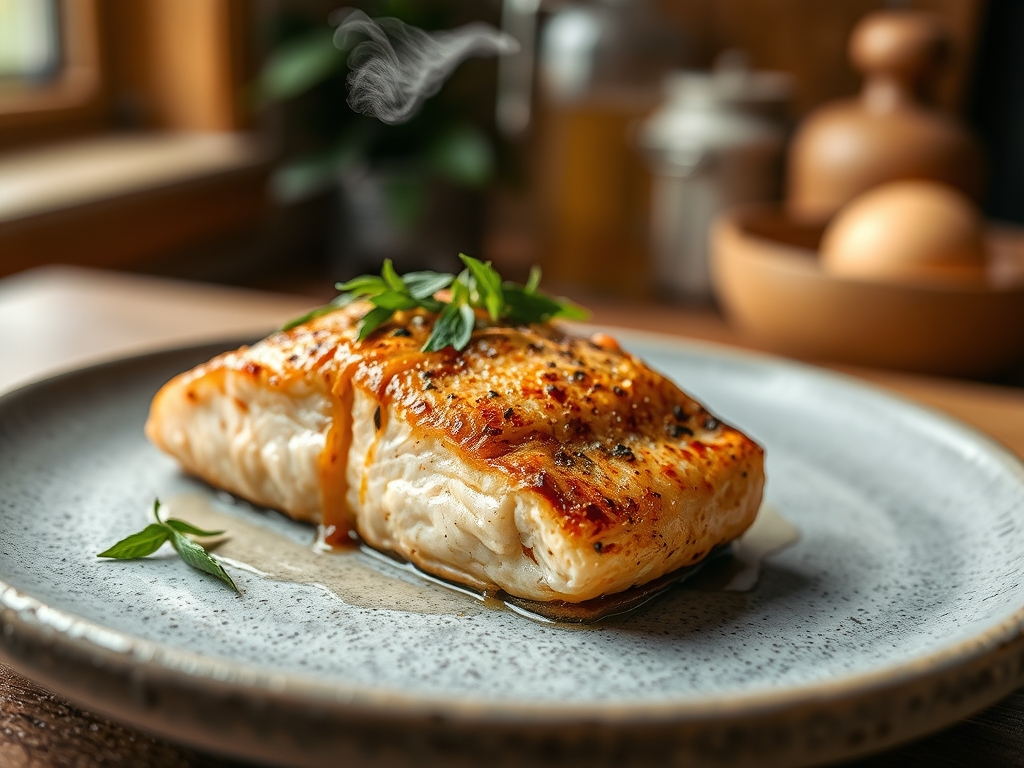
Picture this: the kitchen air is heavy with the intoxicating aroma of sizzling butter and the sharp, sulfuric bite of fresh alliums. You pull the tray from the oven, and the sound of the fat bubbling against the parchment paper is like a tiny, delicious applause. When you master garlic baked salmon recipes, you are not just making dinner; you are conducting a symphony of high-heat chemistry and delicate protein structures. We have all seen dry, gray fish that looks like it belongs in a cafeteria, but we are moving past that. We are aiming for that translucent, butter-soft center and a crust so pungent and golden it makes your heart skip a beat. This is about taking a simple fillet and elevating it through specific, scientific techniques that ensure every bite is a masterclass in texture and flavor. Grab your favorite apron and clear the counter. We are about to turn your kitchen into the best bistro in town with a recipe that is as smart as it is flavorful.
The Gathers:
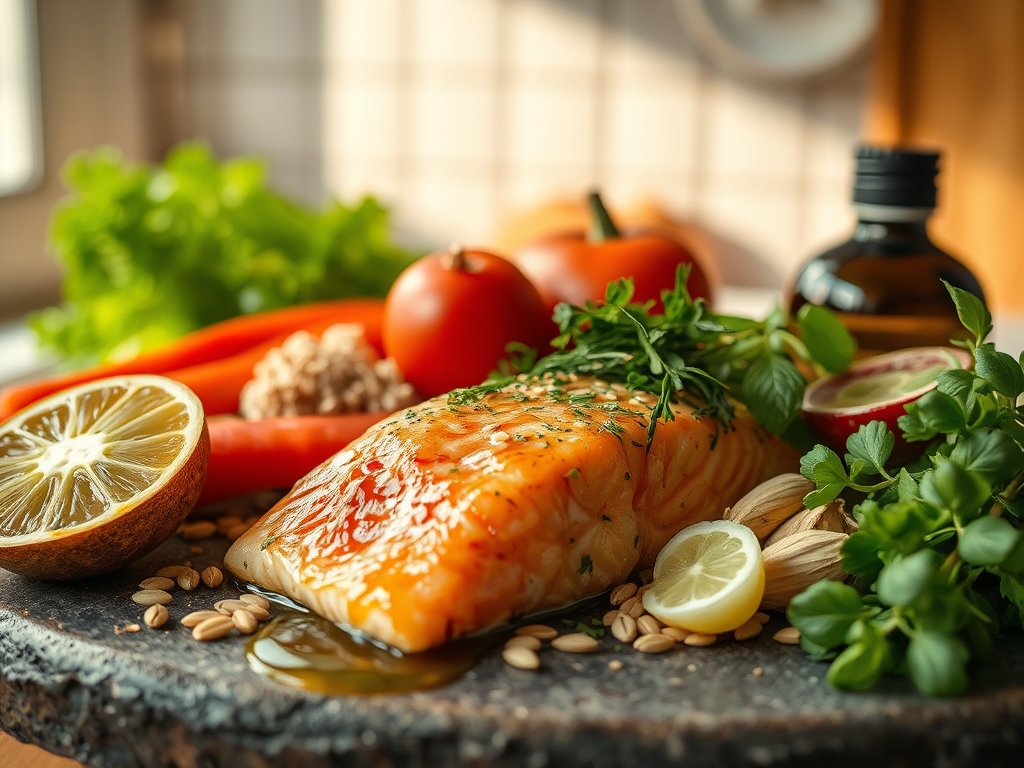
To achieve the perfect result, your mise-en-place must be intentional. We start with a high-quality side of Atlantic or King salmon, ideally weighing about two pounds. You will need a microplane for the garlic to create a paste; this increases the surface area for maximum flavor release. Gather four cloves of garlic, three tablespoons of unsalted butter (which allows you to control the salinity), and a high-smoke-point oil like avocado oil to prevent premature scorching.
For the aromatics, you need fresh sprigs of thyme and rosemary. The volatile oils in fresh herbs are far more viscous and potent than their dried counterparts. You will also need the zest and juice of one organic lemon to provide a piquant acidity that cuts through the fatty acids of the fish. Finally, grab a pinch of smoked paprika and high-quality sea salt.
Smart Substitutions: If you are avoiding dairy, a high-quality vegan butter substitute with a high fat-to-water ratio works beautifully. If you find fresh garlic too aggressive, try using roasted garlic cloves mashed into a paste; this provides a mellow, caramelized sweetness that is less sharp but deeply savory.
The Clock: Chef's Flow
Efficiency in the kitchen is about understanding the "Chef's Flow." Total preparation time is approximately 10 minutes, while the actual oven time spans 12 to 15 minutes depending on the thickness of your fillet. However, the most important part of the clock is the five-minute rest period after the fish leaves the heat.
The "Chef's Flow" looks like this: Pre-heat your oven to 400 degrees Fahrenheit while you bring the salmon to room temperature. Use this time to aerate your butter and garlic mixture. By the time the oven chime sounds, your fish should be seasoned and ready to slide onto the middle rack. This overlap ensures that the fish does not sit in its own juices for too long, preventing the skin from becoming soggy before it even hits the heat.
The Masterclass:
1. Temper the Protein
Before you even think about the oven, take your salmon out of the refrigerator for at least 15 minutes. Use a paper towel to pat the surface bone-dry. Moisture is the enemy of the Maillard reaction, which is the chemical reaction between amino acids and reducing sugars that gives browned food its distinctive flavor.
Pro Tip: Tempering the fish ensures the internal temperature rises evenly. If the center is ice-cold while the exterior is room temperature, the outside will overcook and become fibrous before the middle reaches safety.
2. Create the Emulsified Garlic Butter
Using a small saucier or microwave-safe bowl, melt your butter until it is just liquid but not bubbling. Whisk in your microplaned garlic, lemon zest, and herbs. You want to create a thick, viscous slurry that will cling to the fish rather than running off onto the pan.
Pro Tip: Whisking the garlic into the warm butter allows the fat to infuse with the garlic's essential oils (allicin) before it hits the oven, ensuring a deeper flavor profile that permeates the top layer of the meat.
3. The Precision Seasoning
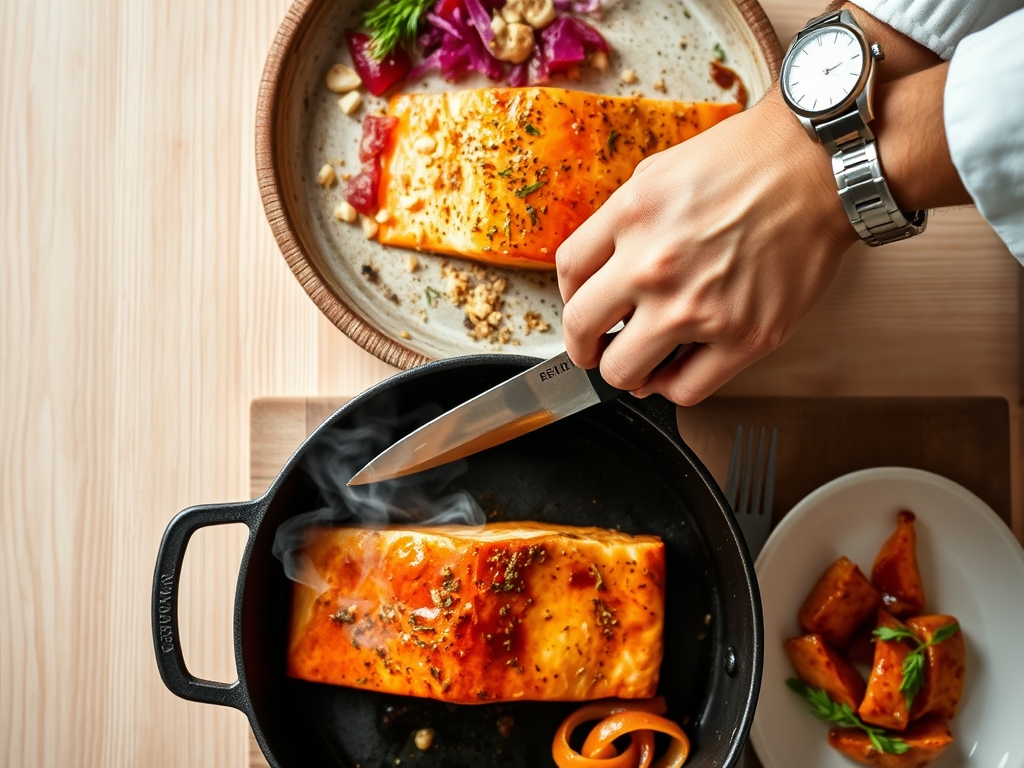
Place your salmon on a parchment-lined baking sheet. Use a digital scale if you want to be precise with your salt ratios, but generally, a generous sprinkle of sea salt from a height of six inches ensures even distribution. Apply the garlic butter mixture using a silicone brush, coating every millimeter of the surface.
Pro Tip: Salting the fish just before it enters the oven prevents the salt from drawing out too much moisture via osmosis, which can lead to a tough, rubbery texture.
4. The High-Heat Roast
Slide the tray into the center of the oven. We are looking for the protein to render its fats slowly while the garlic bits on top begin to toast. Monitor the fish closely. You are looking for the thickest part of the salmon to feel firm but still have a slight "give" when pressed with your finger.
Pro Tip: Using the middle rack allows for even convection of hot air. If the rack is too high, the garlic will burn before the fish is done; if it is too low, the bottom will overcook.
5. The Rest and Carryover
Once the internal temperature hits 130 degrees Fahrenheit, remove the tray. Transfer the salmon to a warm plate using wide tongs or a fish spatula. Cover it loosely with foil for five minutes.
Pro Tip: This stage utilizes thermal carryover. The residual heat will continue to cook the fish to a perfect 135 or 140 degrees Fahrenheit while allowing the muscle fibers to relax and reabsorb their juices.
6. The Bright Finish
Just before serving, squeeze fresh lemon juice over the top and add a final sprinkle of fresh parsley. This adds a "top note" of brightness that balances the heavy, savory fats of the garlic and butter.
Pro Tip: Adding acid at the very end prevents the lemon from "cooking" the fish further (like a ceviche) and keeps the colors vibrant rather than dulling them during the baking process.
The Deep Dive:
From a macro nutrition perspective, garlic baked salmon recipes are a powerhouse. A six-ounce serving provides roughly 34 grams of high-quality protein and is rich in Omega-3 fatty acids, which are essential for brain health. It is naturally low-carb, making it a staple for Keto and Paleo lifestyles.
Dietary Swaps: For a vegan "salmon," you can use thick slabs of roasted cauliflower or firm tofu, though you should increase the roasting time for cauliflower to ensure a tender core. For a Gluten-Free version, this recipe is already perfect, as it relies on whole ingredients rather than fillers.
The Fix-It:
- White Gunk (Albumin): If you see white liquid seeping out, your oven is too hot or you overcooked the fish. Fix it by lowering the temp next time or pulling the fish 2 minutes earlier.
- Burnt Garlic: If the garlic turns bitter and black, your butter didn't have enough volume. Fix it by adding a teaspoon of olive oil to the butter to raise the burn point.
- Soggy Skin: If the skin isn't crisp, you didn't dry the fish enough. Fix it by using a bench scraper to ensure no moisture remains on the skin side before oiling.
Meal Prep: To reheat without losing quality, avoid the microwave. Place the salmon in a covered pan with a splash of water over low heat for three minutes. This creates a steam chamber that restores moisture to the fats.
The Wrap-Up:
Mastering garlic baked salmon recipes is a total game-changer for your weekly rotation. It is the perfect blend of sophisticated flavor and "I just threw this together" ease. By focusing on the science of temperature control and the chemistry of emulsified fats, you are ensuring a restaurant-quality meal every single time. Now, go grab that microplane and show that garlic who is boss!
The Kitchen Table:
How do I know when the salmon is done?
The salmon is done when it reaches an internal temperature of 135 degrees Fahrenheit. The flesh should be opaque and flake easily with a fork at the thickest part. Always allow a five-minute rest for the juices to redistribute.
Can I use frozen salmon for this recipe?
Yes, but you must thaw it completely in the refrigerator first. Pat it extremely dry with paper towels to remove excess moisture, as frozen fish tends to release more water during the baking process, which can affect the crust.
Why does my garlic taste bitter after baking?
Garlic becomes bitter if it burns. To prevent this, ensure the garlic is thoroughly coated in butter or oil. You can also slice the garlic thinly instead of mincing it to increase its resistance to high heat during the roasting process.
What are the best sides for garlic salmon?
Light, acidic sides work best to balance the richness. Consider roasted asparagus with lemon, a crisp arugula salad, or quinoa pilaf. These provide a textural contrast and help cut through the fatty acids of the fish and the butter sauce.