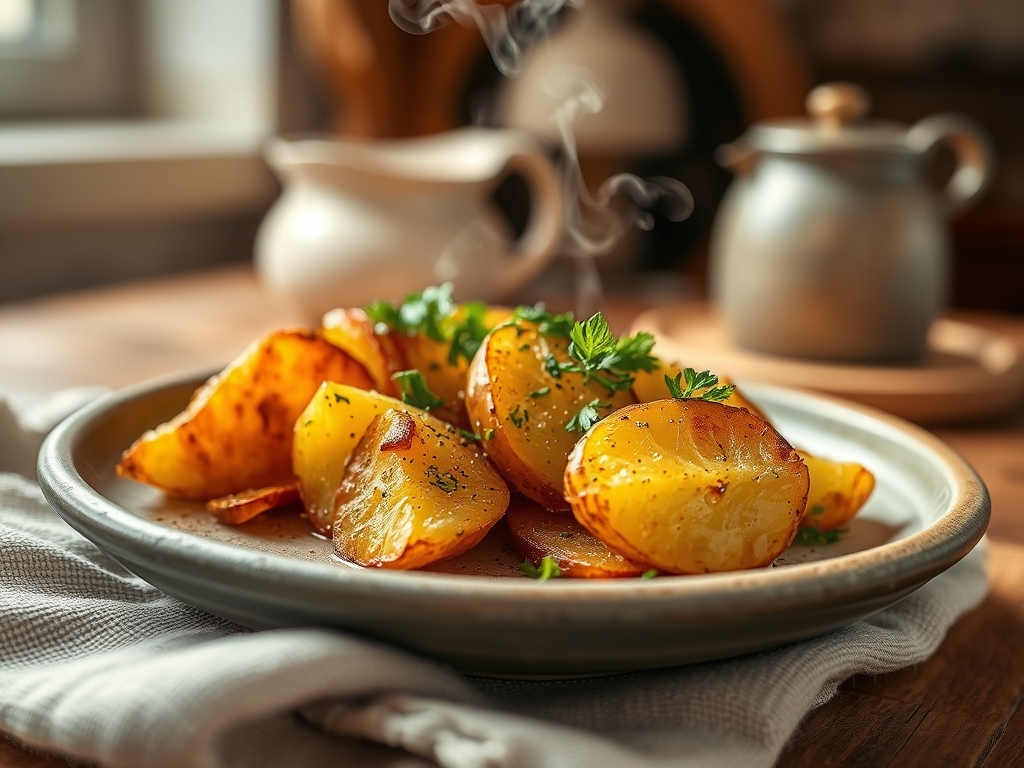
Imagine the scent of salted butter hitting a searing hot cast iron skillet while the outside air turns crisp and grey. There is something deeply primal about a potato. It is the humble architect of comfort. When you are looking for irish potato recipes easy enough for a weeknight but soulful enough for a Sunday feast, you are looking for the perfect marriage of starch and fat. Irish cuisine is not just about boiling things until they surrender; it is a masterclass in texture. We are talking about the golden, lacy crust of a boxty and the cloud-like aeration of a proper colcannon. To master these six dishes, we have to look past the peel and understand the cellular structure of the tuber itself. It is time to turn your kitchen into a sanctuary of golden, buttery goodness.
The Gathers:
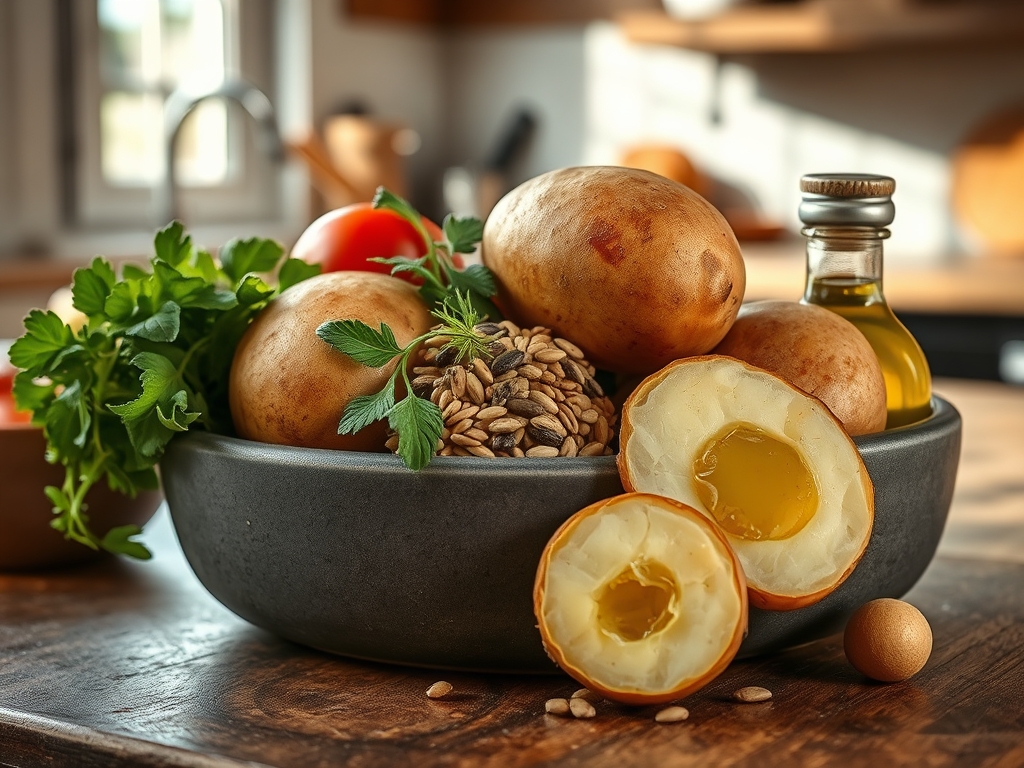
To execute these irish potato recipes easy style, your mise-en-place must be precise. You will need high-starch Russets for fluffiness and waxy Yukon Golds for dishes requiring structural integrity. Your dairy should be high-fat; look for European-style butter with at least 82 percent butterfat to ensure a viscous, velvety mouthfeel. Fresh chives, scallions, and curly kale provide the necessary piquant bite to cut through the richness.
Smart Substitutions:
If you lack heavy cream, a full-fat buttermilk adds a beautiful acidity that brightens the earthy notes of the potato. For a vegan twist, use refined coconut oil for frying to maintain a high smoke point, and swap cream for cashew milk thickened with a touch of nutritional yeast to mimic that savory, umami depth. Always use a digital scale to measure your flour for potato bread; volume measurements are the enemy of consistency in starch-heavy doughs.
The Clock
Efficiency in the kitchen is about the Chef's Flow. This is the art of overlapping tasks so that no burner sits idle.
- Prep Time: 25 minutes. This involves the mechanical breakdown: peeling, dicing, and finely shredding. Use a bench scraper to move your piles of starch efficiently.
- Cook Time: 45 to 60 minutes depending on the dish.
- Total Time: Approximately 1 hour and 25 minutes.
The flow begins with the "Big Boil." While your base potatoes are simmering for mash-based recipes like Champ or Colcannon, you should be grating raw potatoes for Boxty. By the time the steam rises from the pot, your skillet should already be preheated. This staggered approach ensures that every component hits the table at its peak thermal state.
The Masterclass
1. The Classic Colcannon Fold
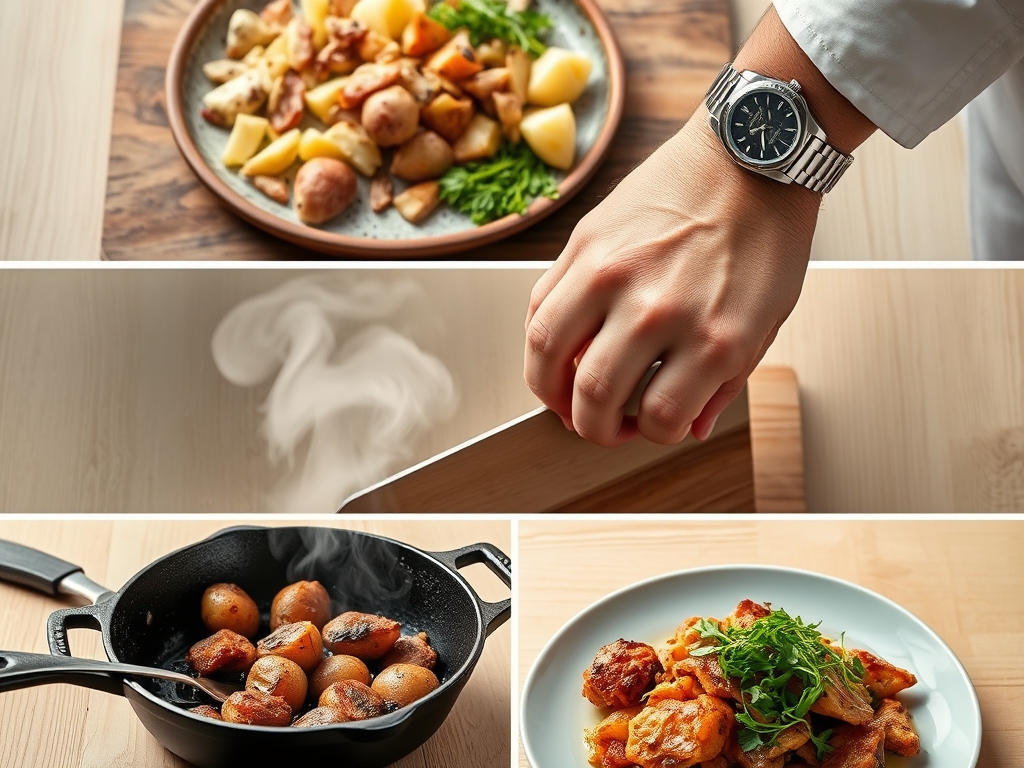
Boil your Yukon Golds until fork-tender, then pass them through a ricer for a lump-free texture. Sauté finely shredded kale in a heavy-bottomed skillet with copious amounts of butter until the leaves render their moisture and soften. Fold the greens into the potatoes with a splash of warm cream.
Pro Tip: This relies on starch gelatinization. By heating the cream before adding it, you prevent the potato starch from seizing, which creates a gluey texture.
2. Traditional Boxty Pancakes
Mix equal parts grated raw potato and leftover mashed potato with a hint of baking soda and flour. Fry the batter in a saucier or flat griddle until the edges are translucent and the center is set.
Pro Tip: Use a clean kitchen towel to wring every drop of liquid out of the raw shavings. This prevents the Leidenfrost effect from steaming the pancake instead of frying it, ensuring a crisp exterior.
3. Dublin Coddle Potatoes
In a deep pot, layer sliced potatoes with high-quality pork sausages and thick-cut bacon. Cover with a light chicken stock and simmer low and slow.
Pro Tip: This dish utilizes osmotic pressure. The salt from the bacon travels into the potatoes, seasoning them from the inside out while the starch thickens the simmering liquid into a silky gravy.
4. Creamy Irish Champ
This is all about the infusion. Simmer chopped scallions in whole milk before mashing it into your potatoes. Create a "well" in the center for a pool of melted butter.
Pro Tip: The scallions undergo a lipid-soluble flavor extraction. The fats in the milk pull the essential oils out of the greens, distributing the flavor more evenly than raw garnishes ever could.
5. Irish Potato Bread (Farls)
Knead warm mashed potatoes with just enough flour to form a dough. Roll it into a circle, cut it into quarters, and toast them on a dry griddle.
Pro Tip: Avoid overworking the dough to prevent gluten development. You want the structure to come from the potato solids, not a rubbery protein web, keeping the bread tender and flaky.
6. Roast Potatoes with Rosemary
Parboil your potatoes for eight minutes, shake them in the pot to roughen the edges, and roast in hot beef tallow or duck fat.
Pro Tip: Roughening the surface area increases the sites for the Maillard reaction. Those fuzzy, starchy bits transform into the crunchy, golden crust that defines a perfect roastie.
The Deep Dive
Macro Nutrition:
Potatoes are a nutritional powerhouse, offering more potassium than a banana and a solid hit of Vitamin C. While these recipes are fat-forward, the satiety index of a potato is incredibly high, meaning you feel fuller faster.
Dietary Swaps:
- Keto: Swap potatoes for cauliflower florets. Use xanthan gum to mimic the viscous nature of potato starch in soups.
- Vegan: Use high-quality vegan butter and oat milk. The proteins in oat milk brown similarly to dairy milk during the cooking process.
The Fix-It:
- Gummy Mash: You over-mixed and broke the starch granules. Fix it by spreading the mash in a baking dish, topping with cheese, and turning it into a gratin.
- Soggy Boxty: Too much moisture in the raw potato. Next time, use a microplane for finer shreds and squeeze harder.
- Bland Center: You forgot to salt the boiling water. Fix it by folding in a salty fat, like grated parmesan or crumbled bacon, at the end.
Meal Prep & Reheating:
To maintain "day-one" quality, avoid the microwave. Reheat potato cakes or farls in a dry skillet to re-crisp the exterior. For mash, add a tablespoon of milk and heat gently in a small saucier to re-emulsify the fats.
The Wrap-Up
Mastering these irish potato recipes easy techniques transforms you from a home cook into a culinary alchemist. You are now equipped to handle starch like a pro; using heat, fat, and physics to create soul-warming meals. Whether you are flipping farls or ricing the perfect colcannon, remember that the secret is in the details. Go forth, grab your tongs, and let the golden browning begin. Your kitchen is about to smell like an Irish countryside dream.
The Kitchen Table
Which potato is best for Irish recipes?
High-starch varieties like Russets are best for fluffy mashes and farls. Waxy potatoes like Yukon Golds hold their shape beautifully in stews or coddles. Always choose based on whether you want the potato to dissolve or stand firm.
How do I stop my potatoes from turning brown?
Peel and cut your potatoes directly into a bowl of cold water. This prevents enzymatic browning by blocking oxygen from hitting the surface. Add a splash of lemon juice or vinegar for extra protection if prepping hours in advance.
Can I make Irish potato bread ahead of time?
Yes; you can prepare the dough and store it in the fridge for twenty-four hours. For the best texture, cook them fresh on the griddle. Leftover cooked farls can be toasted in a pan with a little butter.
Why are my mashed potatoes gluey?
Gluey potatoes happen when you overwork the starch granules, usually by using a food processor or over-mashing. Use a ricer or a hand masher to keep the granules intact for a light, fluffy, and aerated result every time.