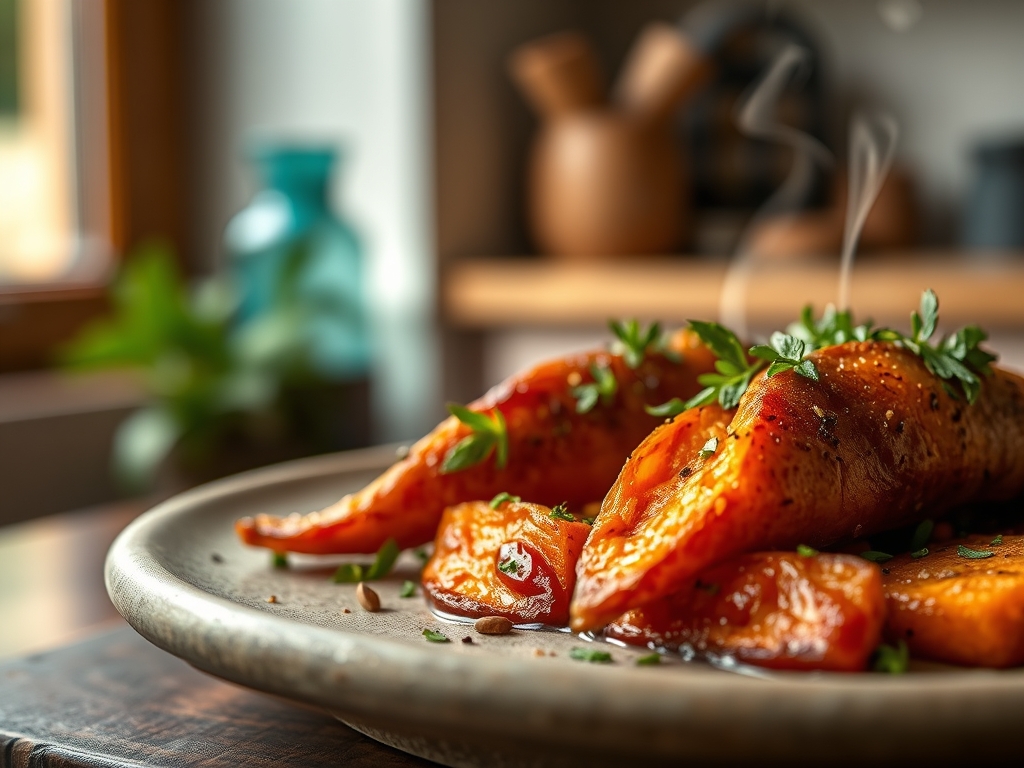
Imagine the scent of caramelized sugars wafting through a kitchen as a heavy-bottomed skillet works its magic on a humble tuber. We are diving into the world of sweet potato recipes for vegans, where the starch transforms into a velvet masterpiece. These roots are not just side dishes; they are the structural backbone of plant-based luxury. Whether you are craving a smoky chipotle mash or a crisp roasted wedge, the secret lies in the molecular breakdown of complex carbohydrates into maltose. We are going to master ten distinct ways to elevate this orange gem, ensuring every bite is a perfect balance of texture and piquant flair.
The Gathers:
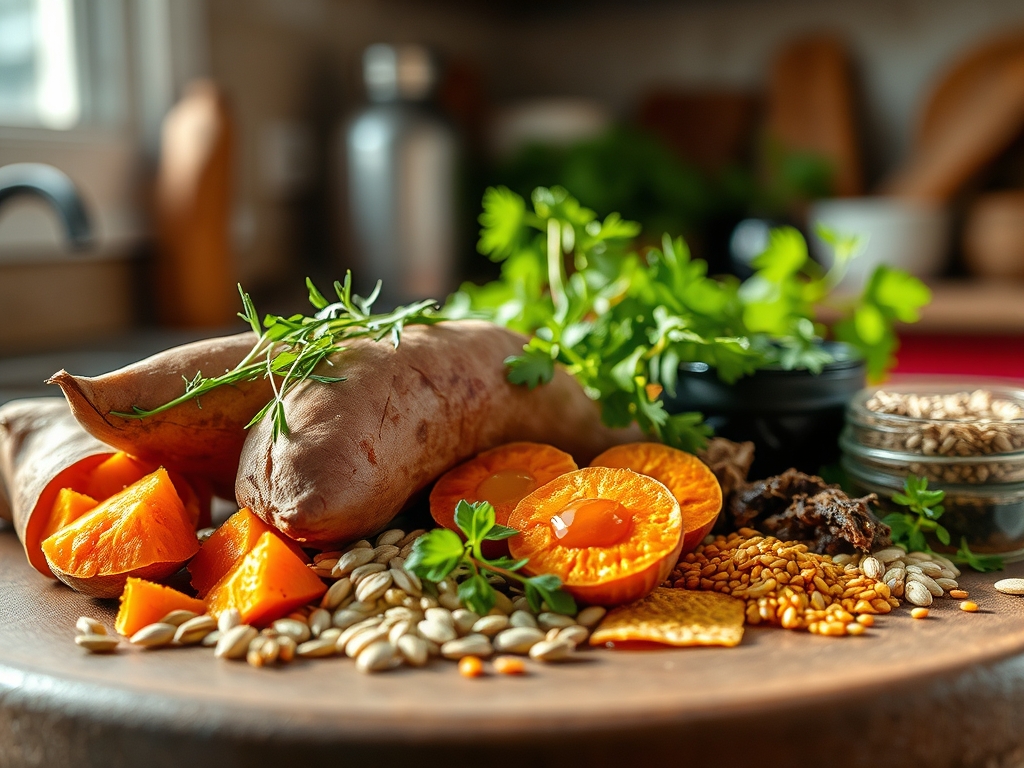
To achieve culinary excellence, your mise-en-place must be precise. Start with firm, jewel-toned Garnet or Beauregard potatoes. These varieties contain a higher moisture content, which is essential for achieving a viscous interior while the skin undergoes the Maillard reaction. You will need a high-quality microplane for zesting aromatics and a digital scale to ensure your dry ingredients for savory waffles or gnocchi are measured to the gram.
Smart substitutions are the hallmark of a savvy vegan chef. Instead of heavy cream, we utilize full-fat coconut milk or cashew cream to provide the necessary lipids for a luscious mouthfeel. If a recipe calls for honey, reach for high-grade maple syrup or agave nectar to maintain the vegan integrity without sacrificing the depth of flavor. For binding, a flaxseed slurry or chickpea flour provides the structural protein needed to keep your fritters from disintegrating in the pan. Do not forget the acids; a splash of apple cider vinegar or a squeeze of lime is vital to cut through the density of the starch.
The Clock:
The "Chef's Flow" is all about maximizing efficiency through thermal management. Total preparation for these ten dishes varies, but expect a 15-minute active prep time followed by 30 to 45 minutes of thermal processing. The strategy is to start with your longest-running task, usually roasting the whole tubers, while you utilize your bench scraper to clear your station for the faster, high-heat sautéing tasks.
By the time the oven timer chimes, your aromatics should be infused into your oils and your garnishes should be finely minced. This staggered approach ensures that every component reaches the plate at its peak temperature. Remember that sweet potatoes have high thermal mass; they retain heat significantly longer than leafy greens, allowing you a generous window for final plating and aesthetic adjustments.
The Masterclass:
1. The Ultimate Roasted Wedge
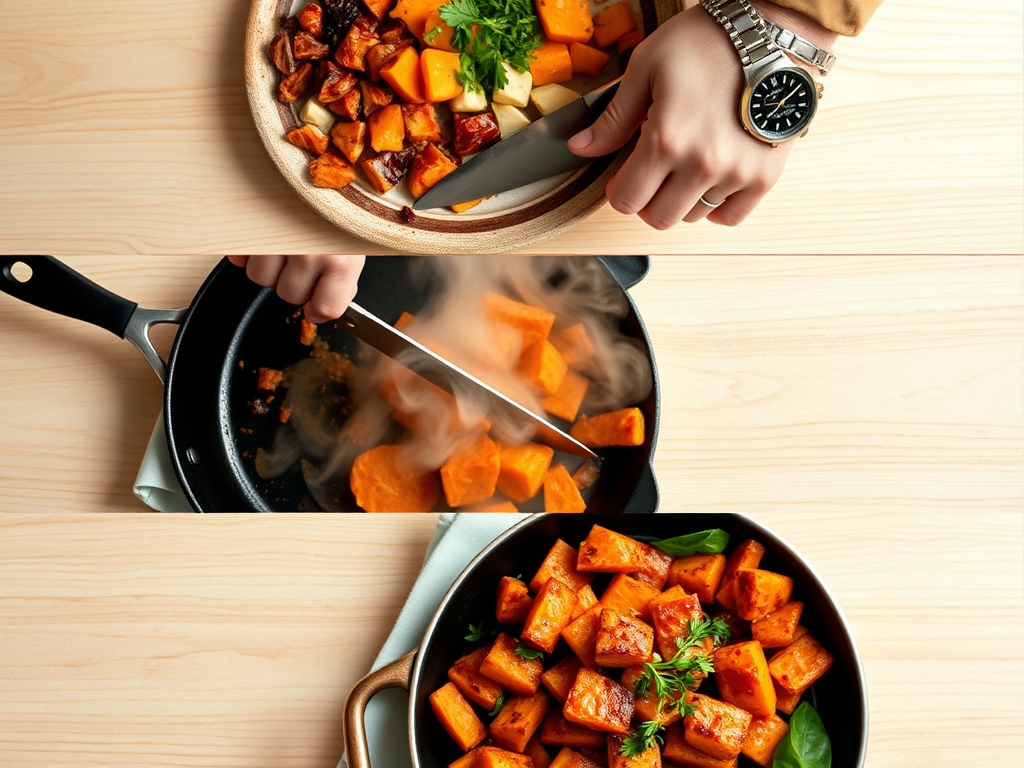
Cut your potatoes into uniform wedges to ensure even heat distribution. Toss them in a bowl with avocado oil, which has a high smoke point, and sea salt. Arrange them on a parchment-lined sheet pan, ensuring no two pieces touch.
Pro Tip: This prevents steaming and encourages evaporative cooling on the surface, which is the key to a crispy exterior. If they are crowded, the moisture trapped between them will result in a soggy texture rather than a crunch.
2. Velvet Miso Mash
Boil peeled chunks until they are fork-tender, then pass them through a food mill or a fine-mesh sieve for a professional, lump-free consistency. Fold in white miso paste and a touch of vegan butter.
Pro Tip: Using a food mill instead of a blender prevents the starch granules from shearing. Over-processing breaks the starch molecules, turning your elegant mash into a gummy, glue-like substance.
3. Smoky Sweet Potato Tacos
Dice the tubers into half-inch cubes and sauté in a heavy-bottomed skillet with smoked paprika and cumin. The goal is to develop a deep brown crust on at least two sides of every cube.
Pro Tip: Do not salt the potatoes until the very end. Salt draws out moisture via osmosis, which can interfere with the searing process and prevent the sugars from caramelizing properly.
4. Sweet Potato and Black Bean Fritters
Grate the raw potato and squeeze out every drop of excess liquid using a clean kitchen towel. Mix with black beans, flour, and spices before pan-frying.
Pro Tip: Removing the water is essential for structural integrity. Excess moisture creates steam pockets that cause the fritter to fall apart when flipped with your tongs.
5. Stuffed Breakfast Boats
Bake the potatoes whole until the skins are papery and the insides are soft. Slice them open and fluff the interior with a fork before adding almond butter and hemp seeds.
Pro Tip: This relies on thermal carryover. If you pull them from the oven when they are just barely soft, the internal residual heat will finish the softening process while you prep your toppings.
6. Creamy Sweet Potato Saucier Pasta
Blend roasted sweet potato with nutritional yeast, garlic, and pasta water to create a thick, golden sauce. Toss with rigatoni for a comforting, vitamin-rich meal.
Pro Tip: The starch in the pasta water acts as an emulsifier, helping the fats from the nuts or oils bond with the water-based potato puree for a silky finish.
7. Sweet Potato Gnocchi
Combine mashed potato with "00" flour and a pinch of nutmeg. Roll into long ropes and cut into small pillows using a bench scraper.
Pro Tip: Work the dough as little as possible. Over-kneading develops gluten, which will make your gnocchi tough and chewy rather than light and airy.
8. Spiralized Zesty Noodles
Use a spiralizer to create long strands of potato, then flash-fry them in a wok with ginger and soy sauce. This is a fantastic low-carb alternative to traditional noodles.
Pro Tip: High-heat stir-frying causes enzymatic browning to happen rapidly, locking in the natural sweetness before the strands lose their structural snap.
9. Sweet Potato Flatbread
Mix two parts mashed potato with one part flour to create a pliable dough. Roll it thin and sear it on a hot griddle until charred spots appear.
Pro Tip: The moisture in the potato creates steam during the cooking process, which acts as a natural leavening agent to aerate the flatbread from the inside.
10. Hasselback Maple Glazed Potatoes
Make thin slices across the potato without cutting all the way through. Brush with a maple-balsamic glaze and roast until the edges are curled and crisp.
Pro Tip: The increased surface area allows for more Maillard reaction sites, intensifying the flavor profile through the concentration of natural sugars.
The Deep Dive:
From a macro perspective, sweet potatoes are a powerhouse of complex carbohydrates and beta-carotene. One medium potato provides over 400 percent of your daily vitamin A needs. For those following a Keto lifestyle, keep portions small and focus on the fiber content to manage net carbs. If you are Gluten-Free, ensure your thickeners are arrowroot or cornstarch rather than wheat flour.
"The Fix-It" guide for common pitfalls:
- The Soggy Fry: If your fries are limp, it is likely due to starch buildup. Soak raw cuts in cold water for 30 minutes to remove surface starch, then dry thoroughly before frying.
- The Bitter Burn: If your glaze tastes bitter, the sugars have carbonized. Reduce your oven temperature by 25 degrees or add the glaze during the last 10 minutes of cooking.
- The Grainy Puree: This happens when the potato is undercooked. To fix it, add a splash of warm plant milk and pass the mixture through a fine chinois or sieve to catch the fibers.
For meal prep, reheating science is key. Avoid the microwave, which turns starch into a rubbery mess. Instead, use an air fryer or a toaster oven at 350 degrees. This re-activates the exterior fats and crisps the skin, restoring that "day-one" quality.
The Wrap-Up:
Mastering sweet potato recipes for vegans is about more than just following a list; it is about understanding the chemistry of the kitchen. From the way a saucier helps you emulsify a perfect sauce to the precision of a digital scale, these tools and techniques turn a basic root vegetable into a culinary event. Now that you have the scientific secrets and the chef-level tips, go forth and turn your kitchen into a plant-based laboratory of deliciousness!
The Kitchen Table:
How do I stop sweet potatoes from getting mushy?
Ensure you do not crowd the roasting pan. Leaving space between the pieces allows steam to escape, which promotes a crisp exterior through dry-heat convection rather than moisture-trapping steaming.
Can I eat the skin of the sweet potato?
Yes, the skin is highly nutritious and contains significant fiber. When roasted correctly with a light coating of oil, the skin becomes pleasantly crisp and adds a rustic texture to your dish.
What is the best way to store leftovers?
Store them in an airtight glass container in the refrigerator for up to five days. To maintain texture, reheat them in an oven or air fryer rather than a microwave to preserve the crispness.
Why are my sweet potatoes turning brown after cutting?
This is called enzymatic browning. To prevent it, submerge your cut potatoes in cold water until you are ready to cook. This blocks oxygen from reacting with the enzymes in the potato flesh.