
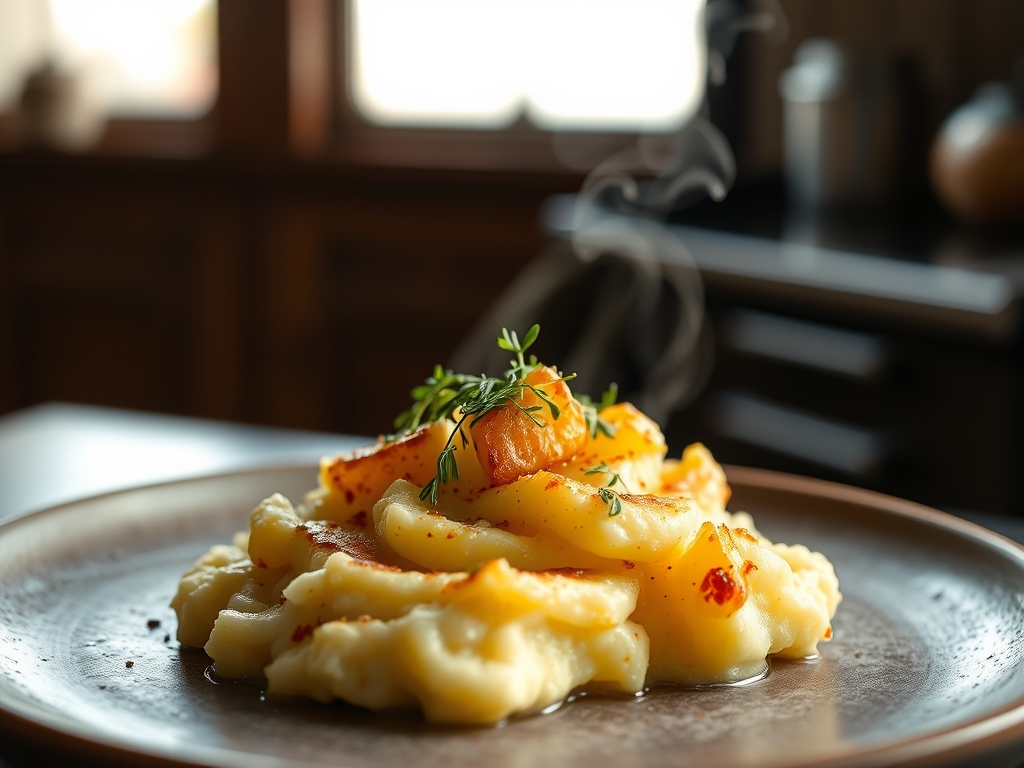
Imagine a cloud of steam rising from a heavy bottomed saucier; it carries the scent of nutty brown butter and the earthy, comforting aroma of a perfectly cooked Yukon Gold. Achieving the legendary silkiness found in gordon ramsay mashed potato recipes is less about luck and more about mastering the molecular dance between starch and fat. We are going to transform the humble tuber into a velvet masterpiece that defies gravity.
The secret to that signature Michelin star finish lies in the balance of moisture and aeration. Most home cooks treat potatoes as a side dish, but in Gordon's world, they are a technical showcase. We are talking about a texture so refined it feels like silk on the tongue; a feat achieved through precise temperature control and the aggressive incorporation of cold fats into hot solids. Whether you are prepping for a Sunday roast or a high stakes dinner party, these techniques will ensure your mash is never gummy, never bland, and always the star of the plate.
The Gathers:
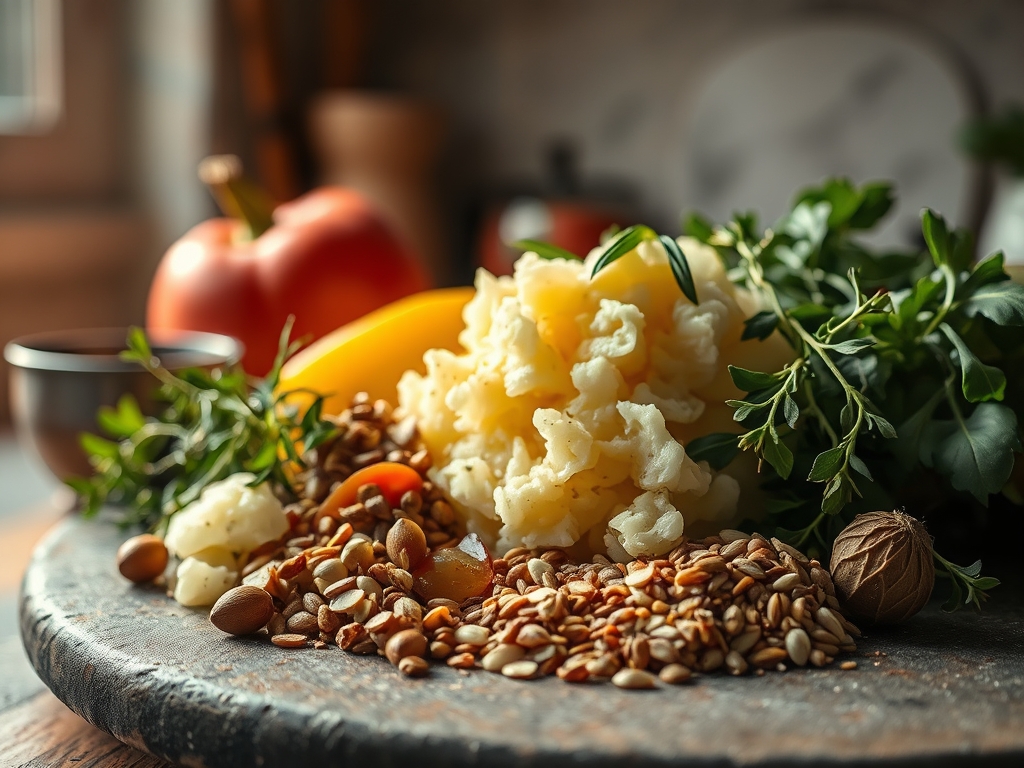
To execute gordon ramsay mashed potato recipes with precision, your mise-en-place must be flawless. Start with high starch potatoes like Yukon Golds or Russets. These varieties possess a high amylopectin content, which is essential for a fluffy, non-waxy result. You will need high quality European style butter; look for a brand with at least 82 percent butterfat. This ensures a lower water content, preventing your emulsion from breaking.
Your dairy should be heavy cream or whole milk, infused with aromatics like bruised garlic cloves, sprigs of fresh thyme, and a single bay leaf. For seasoning, use fine sea salt to ensure rapid dissolution and a microplane to grate fresh nutmeg for a subtle, earthy undertone.
Smart Substitutions:
If you are looking for a lighter profile, swap half the heavy cream for a rich chicken bone broth to maintain a savory depth. For a sharper edge, whisk in a tablespoon of creme fraiche or mascarpone right before serving. If you lack Yukon Golds, a 50/50 mix of Russets and red bliss potatoes can provide a unique balance of fluff and structure.
The Clock:
Mastering the "Chef's Flow" is about timing your thermal transitions. Expect a total time of 45 minutes from peel to plate.
- Prep (10 Minutes): Peeling, dicing into uniform two inch cubes, and prepping the infusion.
- The Simmer (20 Minutes): Potatoes must start in cold, salted water to ensure the exterior does not disintegrate before the core reaches 210 degrees Fahrenheit.
- The Dry and Pass (5 Minutes): This is the critical window where you remove excess moisture.
- The Emulsion (10 Minutes): Incorporating fats while the starch is at its most receptive temperature.
The Masterclass:
1. The Cold Start
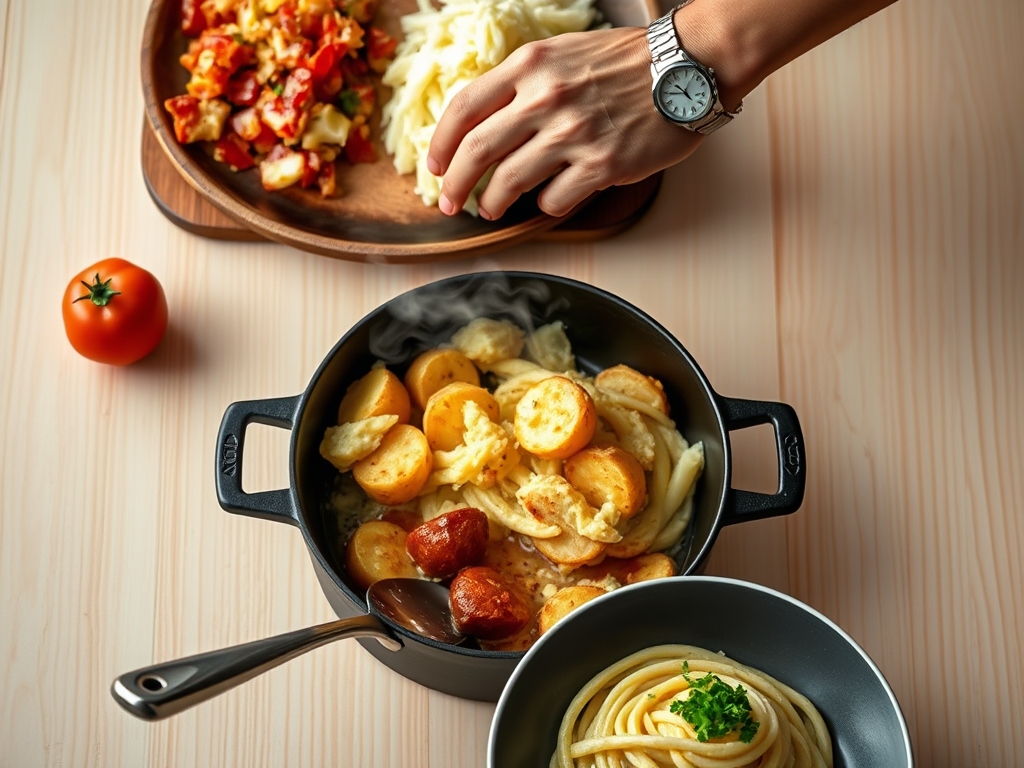
Place your uniform potato cubes into a large pot and cover with cold water. Add a generous handful of salt. Starting with cold water allows the heat to penetrate the starch granules evenly from the outside in.
Pro Tip: This prevents the "sloughing" effect where the outside overcooks and turns to glue while the inside remains crunchy; a process known as starch gelatinization control.
2. The Infusion
While the potatoes simmer, place your cream, butter, garlic, and herbs into a small saucepan over low heat. Do not boil; you want to gently extract the essential oils from the herbs without scorching the milk solids.
Pro Tip: Infusing the dairy ensures the flavor is distributed at a molecular level rather than just sitting on the surface of the mash.
3. The Steam Dry
Once the potatoes are fork tender, drain them thoroughly. Return them to the hot pot for sixty seconds over low heat, shaking them gently. You will see steam rising rapidly.
Pro Tip: This is the "Dry Out" phase. Removing residual water allows the potato to act like a dry sponge, ready to soak up the maximum amount of butter and cream.
4. The Ricer Revolution
Never use a hand mixer or a food processor. Use a fine mesh potato ricer or a food mill to pass the potatoes into a clean bowl. This aerates the starch and prevents the development of gluten like elasticity.
Pro Tip: Using a ricer minimizes mechanical agitation, which keeps the starch granules intact and prevents the texture from becoming "gummy."
5. The Emulsion Fold
Slowly stream in your warm, strained infusion while folding with a silicone spatula. Use a vigorous circular motion to emulsify the fats into the starch.
Pro Tip: Adding cold butter to hot potatoes creates a more stable emulsion, as the temperature difference helps the fat coat the starch molecules before they can clump.
6. The Final Polish
For the ultimate Gordon Ramsay finish, pass the mashed potatoes through a fine mesh chinois or sieve one last time. This removes any microscopic lumps and results in a glass-like sheen.
Pro Tip: This secondary pass utilizes shear force to break down any remaining cell clusters, creating that world famous "puree" consistency.
The Deep Dive:
Macro Nutrition
A standard serving of these decadent potatoes contains approximately 280 calories, 18g of fat, 26g of carbohydrates, and 3g of protein. While calorie dense, the high quality fats provide satiety.
Dietary Swaps
- Vegan: Substitute the butter with a high quality vegan block butter (cashew based works best) and use full fat oat milk for the infusion.
- Keto: Replace 75 percent of the potatoes with steamed, riced cauliflower that has been squeezed dry in a cheesecloth.
- GF: Naturally gluten free; just ensure your chicken stock or additives are certified.
The Fix-It: Common Pitfalls
- The Glue Factory: If you overwork the potatoes, they become sticky. Fix this by folding in a little extra warm cream and serving immediately; do not try to re-mash.
- Too Salty: If you over-seasoned, add a splash of unsweetened cream or a dollop of unsalted butter to dilute the sodium concentration.
- Lumpy Texture: If you missed the ricer step and have lumps, pass the entire batch through a fine sieve using the back of a ladle.
Meal Prep and Reheating
To maintain "day one" quality, store mash in an airtight container with a piece of plastic wrap pressed directly onto the surface to prevent a skin from forming. Reheat in a double boiler (bain-marie) rather than a microwave. This gentle, indirect heat prevents the fats from separating and keeps the emulsion smooth.
The Wrap-Up:
Mastering gordon ramsay mashed potato recipes is a rite of passage for any serious home cook. It is a lesson in patience, temperature management, and the beauty of high quality ingredients. By focusing on the "Dry Out" phase and using a ricer instead of a blade, you elevate a simple root vegetable into a sophisticated culinary experience. Go grab your heavy bottomed pot and start ricing; your dinner guests will thank you for the velvet on their plates!
The Kitchen Table:
Why are my mashed potatoes gummy?
Gummy potatoes are caused by overworking the starch. When you use a food processor or over-mash, the starch granules rupture and release amylose, creating a glue-like consistency. Always use a ricer and fold gently with a spatula.
Should I peel potatoes before or after boiling?
Peeling before boiling allows for more even seasoning as the salt can penetrate the flesh. However, boiling whole in skins can preserve more starch. For Gordon's specific style, peeling and cubing before boiling is the preferred method for consistency.
Can I make these potatoes ahead of time?
Yes. You can make them up to two hours ahead. Keep them in a heat-proof bowl covered with plastic wrap over a pot of simmering water. This "bain-marie" method keeps them warm without drying them out or scorching.
What is the best potato for mashing?
Yukon Golds are the gold standard. They have a naturally buttery flavor and a medium starch content that creates a creamy, dense texture. Russets are a good second choice if you prefer a fluffier, lighter mash.