
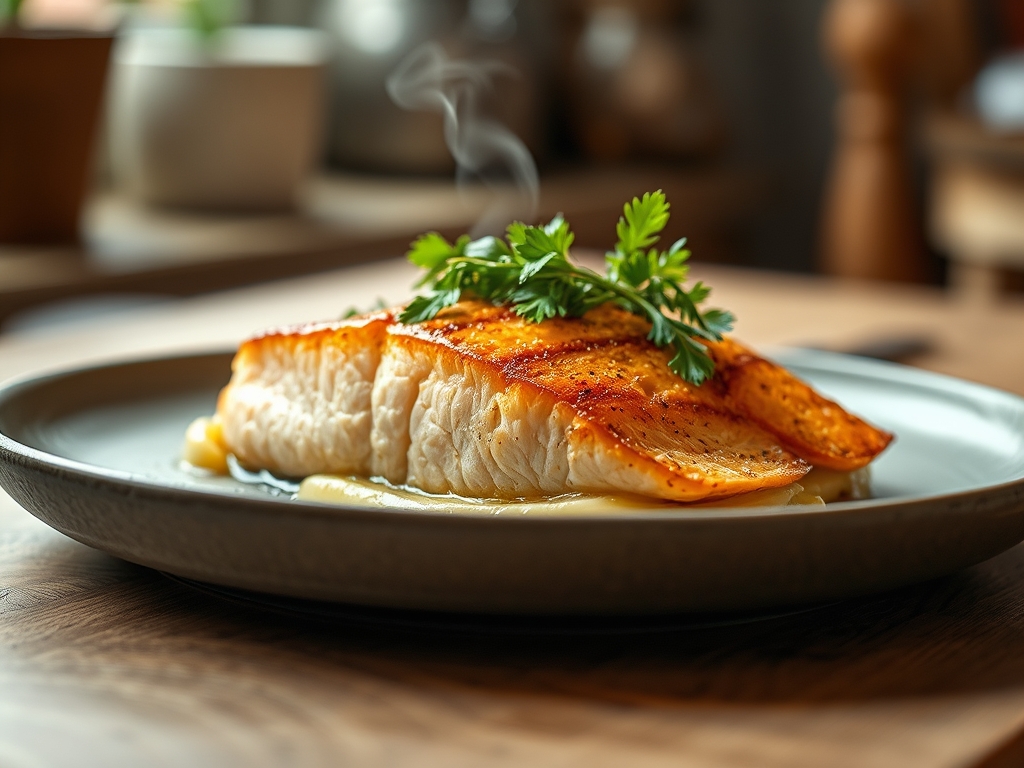
Imagine the sound of a cold, heavy-bottomed skillet meeting a high-flame burner; that sharp, metallic ring is the opening bell for the best meal of your week. Salmon is the ultimate chameleon of the culinary world, offering a rich, fatty canvas that handles bold spices and delicate infusions with equal grace. If you are stuck in a cycle of basic lemon-pepper fillets, your palate is likely craving more complexity. Exploring fresh salmon recipes ideas is not just about changing your seasoning; it is about mastering the physics of heat and the chemistry of fats to transform a standard protein into a restaurant-quality centerpiece. We are moving beyond the basics to explore textures that range from glass-like crispy skin to buttery, slow-poached interiors that melt the moment they hit your tongue.
Whether you are hosting a high-stakes dinner party or just trying to survive a Tuesday with your sanity intact, these ten creative approaches will redefine your relationship with the king of fish. We will look at everything from miso-glaze fermentation to the precision of dry-brining. By the time we are done, you will understand exactly why your previous fillets might have been dry or dull. It is time to treat your kitchen like a laboratory and your dinner plate like a masterpiece.
The Gathers:
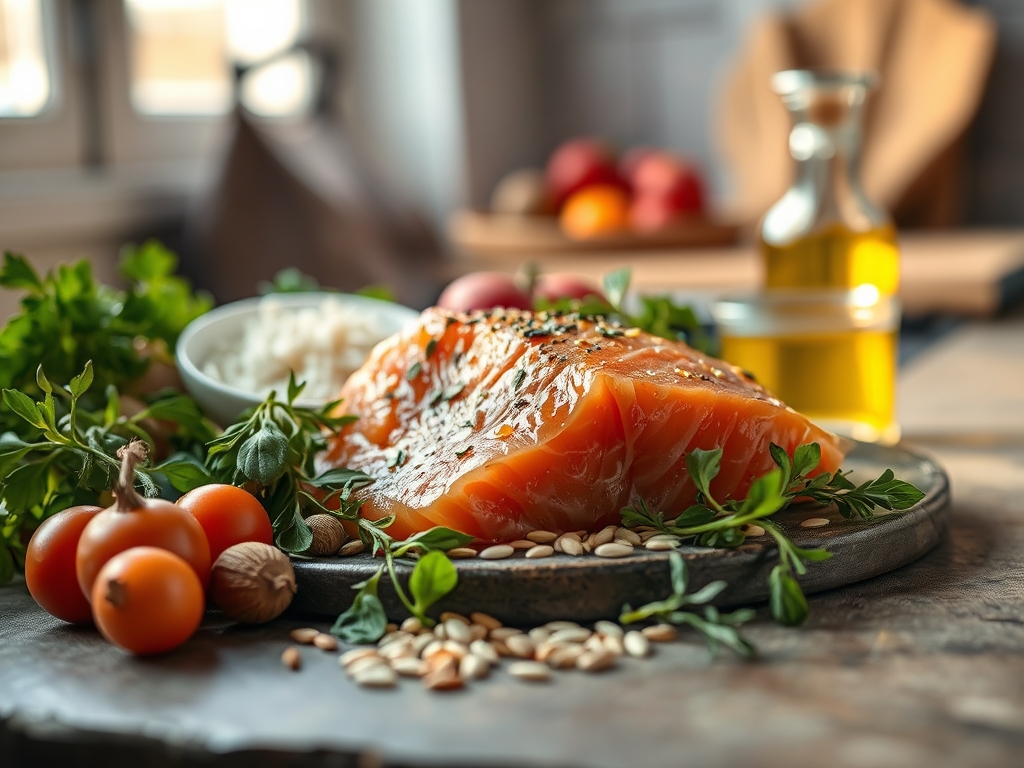
Before we ignite the range, we must assemble our mise-en-place with clinical precision. High-quality salmon should feel firm to the touch, indicating a tight cellular structure that has not been compromised by improper freezing. You will need your digital scale to ensure uniform portions, as even a ten-gram variance can lead to uneven cooking across the tray. Our ingredient list focuses on high-impact aromatics: fresh ginger for its piquant bite, Grade A maple syrup for a viscous glaze, and toasted sesame oil to provide a deep, nutty base.
Do not overlook the importance of acids. Keep a bottle of rice vinegar and a handful of citrus nearby to brighten the heavy omega-3 fats. For those looking for Smart Substitutions, you can swap soy sauce for liquid aminos if you are monitoring sodium or gluten. If you cannot find skin-on Atlantic salmon, steelhead trout is a magnificent alternative; it possesses a similar lipid profile and reacts almost identically to high-heat searing. Gather your microplane for zesting and your tongs for delicate flipping.
The Clock: Chef's Flow
Efficiency in the kitchen is about managing "dead time." The total prep for these salmon recipes ideas typically clocks in at 15 minutes, with active cooking taking another 12 to 18 minutes depending on the thickness of the cut. The "Chef's Flow" dictates that you should prepare your cold sauces and garnishes while the oven preheats or the pan renders.
Always pull your fish from the refrigerator 20 minutes before cooking. This allows the internal temperature to rise slightly, preventing a "thermal shock" where the outside overcooks before the center loses its chill. While the fish rests post-cook, use those three minutes to deglaze your pan with a splash of white wine or stock to create an instant pan sauce. This synchronization ensures that every component hits the table at its peak sensory state.
The Masterclass:
1. The Dry Brine Technique
Start by coating your fillets in a mixture of kosher salt and brown sugar for 30 minutes. This process uses osmosis to draw moisture out, seasoning the flesh deeply while firming up the proteins. Pro Tip: This prevents the unappealing white "albumin" from leaking out during cooking, as the salt denatures the surface proteins before they hit the heat.
2. High-Heat Skin Rendering
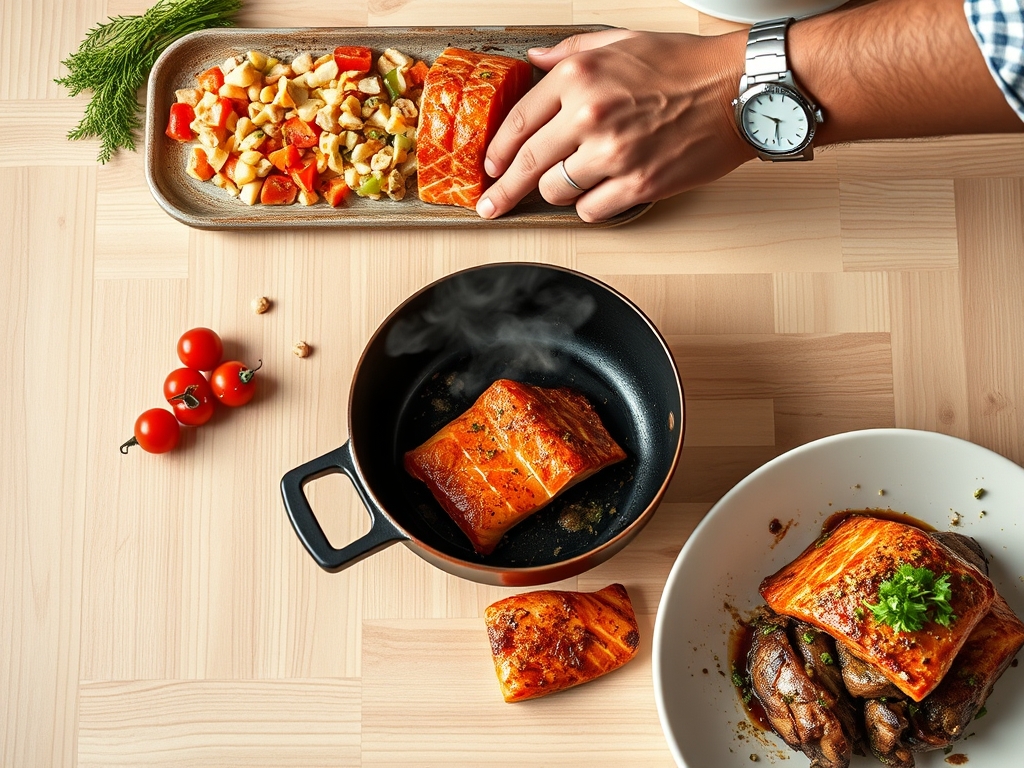
Place the salmon skin-side down in a cold heavy-bottomed skillet with a teaspoon of neutral oil, then turn the heat to medium-high. This allows the fat to render slowly, resulting in a chip-like crunch. Pro Tip: Use a bench scraper or spatula to press the fish down for the first 30 seconds to prevent the skin from curling as the collagen fibers contract.
3. The Miso-Maple Infusion
Whisk white miso paste with maple syrup in a saucier until the mixture is smooth and viscous. Brush this onto the fish during the last three minutes of roasting. Pro Tip: The sugars in the maple and the amino acids in the miso trigger the Maillard reaction, creating a complex, savory-sweet crust that is impossible to achieve with salt alone.
4. Citrus Aeration and Zesting
Use your microplane to shower the finished fillets with lemon and lime zest. Do this at the very end to preserve the volatile oils that provide that fresh, floral aroma. Pro Tip: Heat destroys the delicate citrus oils; adding zest "a la minute" ensures the scent molecules reach the diner's nose before they dissipate.
5. The Butter Basting Finish
In the final sixty seconds of pan-searing, toss a knob of cold butter and a crushed garlic clove into the pan. Use a large spoon to continuously bath the fish in the foaming fat. Pro Tip: This is known as arrosage; it creates a protective, flavorful coating that adds a luxurious mouthfeel while gently finishing the internal cook through convection.
The Deep Dive:
From a nutritional standpoint, salmon is a powerhouse of long-chain omega-3 fatty acids, specifically EPA and DHA, which are vital for cognitive function. A standard six-ounce portion provides roughly 34 grams of high-quality protein. For those following a Keto lifestyle, salmon is a "holy grail" food due to its high fat-to-carb ratio. If you are adapting these for a Vegan guest, consider using thick slabs of "King Oyster" mushrooms or firm tofu marinated in beet juice and liquid smoke to mimic the color and umami of the fish.
The Fix-It: Common Pitfalls
- The Fish Sticks: Your pan wasn't hot enough or you tried to flip it too early. Salmon will naturally "release" from the pan once the proteins have sufficiently caramelized.
- The Texture is Mushy: You likely crowded the pan. This creates steam, which boils the fish instead of searing it. Use a larger skillet or cook in batches.
- Overcooked Interior: Remember thermal carryover. If you pull the fish off the heat at 135 degrees Fahrenheit, it will continue to rise to the perfect 145 degrees while resting.
For Meal Prep, never reheat salmon in the microwave; it agitates the fats and creates a "fishy" odor. Instead, let it come to room temperature and flake it into a cold grain bowl, or gently warm it in a covered pan with a tablespoon of water to create a mini steam-chamber.
The Wrap-Up:
Mastering salmon recipes ideas is about more than just following a list; it is about understanding the interplay of heat, salt, and fat. When you stop fearing the high flame and start embracing the science of the sear, your kitchen becomes a place of endless possibility. Go ahead and grab that heavy-bottomed skillet and show that fillet who is boss. Your taste buds will thank you for the upgrade.
The Kitchen Table:
How do I know when salmon is perfectly cooked?
Use a digital thermometer to check for an internal temperature of 145 degrees Fahrenheit. Alternatively, press the top of the fillet; if it flakes easily along the natural white fat lines, it is ready to serve.
Why does my salmon have white stuff on it?
That white substance is albumin, a harmless protein that pushes to the surface when the muscle fibers contract too quickly. To prevent this, try a quick salt brine or cook the fish at a slightly lower, more consistent temperature.
Can I cook salmon from frozen?
Yes, though for the best texture, it is better to thaw it. If cooking from frozen, use the "steam-fry" method: sear for browning, then add a splash of water and cover the pan to cook the center through.
What is the best way to get crispy skin?
Pat the skin bone-dry with paper towels before cooking. Start the fish in a cold pan with a little oil and gradually increase the heat. This allows the fat to render out completely, leaving the skin thin and crunchy.