
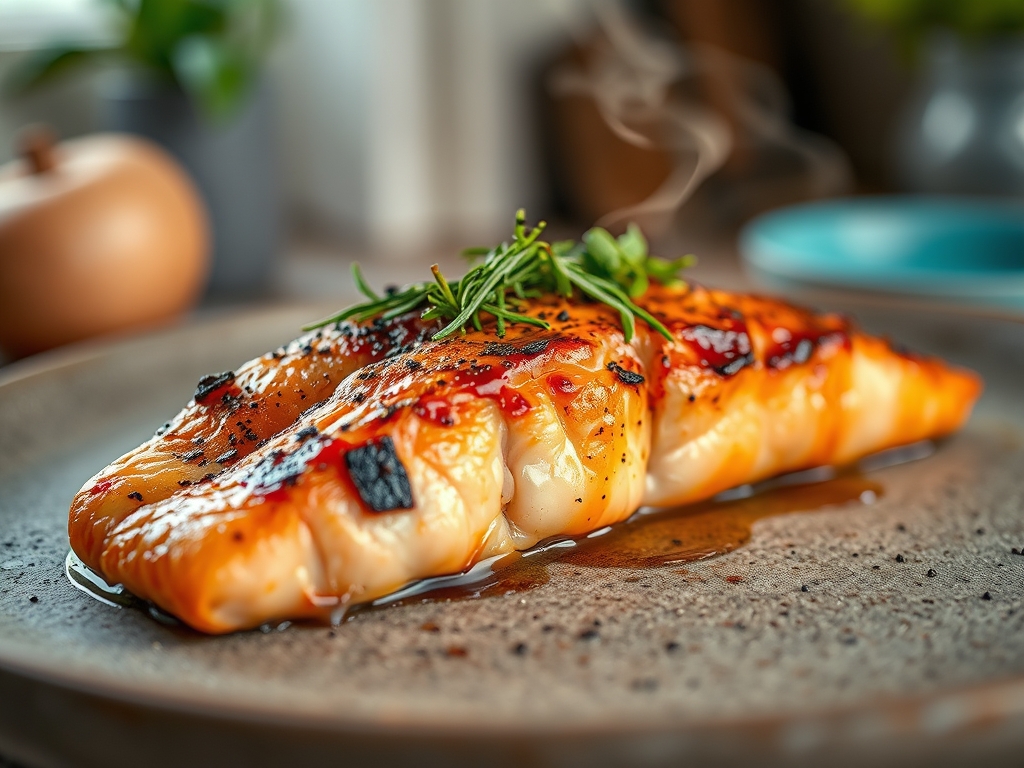
Imagine a slab of Atlantic salmon, its flesh a vibrant coral, resting on the heavy steel grates of your smoker. As the lid closes, the convection currents of cherry wood smoke begin to dance around the protein, initiating a chemical transformation that turns a simple fillet into a buttery, translucent masterpiece. When you search for the most reliable pit boss salmon recipes, you are not just looking for a dinner plan; you are looking to master the delicate balance between thermal precision and flavor infusion. The air smells of sweet hardwood and sea salt. Within minutes, the albumin begins to set, and the fats start to render, creating a texture so tender it practically dissolves upon contact with your tongue. This is the intersection of backyard grit and culinary grace. We are moving beyond basic grilling into the realm of artisanal smoking, where we manipulate heat and moisture to achieve a result that rivals the finest Pacific Northwest smokehouses. Grab your favorite beverage; we are about to turn your pellet grill into a high-performance flavor laboratory.
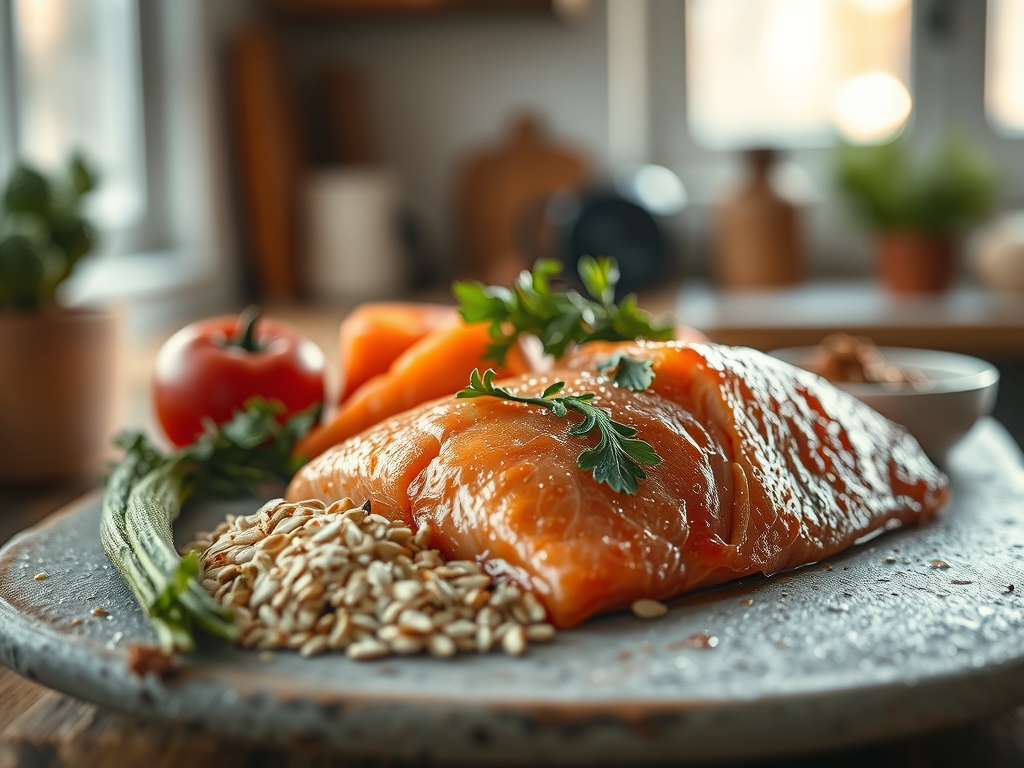
The Gathers:
To execute these pit boss salmon recipes with surgical precision, your mise-en-place must be flawless. Start with a side of salmon, preferably skin-on to act as a thermal barrier. You will need high-quality kosher salt, which features jagged crystals that adhere better to the flesh than spherical table salt. For the cure, gather dark brown sugar for its viscous molasses content and piquant cracked black pepper.
Your toolkit is just as vital as your ingredients. Reach for your digital scale to ensure a perfect 2:1 ratio of sugar to salt; precision here prevents the fish from becoming overly saline or cloyingly sweet. You will also need a microplane for zesting fresh lemon over the finished product to cut through the fatty acids. If you are opting for a wet brine, a saucier is essential for dissolving the solids into a homogenous solution before cooling.
Smart Substitutions: If you are watching your glycemic index, swap the brown sugar for a monk fruit sweetener; it mimics the caramelization process without the insulin spike. No cherry pellets? Maple or alder wood provides a similarly delicate profile that won't overwhelm the fish. If you lack a professional bench scraper to portion your fillets, a sharp chef's knife and steady hand will suffice, but the scraper ensures those clean, vertical edges that cook evenly.
The Clock: Timing the Magic
Efficiency in the kitchen is what I call the "Chef's Flow." For these pit boss salmon recipes, the total engagement time is roughly 2.5 hours, but your active labor is minimal.
- Prep Phase (20 minutes): This involves trimming the pellicle, portioning with your bench scraper, and applying the dry rub or brine.
- The Cure (30 to 60 minutes): This is the "waiting room" where osmosis happens. Do not skip this; it is the difference between flabby fish and a firm, professional bite.
- The Smoke (45 to 60 minutes): We are aiming for a low and slow environment, typically 225 degrees Fahrenheit.
- The Rest (10 minutes): Essential for moisture redistribution.
The flow is simple: prepare the fish, start the Pit Boss to allow the fire pot to stabilize, and use the downtime to prepare a bright remoulade or a crisp arugula salad.
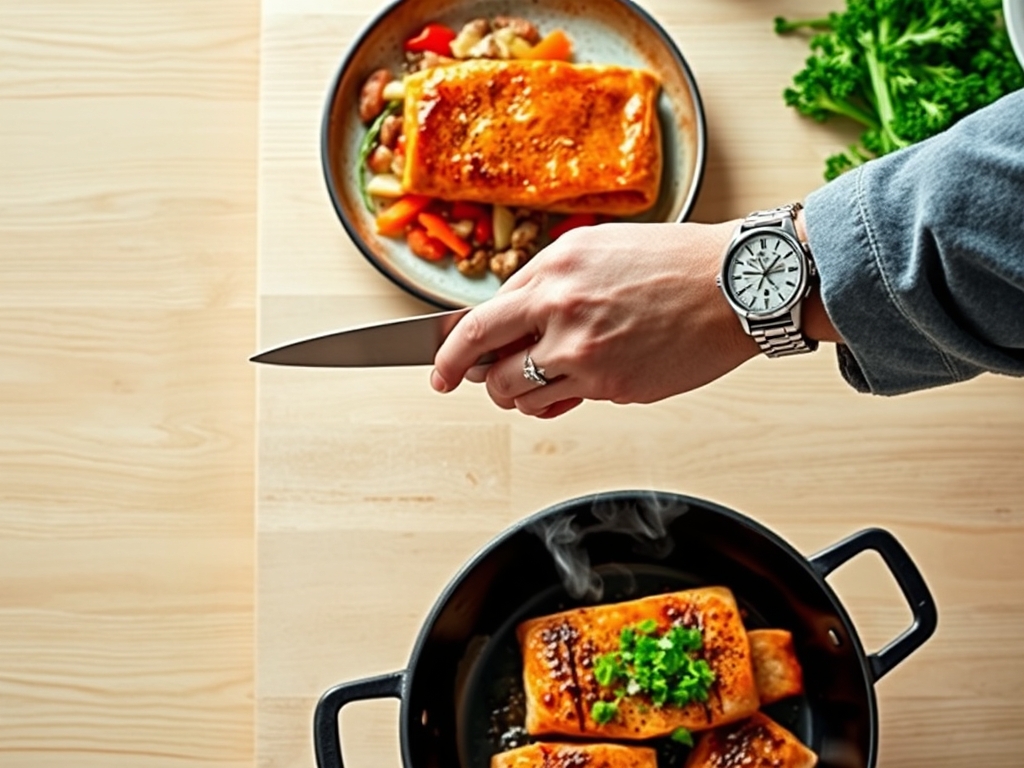
The Masterclass: Step-by-Step
1. The Surface Preparation
Dry the salmon thoroughly using lint-free paper towels. A dry surface is the only way to ensure the smoke particles adhere properly rather than sliding off a film of moisture. Use your tongs to move the fish gently, avoiding any bruising of the delicate muscle fibers.
Pro Tip: This stage facilitates the formation of the pellicle, a thin, tacky layer on the surface of the fish. This layer is a protein film that acts as a "glue" for smoke molecules, intensifying the flavor profile.
2. The Osmotic Cure
Generously coat the flesh side with your salt and sugar mixture. Let it sit at room temperature for 45 minutes. You will notice the surface becoming wet; this is the salt drawing out excess moisture and concentrating the natural oils.
Pro Tip: This is denaturation in action. The salt rearranges the protein structures, which firms up the flesh and allows it to withstand the heat of the smoker without falling apart.
3. Setting the Pit Boss
Fire up your pellet grill to 225 degrees Fahrenheit. Ensure your water pan is filled; this creates a humid environment that prevents the exterior of the fish from becoming "jerky-like" before the interior reaches the target temperature.
Pro Tip: Humidity increases the thermal conductivity of the air inside the smoker. Moist air transfers heat more efficiently than dry air, leading to a more uniform cook.
4. The Smoke Infusion
Place the salmon skin-side down on the grates. Close the lid and resist the urge to peek. Use a high-quality meat probe to monitor the internal temperature. We are looking for a "pull temp" of 135 degrees Fahrenheit for a medium-rare finish.
Pro Tip: Smoke absorption happens most rapidly when the meat is cold and wet. As the surface temperature rises, the rate of smoke uptake decreases, which is why the first 30 minutes are the most critical.
5. The Glaze Application
In the final 10 minutes of cooking, use a silicone brush to apply a thin layer of maple syrup or honey. This adds a glossy sheen and a final hit of sweetness to balance the salt.
Pro Tip: This triggers the Maillard reaction on the surface. While smoking is a low-temp process, the sugars in the glaze react with the surface proteins to create complex, savory flavor compounds.
6. The Carryover Rest
Remove the salmon using a wide spatula and place it on a warmed platter. Tent loosely with foil. Let it rest for at least 10 minutes before serving.
Pro Tip: Thermal carryover will cause the internal temperature to rise another 5 degrees after removal. Resting also allows the expanded muscle fibers to relax, reabsorbing the internal juices so they don't spill out when you flake the fish.
The Deep Dive: Science and Strategy
Macro Nutrition: Salmon is a nutritional powerhouse. A 6-ounce portion typically contains about 34 grams of high-quality protein and 22 grams of healthy fats, primarily Omega-3 fatty acids. These fats are what make the fish so forgiving in the smoker; they insulate the proteins and provide that "melt-in-your-mouth" texture.
Dietary Swaps:
- Keto: Eliminate the sugar in the rub and replace it with an erythritol-based sweetener. Focus on a heavy black pepper and lemon zest crust.
- Vegan: While you can't "smoke" a salmon without the fish, you can apply this exact rub and smoke technique to thick slabs of watermelon or extra-firm tofu for a surprisingly similar aesthetic and flavor profile.
- Gluten-Free: This recipe is naturally gluten-free, but always check your wood pellet additives to ensure no binders containing gluten are used.
The Fix-It: Troubleshooting Common Pitfalls
- The White Stuff (Albumin): If you see white goo seeping out of the fish, your heat is too high. This is protein being squeezed out of the muscle fibers. The Fix: Lower your smoker temp immediately and use a brine next time to help "set" those proteins.
- Dry Edges: The thin tail section often overcooks. The Fix: Fold the thin tail underneath the fillet to create a uniform thickness across the entire piece.
- No Smoke Flavor: If the fish tastes "plain," your pellets might be old. The Fix: Use fresh, high-quality pellets and ensure your smoker is producing "blue smoke" rather than thick, billowing white smoke, which can taste bitter.
Meal Prep & Reheating: To maintain "day-one" quality, reheat salmon in a low oven (275 degrees) with a splash of water or broth, covered tightly with foil. This creates a mini-steamer that prevents the fats from oxidizing and turning "fishy."
The Wrap-Up
Mastering pit boss salmon recipes is about more than just lighting a fire; it is about respecting the chemistry of the ingredients. By understanding how salt alters protein structure and how smoke interacts with a tacky pellicle, you have graduated from a casual griller to a backyard scientist. This salmon is smoky, sweet, savory, and perfectly textured. Now, go grab that microplane, zest some lemon over your masterpiece, and watch it disappear. You have officially earned your stripes at the smoker.
The Kitchen Table
How do I prevent salmon from sticking to the grates?
Ensure your grates are scrubbed clean and lightly oiled before preheating. Placing the salmon skin-side down provides a natural parchment-like barrier. Using a wide, thin spatula allows you to slide under the skin without tearing the delicate flesh.
What is the best wood for smoking salmon?
Fruitwoods like cherry or apple are ideal because they offer a mild, sweet smoke that does not mask the natural flavor of the fish. Alder is the traditional choice in the Pacific Northwest for its extremely light and delicate profile.
Should I leave the skin on when smoking?
Yes, always leave the skin on during the smoking process. It acts as an insulator, protecting the meat from direct heat and keeping the moisture locked inside. You can easily peel the skin off after the fish has finished cooking.
Can I smoke frozen salmon fillets?
It is highly recommended to thaw salmon completely in the refrigerator before smoking. Smoking frozen fish leads to uneven cooking, as the exterior will overcook and become tough before the center reaches a safe, palatable internal temperature.