
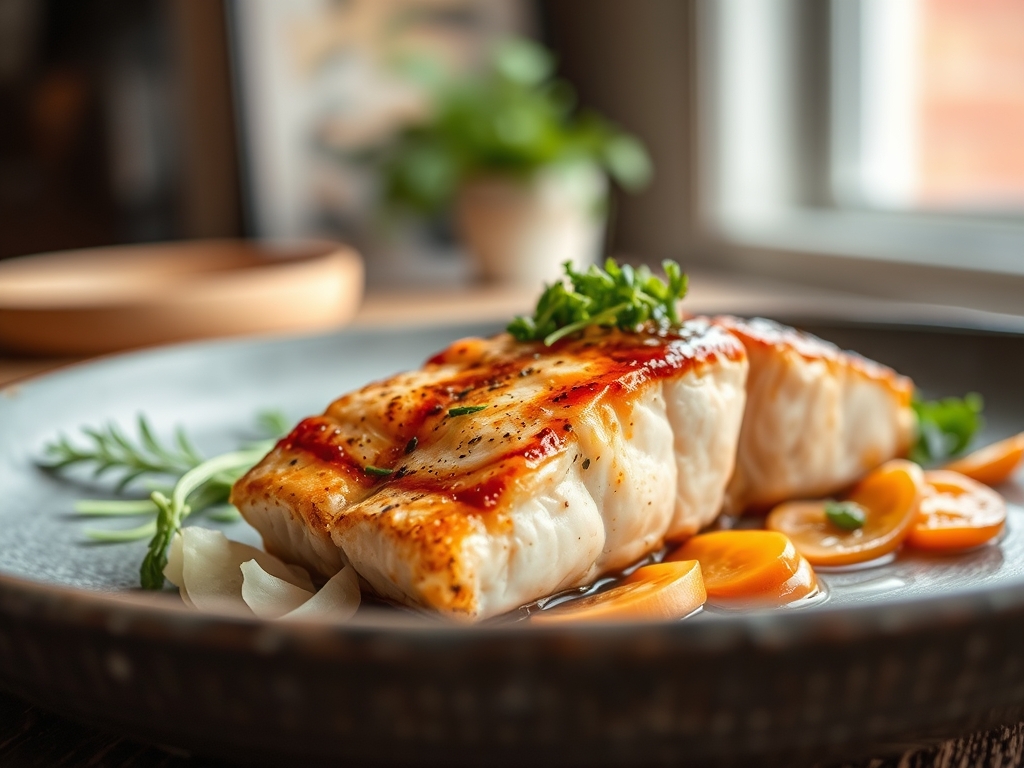
Imagine the sound of a heavy sheet pan sliding into a preheated oven while the air fills with the scent of toasted sesame and fermented soy. That sharp, salty tang hitting the back of your throat is the promise of a perfect dinner. When you are hunting for easy baked teriyaki salmon recipes, you are not just looking for a meal; you are looking for that specific chemical magic where sugar meets protein under high heat. We are talking about salmon that flakes at the mere suggestion of a fork, coated in a glaze so viscous it clings to the fish like a silk robe. This is the intersection of weeknight speed and gourmet technique. Most people think great teriyaki requires a culinary degree or a secret bottle from a specialty market, but the truth is found in the physics of your oven. By the time we are done, you will understand exactly how to manipulate heat and sugar to create a restaurant quality crust every single time.
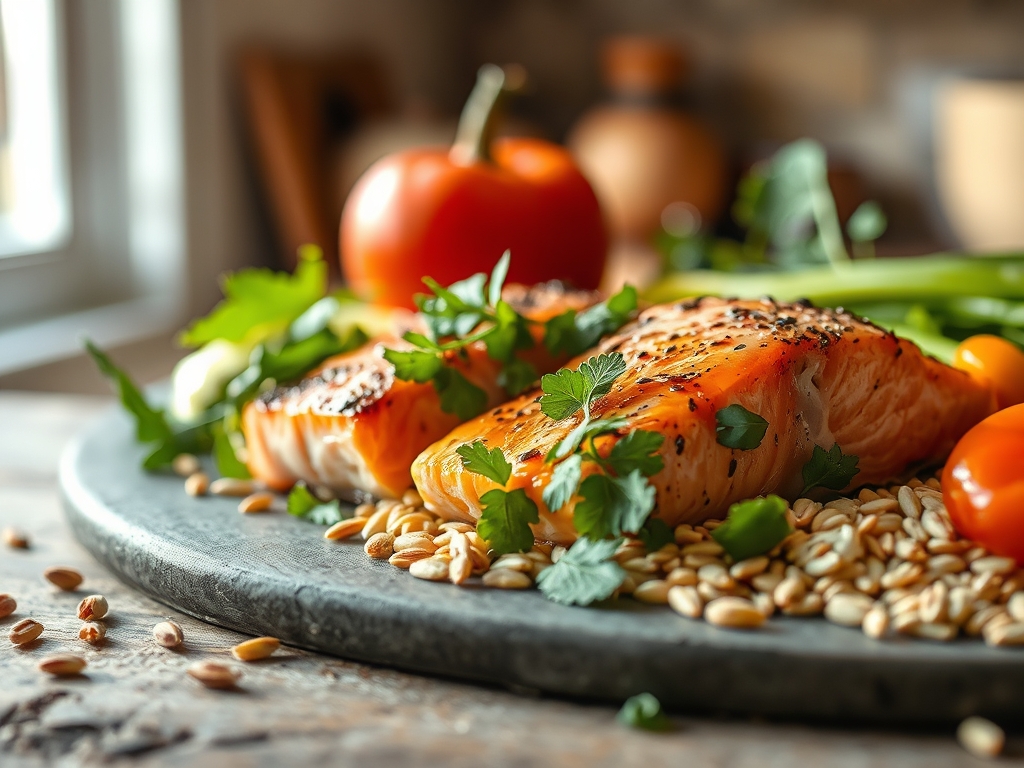
The Gathers:
Setting up your station, or mise-en-place, is the difference between a frantic kitchen and a rhythmic one. For the protein, look for Atlantic or King salmon fillets. You want a thickness of at least one inch to ensure the interior remains succulent while the exterior undergoes the Maillard reaction. Your glaze requires a base of high quality soy sauce for that essential umami profile. Use a microplane to grate fresh ginger and garlic into a fine paste; this increases the surface area and allows the aromatics to infuse the liquid more deeply.
For the sweetness, reach for brown sugar or honey. These contain fructose and glucose which caramelize at lower temperatures than white table sugar. You will also need mirin, a Japanese rice wine that provides a piquant acidity and a glossy sheen. If you do not have mirin, a dry sherry or even a splash of rice vinegar with an extra pinch of sugar works as a smart substitution. Finally, keep a small bowl of cornstarch nearby. This acts as a thickening agent to ensure your sauce reaches the perfect nappe consistency.
The Clock: 25 Minutes to Glory
The "Chef's Flow" is all about overlapping tasks to minimize downtime. Spend the first 10 minutes on prep: whisking the sauce in a saucier and patting the fish dry. The actual bake time is a tight 12 to 15 minutes depending on the thickness of your fillets. While the salmon is in the oven, you have a five minute window to steam greens or prepare a bowl of fluffy jasmine rice. Always allow for a three minute rest period after pulling the pan out. This allows the internal juices to redistribute, preventing them from spilling out onto the plate when you take your first bite.
The Masterclass:
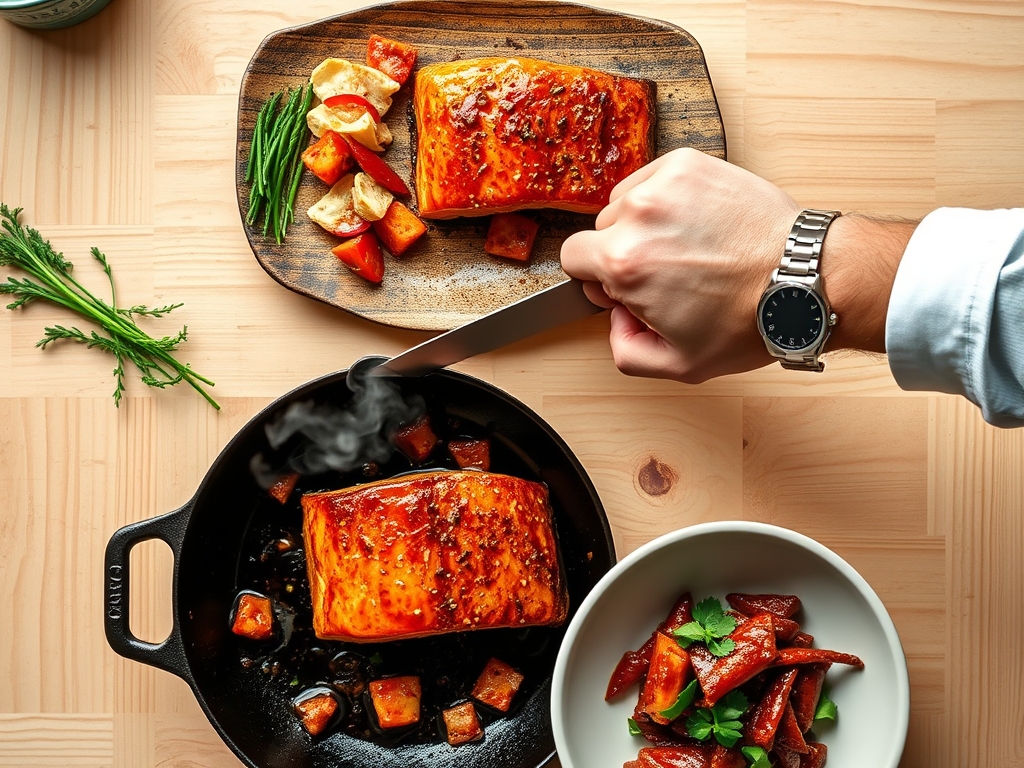
1. The Desiccation Ritual
Before anything else, use a paper towel to bone-dry the surface of your salmon. Any residual moisture on the skin or flesh will create steam, which is the enemy of a crisp texture.
Pro Tip: This is about evaporative cooling. If the surface is wet, the temperature cannot rise above 212 degrees Fahrenheit until the water is gone, delaying the browning process.
2. The Saucier Reduction
Combine your soy, mirin, ginger, and sugar in a heavy-bottomed skillet or saucier. Simmer over medium heat until the volume reduces by a third.
Pro Tip: Reducing the liquid increases the solute concentration, which lowers the water activity and creates a more stable, glossy emulsion that sticks to the fish.
3. The First Glaze
Place your fillets on a parchment lined sheet pan and brush a thin layer of sauce over the top. Do not drown them yet; you want a base layer to anchor the flavor.
Pro Tip: This initial layer initiates enzymatic browning. The sugars in the glaze react with the amino acids in the fish to create complex flavor compounds.
4. The High Heat Blast
Slide the pan into a 400 degree Fahrenheit oven. This high temperature is necessary to render the fats in the salmon quickly.
Pro Tip: High heat triggers the Maillard reaction rapidly. Because salmon is high in fat, the heat helps render the subcutaneous fat, basting the fish from the inside out.
5. The Mid-Bake Reapplication
Halfway through the cooking process, use tongs to briefly pull the rack out and apply a second, thicker layer of glaze.
Pro Tip: Layering the glaze creates a stratified coating. The first layer is baked in, while the second layer stays tacky and vibrant for a better mouthfeel.
6. The Broiler Finish
For the final 60 seconds, switch your oven to the broiler setting. Watch it like a hawk to prevent burning.
Pro Tip: The intense radiant heat causes caramelization, where the sugars break down and reform into hundreds of new, slightly bitter and nutty aromatic molecules.
7. The Carryover Rest
Remove the salmon when the internal temperature hits 130 degrees Fahrenheit. It will continue to cook as it sits on the counter.
Pro Tip: This is thermal carryover. The residual heat from the exterior moves toward the center, bringing the final temperature to a perfect, buttery 135 degrees Fahrenheit.
8. The Acid Brightener
Right before serving, squeeze a fresh lime or lemon over the fillets. The acidity cuts through the heavy fat and sugar.
Pro Tip: Acid acts as a flavor potentiator. It balances the pH of the dish, making the savory notes of the soy sauce taste more pronounced and clear.
9. The Texture Garnish
Sprinkle toasted sesame seeds and sliced scallions over the top using a sharp knife for clean cuts.
Pro Tip: Adding raw or toasted elements at the end provides textural contrast, which prevents the palate from becoming fatigued by the soft, rich texture of the fish.
The Deep Dive:
From a macro nutrition perspective, this dish is a powerhouse. You are getting roughly 25 grams of protein and a healthy dose of Omega-3 fatty acids per serving. If you are following a Keto lifestyle, swap the sugar for allulose or monk fruit and use liquid aminos instead of soy sauce. For a vegan twist, this exact method works beautifully with thick slabs of firm tofu or "steaks" made from cauliflower.
If things go wrong, do not panic. If your sauce is too thin, whisk in a tiny "slurry" of cornstarch and water to bind the molecules together. If the fish is sticking to the pan, your oven likely was not hot enough to sear the proteins immediately; use a bench scraper to gently lift it without tearing. For meal prep, never microwave your salmon on high heat. Use a low power setting or a toaster oven to gently re-agitate the fats without overcoagulating the proteins, ensuring it tastes just as tender on day two.
The Wrap-Up:
Mastering easy baked teriyaki salmon recipes is about more than just following a list; it is about respecting the chemistry of the ingredients. When you balance the salt of the soy with the heat of the oven, you create a meal that feels like a celebration. Go ahead and grab your favorite saucier, find the freshest fish possible, and turn your kitchen into the best bistro in town. You have the science, the tools, and the talent to make it happen.
The Kitchen Table:
How do I know when the salmon is perfectly done?
The fish is done when it reaches an internal temperature of 135 degrees Fahrenheit. Visually, the flesh should change from translucent to opaque and flake easily when pressured with a fork or a digital scale probe.
Can I make the teriyaki sauce in advance?
Yes, you can simmer the glaze in a heavy-bottomed skillet and store it in the fridge for up to two weeks. This saves time and allows the ginger and garlic flavors to further infuse the liquid.
Why is my salmon white and gooey on top?
That white substance is albumin, a protein that pushes to the surface when salmon cooks too fast or too long. To minimize this, brine the fish in salt water for ten minutes before baking to relax the fibers.
What is the best way to reheat leftover salmon?
Avoid the microwave if possible. Instead, place the salmon in a 275 degree Fahrenheit oven with a splash of water and cover it with foil. This gently rehydrates the fish without making the texture rubbery or dry.