
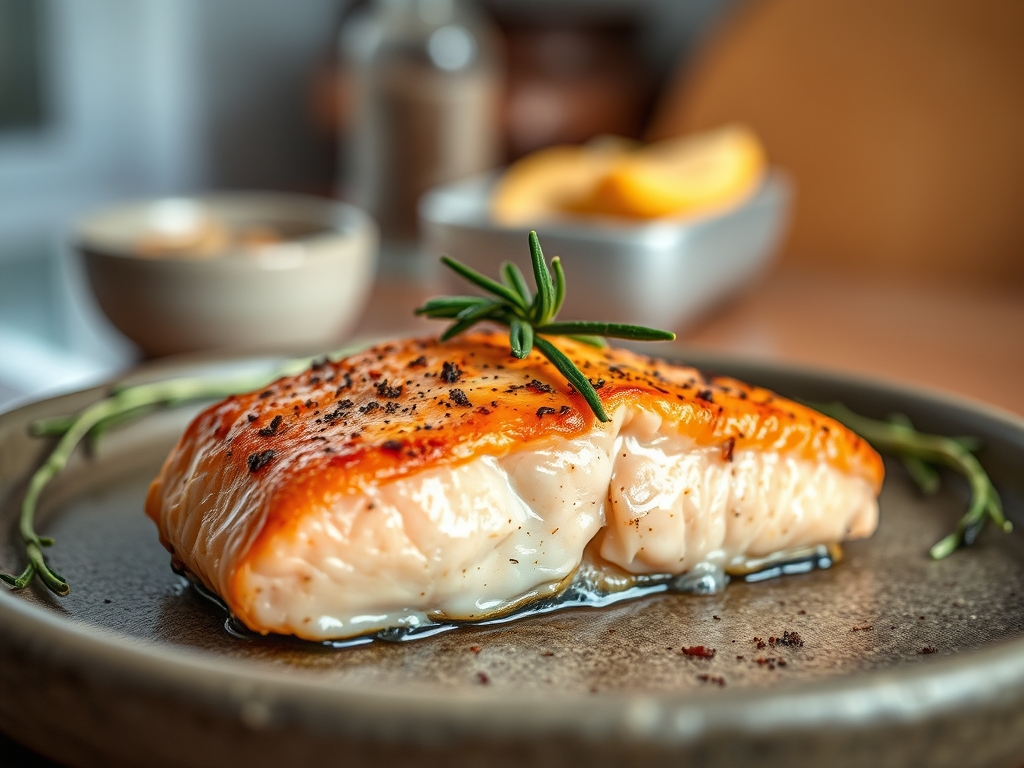
Picture the scene: your kitchen is filled with the piney, resinous scent of fresh herbs while a fillet of fish sizzles softly in the oven. Mastering baked rosemary salmon recipes is not just about following a timer; it is about understanding the delicate thermal dance between omega-3 fatty acids and aromatic oils. When done correctly, the result is a buttery, flake-apart masterpiece that feels like a high-end bistro meal but takes less than thirty minutes to execute.
The magic happens when the heat softens the tough, needle-like structure of the rosemary, releasing 1,8-cineole and camphor into the rendering fats of the fish. This creates a flavor profile that is earthy yet bright. Whether you are hosting a dinner party or meal prepping for a busy week, the science of the perfect bake ensures your salmon never ends up dry or chalky. We are going to dive deep into the molecular mechanics of heat and flavor to transform a simple piece of seafood into a culinary triumph.
The Gathers:
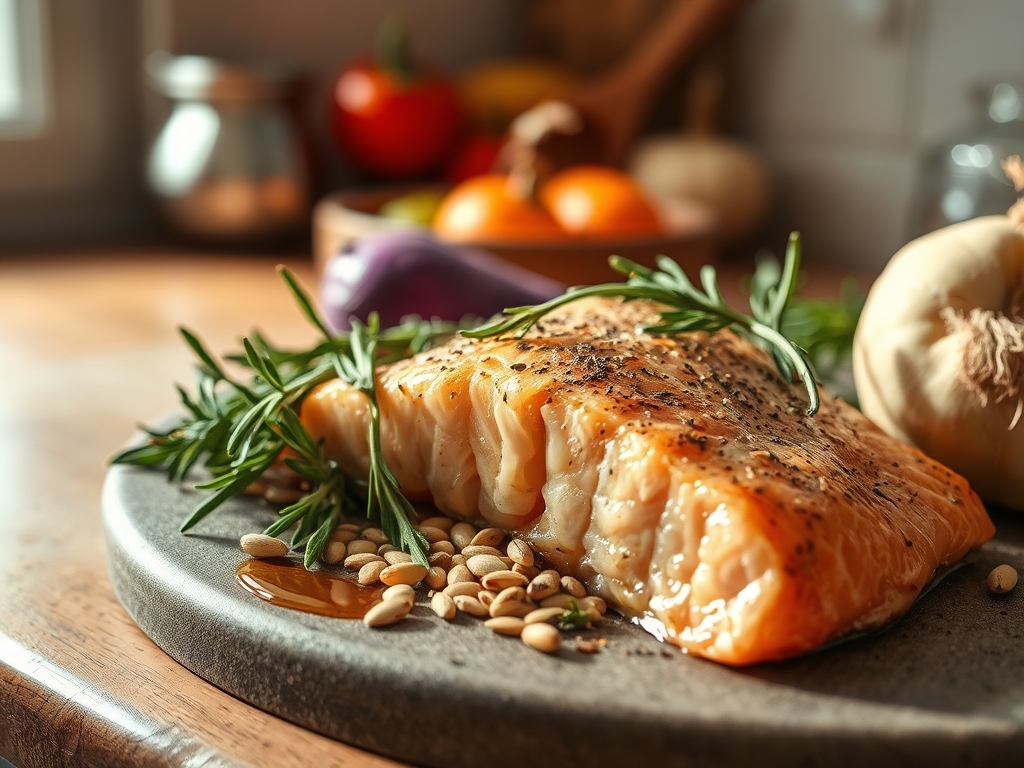
Before we touch the heat, we must respect the mise-en-place. Use a digital scale to ensure your fillets are uniform in weight, typically 6 to 8 ounces each, to guarantee even cooking. You will need high-quality Atlantic or King salmon; look for a vibrant, translucent hue rather than a matte finish. For the aromatics, gather fresh rosemary sprigs, cloves of garlic, and a high-smoke-point fat like avocado oil or clarified butter.
The science of the marinade relies on a viscous carrier. We use extra virgin olive oil to suspend the fat-soluble compounds of the rosemary. You will also need a microplane to zest a lemon, providing a piquant acidity that cuts through the rich lipids of the fish. If you do not have fresh rosemary, a smart substitution is dried thyme or savory, though you must reduce the volume by two-thirds because dried herbs are more concentrated. For a vegan-friendly fat swap, use a refined coconut oil to mimic the saturated fat mouthfeel of butter without the dairy.
The Clock
Efficiency in the kitchen is defined by "Chef's Flow," the ability to overlap tasks so that no second is wasted. Your total active prep time is exactly eight minutes. This includes using a bench scraper to clear your board and a saucier to whisk your herb butter if you choose the stovetop infusion method.
The salmon spends twelve to fifteen minutes in the oven at 400 degrees Fahrenheit. This specific temperature is the "sweet spot" where the exterior undergoes a mild Maillard reaction while the interior remains succulent. Factor in a mandatory five-minute rest period. This allows the muscle fibers to relax and reabsorb the juices that were pushed to the center during the bake. Total time from fridge to table is under thirty minutes.
The Masterclass
1. Tempering the Protein
Remove your salmon from the refrigerator twenty minutes before cooking. Use a paper towel to pat the skin completely dry. Moisture is the enemy of texture; any residual water will create steam, leading to a rubbery consistency rather than a crisp finish.
Pro Tip: This process is called thermal equilibrium. By bringing the fish closer to room temperature, you prevent the "cold core" phenomenon, ensuring the outside does not overcook before the center reaches safety.
2. The Herb Infusion
In a small bowl, combine your minced rosemary, garlic, and oil. Use the back of a spoon to bruise the rosemary leaves against the side of the bowl. This mechanical action breaks the cell walls of the herb to infuse the oil with its essential oils before it even hits the heat.
Pro Tip: This is a cold-maceration technique. It ensures the aromatics are evenly distributed across the fillet, preventing "hot spots" of flavor and ensuring every bite has a consistent profile.
3. Precision Seasoning
Generously coat the fillets with the herb mixture. Season with kosher salt from a height of about twelve inches to ensure even coverage. The salt acts as a denaturant, beginning to break down the surface proteins which will eventually form a delicious crust.
Pro Tip: Salt draws out moisture through osmosis. By seasoning just before the fish enters the oven, you create a thin layer of brine on the surface that helps the rosemary stick and enhances the savory notes.
4. The High-Heat Bake
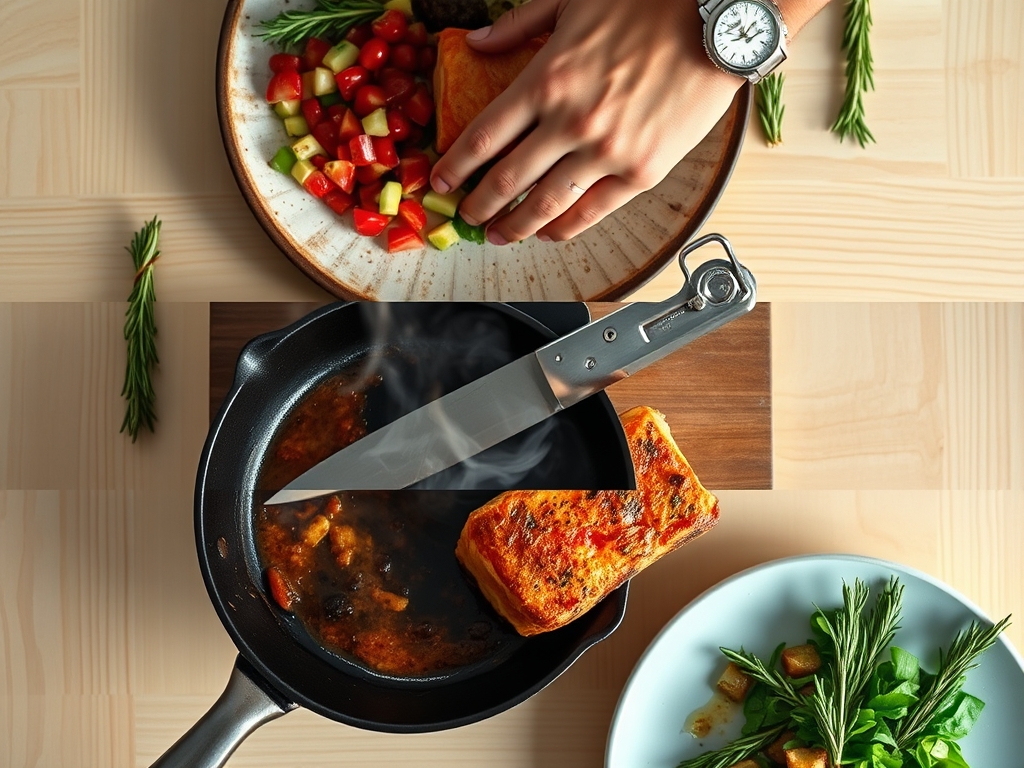
Place the salmon on a parchment-lined baking sheet. Slide it into the center rack of the oven. If you are using a heavy-bottomed skillet, you can start the salmon skin-side down on the stove to render the fat before moving it to the oven for the final finish.
Pro Tip: Use a digital thermometer to pull the fish at 130 degrees Fahrenheit. Thermal carryover will continue to raise the internal temperature by another 5 degrees while it rests, landing you at a perfect 135 degrees.
5. The Finishing Acid
Once the salmon emerges, immediately squeeze fresh lemon juice over the top. The steam from the fish will help the citrus oils aerate, filling the room with a bright scent and balancing the heavy fats of the salmon.
Pro Tip: This is a chemical balance. The citric acid reacts with the trimethylamine in the fish, neutralizing any "fishy" odors and brightening the earthy rosemary notes.
The Deep Dive
From a nutritional standpoint, this dish is a powerhouse. A standard 6-ounce serving provides roughly 34 grams of high-quality protein and is rich in Vitamin B12 and Potassium. For those on a Keto diet, this recipe is naturally low-carb; for Vegan guests, the same rosemary-garlic rub works beautifully on a thick slab of cauliflower or firm tofu.
If you encounter the "White Stuff" (albumin) leaking out of your fish, do not panic. This happens when the muscle fibers contract too quickly, squeezing out the protein. To fix it, lower your oven temperature by 25 degrees next time or brine the fish in salty water for ten minutes before cooking. If your rosemary tastes bitter, it likely burnt; move the baking rack lower in the oven to distance the herbs from the heating element.
For meal prep, the secret to "day-one" quality is the reheat method. Avoid the microwave, which turns salmon into a sponge. Instead, place the fillet in a covered pan with a tablespoon of water over low heat. The steam will gently re-hydrate the fats without overcooking the delicate protein structures.
The Wrap-Up
You are now equipped with the technical prowess to dominate baked rosemary salmon recipes. By focusing on thermal carryover, maceration, and the Maillard reaction, you have moved past being a recipe-follower and become a culinary scientist. This dish is elegant, efficient, and incredibly nutritious. Grab your tongs, fire up the oven, and prepare to impress yourself with the cleanest, most flavorful salmon you have ever tasted.
The Kitchen Table
How do I prevent salmon from sticking to the pan?
Always use parchment paper or a well-seasoned heavy-bottomed skillet. Ensure the pan is preheated before adding the fish. A thin layer of high-smoke-point oil acts as a lubricant between the protein and the surface.
Can I use dried rosemary instead of fresh?
Yes, but use one-third of the amount. Dried rosemary is much more potent and has a woodier texture. Crush it in a mortar and pestle first to release the oils and soften the sharp needles.
Why is my salmon white and foamy on top?
That is albumin, a harmless protein that pushes out when fish cooks too fast. To prevent this, cook the salmon at a slightly lower temperature and avoid overcooking. A quick salt brine before baking also helps.
What is the best way to tell if salmon is done?
The most reliable method is using a digital thermometer to reach 130-135 degrees Fahrenheit. Alternatively, check if the flesh flakes easily with a fork and has changed from translucent to opaque in the center.